Overall impression: Carriage Inn Conroe is described across reviews as a socially active independent living community with a strong emphasis on warm resident–staff relationships and social programming. Families and residents repeatedly characterize the staff as compassionate, personable, and attentive; many comments highlight long-tenured employees and named staff who act as consistent advocates. The community atmosphere is frequently described as family-like, with numerous opportunities for socialization that contribute to resident satisfaction and perceived wellbeing.
Care and staffing: Reviewers portray direct-care and dining staff as caring and responsive, with 24-hour emergency response systems in place. Staff interactions are commonly described as respectful and familiar, with first-name relationships and individualized attention (for example, dining reminders and seating assistance). At the same time, there are references to uneven staffing patterns at times (notably during evenings) and occasional leadership turnover; these items suggest intermittent operational strains rather than a uniform pattern of poor care. Several families also noted that the community supports transitions but has limited capacity to manage higher-acuity clinical needs, so residents who experience significant medical decline typically require transfer to a higher-care setting.
Dining and activities: Dining is a clear strength for the community. A long-tenured chef, varied menus, multiple portion options, alternate selections, and three meals per day (buffet-style with specials and snacks) are frequent positives. Holiday themes, catered family events, and social meals are highlighted. Some reviewers noted inconsistent meal temperature and a desire for greater vegetable variety or hotter plate service; these are operational quality items that could be addressed by kitchen workflow adjustments. Activities and life-enrichment are well developed: the calendar includes arts and crafts, Bingo, Bible study, happy hours with live music, trips and transportation to appointments and shopping, and many resident-led programs. Personalized activities and active resident engagement are repeated themes.
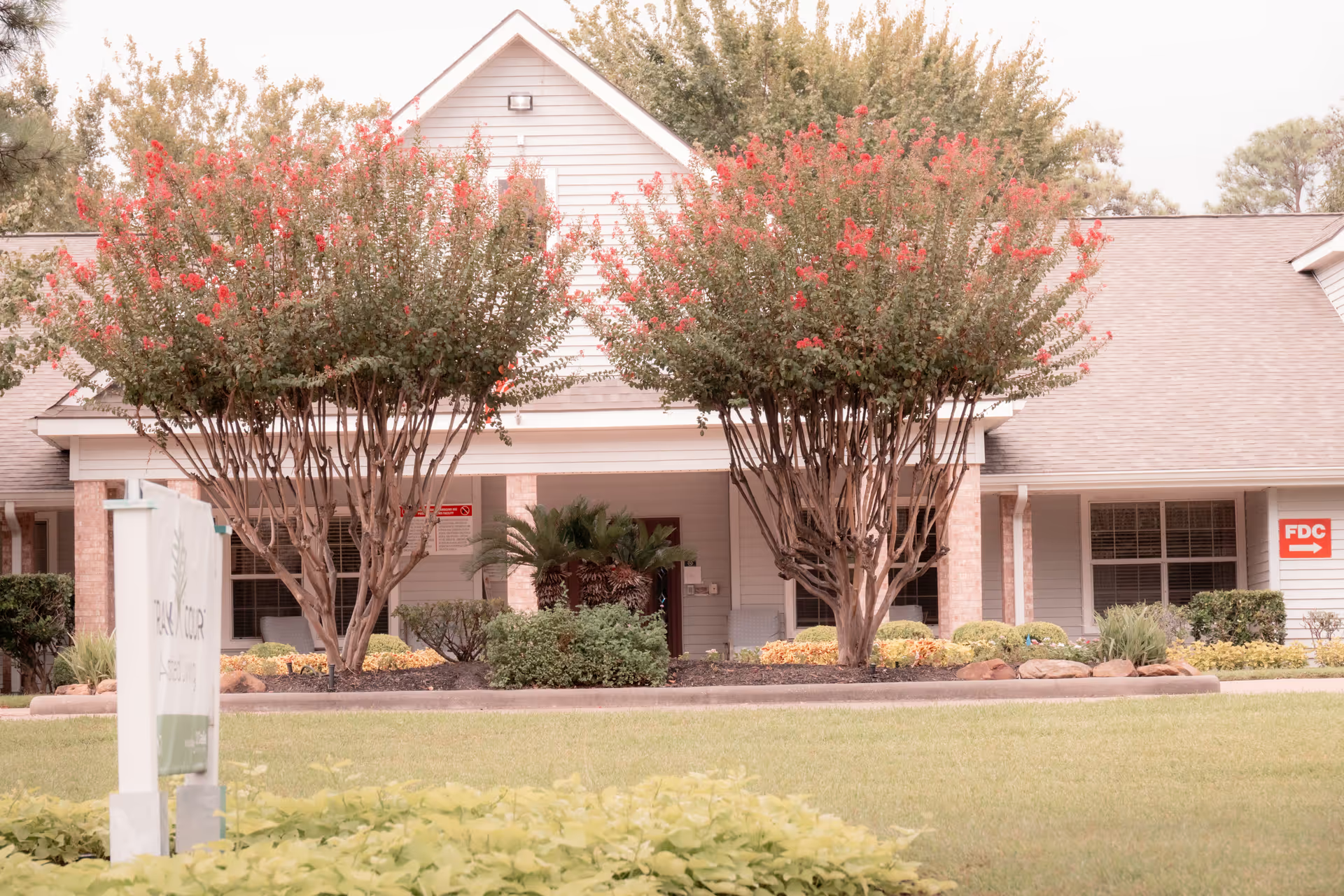
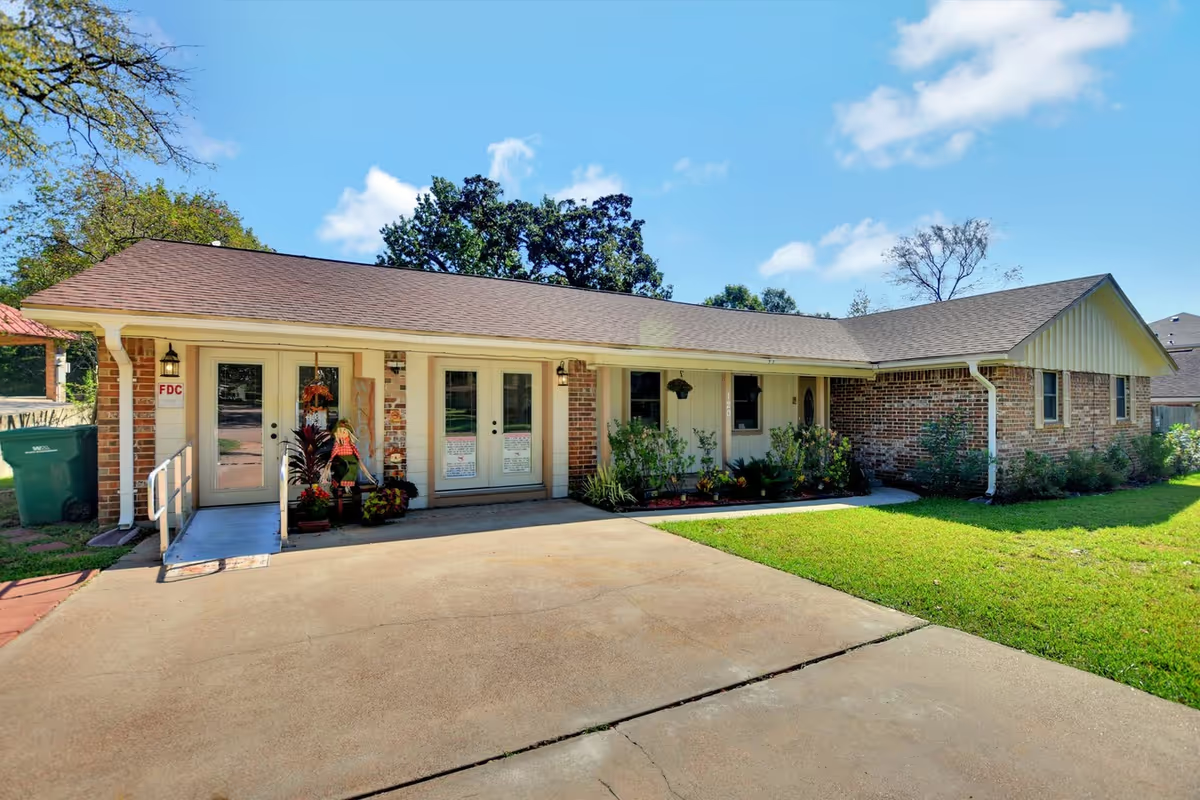
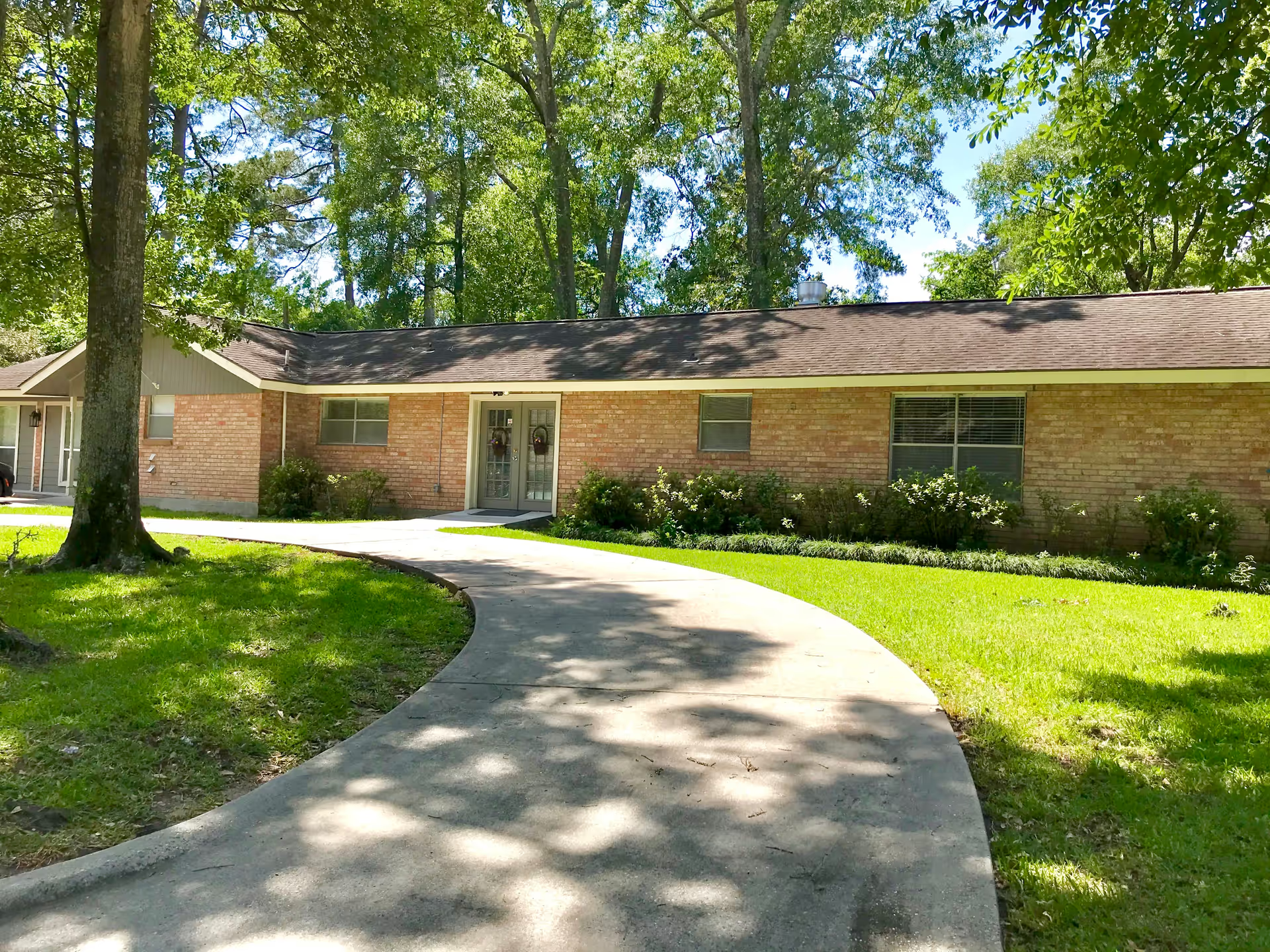
Facilities and amenities: The campus is described as clean, nicely landscaped, and well maintained, with pleasant outdoor spaces, a solarium, salon, and courtyards that support social life. Apartment units tend to be on the small side with limited kitchen capacity and smaller appliances, which some residents find cramped. In-unit laundry is not available, and common laundry or on-site options are used instead. Other facility-level concerns noted include dated or dim interior decor in some corridors and a constrained library or common-space footprint. Technical infrastructure concerns include limited TV channel selection and instances of congested or unsecured Wi‑Fi.
Management and notable patterns: Leadership and admissions staff receive frequent praise for guided tours, move-in support, and responsiveness. Resident-ambassador programs and weekly housekeeping contribute to a supportive onboarding process. A pattern worth noting is the dual perception of cost: many families view the community as good value, while others find pricing to be a barrier compared with local competitors. The dominant pattern across feedback is high satisfaction centered on staff quality, food, and social engagement, tempered by operational limitations related to apartment size, certain physical plant updates, technology and occasional staffing variability. Prospective residents and families should weigh the strong social and dining strengths against space and higher-acuity care limitations when evaluating fit.