Landing at Woodland Lakes presents a clear set of strengths for families seeking a modern, clinically capable senior community alongside several operational risks that warrant inquiry. Clinical capabilities are a frequent strength: the community offers 24-hour on-site nursing, demonstrated competence with complex transfers (Hoyer lifts and two-person assists), structured diabetes management, and a well-regarded Memory Care program. Reviewers repeatedly described individualized care plans, attentive nursing, and strong physical-therapy and rehabilitation services, which together create confidence that residents with higher medical needs can be supported on site.
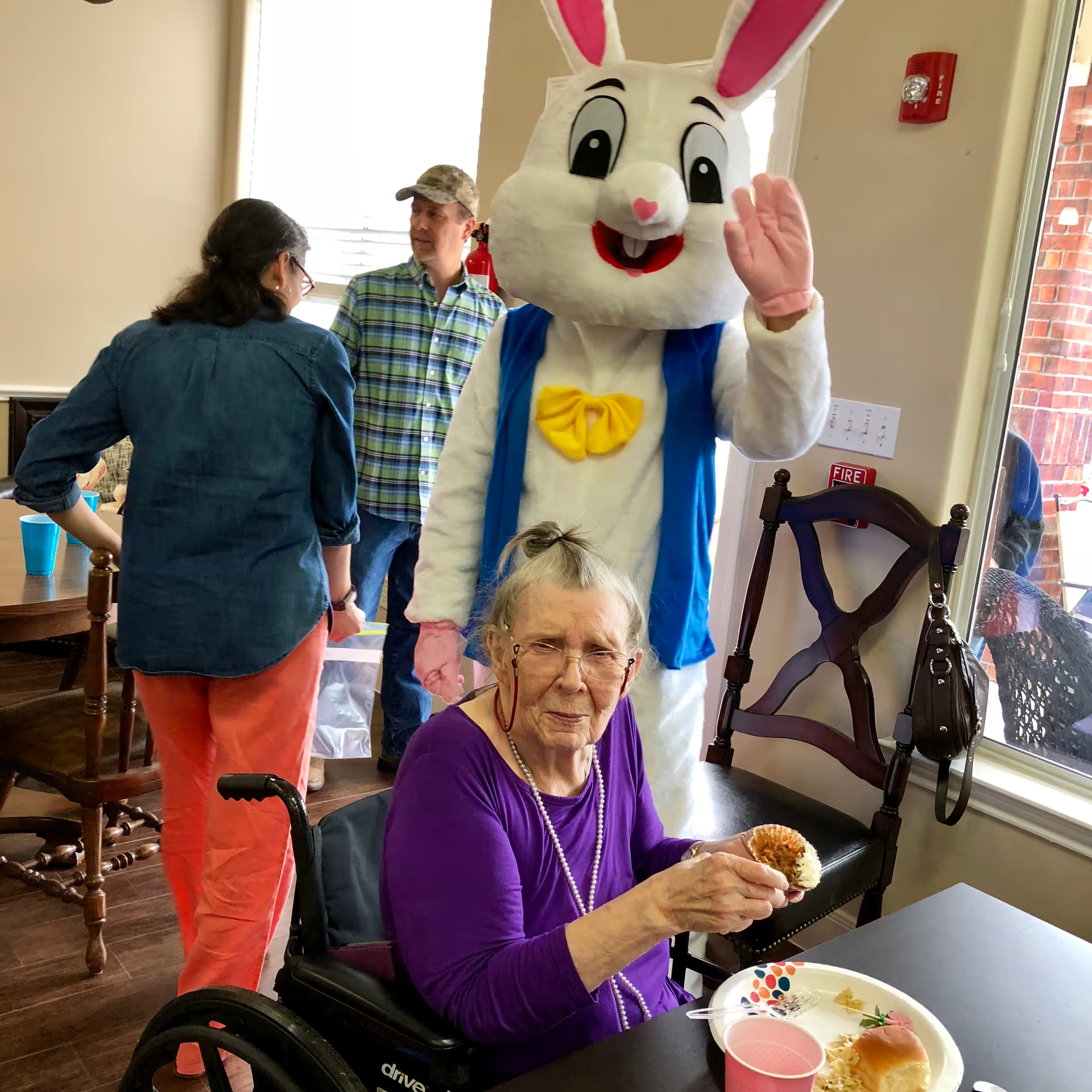
Staff culture and day-to-day caregiving are commonly highlighted as warm and family-like. Many accounts emphasize staff who know residents by name, engage in person-centered interactions, and provide supplemental therapies such as music and Montessori-based activities. Programming is broad and active — fitness classes, creative workshops, weekly outings, and tech-enabled experiences like VR are part of the activity mix — and these offerings appear to support social engagement, reduced loneliness, and meaningful routines for residents.
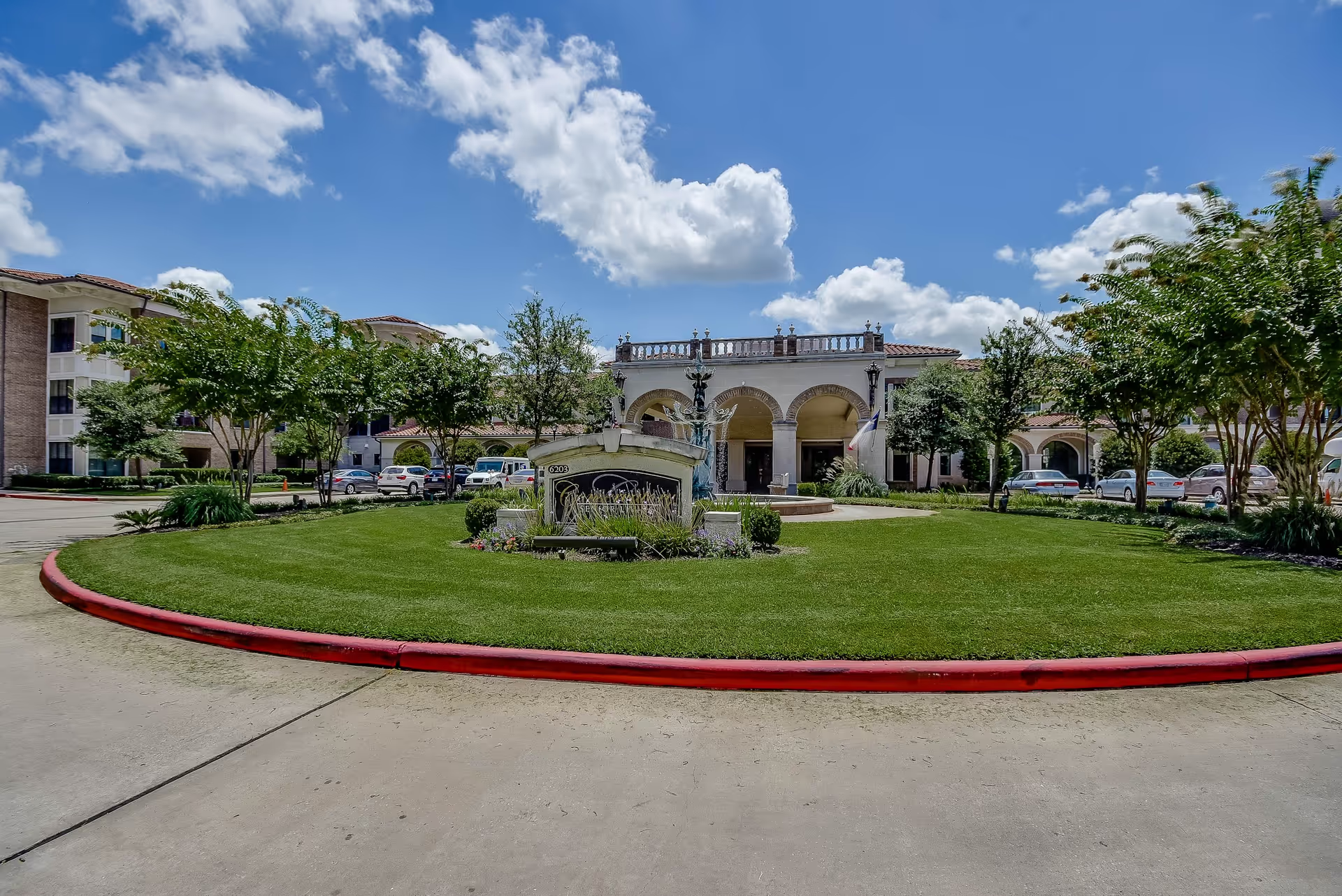
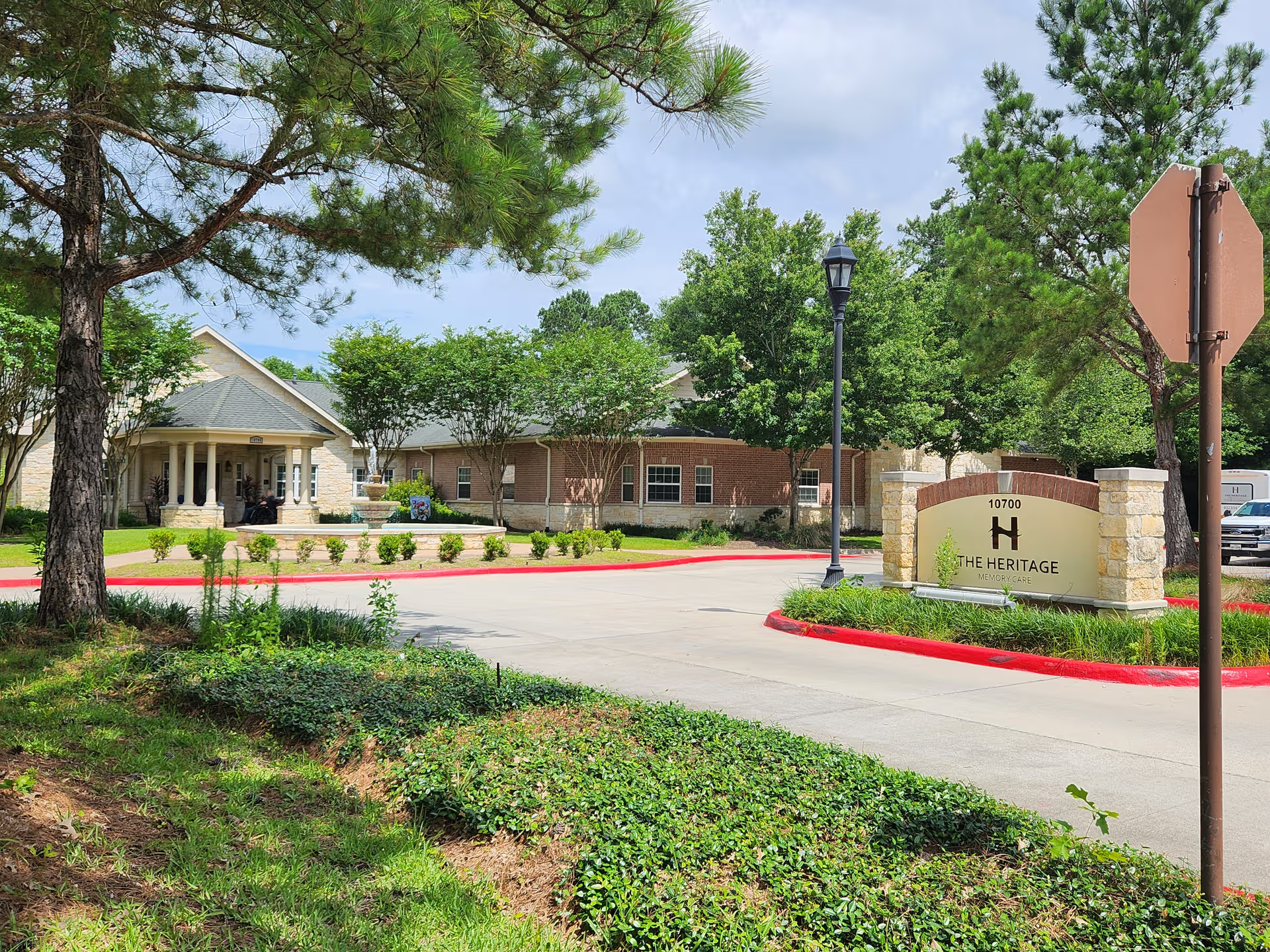
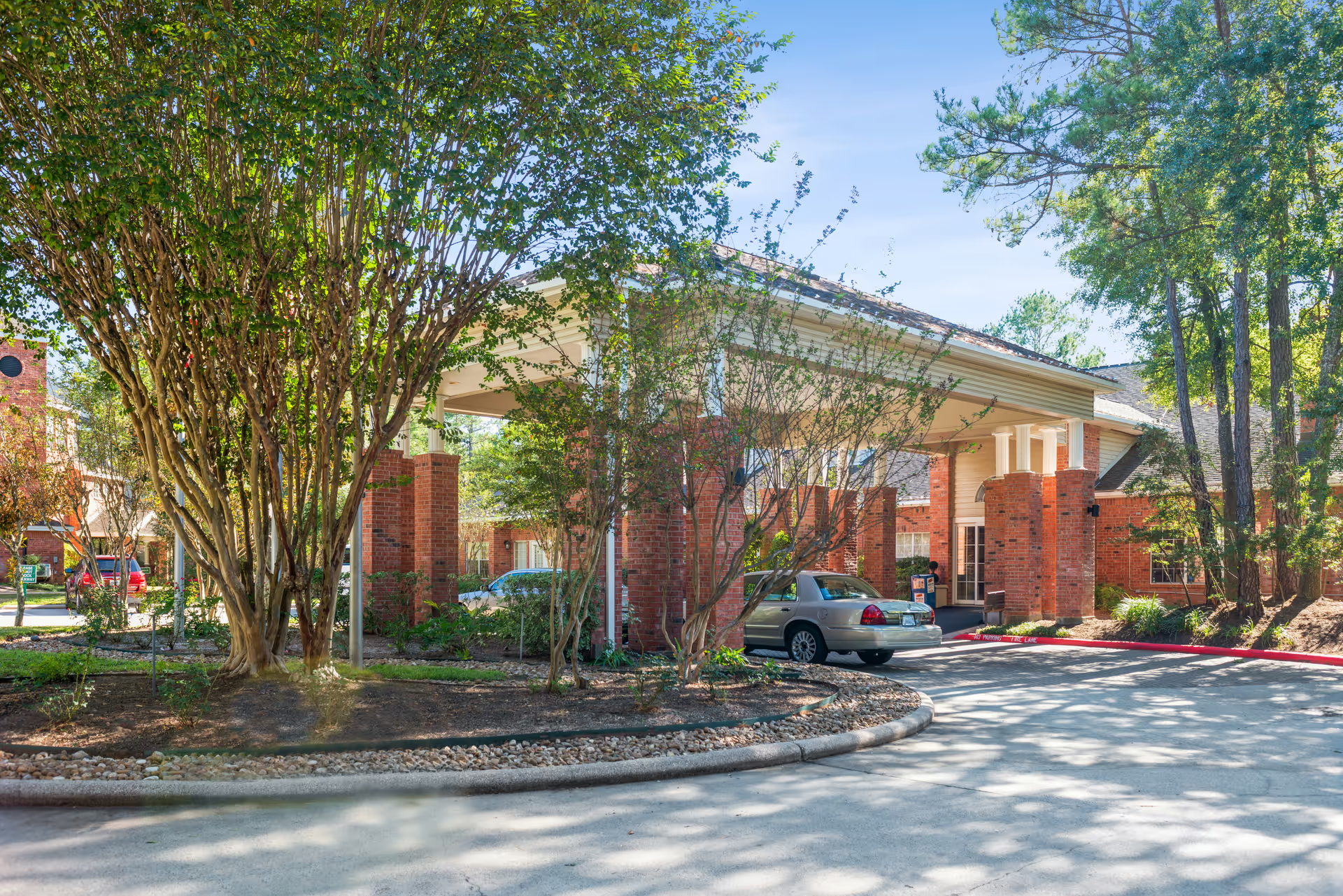
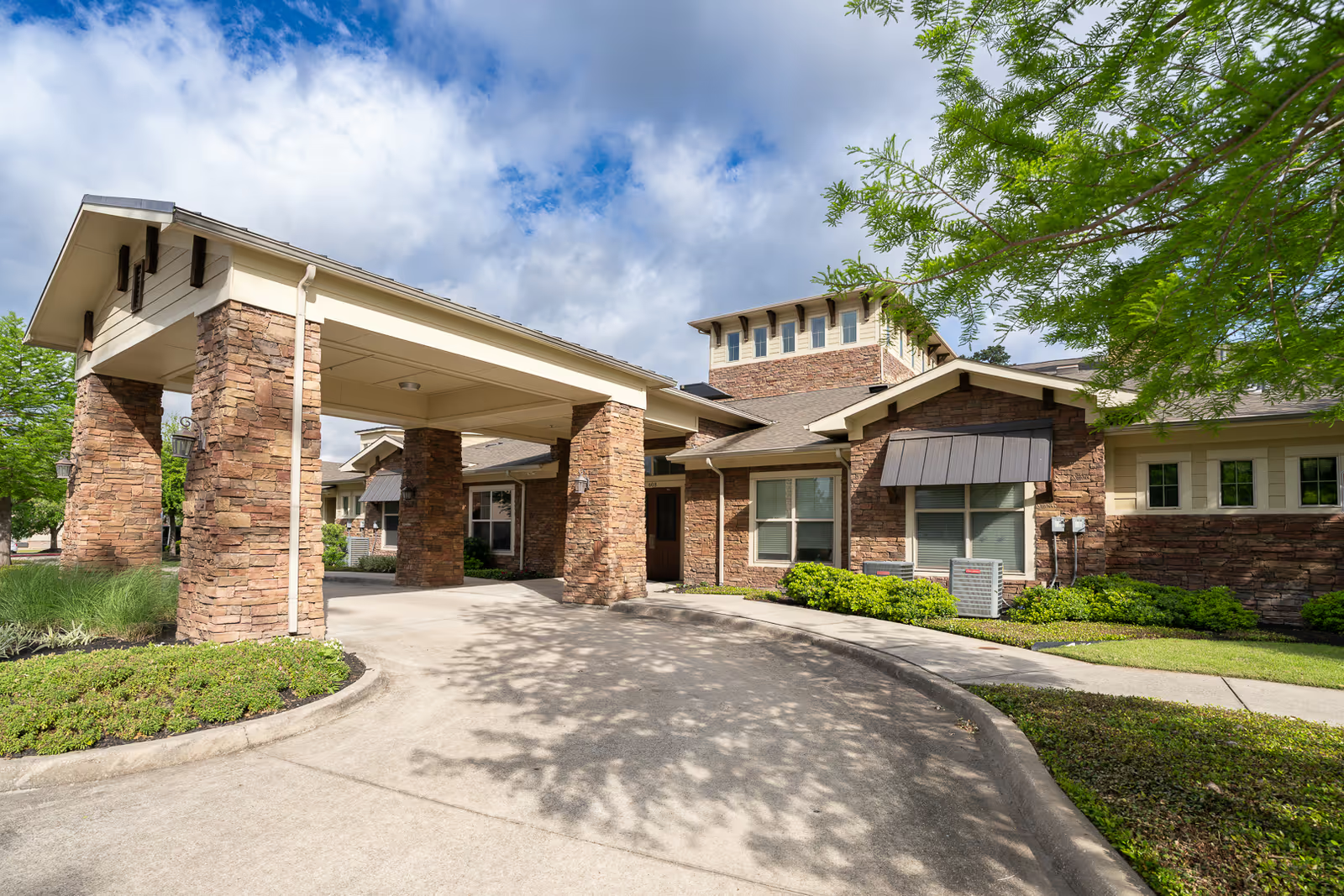
Dining and lifestyle amenities score positively for variety and quality. The community is described as offering restaurant-style meals, diverse menus including farm-to-table choices, respect for preferences, and a welcoming dining environment. Apartments and common areas are noted as spacious, thoughtfully designed, and resort-like; landscaping and pet-friendly policies contribute to an attractive campus feel. Admissions and transition processes are generally described as smooth, and families report peace of mind from safety features such as secured entrances and attentive front-desk support.
However, review patterns indicate operational and management concerns that may affect consistency of experience. Several reviewers described leadership turnover and a visible budget focus that correlated with rising staff turnover, perceived declines in some areas of care, and uneven caregiver continuity. There are recurring references to intermittent problems with meal-service continuity and unclear dietary staffing, as well as building maintenance and plumbing reliability issues that have impacted sanitation perceptions at times. Together these items suggest gaps in administrative oversight and in the execution of routine operations, producing variability in quality for some families.
Taken together, the prevailing pattern is one of strong clinical capability and a compassionate staff culture within a modern, well-appointed physical environment, but with identifiable organizational risks that create variability in day-to-day operations. Prospective families should weigh the clinical strengths and activity/dining offerings against the facility-level concerns about leadership stability, staffing continuity, and maintenance reliability. When touring or considering placement, useful follow-up topics include recent leadership tenure, staff turnover rates and staffing ratios, kitchen staffing and contingency plans for meal service, maintenance history and remediation of plumbing issues, and how management monitors and audits care-quality consistency.