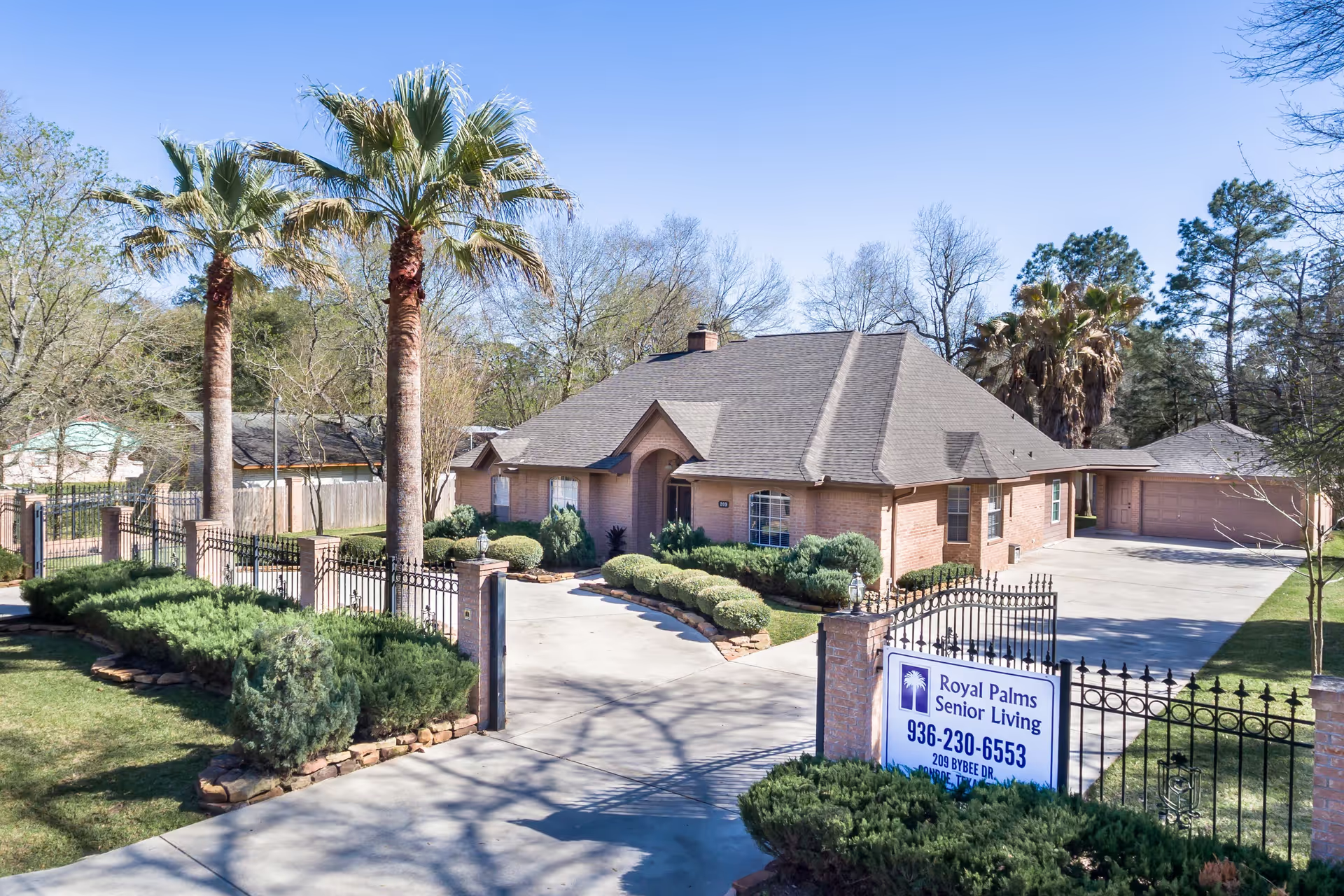
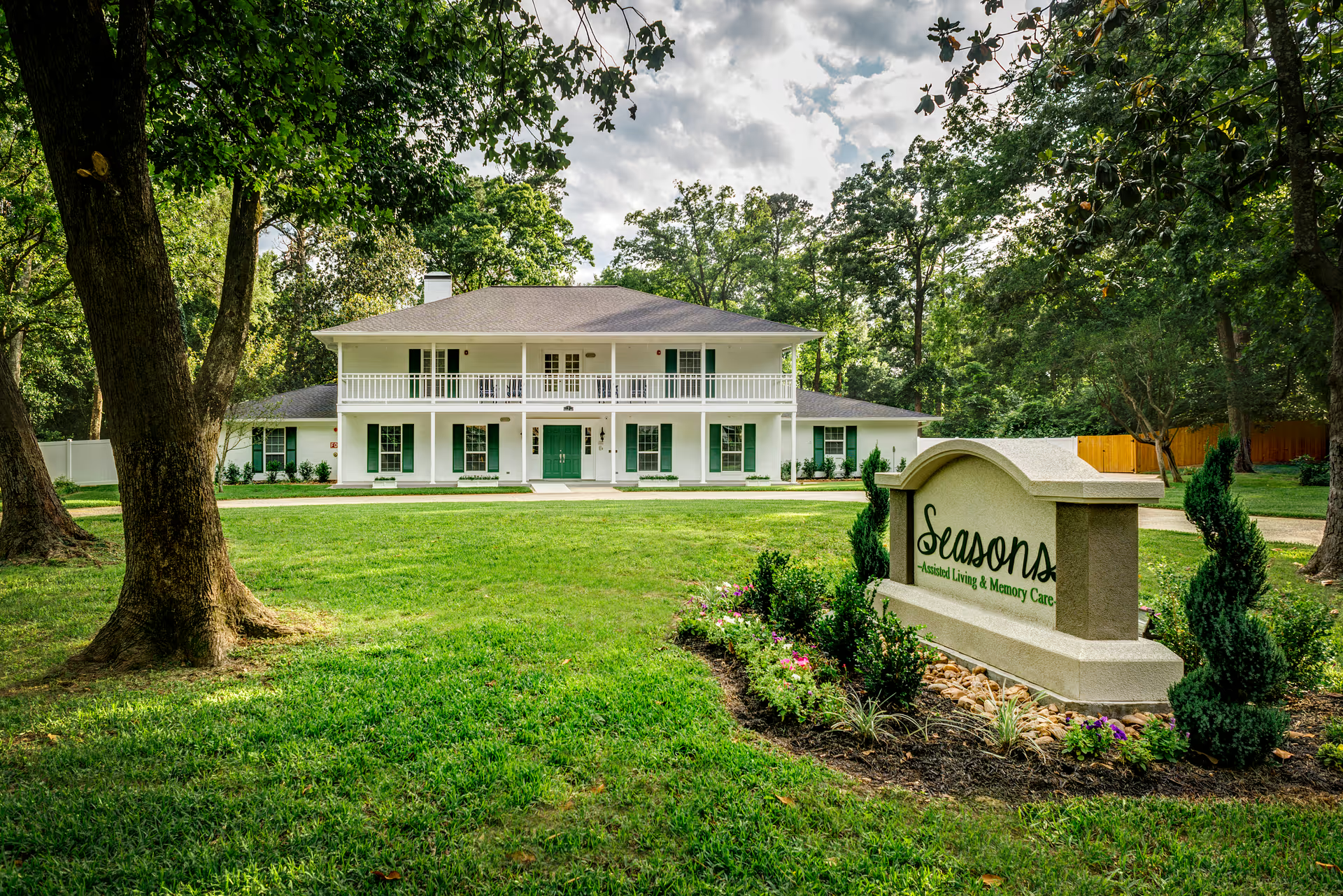
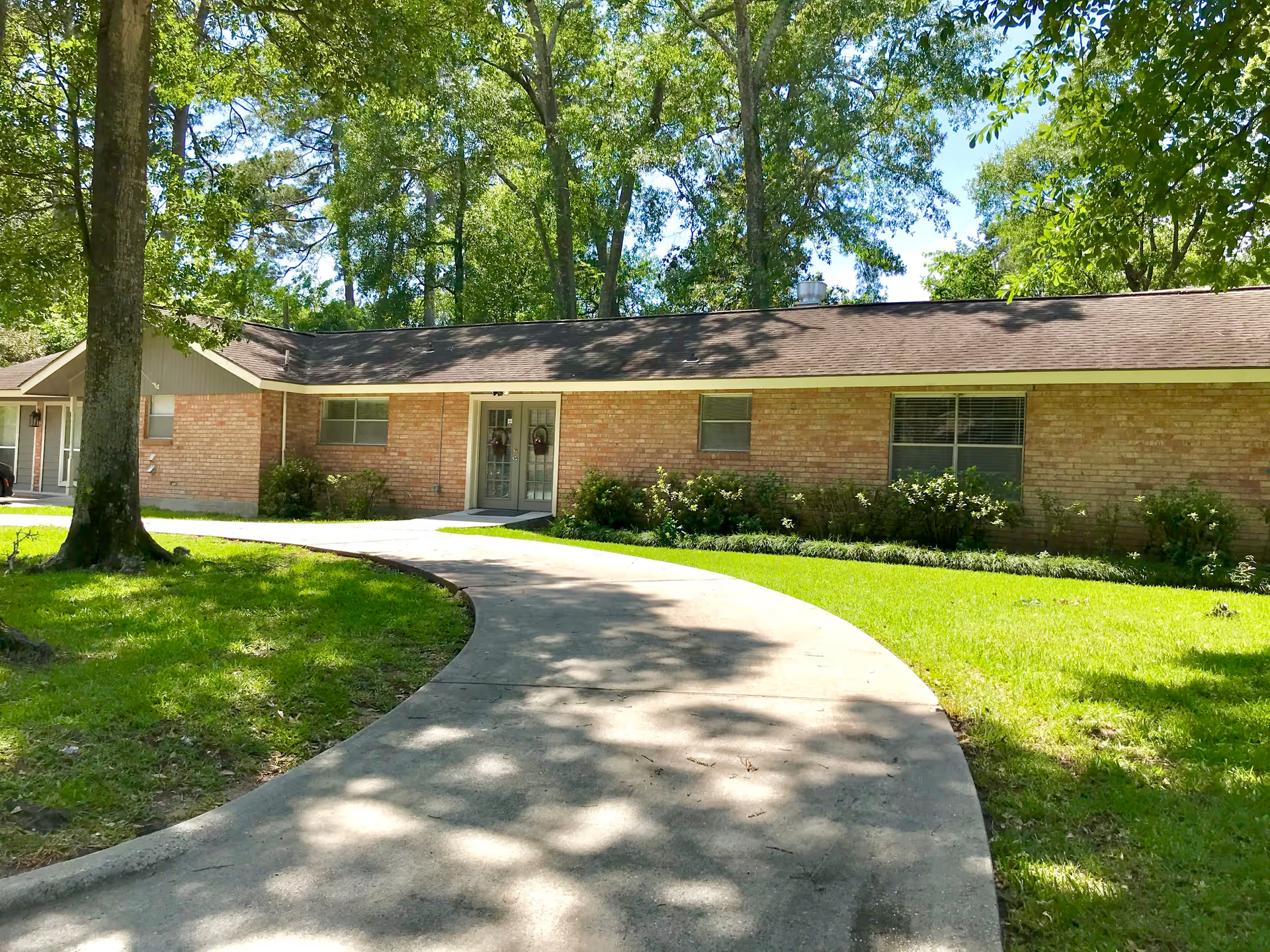
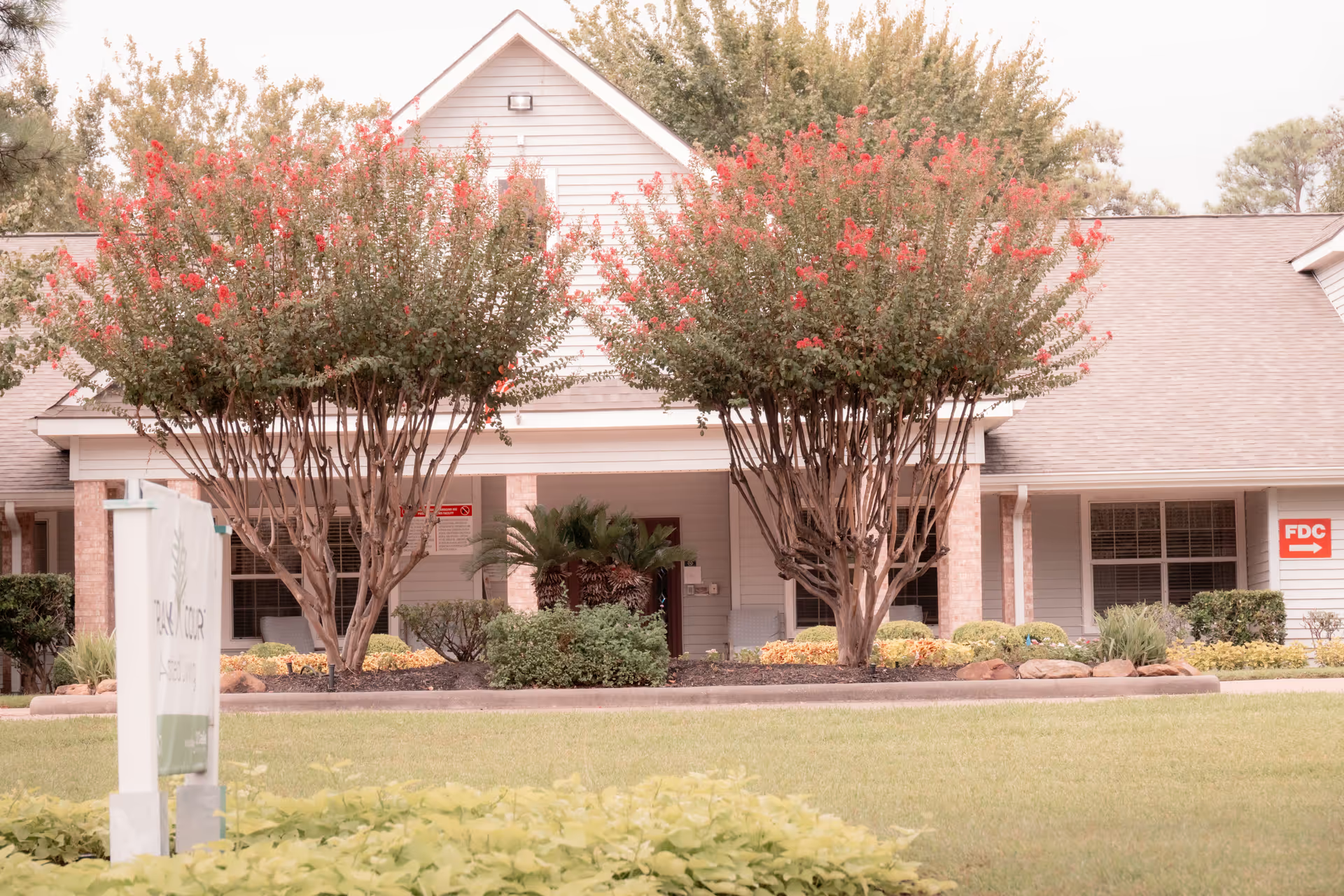
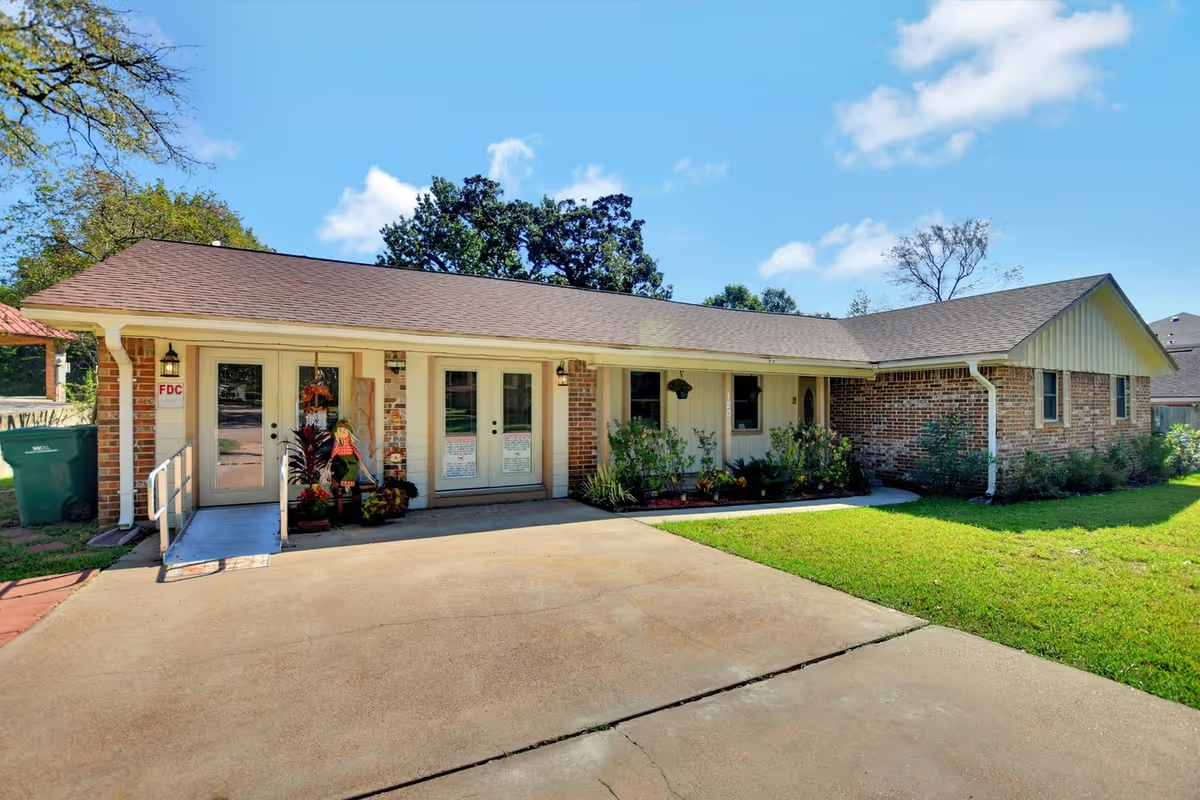
Sunrise Senior Care Home is presented consistently as a small, family-run assisted-living setting housed in a converted single-family residence. Multiple accounts describe a recently remodeled, clean facility with an open living and dining area, large private rooms, and well-kept grounds. The environment is described as homelike rather than institutional, with owners who are hands-on and communicate directly with families.
Care and staffing are generally characterized as attentive and compassionate, with reviewers noting personal attention, help with mobility and bathing, and improvements in resident demeanor and health in specific cases. At the same time, at least one account raises substantive concerns about staff training and capability for residents with significant cognitive or medical needs; this pattern suggests the facility is better suited to residents who require assisted living-level support rather than specialized dementia care or intensive medical/rehabilitation services.
Dining and services are frequent strengths in the summaries: homemade hot meals and snacks, three-meal service, housekeeping and laundry, beauty-parlor trips, and transportation to preferred destinations. The home also appears to offer a varied activity program—story time, movies, outdoor walks, Bingo, barbecues, games, and birthday celebrations—which supports social engagement for residents.
Management and ownership receive positive mention for personalized involvement, clear communication, and a family atmosphere. The small scale of the home contributes to close owner oversight and a homelike culture, but that same small scale limits on-site clinical resources and specialized programming. Practical considerations noted across summaries include shared-bathroom arrangements in some rooms and mixed perceptions of cost: some families described the rates as economical while others found pricing above their budget.
Overall, Sunrise Senior Care Home appears to offer a warm, well-maintained, family-oriented assisted-living option with strong social programming and home-style meals. Prospective residents and families should assess clinical needs carefully: verify staff training in dementia care and medication management, confirm the availability of rehabilitation or clinical services if needed, review bathroom arrangements for chosen rooms, and obtain a clear, written cost estimate to ensure the facility’s scope of services and pricing align with the resident’s care requirements.