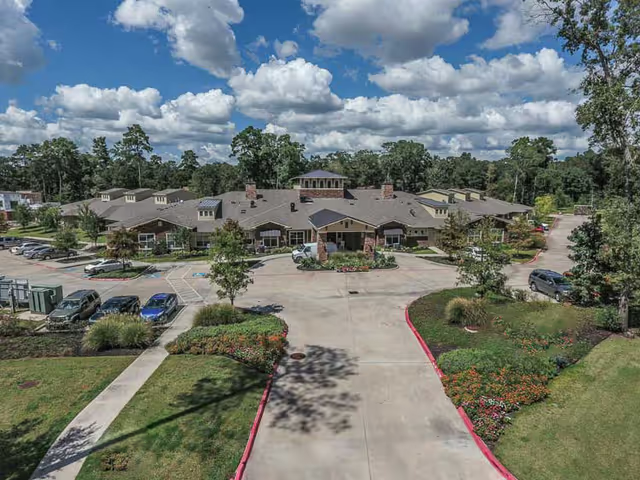
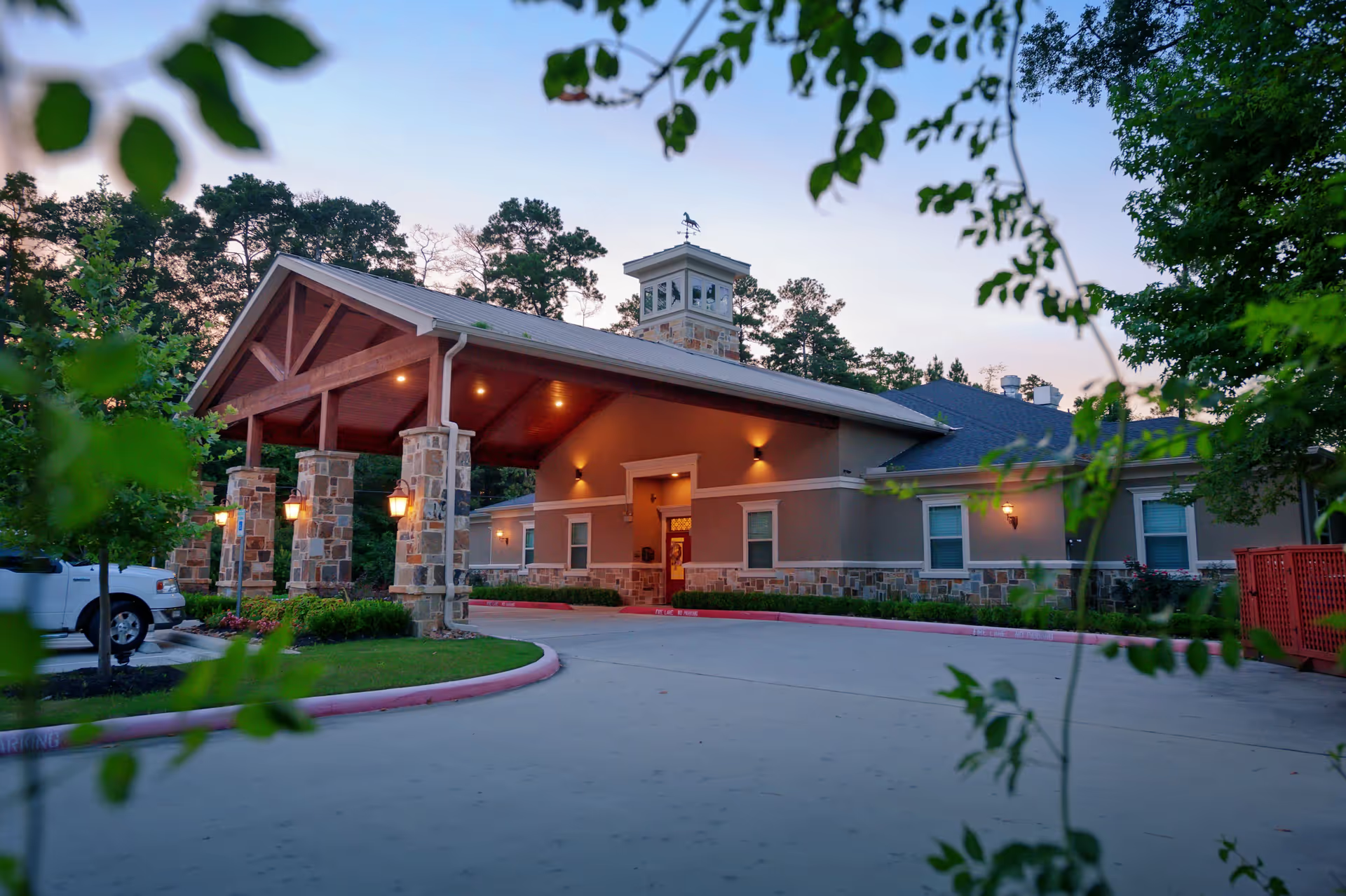
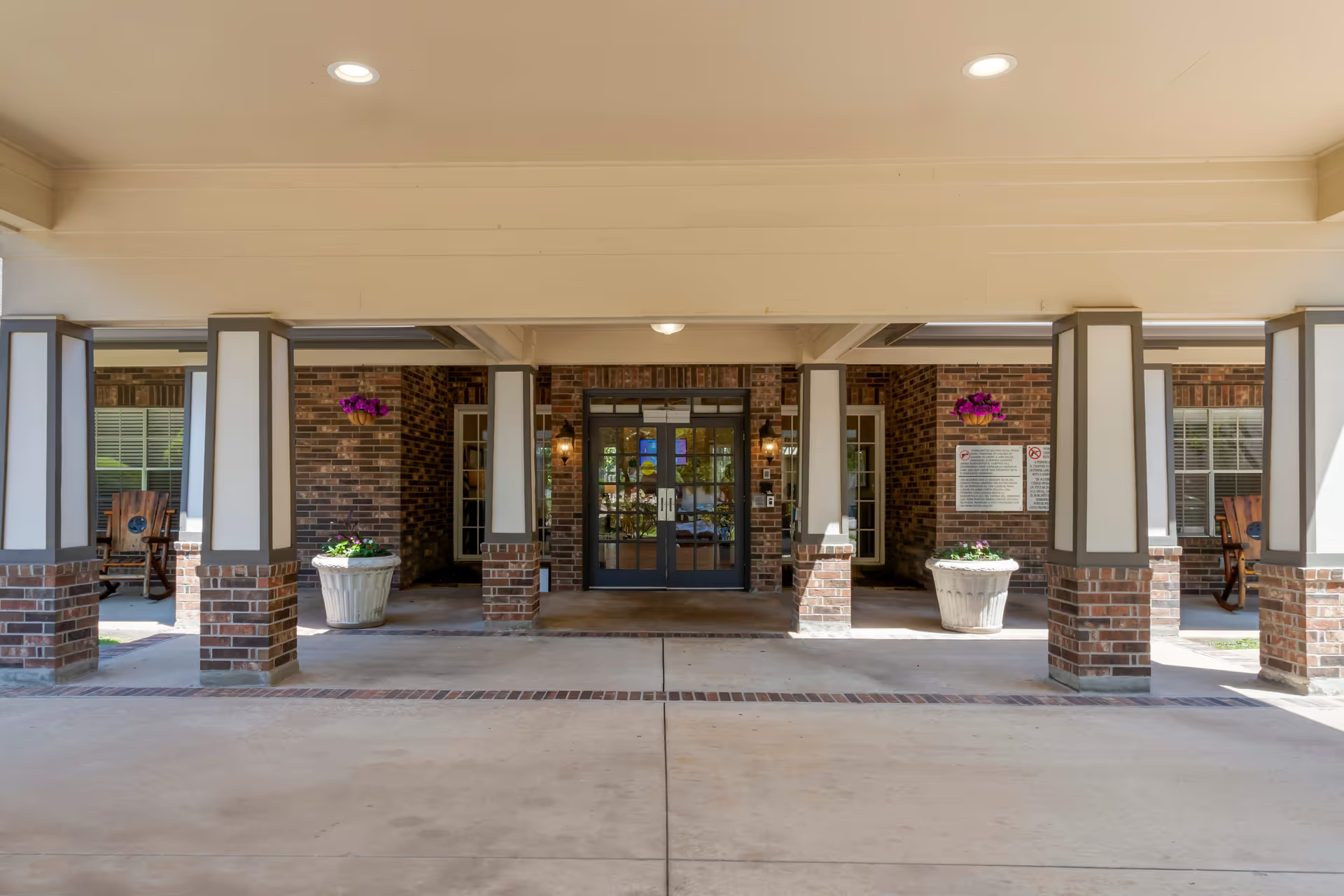
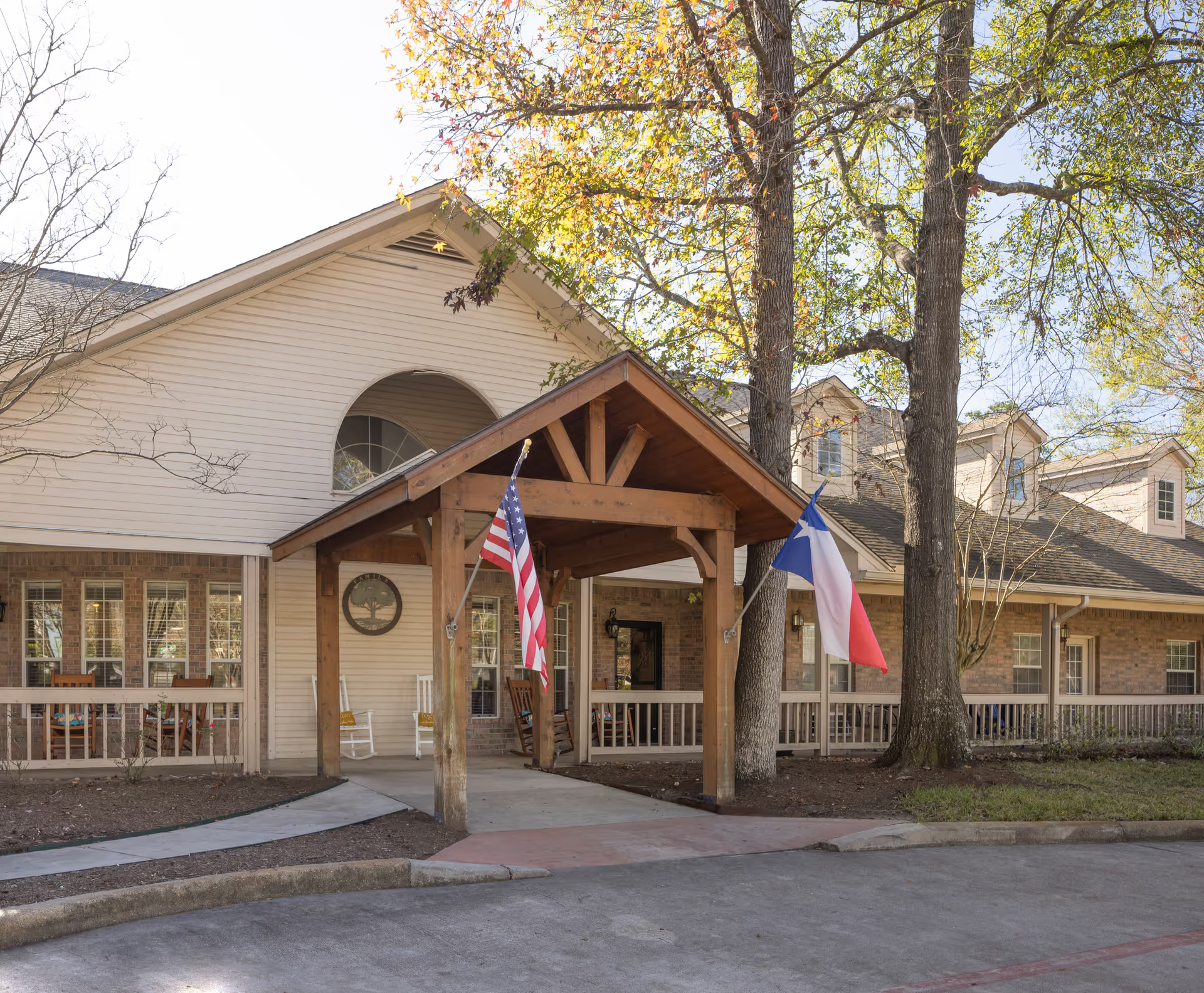
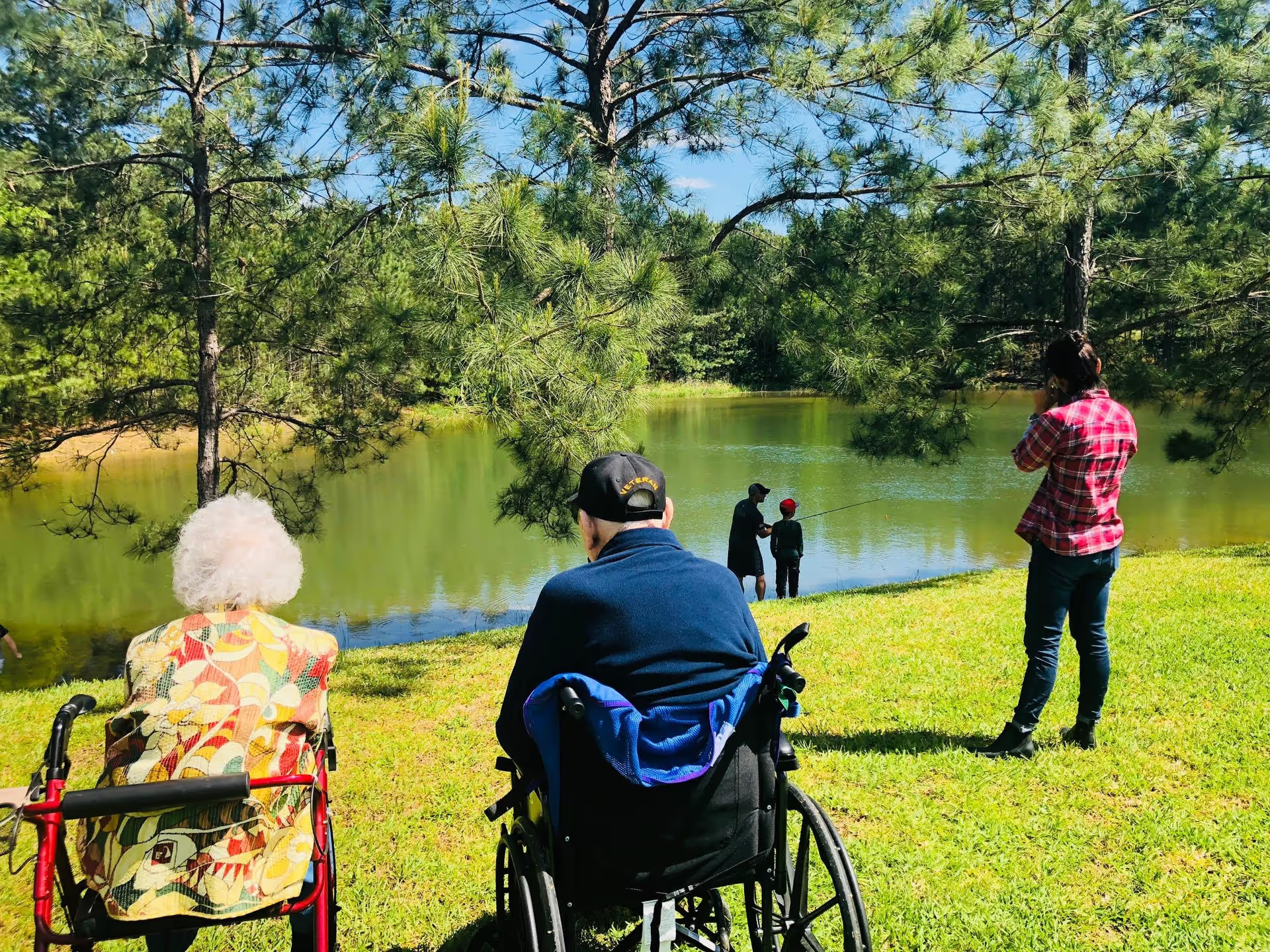
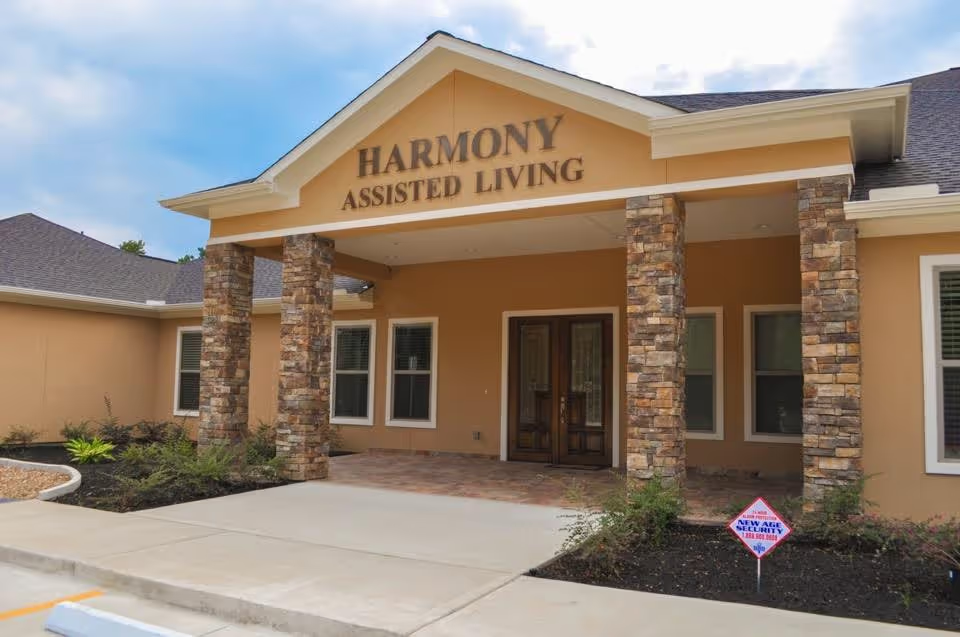
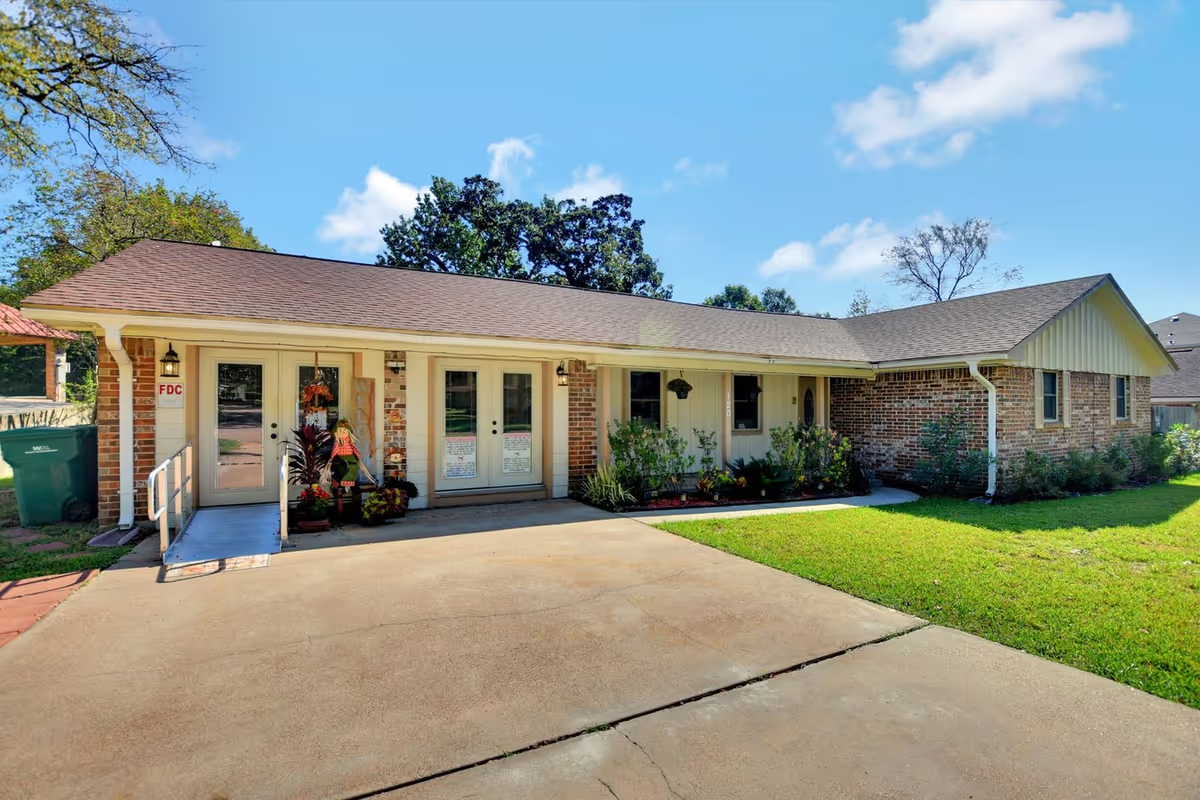
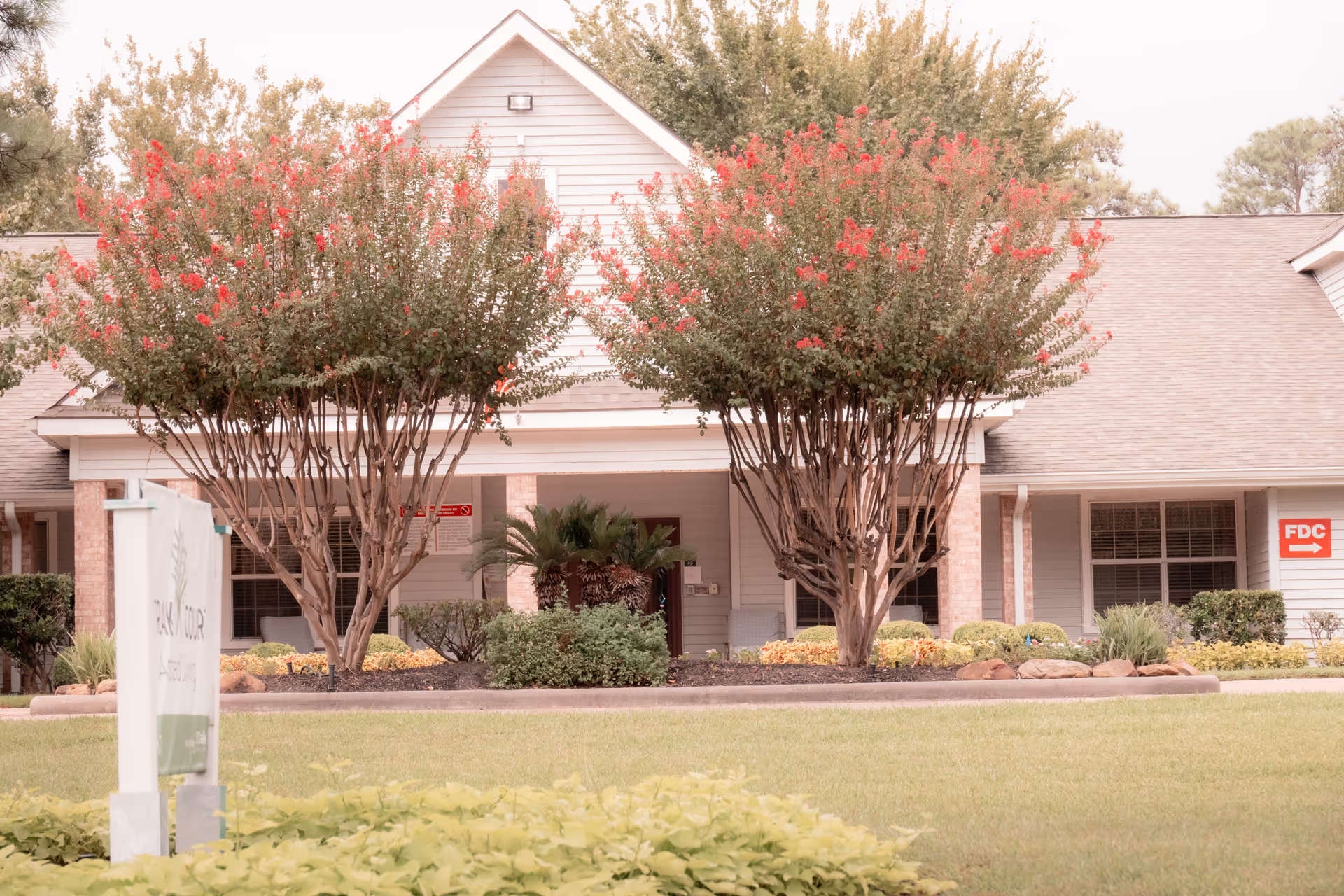
Woodhaven Village presents as a large, well-appointed senior community with visible strengths in caregiving, activities, and campus amenities. Reviewers frequently highlight compassionate, attentive staff members and several named employees and directors who provided hands-on support. The community supports multiple levels of care — independent living, assisted living, and a designated memory-care neighborhood (Whispering Pines) — and families commonly cite effective end-of-life and hospice partnerships. Grounds, common areas, and in-unit features such as modern appliances and private bathrooms are described as clean and well maintained, and there is a robust schedule of social, cultural, and recreational programming that contributes to a family-like atmosphere.
Care quality is commonly praised for its compassion and personal attention: staff are described as going above and beyond, engaging residents in activities, and providing attentive assistance during illness and end-of-life. Memory care and hospice support receive positive remarks for responsiveness and resident engagement. At the same time, a recurrent pattern in the feedback is variability in caregiver skill and consistency; reviewers describe a mix of very capable staff and less experienced or inconsistent caregivers. Several families also noted high turnover and episodes of understaffing, particularly in assisted living and memory-care shifts, which can affect continuity of care.
Dining and activities are central to resident life here. Many reviewers praise restaurant-style dining, varied menus, desserts and special-event meals, as well as active calendars including live music, outings, games, and creative programs. However, dining quality is not uniform across accounts: while some families describe restaurant-quality meals, others describe a decline in food quality or prepare expectations that were not met. The facility offers a wide array of amenities — gym, movie room, cottages with garages and yards, patio gardens, and plans for a pool — which support an active lifestyle but also introduce logistical considerations for residents who live in outlying cottages and must travel to the main building for meals and activities.
Management and operational patterns are mixed. Many reviewers commend visible leadership, responsive administrators, and staff who communicate well during health events, including strong performance during the COVID-19 period. Conversely, there are notable operational concerns that prospective families should evaluate: deposit and waiting-list practices that felt inconsistent to some families, expectation-management differences between marketing and on-site experience, and instances of limited administrative follow-up after bereavement. A specific operational issue raised relates to privacy and surveillance policies — the presence and use of in-room cameras and the use of footage in staff critique — which some families found problematic and warrants direct clarification during a tour.
In sum, Woodhaven Village offers substantial positives: a caring resident community, comprehensive programming, multiple care levels, and well-maintained facilities. At the same time, variability in staffing consistency, periodic understaffing, some dining-quality inconsistency, cost and contract inflexibility, and privacy-policy questions are recurring themes. Prospective residents and families would benefit from targeted questions at tour and contract negotiation: inquire about current staffing ratios (especially overnight and memory-care shifts), staff turnover rates, camera and surveillance policies, meal-plan flexibility and sample menus across multiple days, deposit/refund policies, and how leadership handles family communications after critical events. Observing a meal service, meeting memory-care staff, and reviewing written policies will help align expectations with the community’s operational realities.