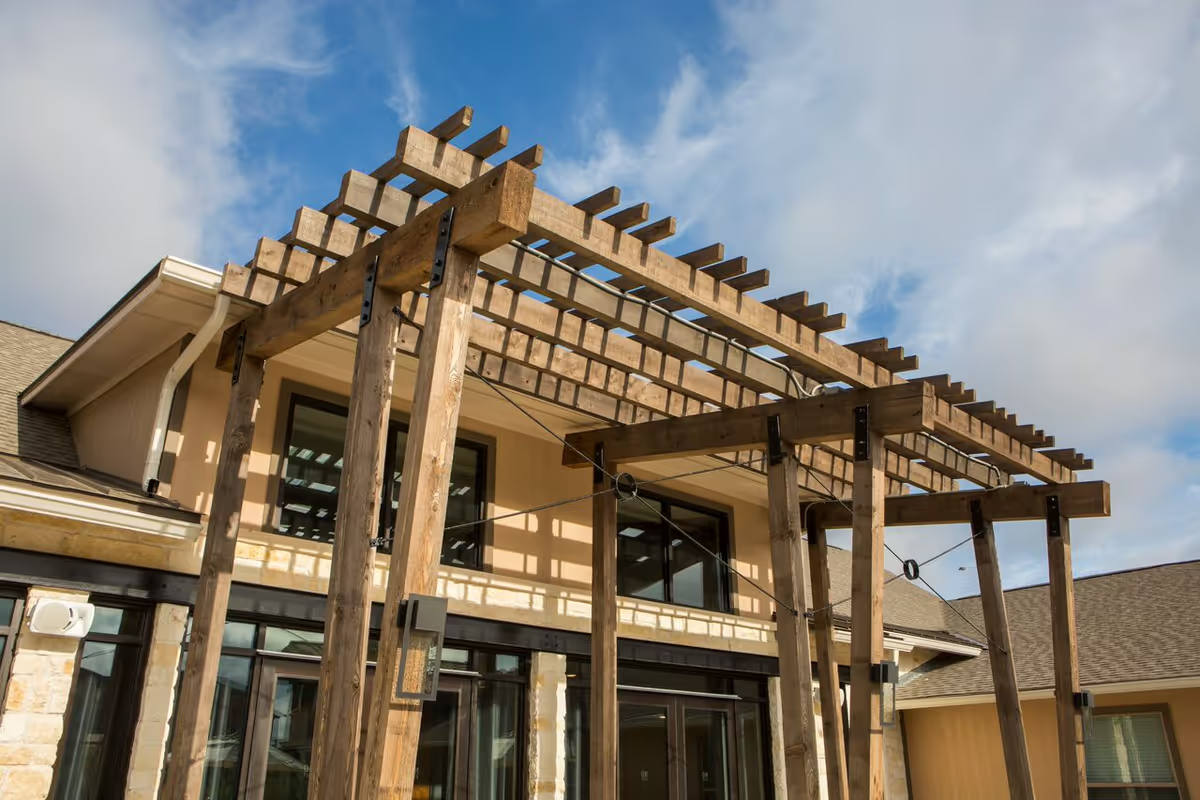
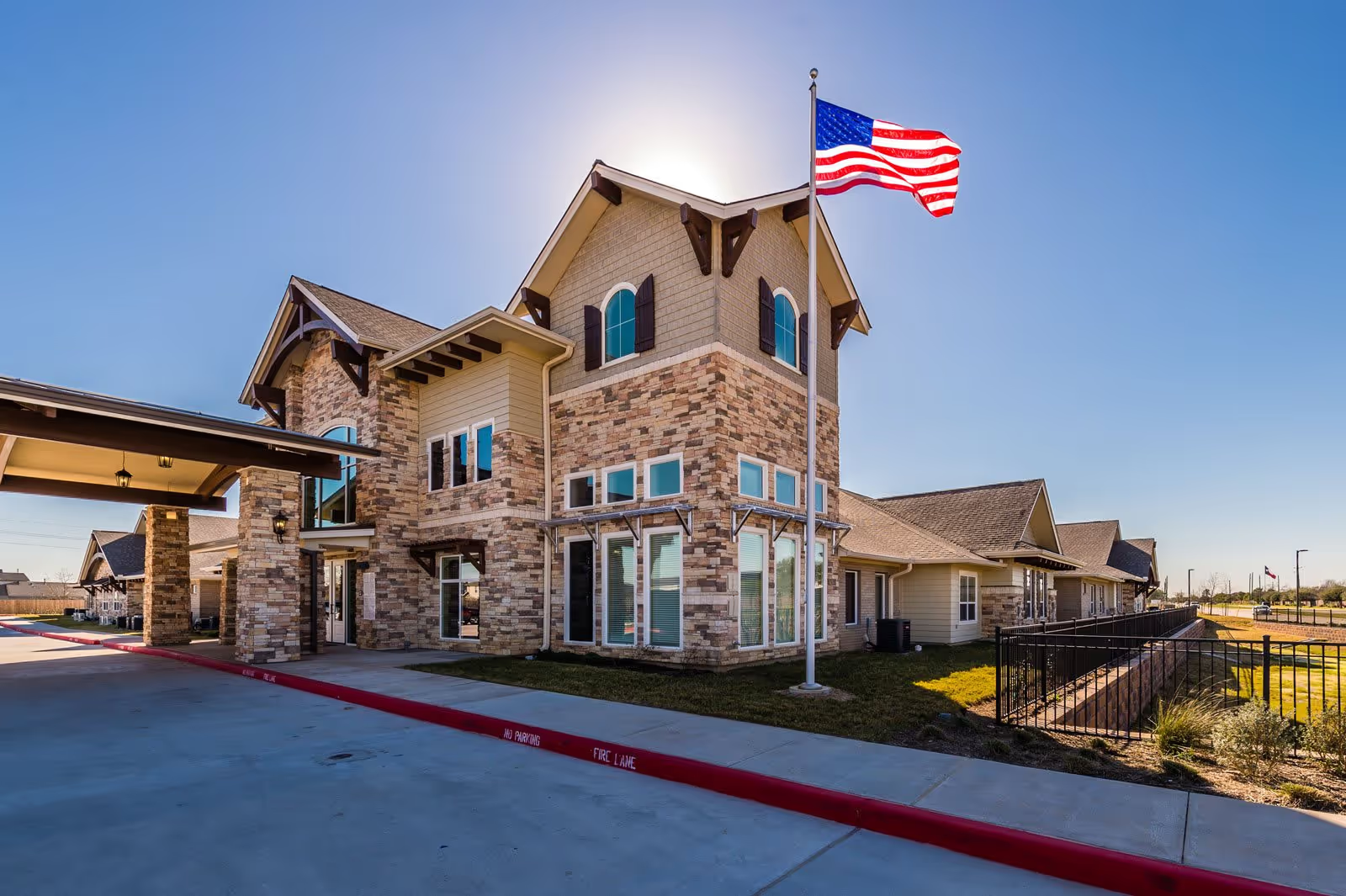
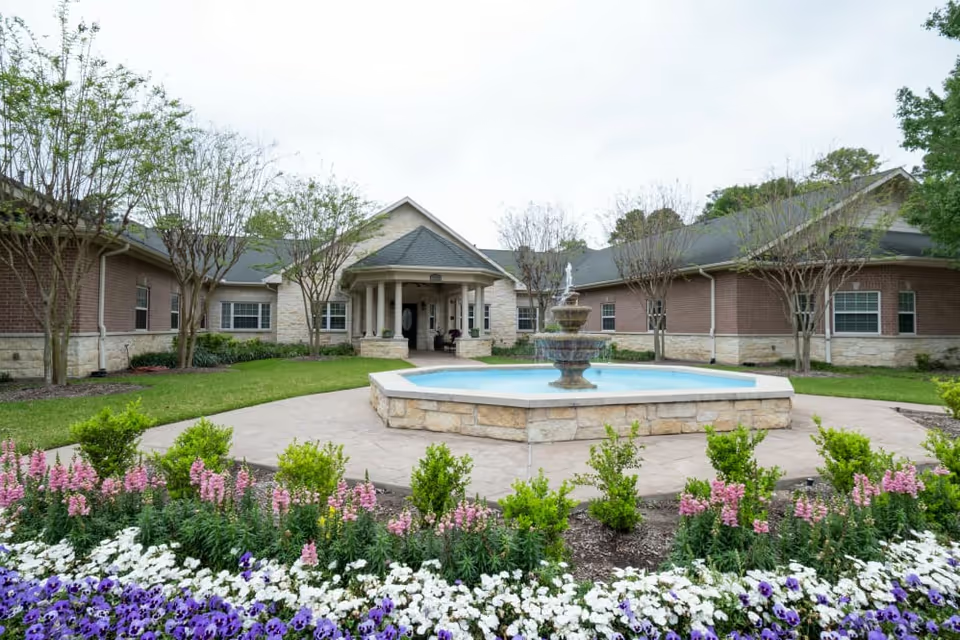
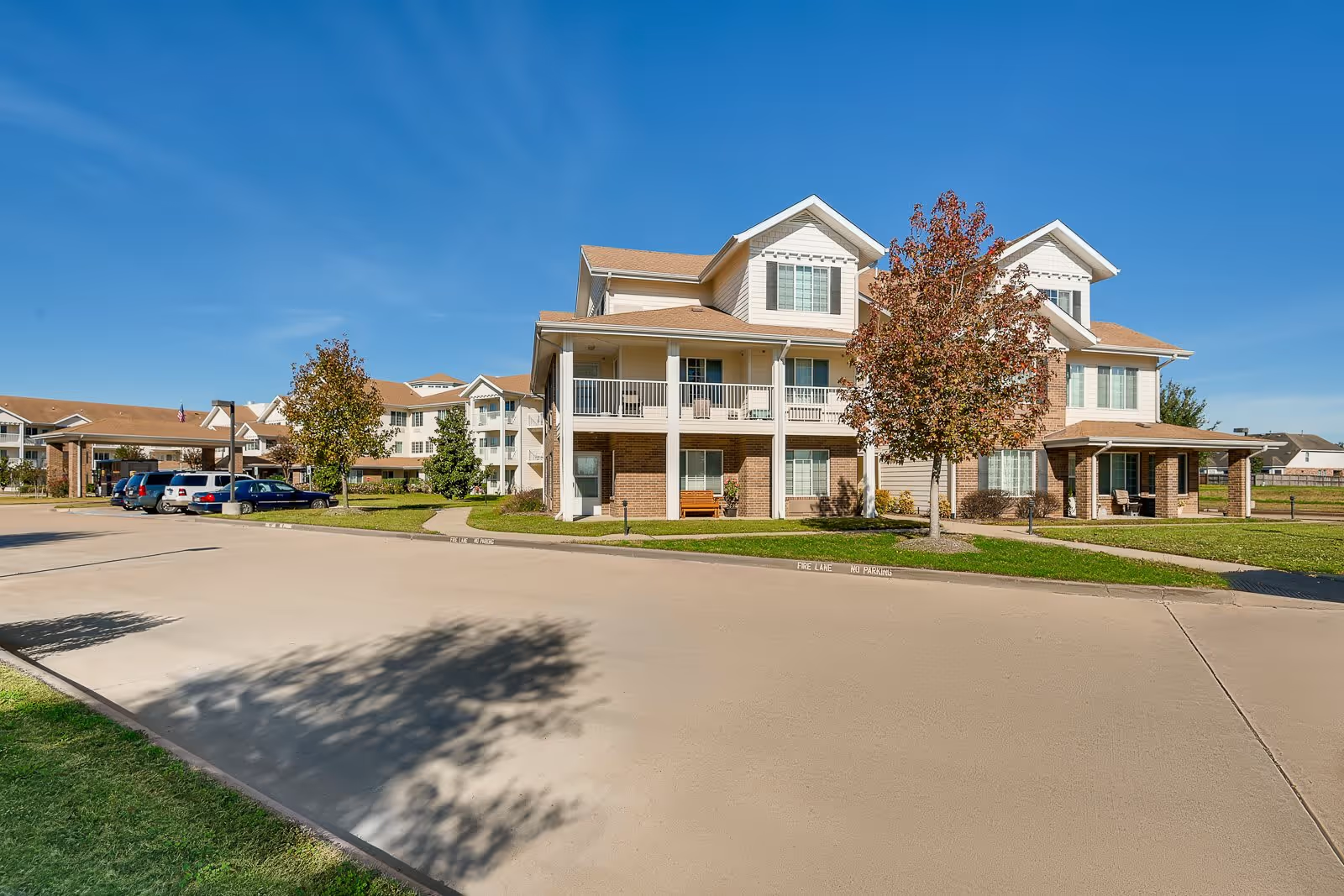
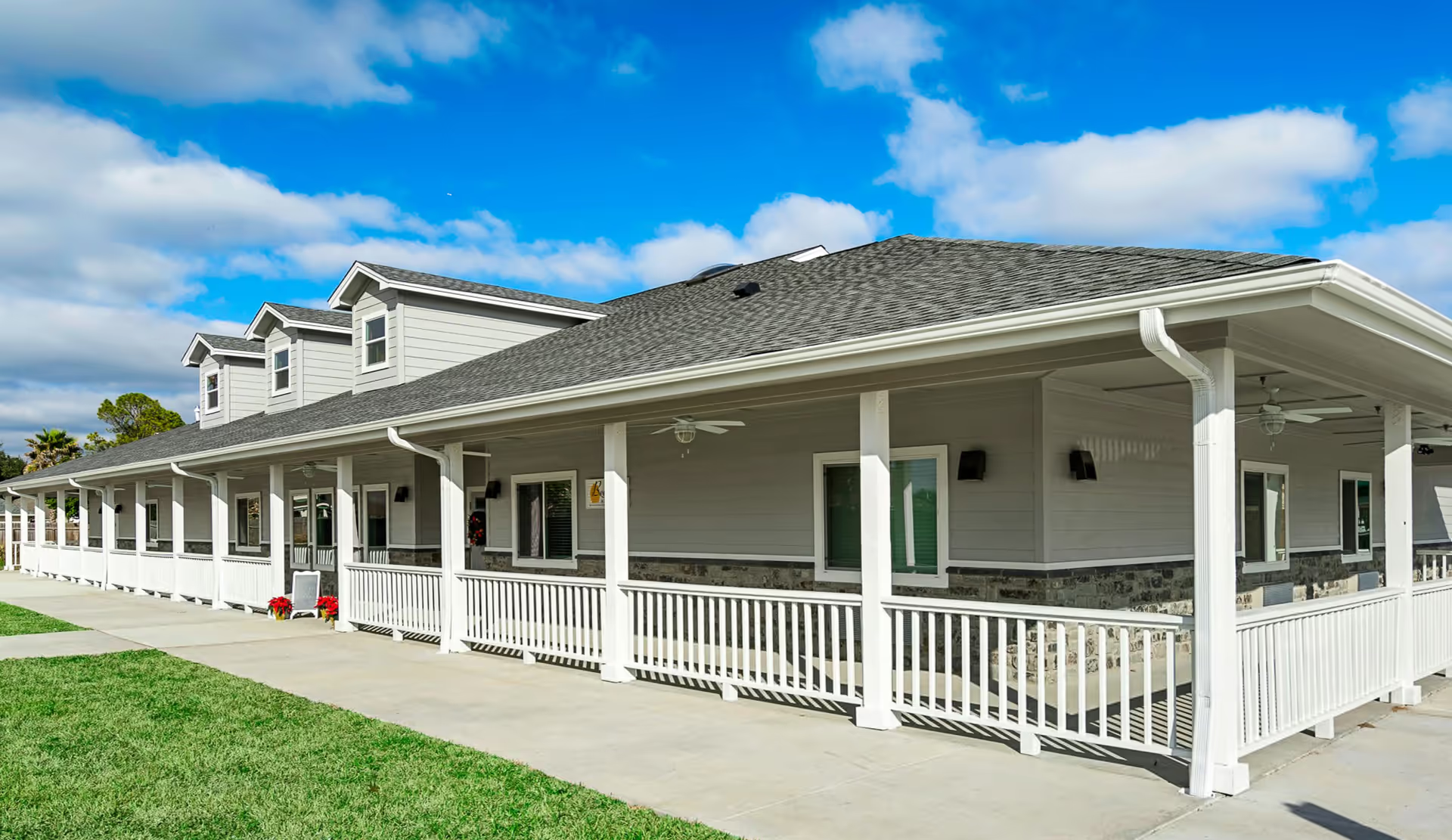
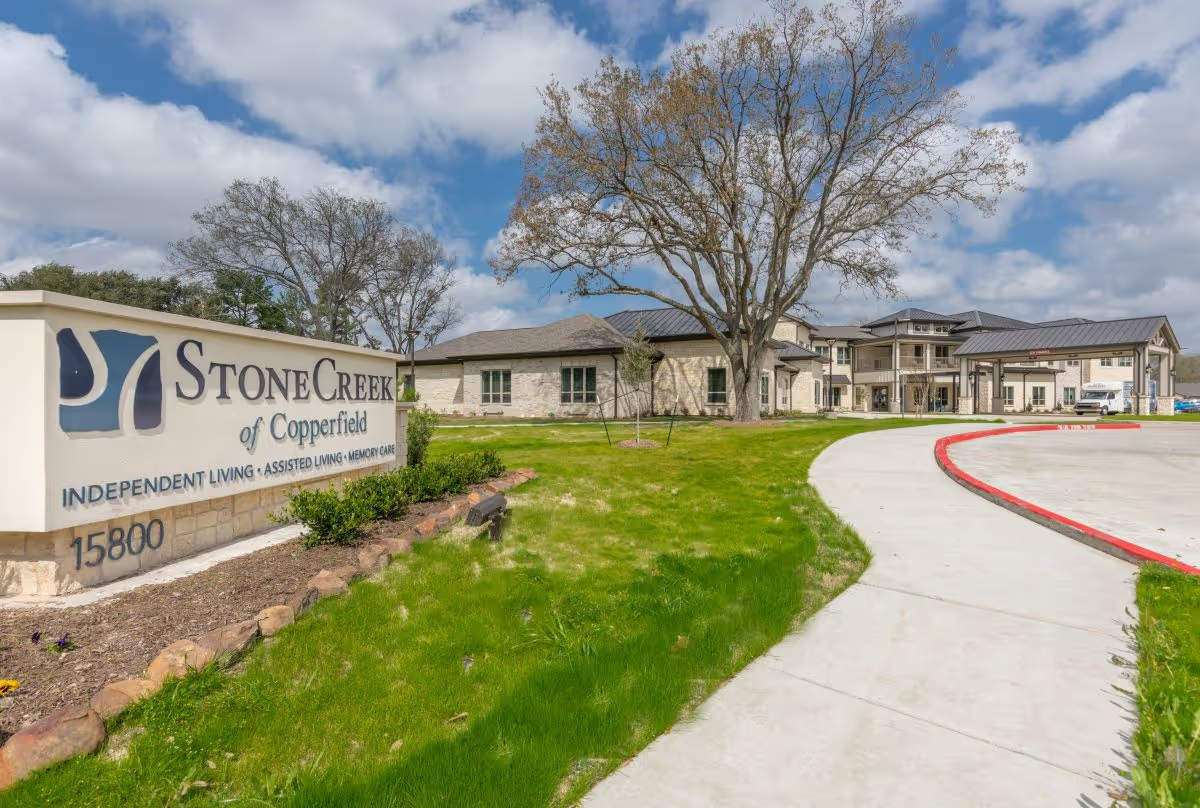
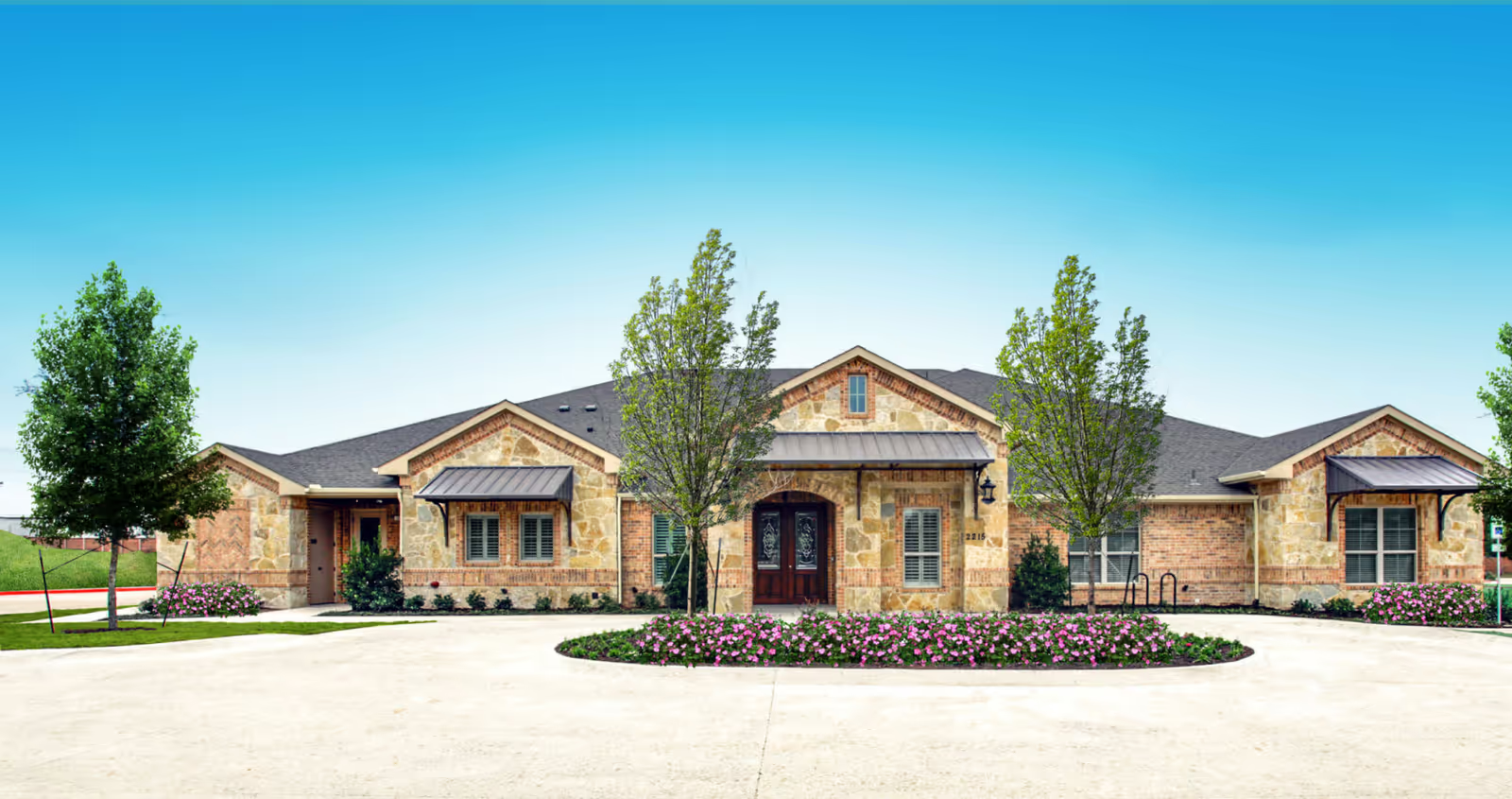
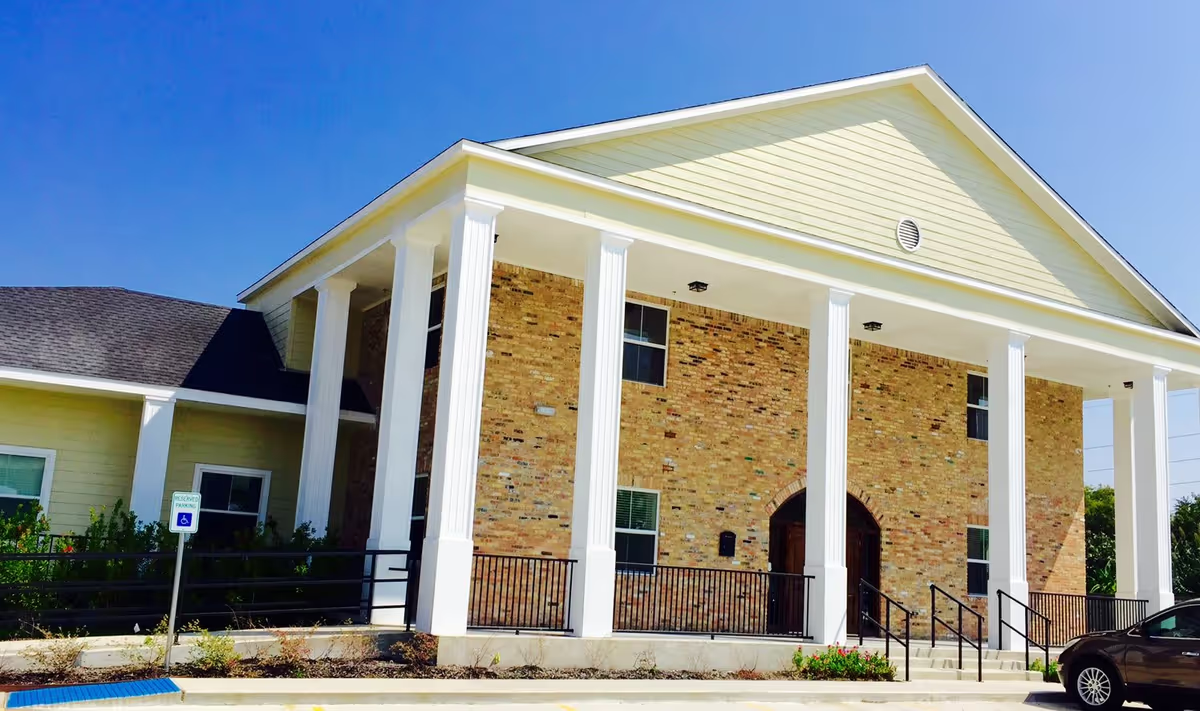
The Towne Care is frequently described as a facility with a clear focus on dementia and Alzheimer’s care. Families often note staff who are attentive and emotionally engaged, and several comments highlight memory-care approaches such as Montessori-based techniques and structured therapeutic programs (music therapy, painting, cooking). The campus amenities — including garden and village-style common areas, a bright open environment, an outdoor atrium, and comfortable private rooms — contribute to a setting that many residents and visitors find pleasant and welcoming.
Care quality observations show a mix of strengths and concerns. Strengths include personalized attention, daily communication with families, and staff who are willing to assist beyond baseline expectations. Medication administration and responsiveness from certain caregiving staff received positive mention. However, recurring operational issues appear to affect consistency of care: staffing levels and turnover are cited as ongoing challenges, and there are specific concerns about gaps in overnight nursing coverage and the facility’s ability to maintain continuous clinical oversight. Prospective families should verify current staffing ratios and nursing schedules during a visit.
Dining and activities are areas of mixed feedback. The facility has an in-house cook and multiple residents praise specific meals and balanced menus; therapeutic and social activities such as large-screen movies, arts, and music are also noted as meaningful. At the same time, other accounts describe variable food quality and spotty activity staffing that leaves programming inconsistent. Activity offerings and their regularity appear to depend on staffing availability and the priorities of the activities director, so confirmed schedules and examples of recent programming are recommended.
Facilities and housekeeping generally receive positive comments for cleanliness and maintenance, with pleasant communal spaces and an overall tidy appearance. Contrasting comments, however, mention lapses in housekeeping services such as inconsistent linen changes and cleaning coverage when staffing is limited. Noise control — for example, door slamming near service or trash areas — has been identified as a disturbance that can affect resident sleep; families may wish to inspect room placement relative to service areas and inquire about mitigation plans.
Management and administrative patterns show both strengths and weaknesses. Several families praise supportive managers and smooth admissions, while others cite slow or insufficient managerial follow-up and weak responsiveness to specific requests. There is also a practical operational concern about tipping and app-based payment practices that some reviewers found confusing; clarify billing, gratuity policies, and app charges during pre-admission discussions. Additionally, one review referenced a regulatory action after a clinical incident; given the implications for safety practices, families should ask about recent inspections, corrective actions, and current incident-response protocols.
Overall, The Towne Care presents as a facility with strong dementia-care programming, compassionate caregiving culture, and appealing physical amenities, tempered by operational inconsistencies tied mainly to staffing, activity continuity, dining variability, and housekeeping reliability. Recommended next steps for prospective residents and families are to tour during activity times, request current staffing and nurse-coverage information (including night shift RN presence), sample meals, review housekeeping schedules, ask for recent inspection reports, and confirm billing/tipping procedures to ensure alignment with expectations.