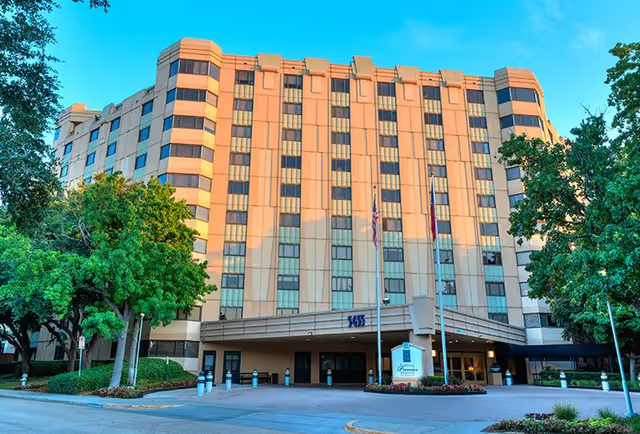
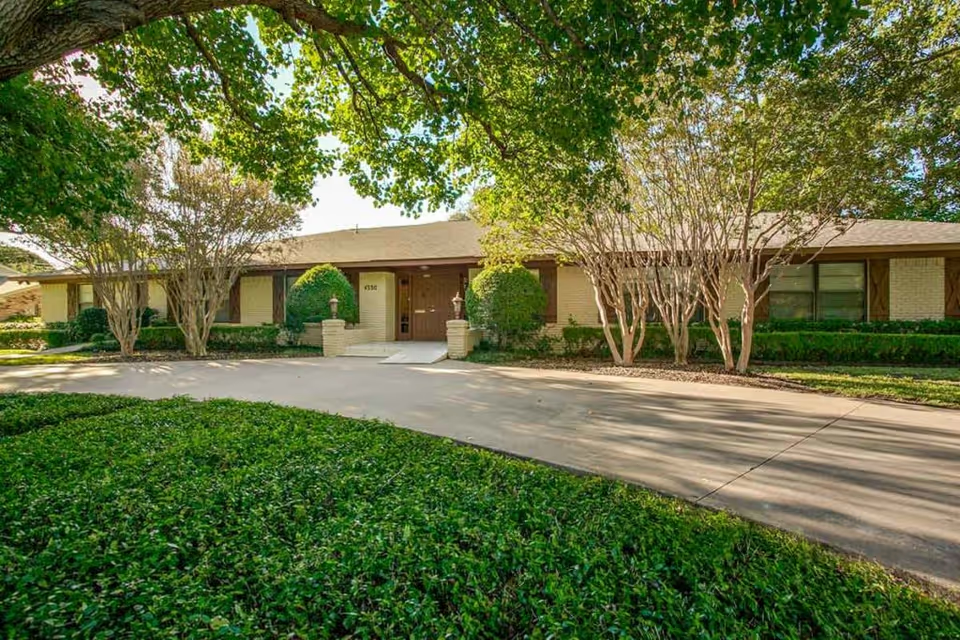
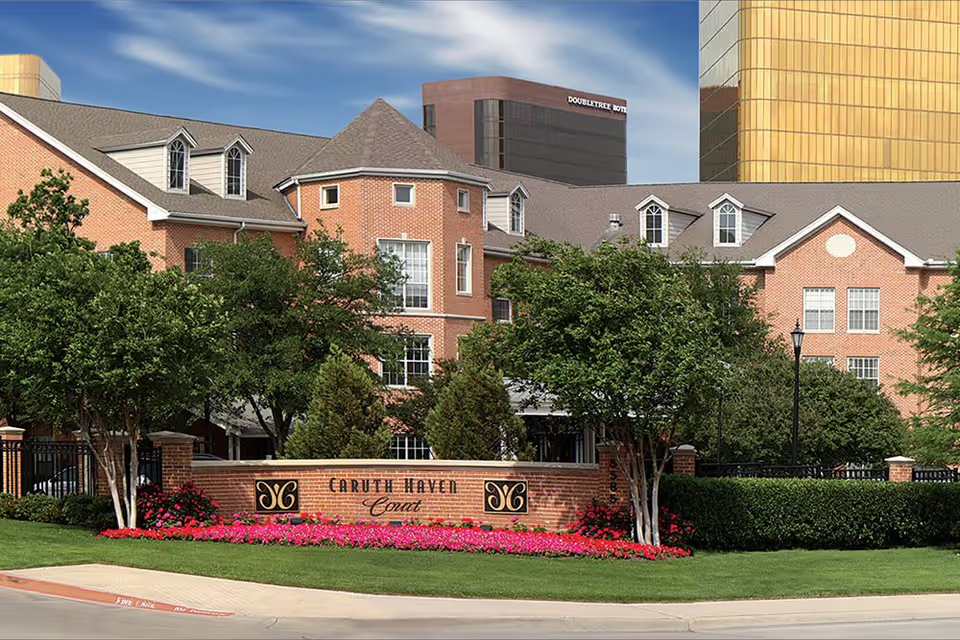
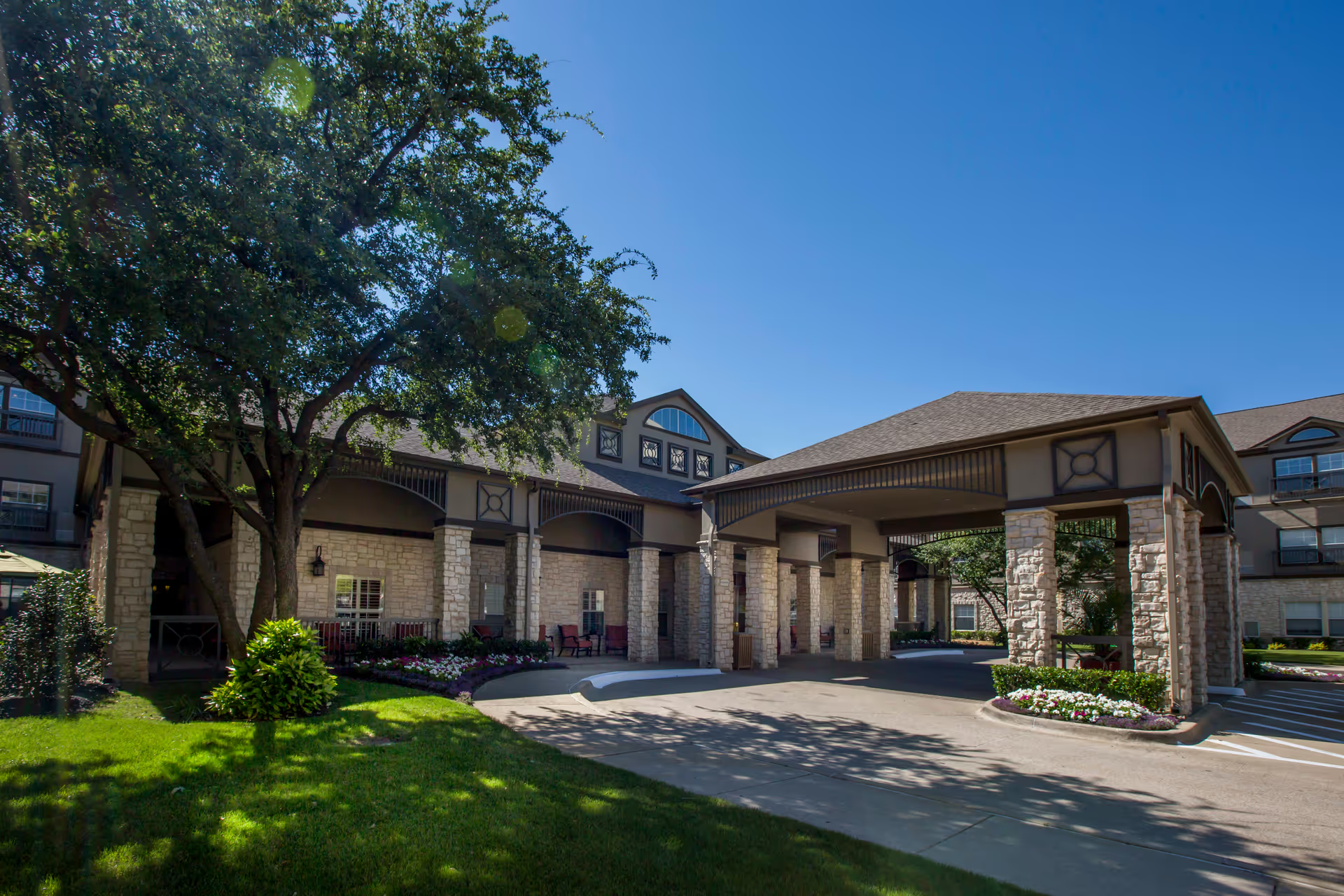
Overall impression: Reviewers portray Avalon Memory Care as a facility with strong core strengths in staffed memory‑care services and hospitality-style living. Positive comments concentrate on compassionate, experienced caregivers, a warm, home‑like atmosphere, and a well‑appointed physical environment with elegant furnishings and maintained grounds. Families frequently praised specialized Alzheimer’s programming, individualized one‑on‑one care options, and helpful guidance during admissions.
Care and staff: Many accounts highlight patient, kind staff and long tenure among caregivers, which families associate with consistent interpersonal relationships and dementia‑aware handling. These strengths support specialized memory‑care needs, including one‑on‑one approaches for late‑stage Alzheimer’s residents. However, there is a contrasting pattern: a subset of reviewers described periods of staffing instability and subsequent variability in care quality. Operationally, this appears to manifest as inconsistent staff availability, occasional delays in clinical attention, and at times the perceived need to arrange external nursing support. These comments suggest prospective families should ask about current staffing ratios, turnover, and clinical oversight mechanisms.
Dining and activities: Dining is commonly described as a positive feature — formal meal service, varied menus, and the ability to accommodate diets and provide healthy snacks. Wellness and activity offerings are also highlighted: structured exercise options (yoga, weight training), outdoor walkways, and organized social programming such as book discussions, art activities, outings, and shopping trips. At the same time, some reviewers noted that activity frequency and appropriateness can be inconsistent for residents with advanced needs, so activity engagement may vary by unit or staff assignment.
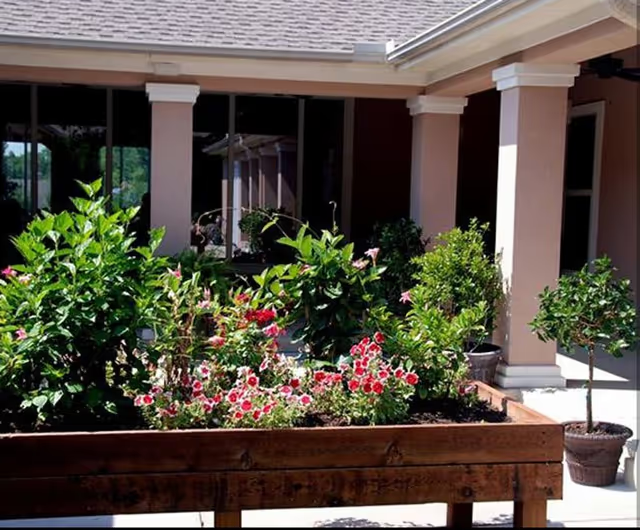
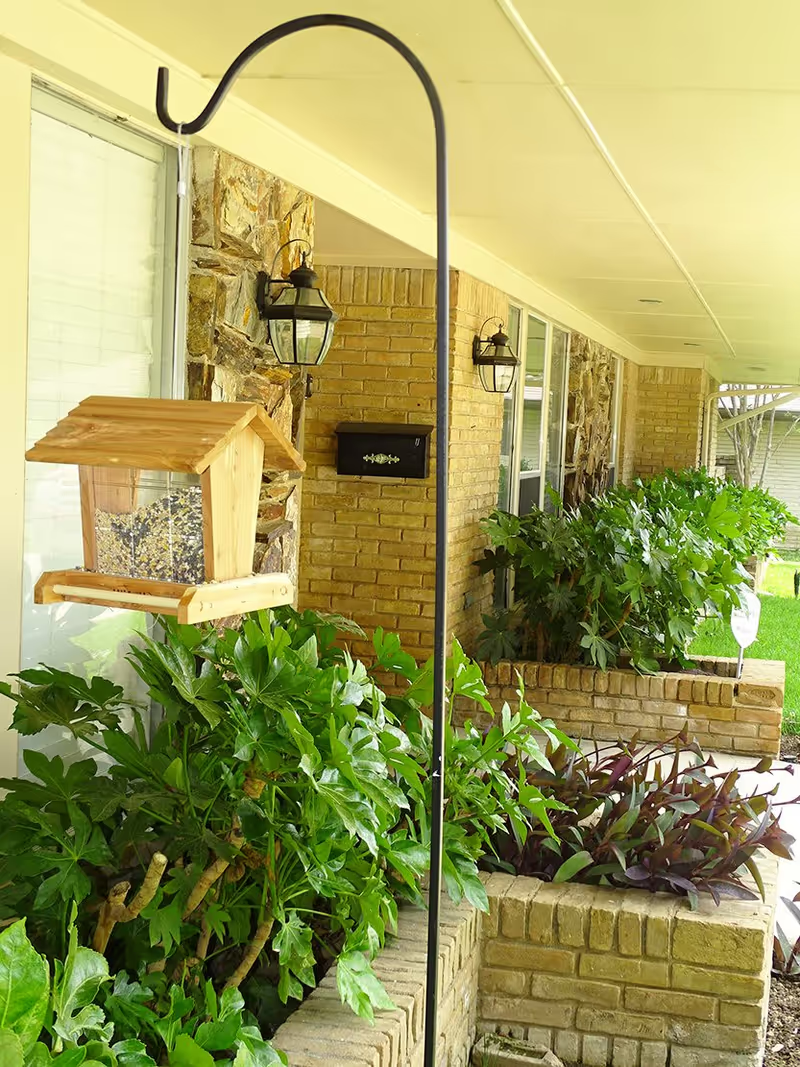
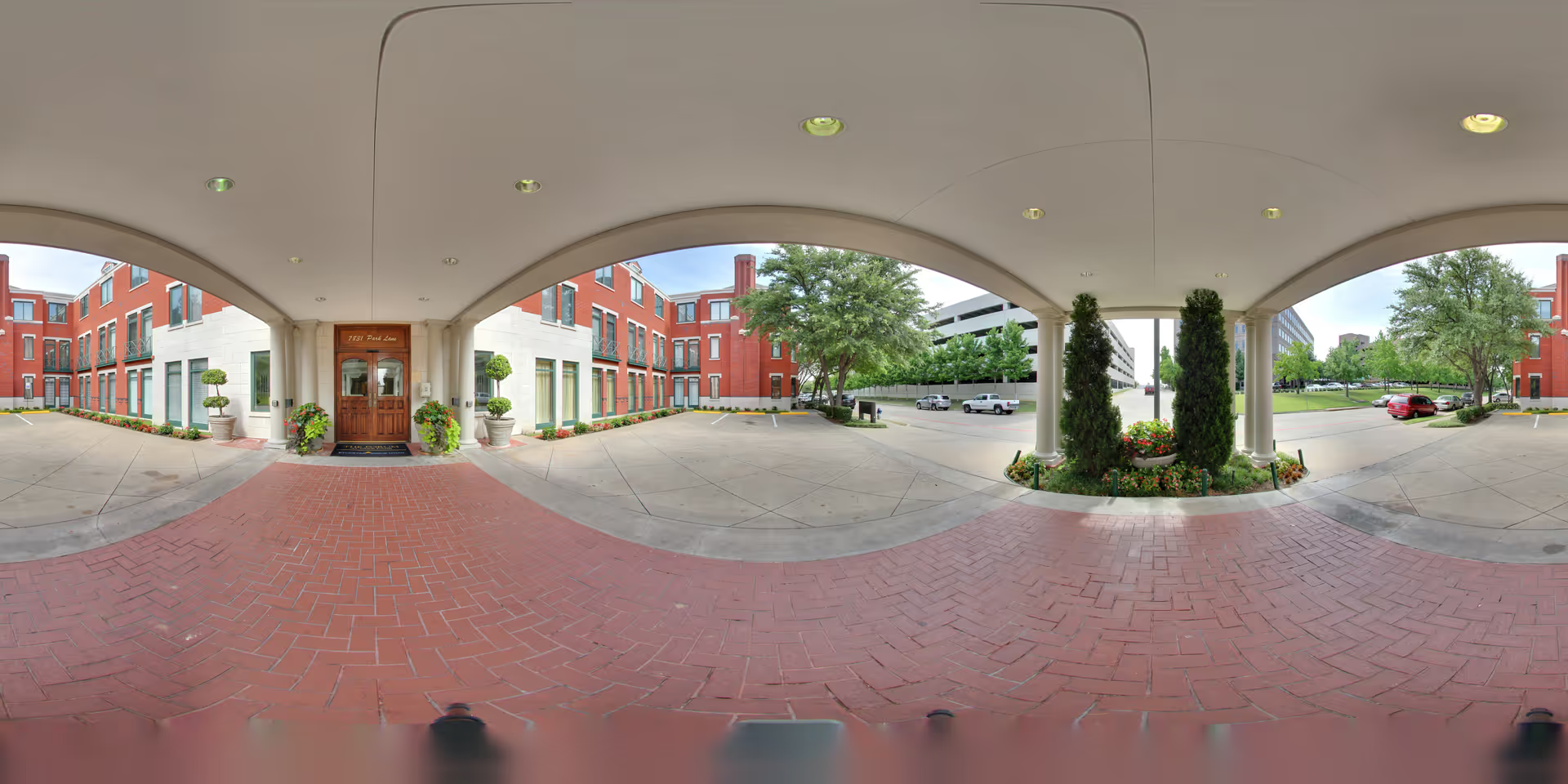
Facilities and safety: The facility’s aesthetics and grounds maintenance receive favorable mentions, but other reviews raise concerns about maintenance and environmental safety. Those concerns include outdoor and perimeter upkeep, trip hazards, and furnishings that may not be well suited to residents with mobility limitations. More serious safety‑related comments describe lapses in resident monitoring and perimeter security. While these appear to be isolated in the dataset, they are operational issues that relate to maintenance, safety protocols, and staff situational awareness.
Management and notable patterns: A central pattern is divergence between consistently positive experiences and distinct episodes of operational weakness. Where management and long‑term staff presence are strong, families report high satisfaction; where staffing or maintenance strains occur, families report declines in care continuity and responsiveness. Communication and family engagement were a source of both praise and concern — some families felt welcomed and well‑guided by admissions and care staff, while others felt discouraged from participating in care decisions. Clinical oversight concerns (including wound‑prevention and the need for outside nursing) were among the most significant operational issues raised.
Advice for prospective families: Given the mixed patterns, prospective residents and families should verify current staffing levels and turnover, review clinical oversight policies (including wound‑prevention and monitoring protocols), tour indoor and outdoor spaces to assess mobility‑appropriateness, and ask about security/monitoring practices and recent maintenance logs. Requesting recent references from families of current residents and asking for specifics on activity schedules and dietary accommodations can help determine whether the facility’s strengths align with an individual’s needs.