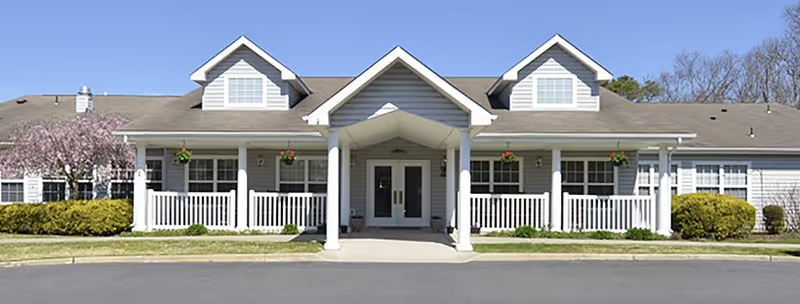
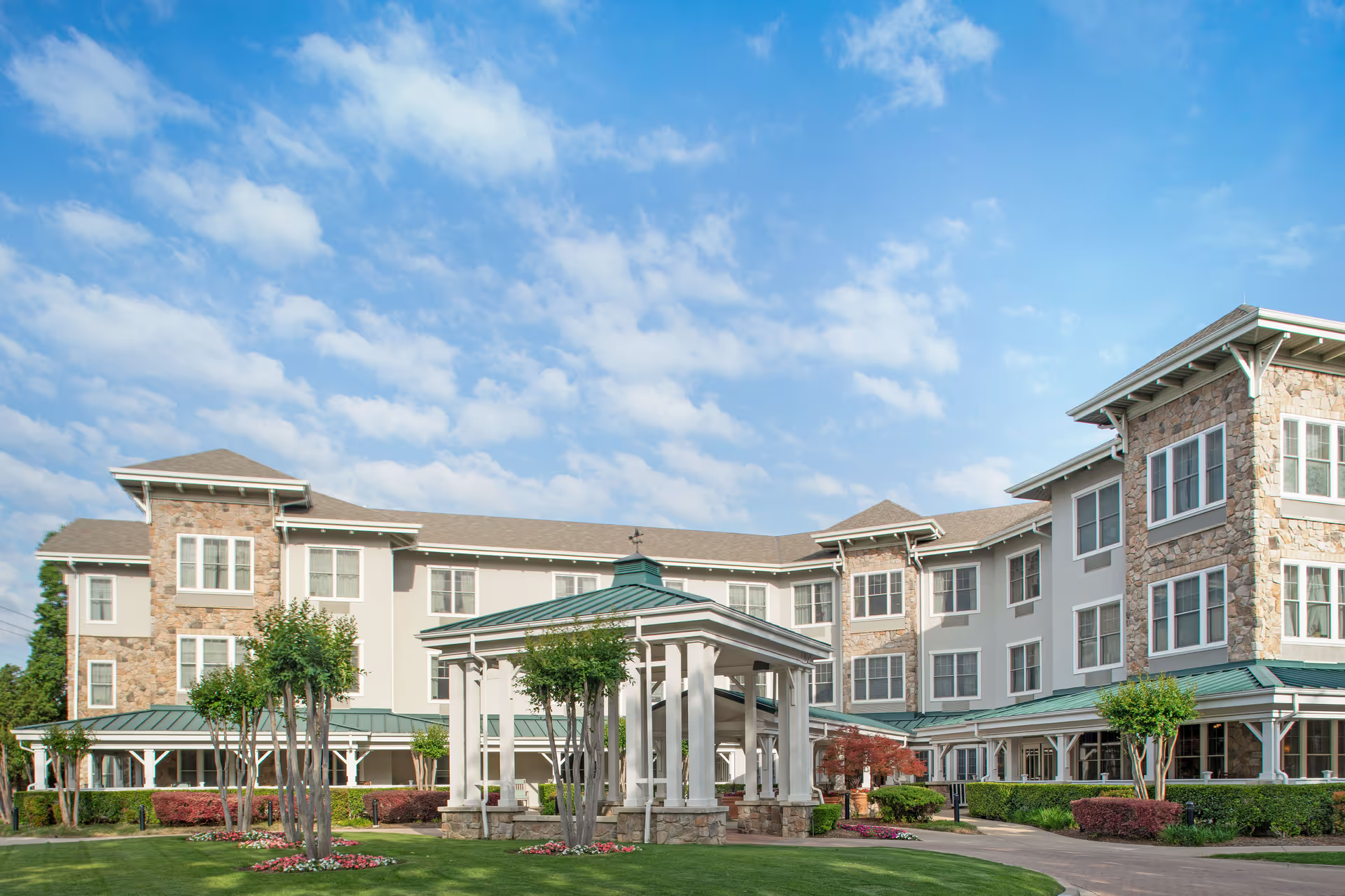
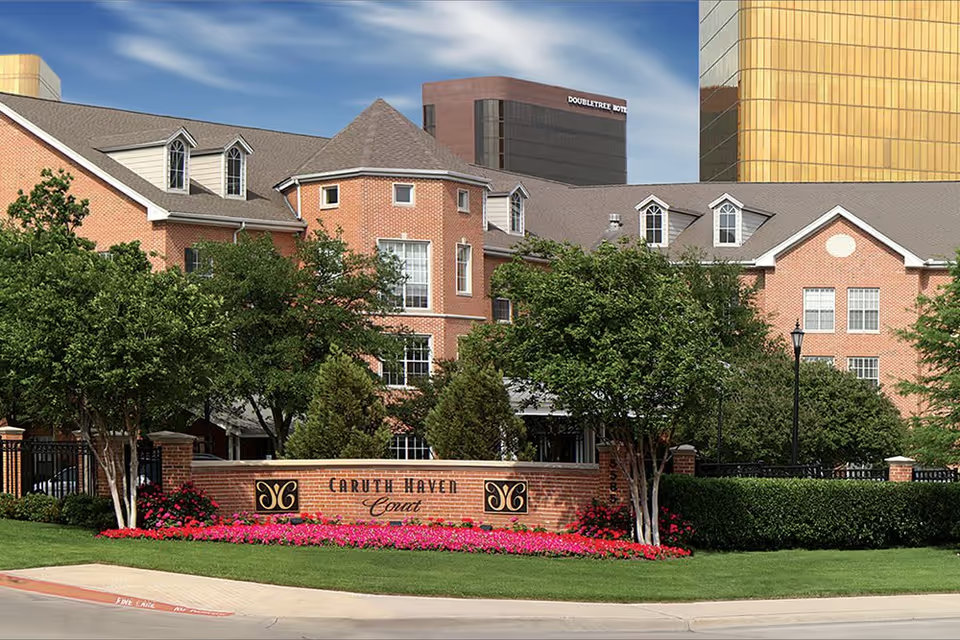
Overall impression: The facility is consistently described as a small, home-like memory-care setting with long-tenured, compassionate staff and strong clinical coordination. Families emphasize the staff's dementia- and Parkinson's-specific knowledge, frequent one-on-one attention, and responsiveness to clinical needs. Coordination with outside clinicians, therapists, and hospice is highlighted as a strength, and mobile services (dentist, labs, x-rays) are available and well integrated into care. These elements contribute to family confidence and a sense of safety and reassurance.
Care and staff: Review summaries emphasize experienced caregivers and stable leadership, with multiple mentions of a long-tenured manager and staff continuity. Care is characterized as attentive, kind, and individualized; staff communication with families and responsiveness to questions (including billing and move-in logistics) are repeatedly praised. Clinical coordination is a notable strength: physicians’ assistants, therapists, and hospice teams are reported to work closely with the on-site team, facilitating timely in-home services and medication management. Families also cite improvements in residents' weight and eating, and effective handling of behavioral episodes with a calm, respectful approach.
Dining and medical services: Dining receives consistently positive comments — varied menus, high-quality meals, and readily available snacks are listed as advantages. On-site and mobile clinical services (dental, labs, x-rays) and good hospice communication are described as adding convenience and continuity of care. The all-inclusive pricing model is viewed favorably by families who feel it offers good value and reduces administrative burden.
Activities and social environment: The setting is described as calm and elegant, with nicely furnished communal areas, walking paths, and opportunities for yoga, classes, and excursions to museums and local events. That said, a recurring pattern is limited activity variety or lower engagement for more active residents; the small, eight-resident household model contributes to a homelike atmosphere but can constrain the breadth and intensity of programming. Some activities are staff-led or TV-led exercises; others are outings and community trips that families appreciated.
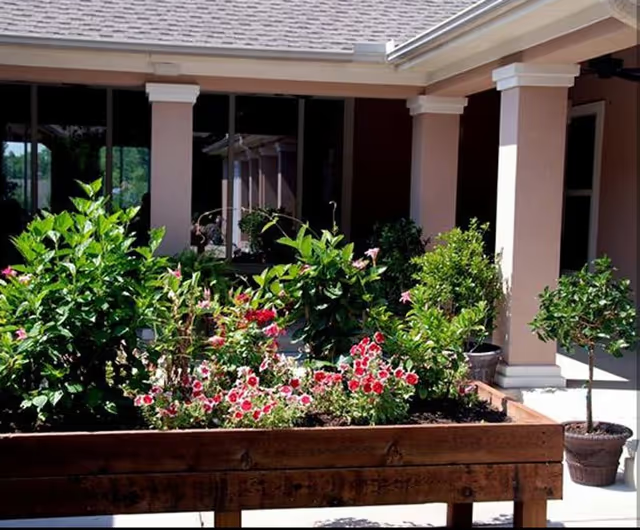
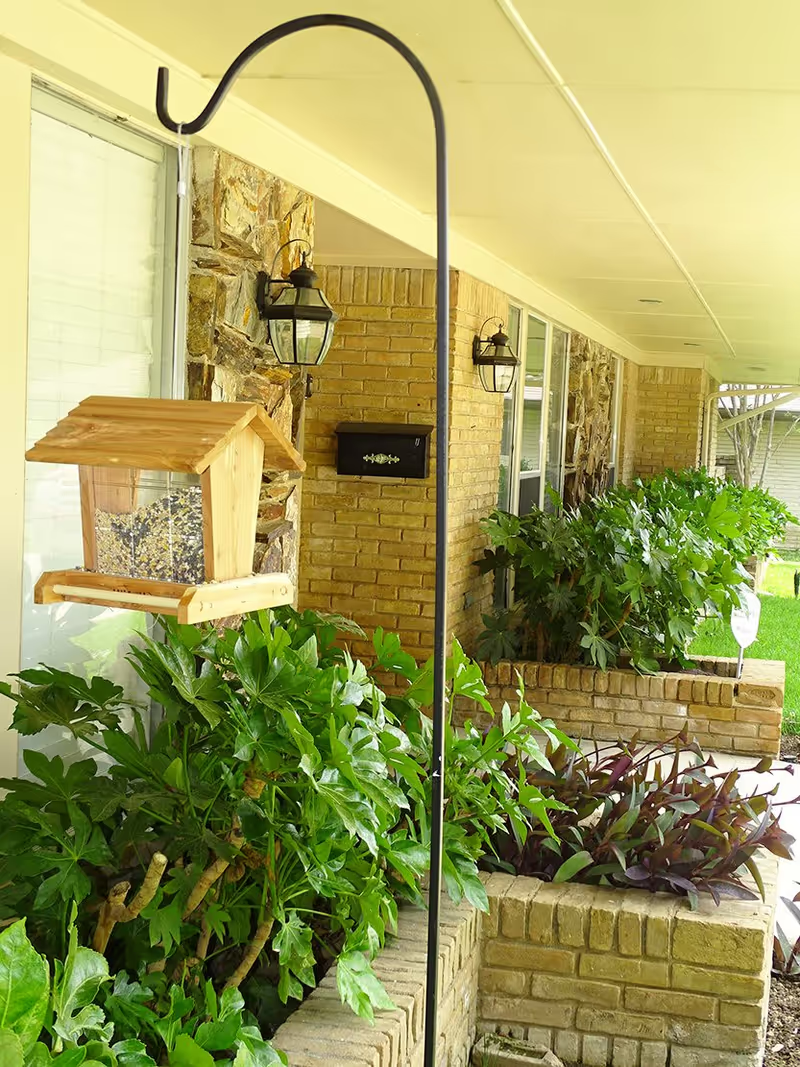
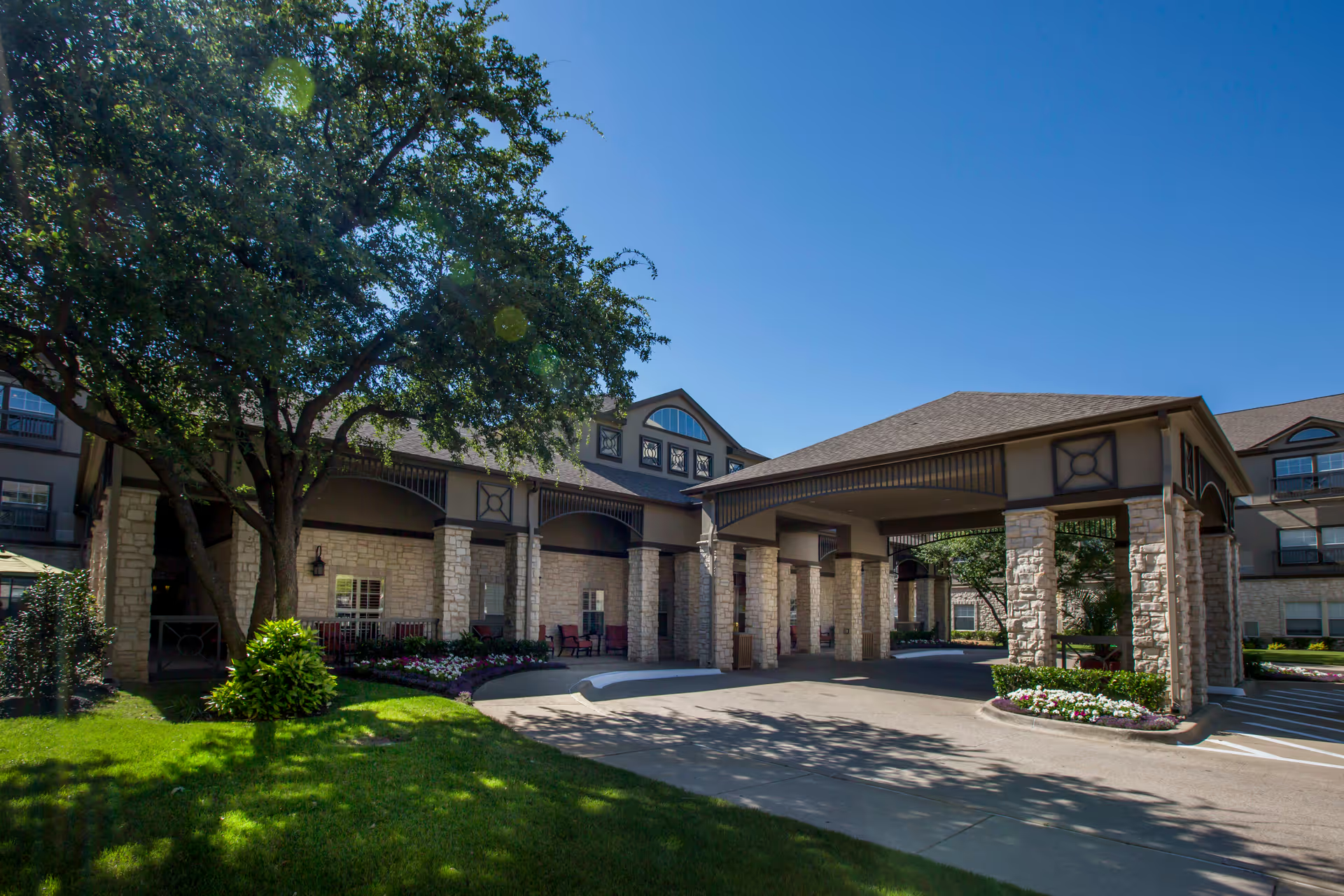
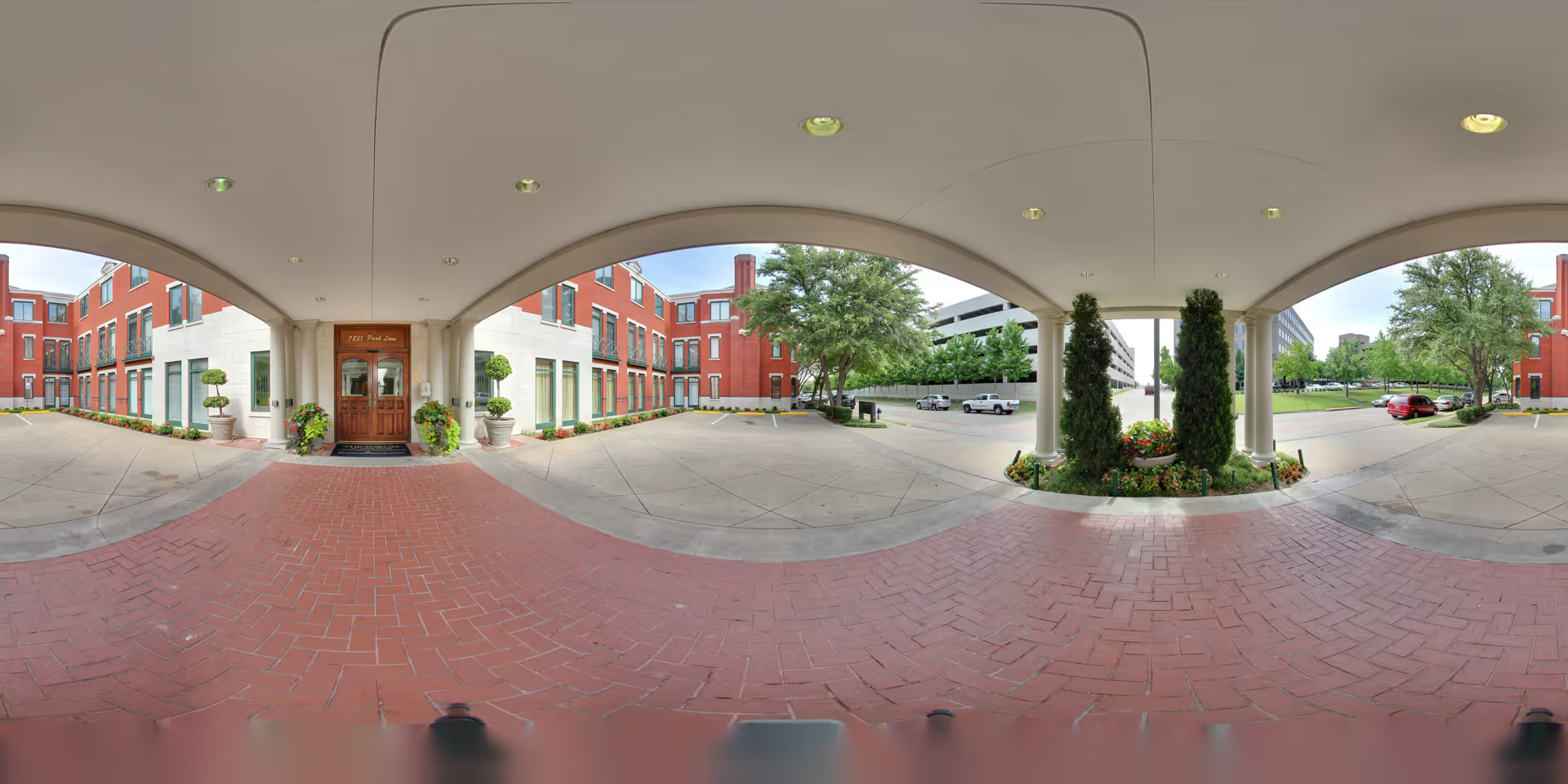
Facilities and maintenance: The property and interiors are generally regarded as clean and well maintained, and reviewers note strong infection-control practices. However, reviewers also mention worn or oversized living-room furniture that can reduce comfort, and occasional odor concerns in common areas. These facility-level items — furniture condition and intermittent odors — represent the main physical-environment issues raised.
Notable patterns and considerations for prospective families: Strengths center on personalized dementia care, experienced and compassionate staff, effective clinical coordination, and a reassuring, homelike environment. Potential limitations include the smaller household model’s effect on activity variety and program intensity, and occasional comfort/maintenance issues (furniture and odors). A few families expressed discomfort about the gender assignment of attendants for personal-care tasks, which suggests limited flexibility in some caregiver assignments. Overall, the prevailing impression is of a high-quality memory-care option that prioritizes individualized attention and clinical coordination, best suited to residents who benefit from a small, intimate household rather than those seeking a wide range of group activities or higher-intensity programming.