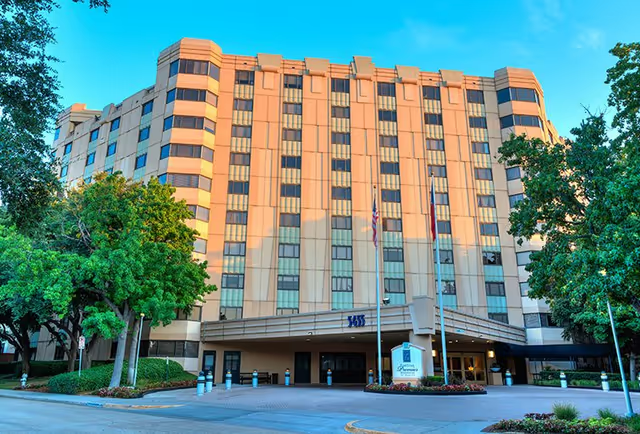
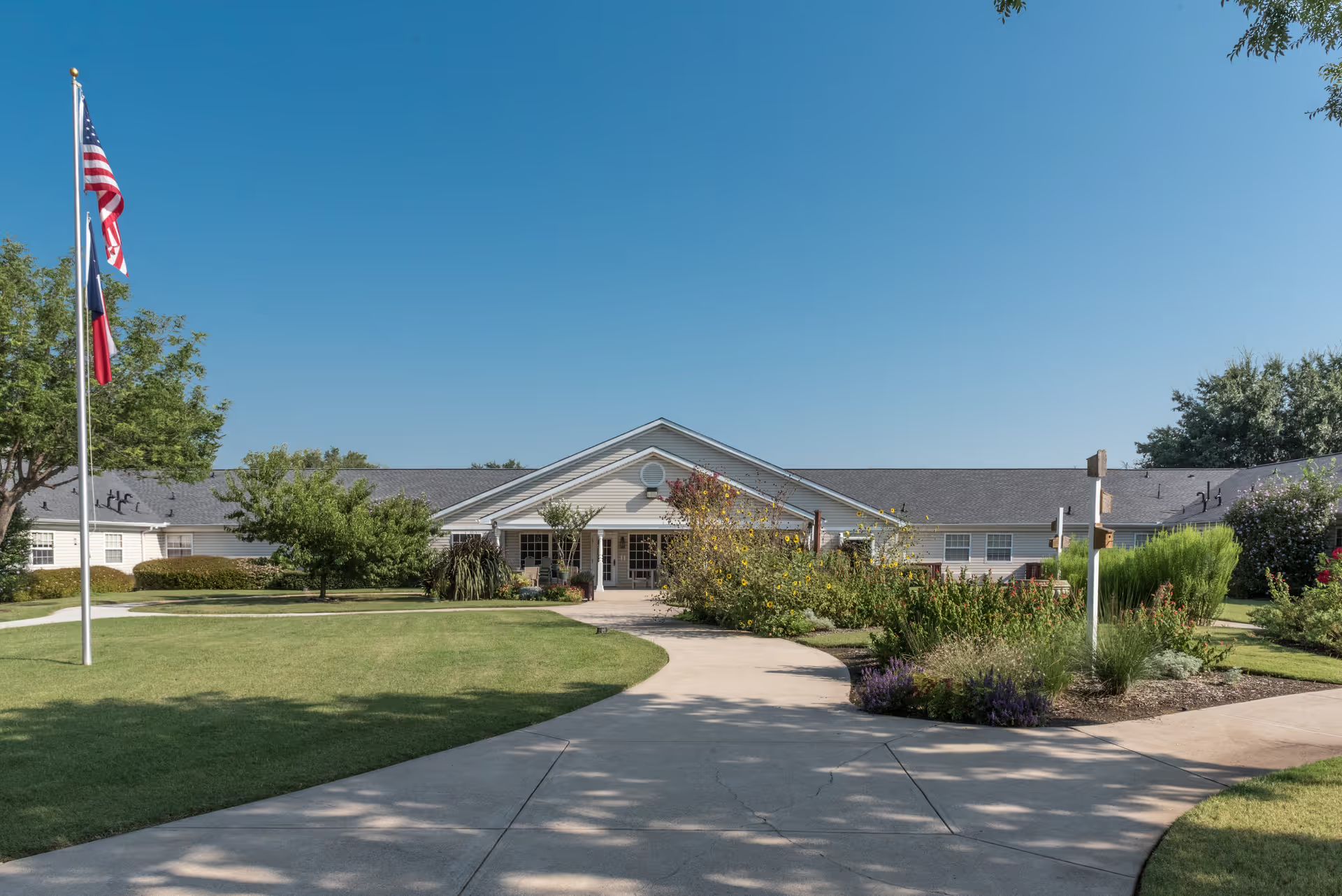
Brookdale Lake Highlands is described across reviews as a small, home-like assisted living and memory-care community with clear strengths in day-to-day resident engagement and a neighborhood atmosphere. Many families highlight compassionate front-line caregivers, visible and engaged on-site leadership, and staff who know residents by name. The facility offers memory-care expertise with structured transition pathways, apartment-style living with walk-in showers and private bathrooms, and communal amenities such as an interior courtyard, garden, and dining room that supports restaurant-style meals. Practical services—on-site pharmacy, veterans' advocate, private shuttle, and home-health partnerships—contribute to convenience for residents and families.
Care quality observations are mixed. Numerous accounts praise hands-on, personalized attention and effective memory-care programming; staff members and specific leaders are frequently singled out for compassionate, resident-centered work. At the same time, recurring operational issues emerge: reviewers describe understaffing that impacts response times and consistency of basic personal care, and multiple accounts note medication-management and clinical-response gaps. These patterns suggest that resident experience can vary depending on staffing levels and the shift, with families reporting both high-quality caregiving and periods when care delivery did not meet expectations.
Dining and activities are generally viewed positively, with restaurant-style meals, holiday events, music, outings, and routine social programming such as bingo and book clubs. That said, reviewers also cite variability in meal quality, portion sizes, and occasional last-minute activity cancellations. The smaller community size supports frequent personalized programming and social opportunities for many residents, but limited capacity sometimes constrains space and program scale.
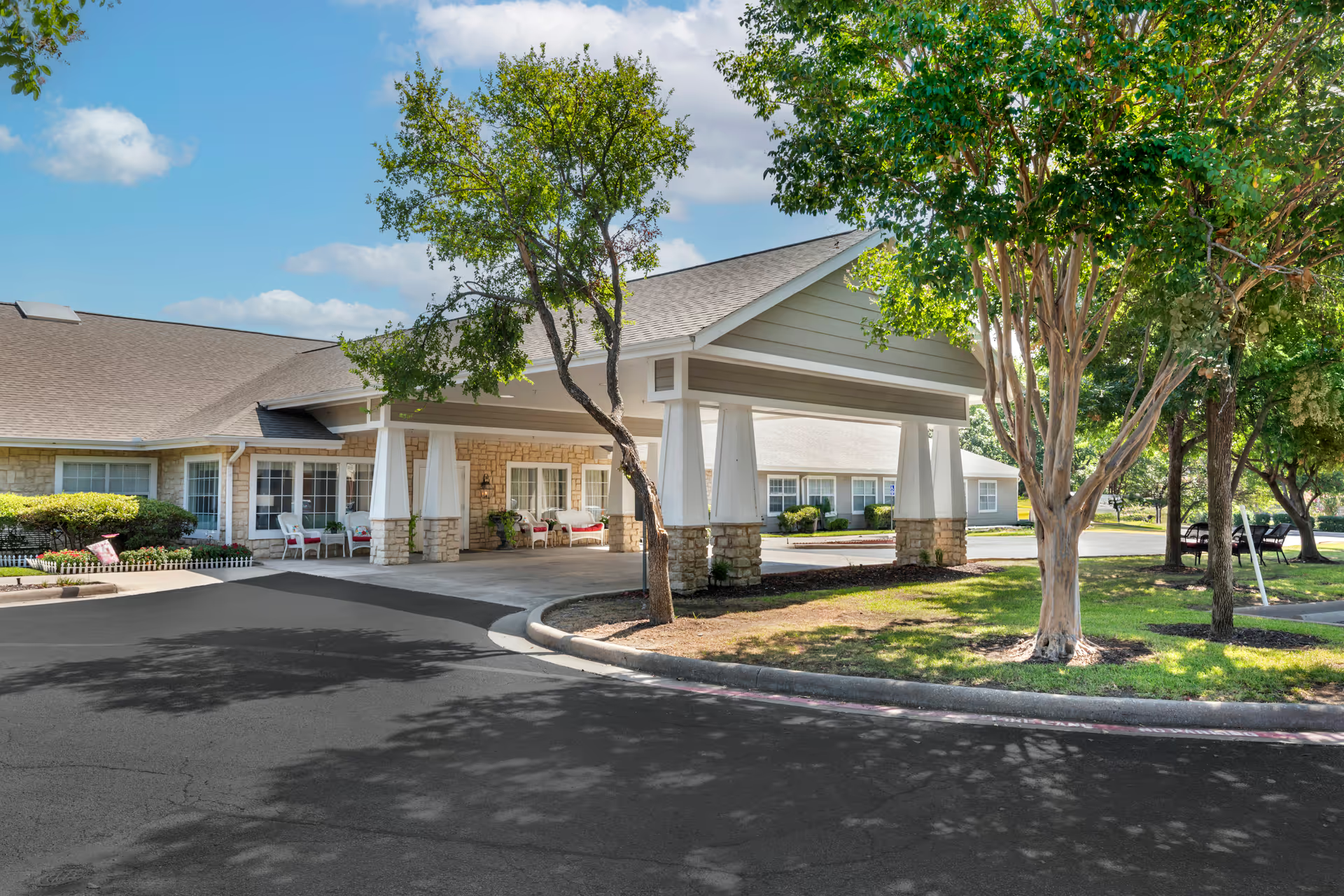
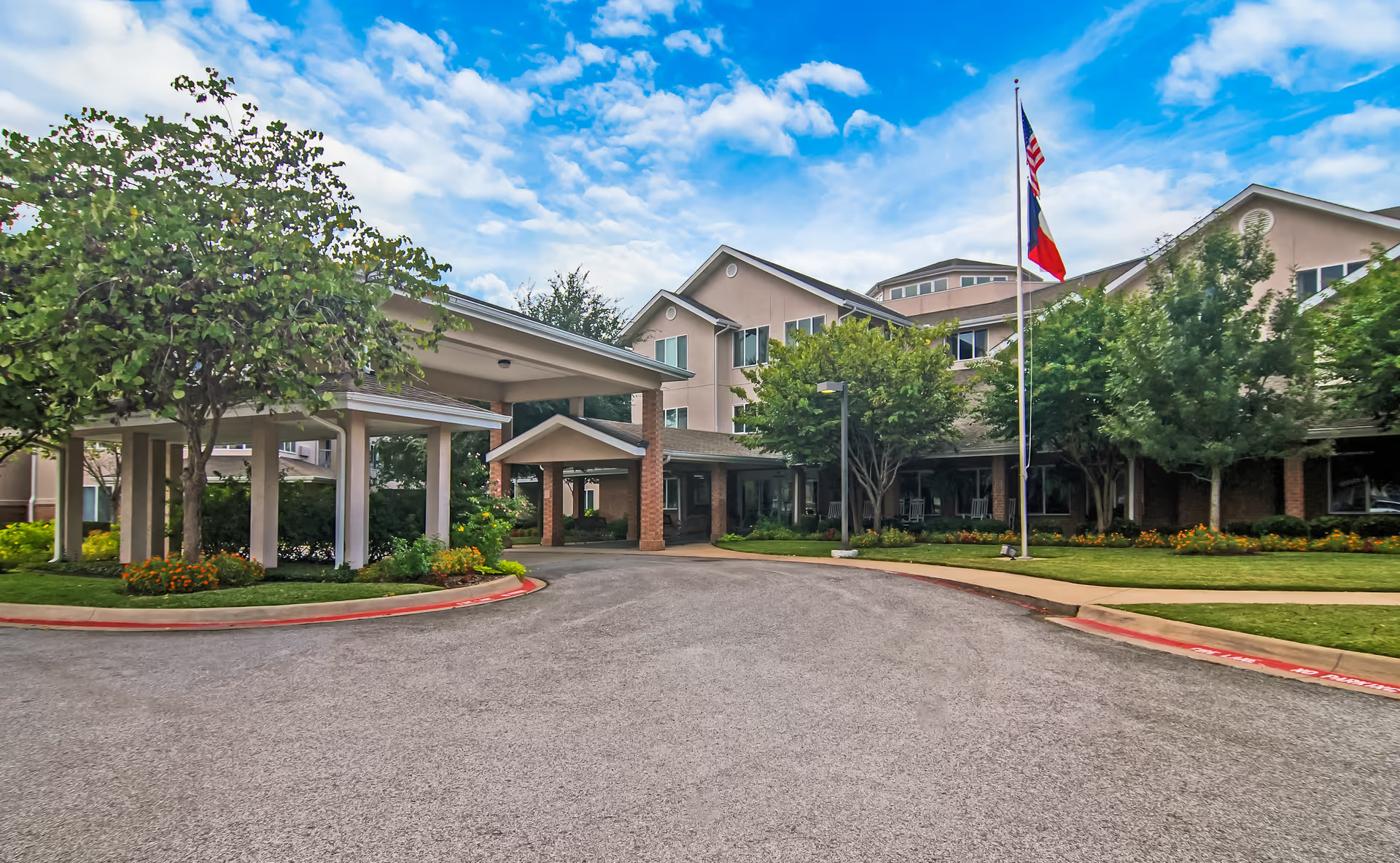
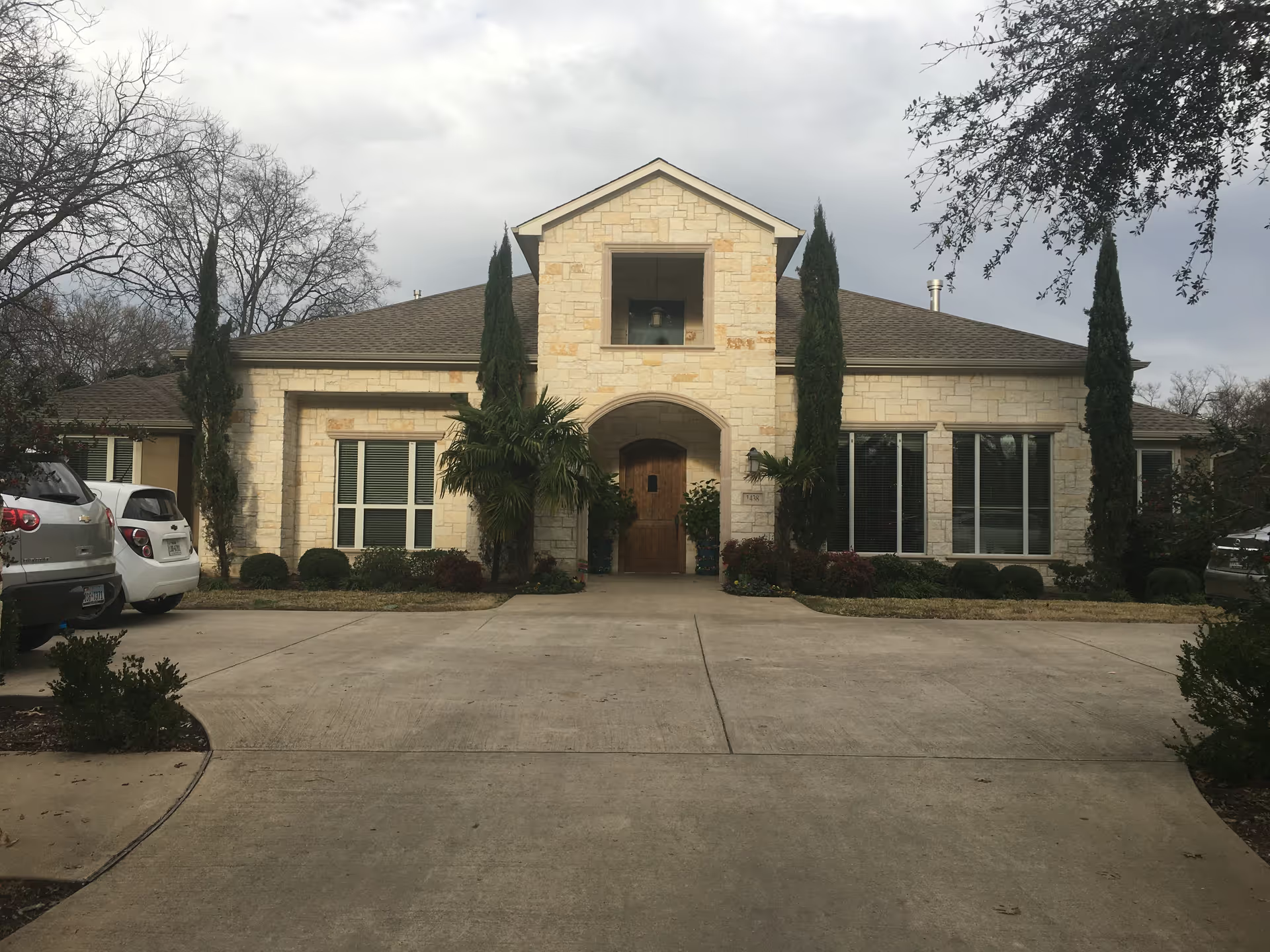
Facility condition and amenities receive mixed commentary. Many families describe clean, comfortable living areas, an accessible one-level layout, and appealing outdoor spaces. Conversely, some note deferred maintenance, dated finishes, dim common-area lighting, and slow repairs. These aesthetic and maintenance issues appear localized and variable across units.
Management and administrative patterns are a prominent theme. Positive accounts emphasize strong, accessible leadership that communicates well with families and supports transitions. Negative accounts raise concerns about administrative communication, billing practices, fee transparency, and complaint escalation. Some reviewers describe perceived pressure related to financial-qualification processes, and there are mentions of litigation and allegations concerning financial practices; these are serious items that prospective families should investigate directly. Taken together, the feedback points to a facility with notable strengths in caregiving, memory-care programming, and community feel, paired with operational vulnerabilities tied to staffing, consistency of clinical and personal-care processes, administrative communication, and billing transparency. Prospective residents and families would benefit from focused discussions with management about staffing ratios, medication-safety protocols, incident-response procedures, maintenance plans, and written fee/billing policies before committing.