Emerson on Harvest Hill elicits strongly polarized feedback: many accounts highlight warm, family-like interactions, an active social program, and a range of inclusive amenities, while other accounts raise operational concerns that prospective residents and families should investigate before committing.
Staff and clinical care: Staff are frequently described as friendly, attentive and personally engaged; several activity and executive leaders receive repeated praise for energetic programming and resident outreach. The community offers on-site rehabilitation, therapy, and nursing resources that families say provide relief and continuity after hospitalization. At the same time there is variability in clinical responsiveness cited across feedback: delayed responses to call lights, intermittent lapses in bedside care and skin-safety monitoring, and uneven medication/clinical follow-up are noted. These comments point to inconsistent operational performance in nursing coverage and response times rather than uniformly poor or uniformly excellent clinical care.
Dining and food-service: Dining is a central strength for many residents — restaurant-style meals, salad and soup bars, accommodating servers, and family-style dining are often praised. Dietary accommodations and in-room meal options are also available. Counterbalancing this, there are repeated concerns about inconsistent food quality, meal temperature, limited breakfast offerings on some days, occasional boxed or limited menus, and service slowdowns tied to staffing or kitchen transitions. Prospective residents should ask about current kitchen staffing, menu cycles, and how dietary needs are handled.
Activities and social life: Activity programming is a clear differentiator. Reviewers consistently cite a broad calendar (exercise classes, Silver Sneakers, pool and poker tournaments, arts and crafts, movie nights, outings to restaurants and cultural sites) and active directors who drive engagement. The community supports many off-site excursions and regular social hours, contributing to a strong sense of community for socially active residents. Accessibility of activities for residents with mobility limitations is an occasional concern due to facility layout or long walking distances; inquire about transportation within campus and accommodations for limited-mobility participation.
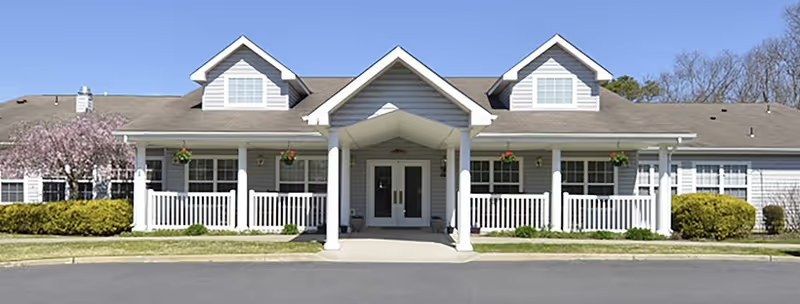
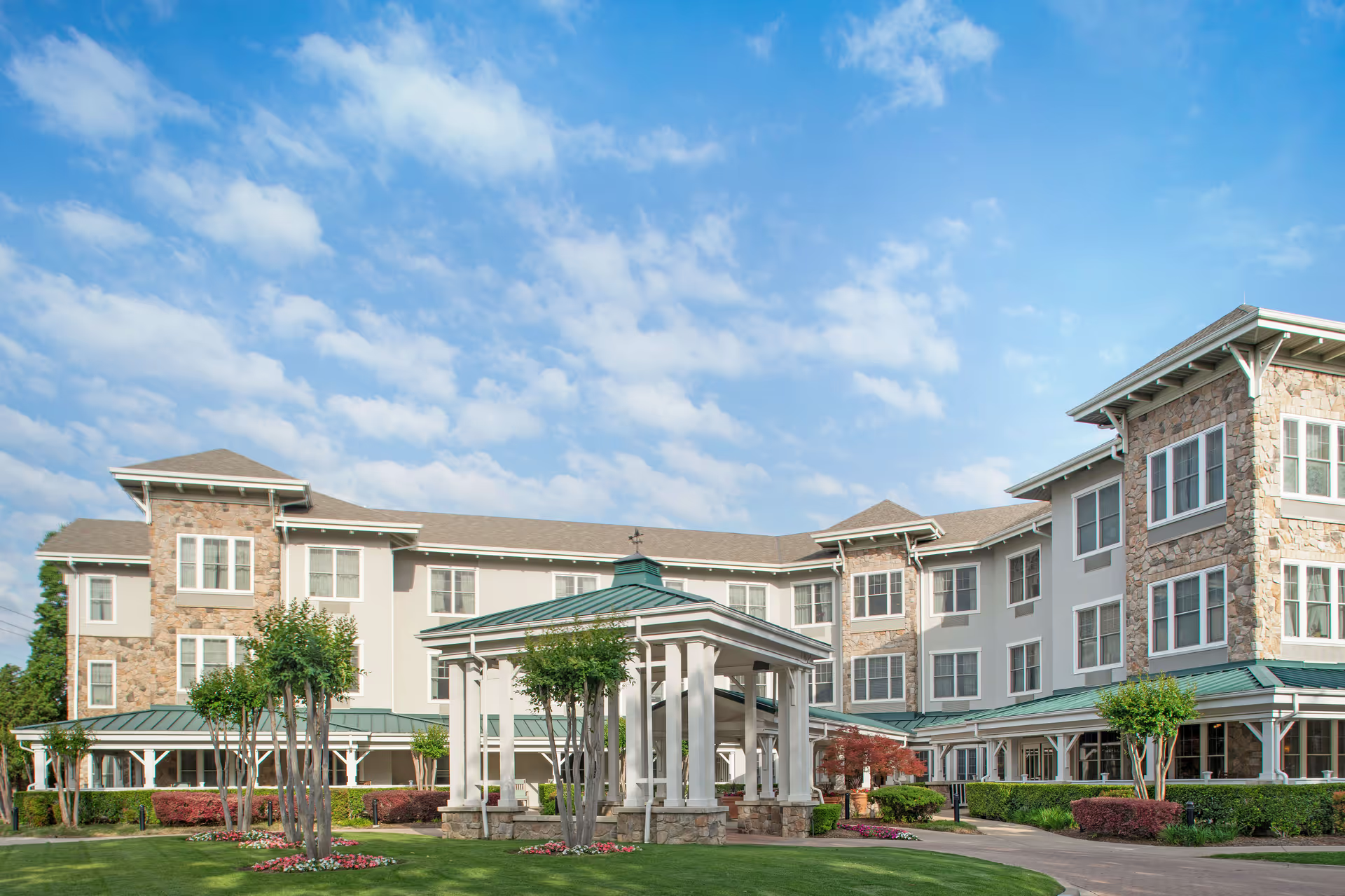
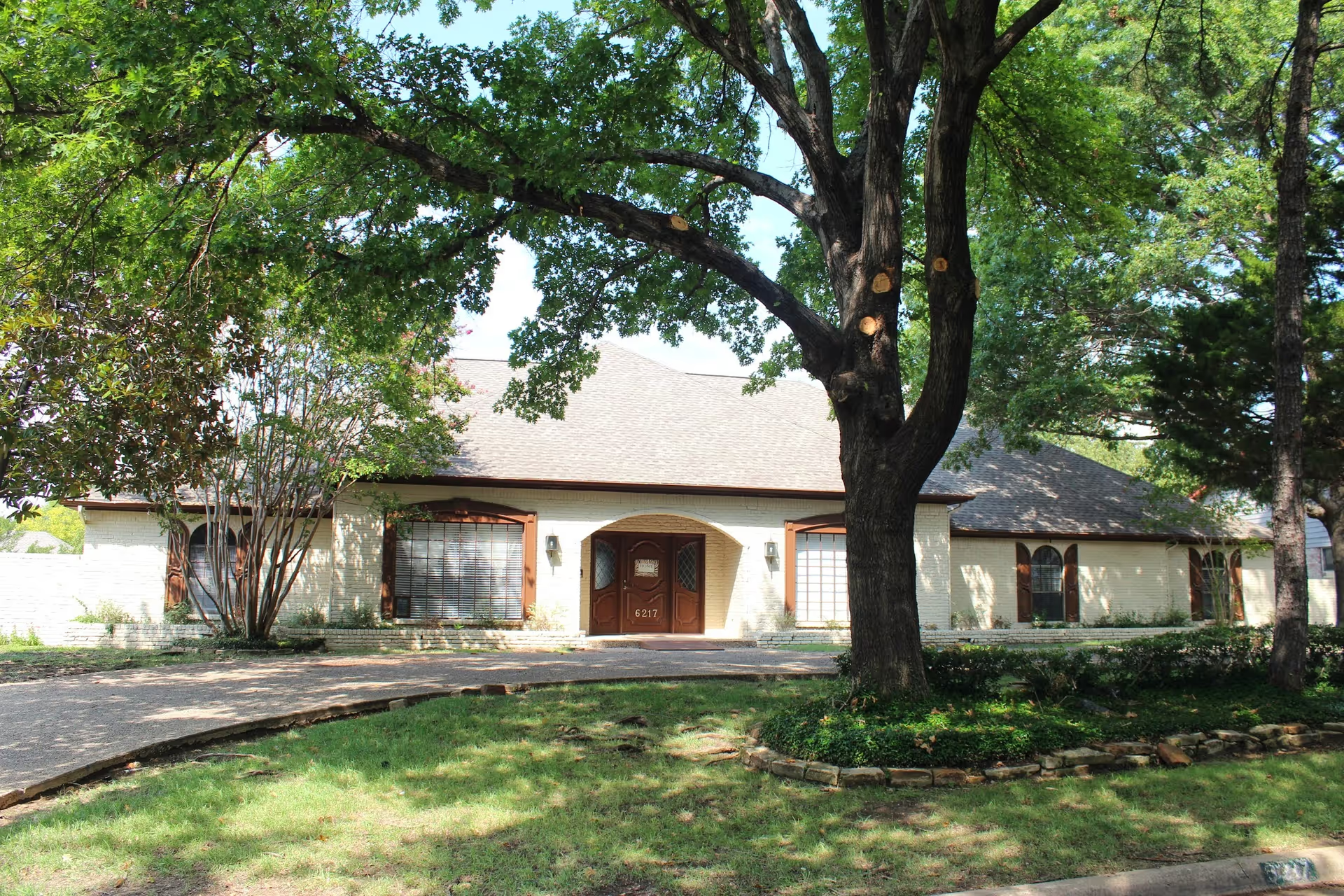
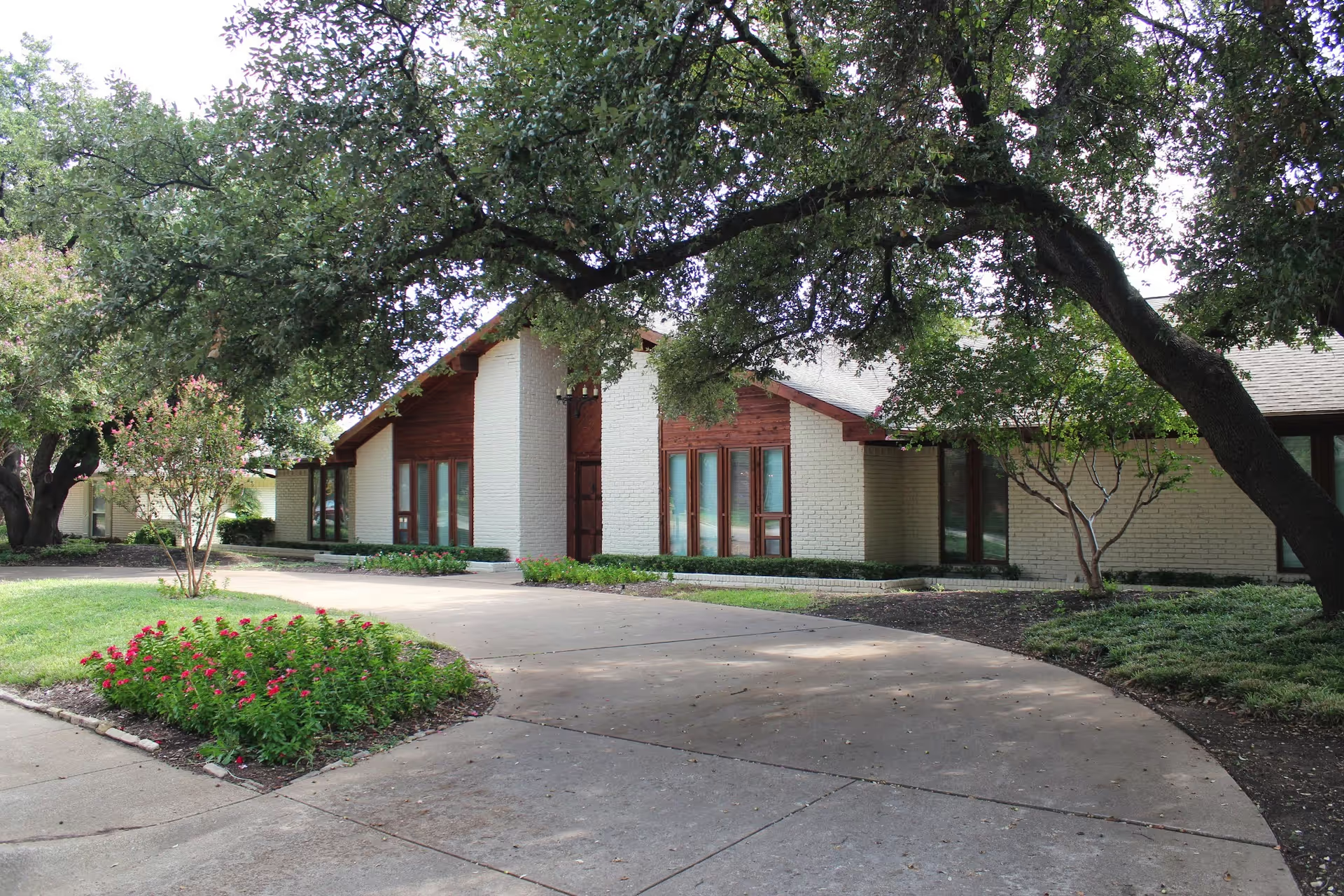
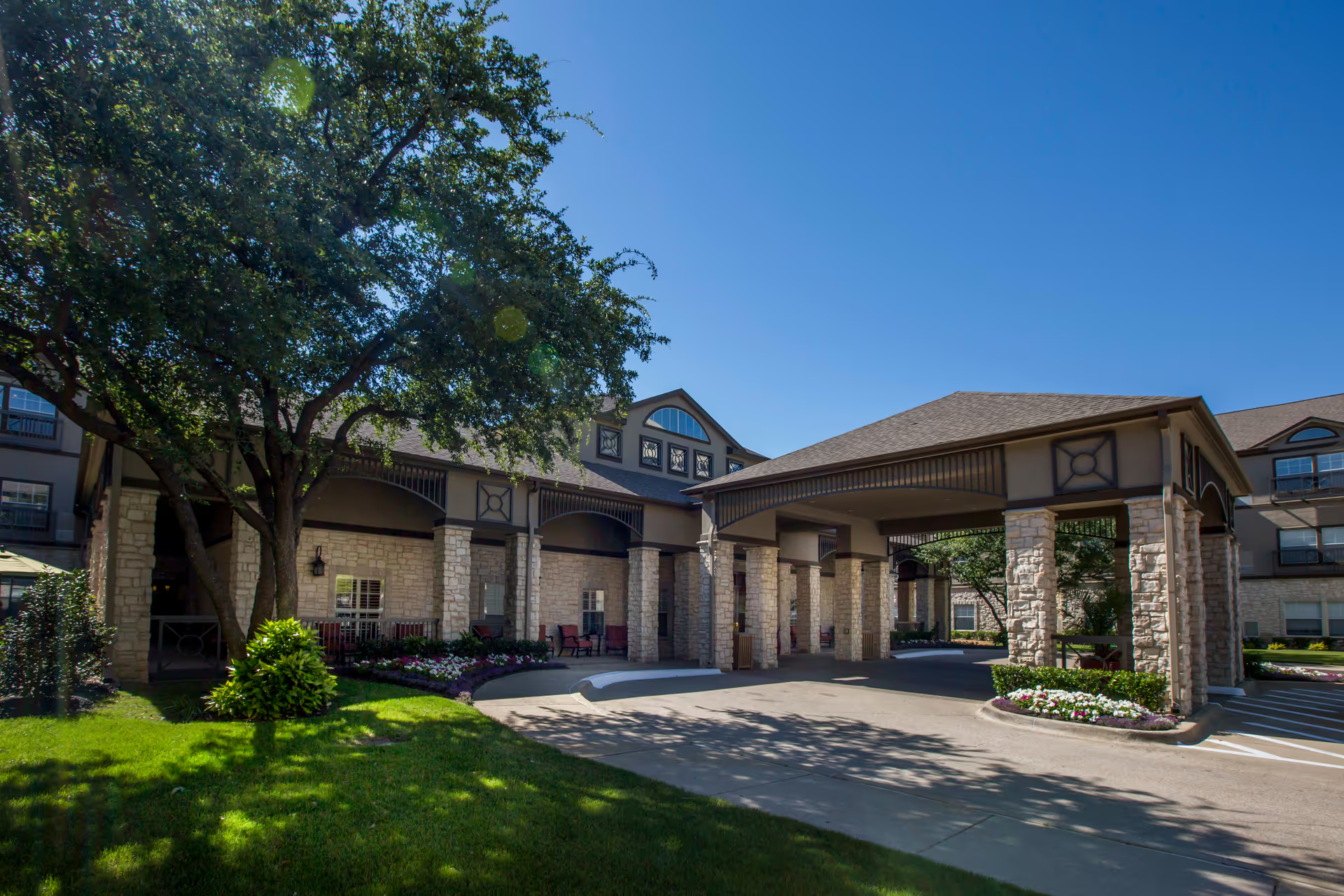
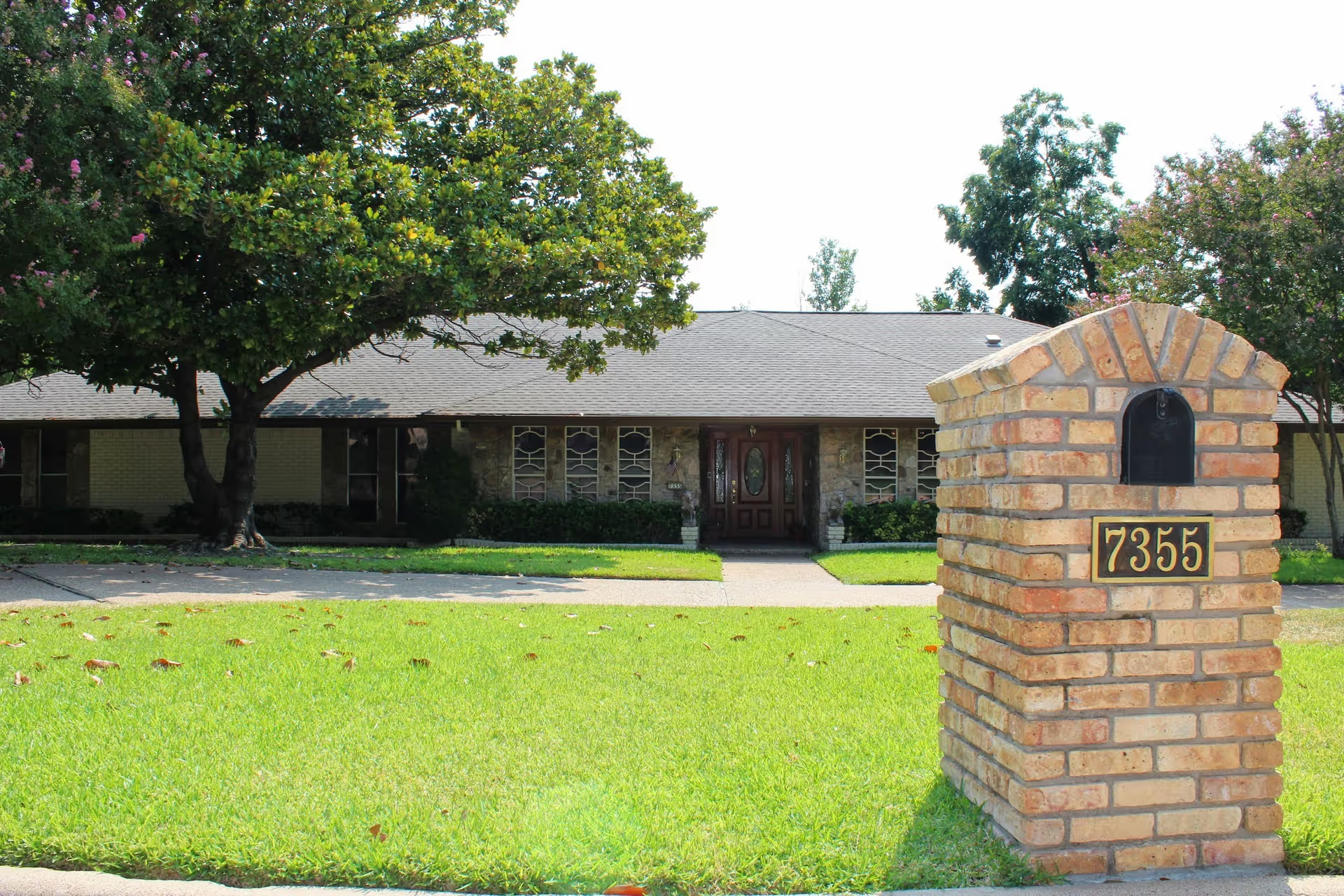
Facilities and amenities: The campus is commonly described as clean, attractive and well-decorated in public areas, with gardens, courtyards and an enclosed dog park. Many apartments have been updated and some units include full kitchens, washers/dryers, and spacious two-bedroom layouts. Conversely, several accounts identify an older wing or specific areas with maintenance backlogs, HVAC outages, accessibility shortcomings (heavy door closers, ramp gaps), and pest-control or sanitation issues in isolated units. These suggest a mixed physical plant where recently updated sections coexist with portions needing attention.
Management and operations: Management impressions are mixed. Some reviewers commend responsive leadership, effective admissions/onboarding, and hands-on executive directors. Others cite staffing reductions, high turnover, cost-cutting measures, weakening service consistency after ownership or leadership changes, and concerns about sales practices and contract transparency. There are also serious allegations in a subset of accounts concerning theft and improper room access; these are notable and warrant specific inquiry during any tour or contract negotiation.
Notable patterns and recommended due diligence: The overall picture is one of a community with strong social programming, many devoted staff members, and attractive amenities that deliver good value for many residents. However, substantive operational issues — especially around staffing consistency, dining continuity, maintenance/HVAC reliability, cleanliness in some units, building accessibility, and questions about management stability — recur across feedback. Prospective residents should arrange multiple visits at different meal and activity times, observe dining service and housekeeping, ask for current staffing ratios and turnover statistics, review recent maintenance and pest-control records, probe incident reporting and property-access policies, and request written details about pricing, fee structures, and any recent ownership or leadership changes. These steps will help families weigh the facility’s strong community attributes against the operational risks reflected in the feedback.