Reviews for Lakewest Rehabilitation & Skilled Care show a polarized picture: many families describe positive rehabilitation outcomes, personable caregivers, and a comfortable, hotel-like environment, while others raise substantial operational concerns that affect resident experience and safety.
Care quality and clinical oversight: Several families report strong therapy services and successful short-term rehab discharges, and individual nurses and CNAs receive praise for attentive, hands-on care. However, there is a recurring pattern of inconsistent clinical practice: delayed or missed medications, gaps in routine clinical tasks (for example, catheter management linked to rehospitalization in at least one account), and incidents implying weak supervision that contributed to falls or safety events. These patterns suggest variability in the facility's ability to sustain consistent clinical oversight across shifts.
Staff and culture: Staff behavior is described in very mixed terms. Many reviewers commend compassionate, family-focused aides and an engaged administrative presence on the floor; several named staff members received specific praise. Conversely, other accounts describe concerns about staff conduct, poor bedside manner, inattentiveness to call systems, phone use during shifts, and instances of interpersonal conflict observed in resident areas. Understaffing, low pay perceptions, and apparent turnover appear linked to uneven service levels and morale challenges.
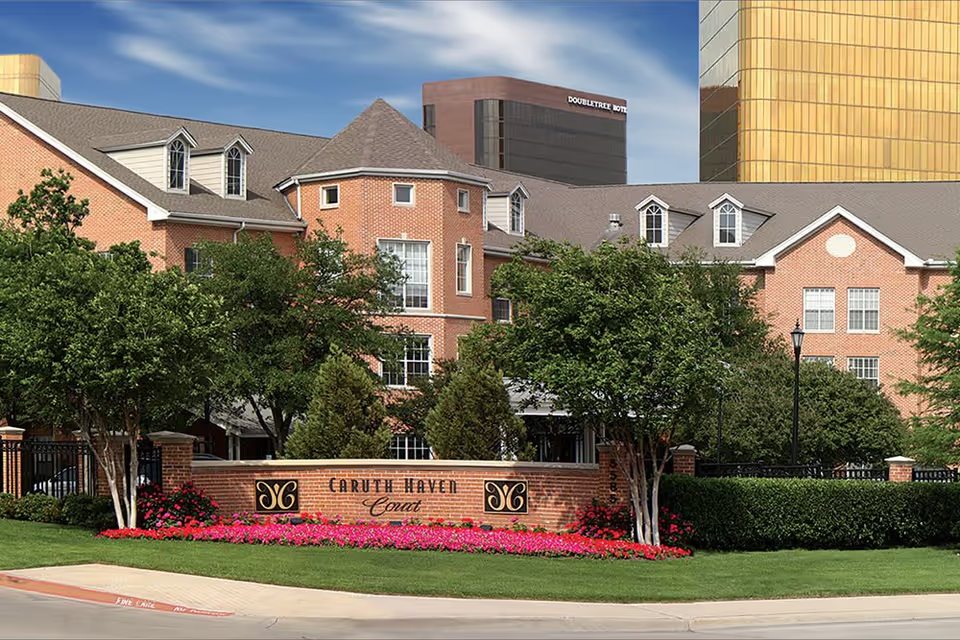
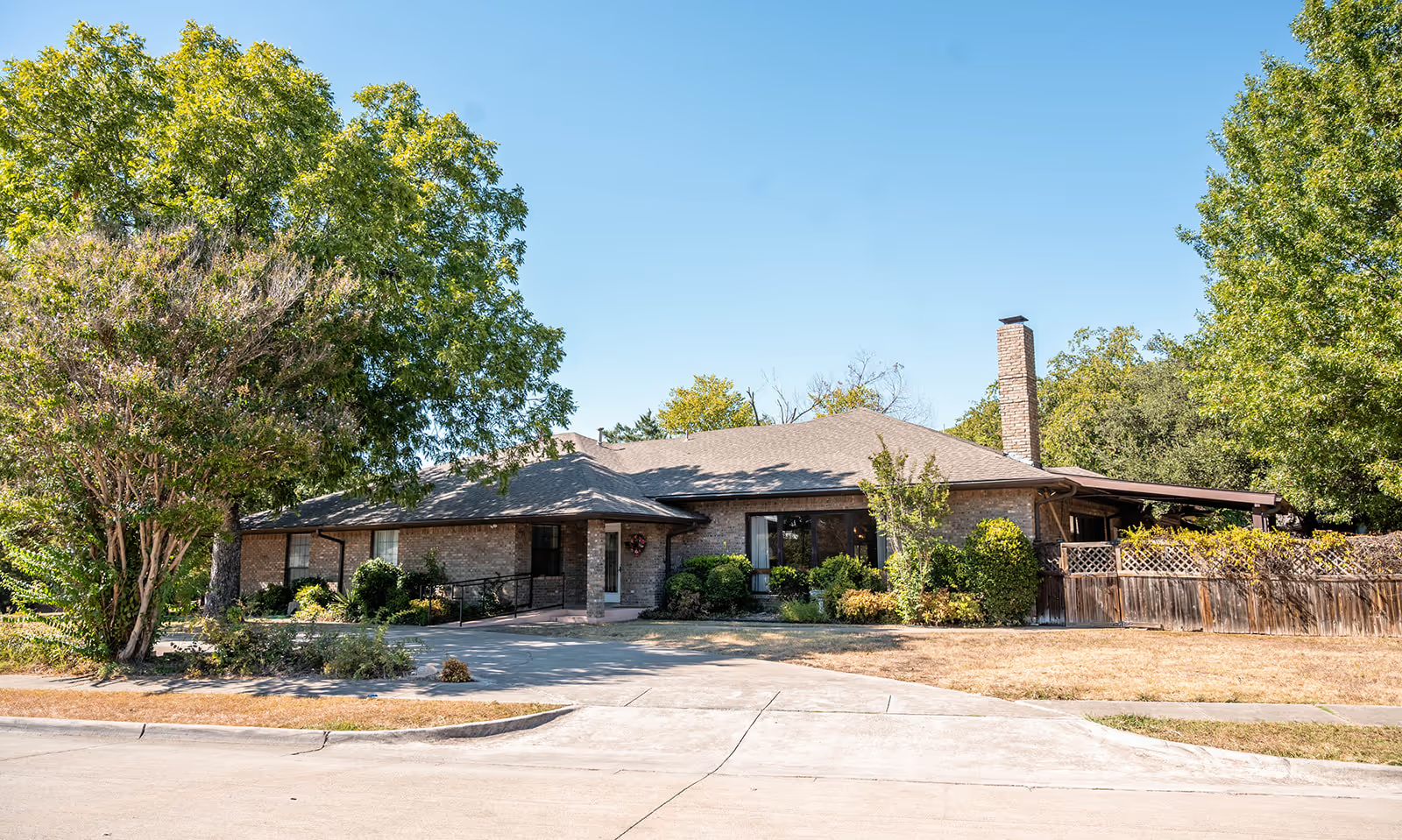
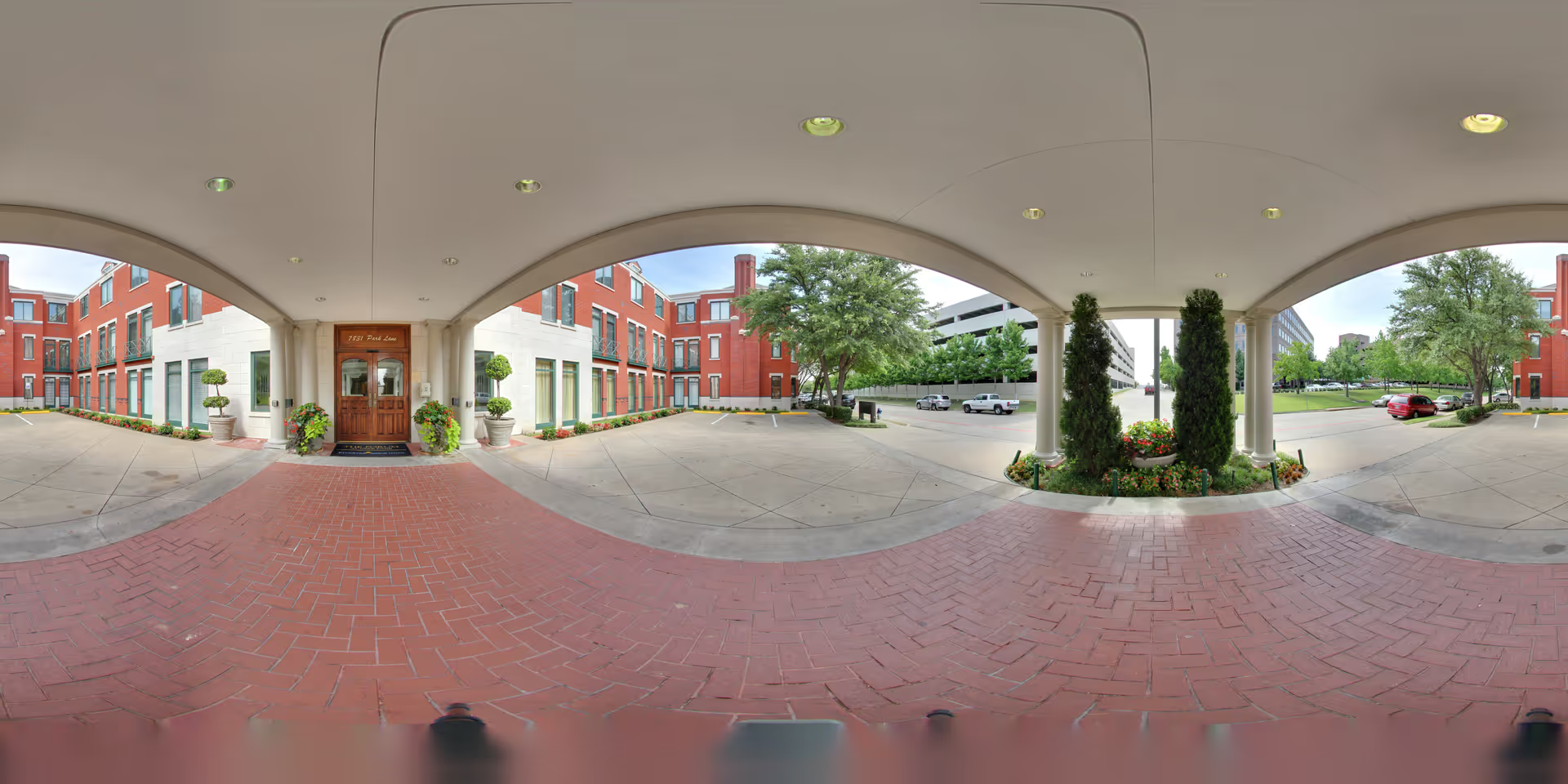
Facilities, hygiene, and maintenance: The building's decor, common areas, and secure entry receive positive comments, and some families note a clean, pleasant environment. Offsetting that, multiple reviews describe sanitation concerns, odor issues in certain units, inconsistent housekeeping (including laundry and personal-property management), pest-control concerns, and intermittent maintenance problems such as HVAC or water-related issues. These mixed observations indicate variability in environmental service delivery and facility maintenance.
Dining, activities, and therapy: The therapy department is frequently highlighted as a strength; physical, occupational, and speech therapy offerings are noted as effective and instrumental in returning residents home. Activity programming and family-friendly common spaces are also cited positively. Comments about dining are less consistent, with some reviewers satisfied and others implying meal- and medication-timing continuity problems.
Management, communication, and notable patterns: Administrative responsiveness is a clear divider: several families praise proactive managers who resolve concerns quickly, while others describe poor follow-through, unreturned calls, and inadequate communication with hospitals during admissions and transfers. A small number of reviews reference serious incidents, including hospitalization, police involvement, and legal action; those accounts merit careful follow-up and are best investigated directly with the facility and regulators. Overall, the pattern is one of variability—strong performance in therapy and by particular staff members coexists with systemic operational weaknesses that can materially affect resident experience.
Recommendation for prospective families: Because experiences range from highly positive to seriously concerning, an in-person visit is advisable. Ask about current staffing ratios by shift, medication-administration protocols, infection-control and pest-control practices, laundry/property procedures, recent maintenance issues, and how the facility coordinates admissions with hospitals. Request recent inspection reports and inquire about staff turnover and ongoing training initiatives. These targeted questions can help determine whether the facility's strengths align with a prospective resident's needs and whether operational risks have been addressed.