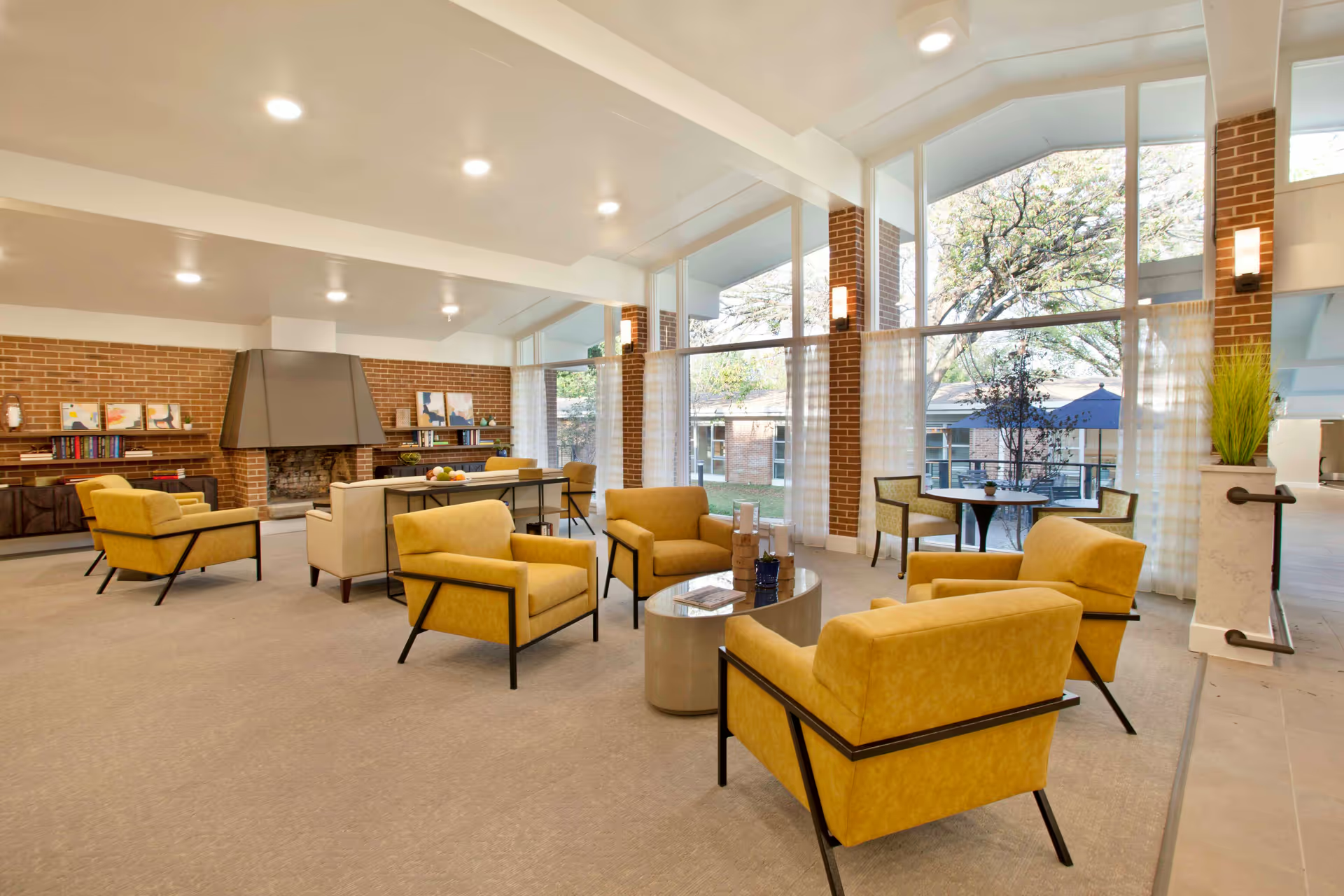
Vintage Health Care Center presents a mixed operational profile in these summaries. Many families and residents praise the facility for its welcoming, home-like atmosphere in parts of the building, a compassionate direct-care workforce, and availability of multiple levels of care including memory services. Therapy services (PT/OT) and focused nursing care, including wound management, received positive mention in several accounts. The facility offers apartment-style living with kitchenettes in independent units, on-site amenities such as a library, hair salon, workout room and courtyard, and a generally secure, family-friendly visitation environment.
Staffing and care quality descriptions are variable. Numerous accounts highlight attentive, kind caregiving, strong teamwork among nursing and aides, helpful admissions staff, and prompt maintenance responses. Conversely, some reports describe significant lapses in clinical responsiveness — including delayed medication administration, care omissions related to basic nourishment and hydration, and inconsistent supervision — that contributed to clinical decline for individual residents. These contrasting descriptions suggest that care quality may vary by unit, shift, or time period; some families also credited corporate or new management with improvements in responsiveness and operations.
Dining and activities are also inconsistent across accounts. Several reviewers commend nutritious, varied meals and active social programming (bingo, ice-cream socials, outings to parks and restaurants). Others describe cafeteria-style service, temperature and quality issues with meals, narrow or cramped dining areas, and variable activity availability — including periods with limited or no programming. Transportation services and scheduled group transport appear helpful when available but have been characterized as unreliable or limited at times.
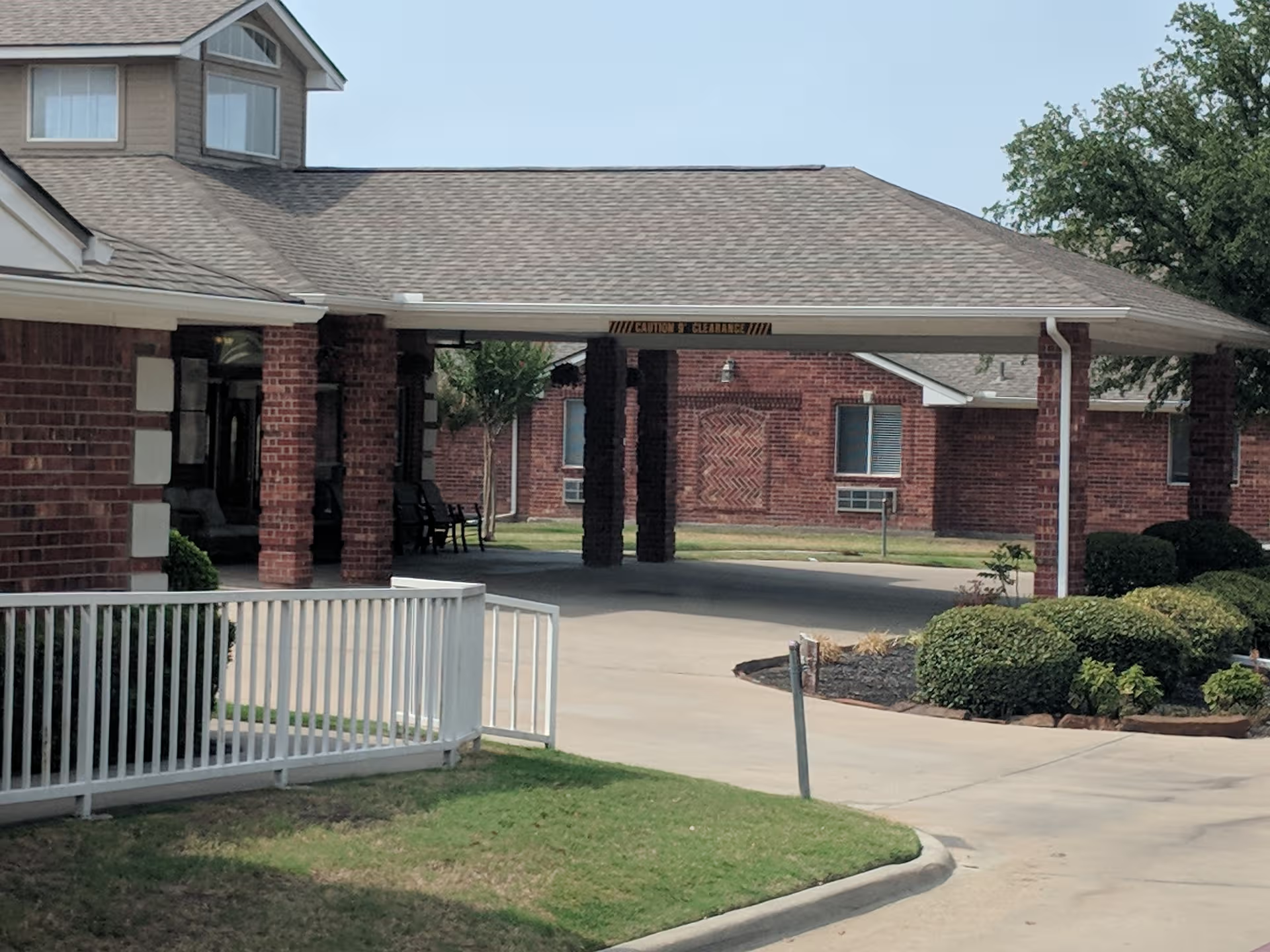
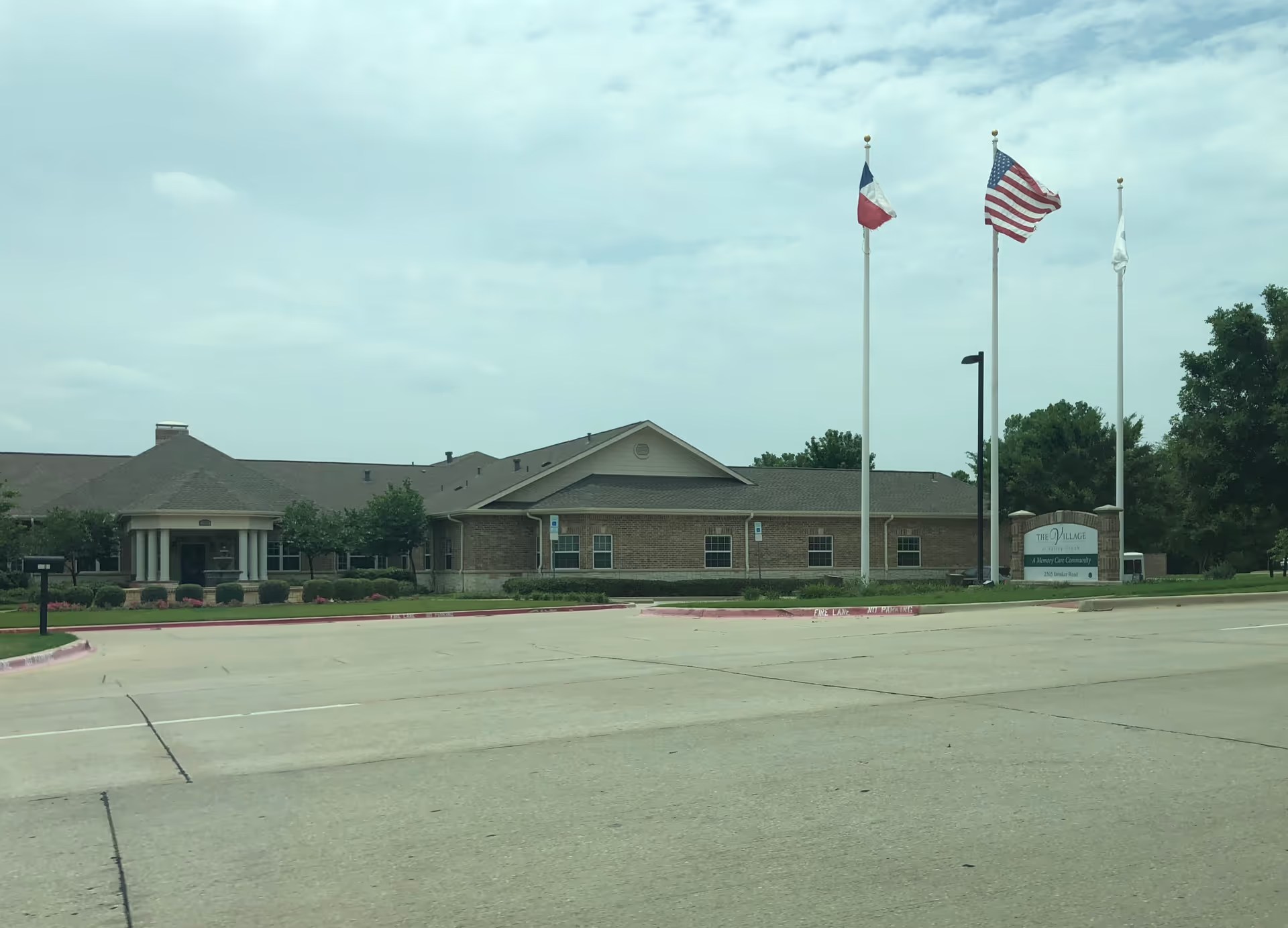
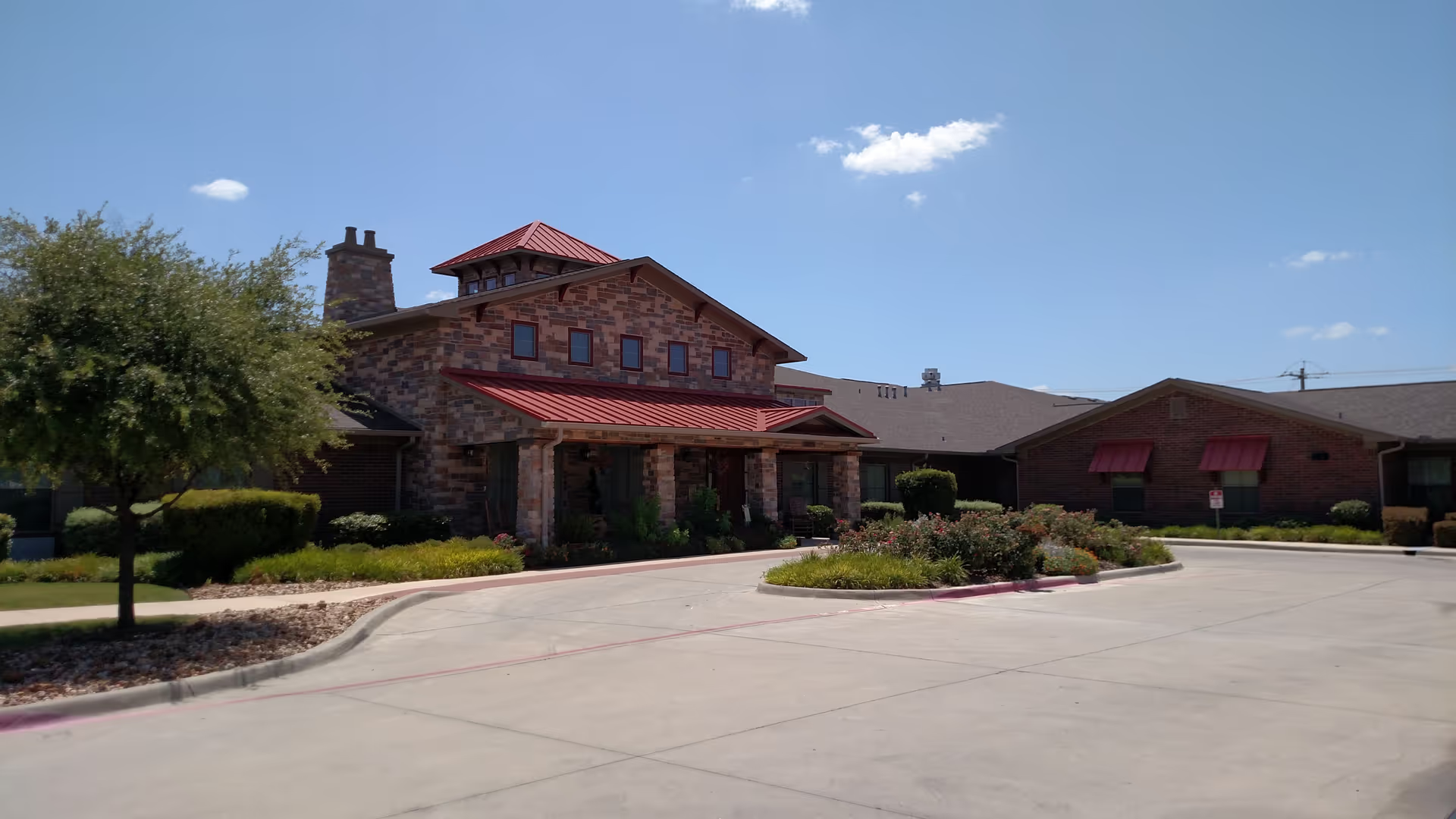
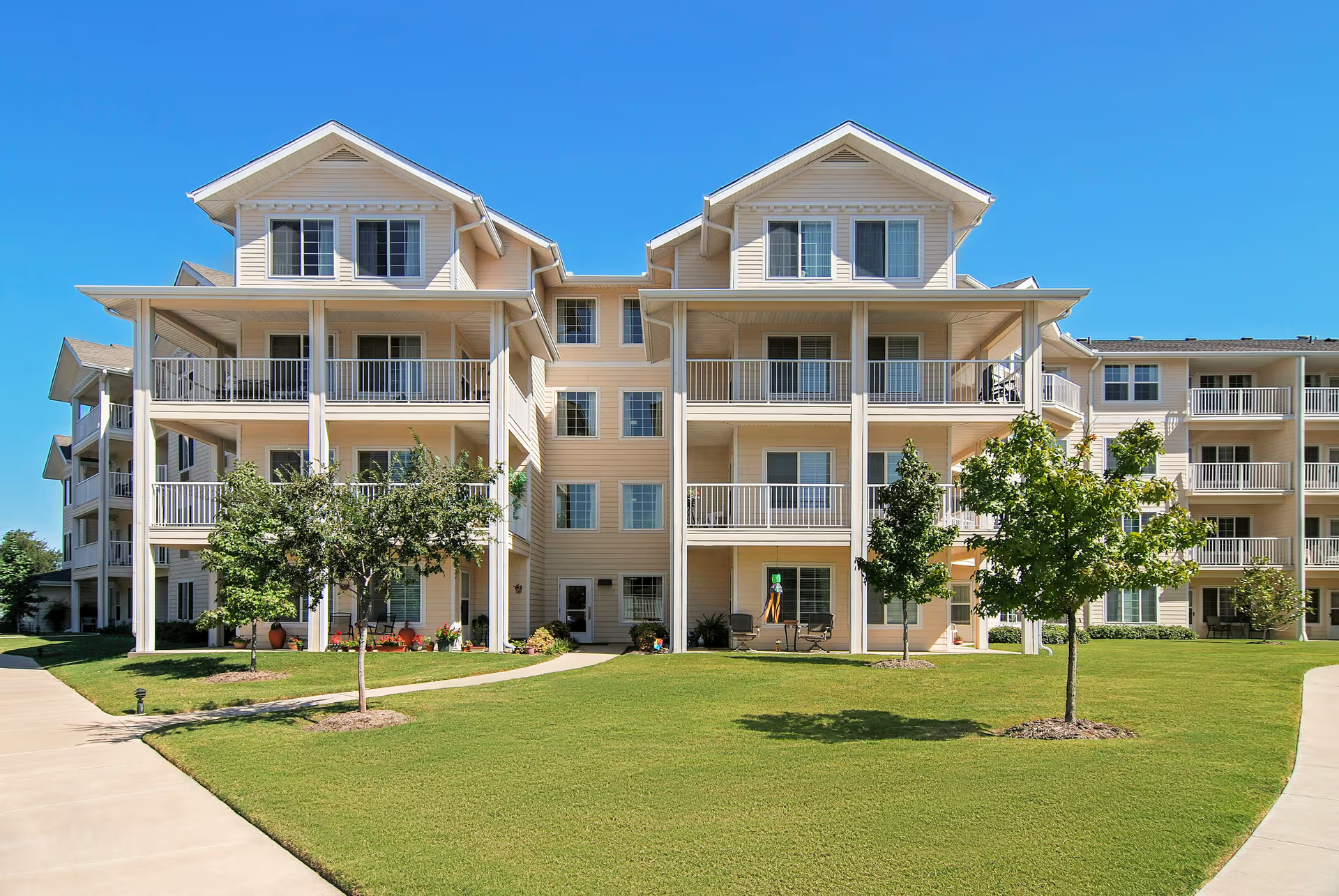
The building itself is an older, multi-floor property with strengths and limitations. Positive notes include attractive common areas in portions of the campus and a pleasant courtyard; maintenance staff are frequently described as responsive. At the same time reviewers raise infrastructure concerns: an older hotel-like layout, narrow hallways, few common spaces in some sections, and potential safety-system gaps were mentioned. There are also mixed reports on cleanliness and pest control — housekeeping is described as ‘‘sparkling’’ by some and inconsistent by others, and isolated pest-control and odor concerns were reported.
Management and operations show evidence of change and variability. Some families report improvements under new ownership and praise proactive admission assistance, billing guidance, and staff who go above and beyond. Other accounts describe high staff turnover, billing and pricing frustrations, lapses in administrative communication, and occasional short staffing. Additional operational gaps noted include occasional misunderstandings of privacy/confidentiality practices and uneven accessibility for residents with sensory or mobility impairments.
Bottom line: Vintage offers many of the features families seek — multi-level care, therapy services, engaging activities, on-site amenities, and a number of compassionate staff members. However, there is a clear pattern of variability in how consistently those strengths are delivered. Prospective residents and family members should tour the specific unit they are considering, ask about staffing ratios and medication-management protocols, review recent staffing and inspection histories, verify transportation and meal-service details, and discuss billing practices to confirm the facility’s current performance aligns with their clinical and quality-of-life expectations.