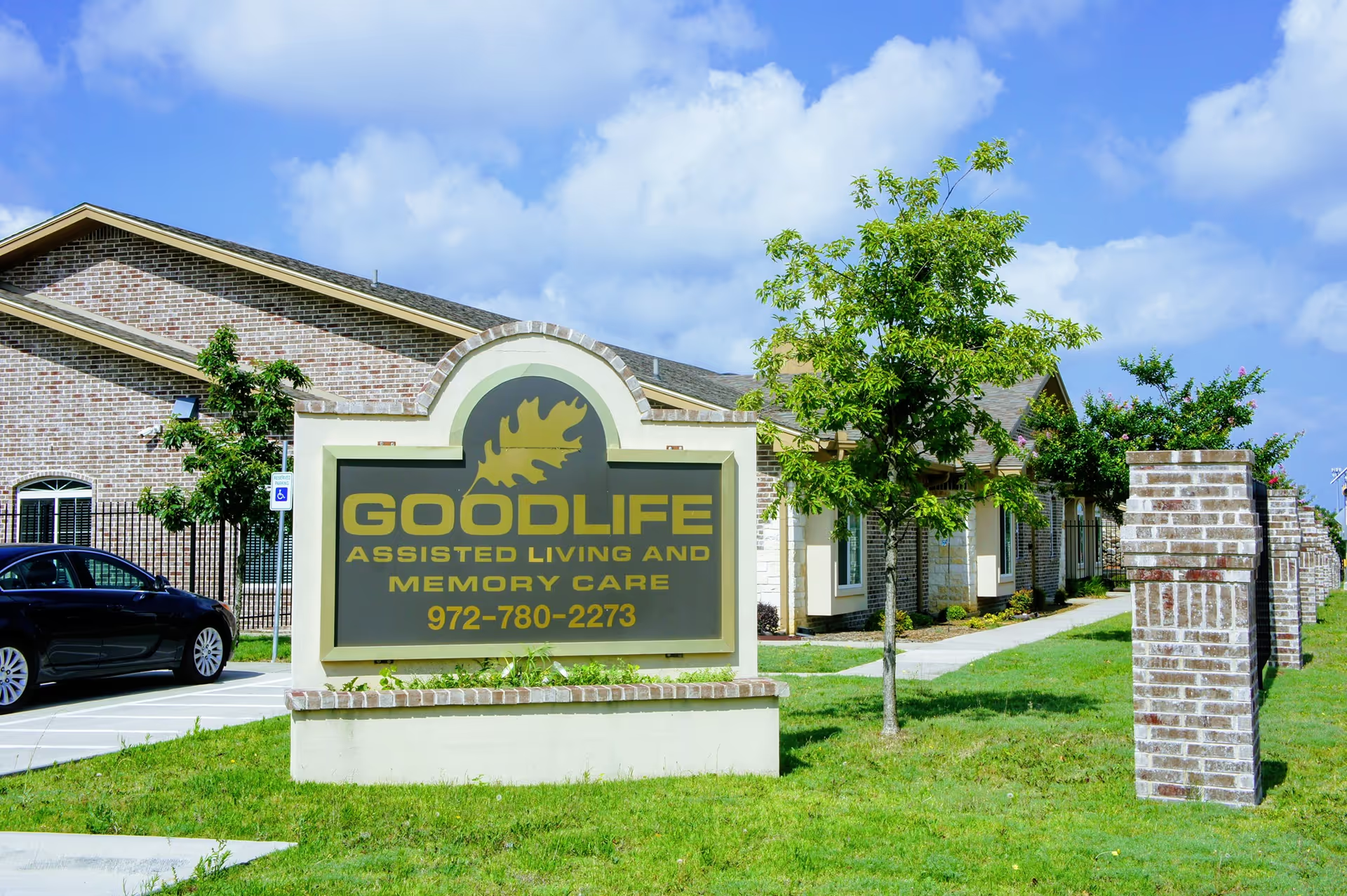
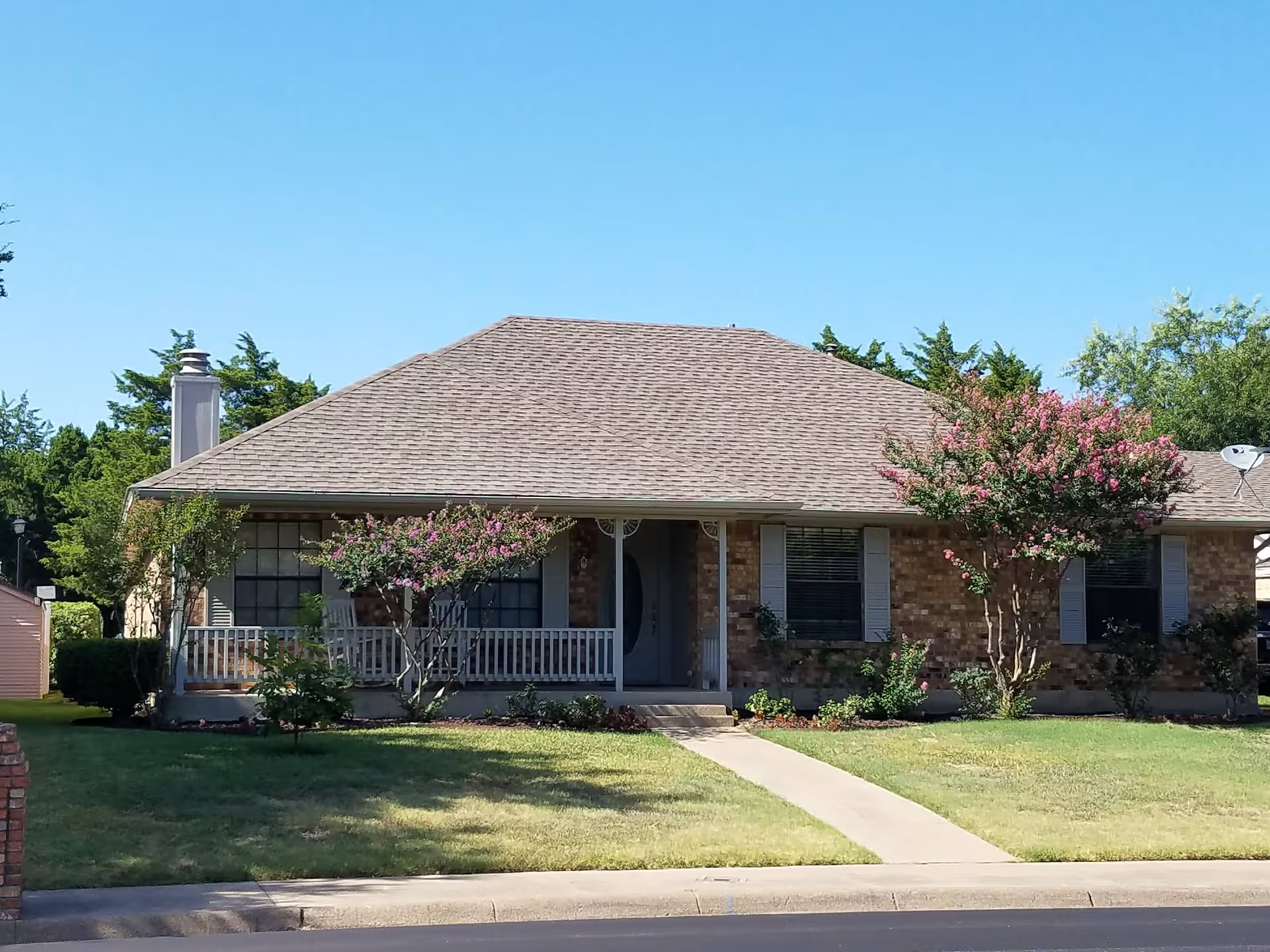
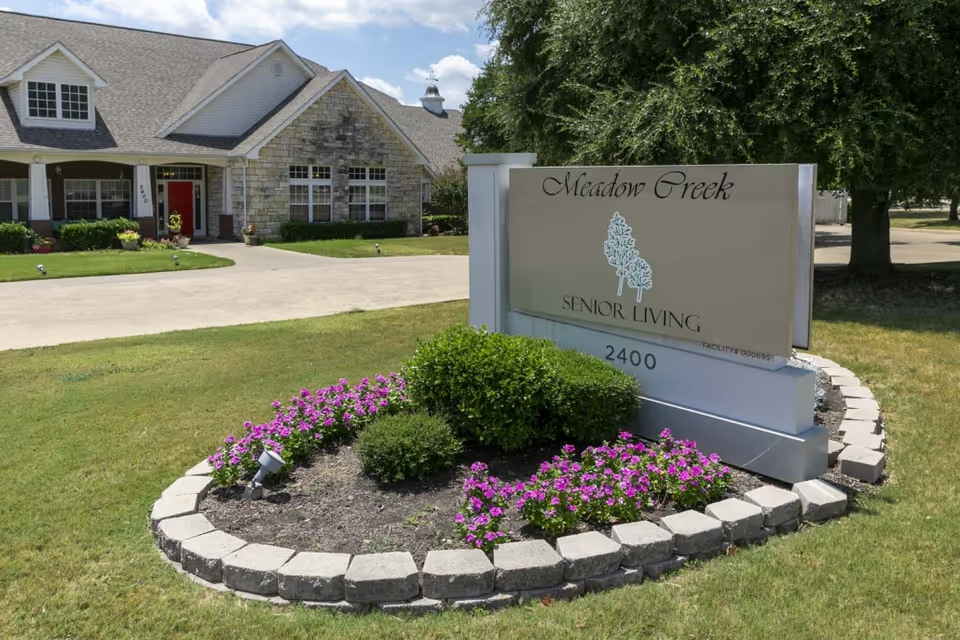
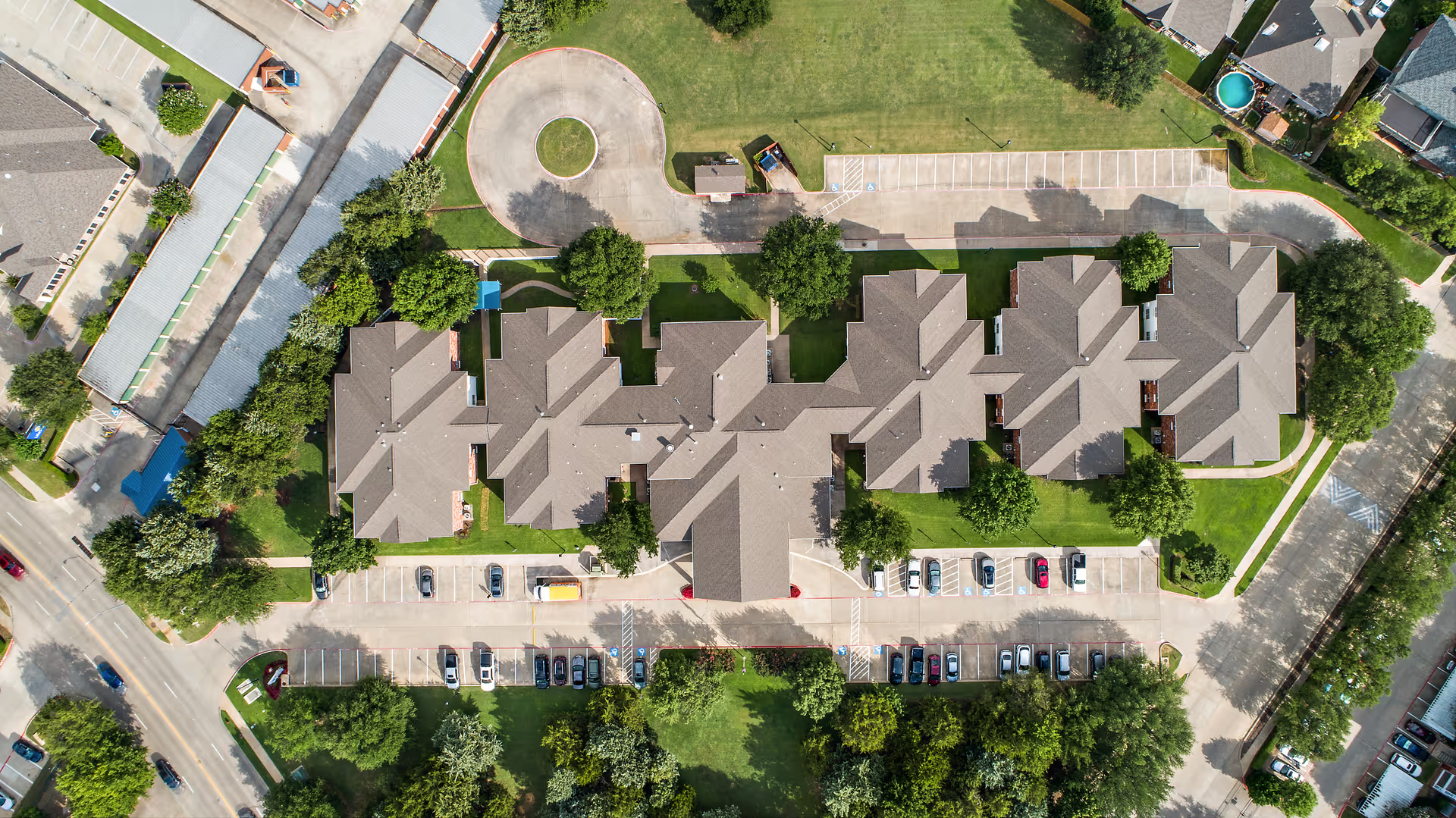
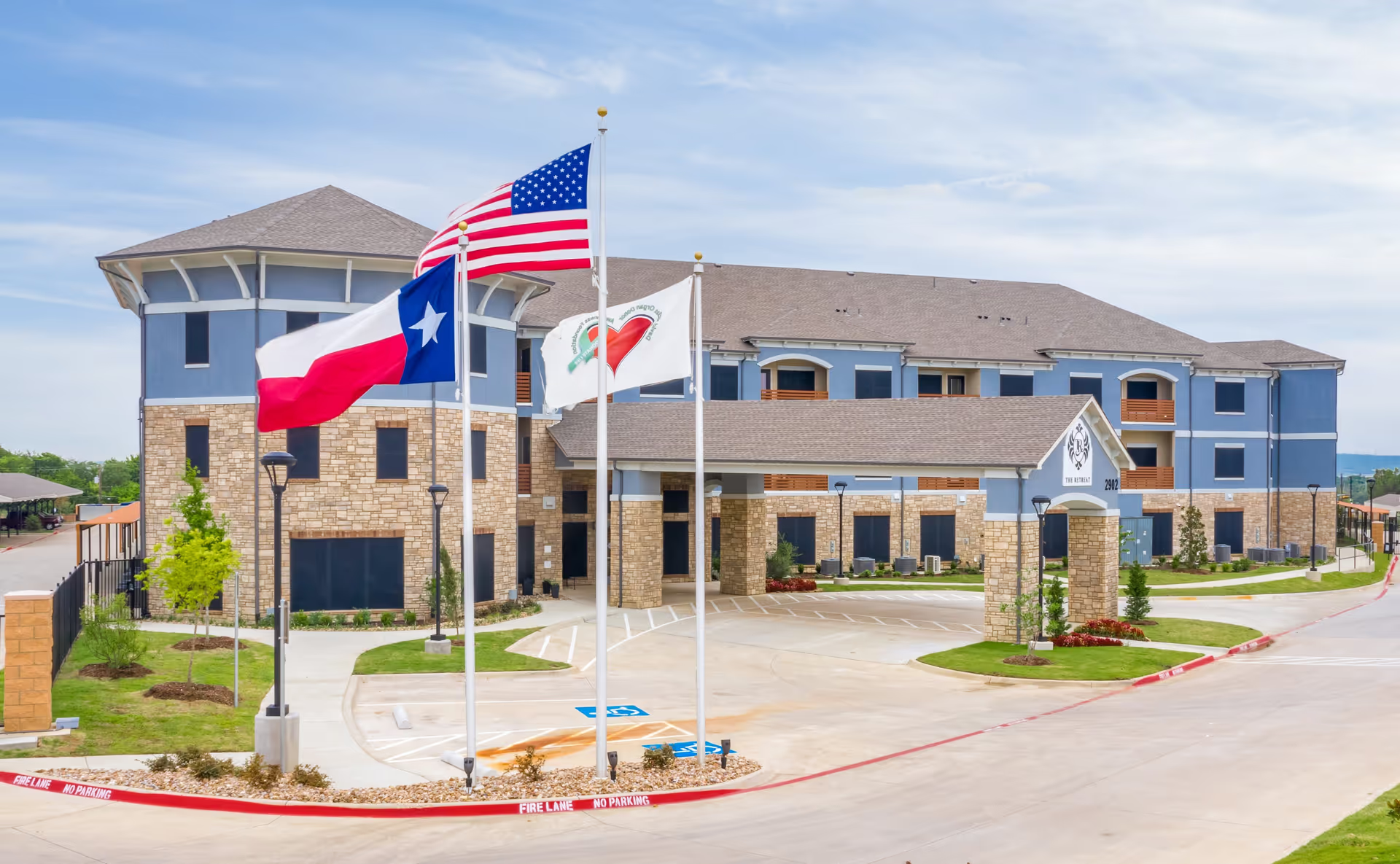
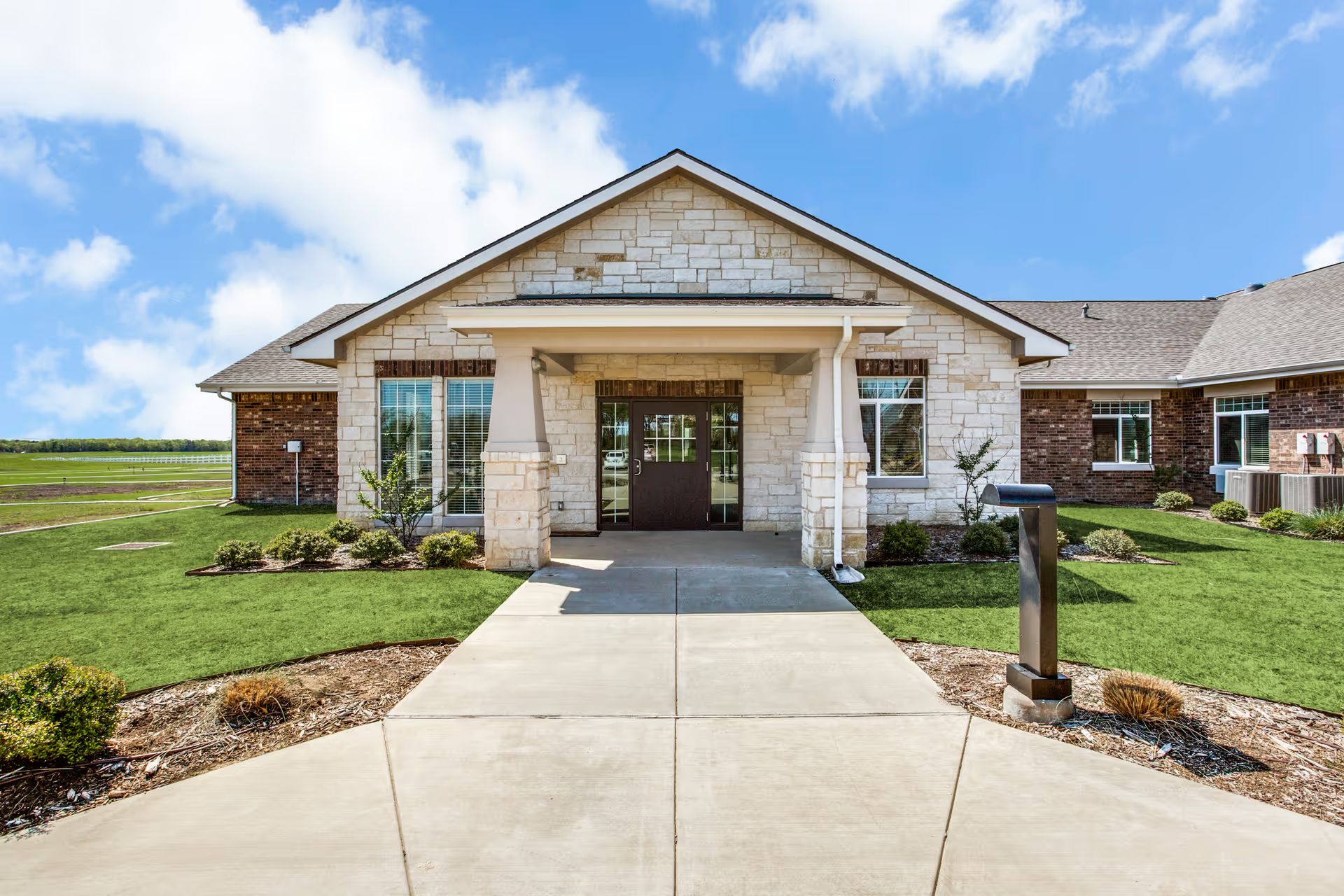
The reviews present a highly mixed picture of Williamsburg Village Healthcare Campus. Numerous families and visitors praised rehabilitation services, specific nurses and CNAs, and aspects of the admissions and business-office teams; several accounts emphasized strong physical therapy outcomes, attentive wound care, and pleasant front-of-house spaces with attractive dining and landscaping. At the same time, a substantial set of concerns recurs across assessments, producing wide variability in the experience depending on unit and shift.
Care quality shows a clear split. Positive narratives emphasize compassionate bedside staff, effective therapy programs, and clinical staff who communicate well with families. Conversely, other accounts describe persistent operational lapses: delayed responses to call lights, missed or late medication doses, inconsistent bathing and hygiene schedules, incontinence-care delays, and instances of falls or wound deterioration. These patterns suggest variability in direct-care delivery and difficulty maintaining consistent standards across all shifts and units.
Staffing and conduct are central themes. Many reviewers identify specific employees and managers who provide excellent, responsive care and leadership; these staff members are frequently singled out as reasons families remained satisfied. Simultaneously, reviewers point to inconsistent staffing levels, high turnover, and variability in professionalism—examples include staff inattentiveness, personal-device use while on duty, and communication tone that families found brusque. These dynamics appear to contribute to delays in care, gaps in supervision (notably on memory-care units), and uneven adherence to protocols.
Dining, activities, and daily life are similarly mixed. The facility receives praise for home-style meals and a skilled kitchen team in several reviews; an activities director is noted for engaging programming. Conversely, there are repeated complaints about meal-service delays, occasional cold or insufficient meals, limited daytime activities leading to boredom, and inconsistent hydration practices. Families considering placement should ask about current meal-service schedules, portioning, and the activity calendar.
Facility condition and safety concerns are repeatedly raised alongside positive descriptions of the campus entry, dining room, and some well-kept wings. Reviewers cited maintenance problems such as unreliable showers, broken furniture and wardrobes, heating/cooling inconsistencies, and pest-control concerns. There are also security and property-management issues described, including missing personal items and at least one allegation of staff accessing resident cameras. These examples point to a need for clearer property-management controls and a prioritized maintenance plan.
Management and accountability vary by reviewer. Some families describe a responsive administration, proactive nurse managers, and social-work staff who resolve issues quickly. Others report difficulty reaching administrators, delayed family notification after clinical incidents or emergency transfers, documentation inconsistencies, and serious allegations including falsified records and financial misconduct. Given the seriousness of those claims, families should review recent inspection reports, ask about incident-reporting procedures, and seek written assurances about communication protocols and accountability mechanisms.
Overall pattern and guidance: Williamsburg Village demonstrates pockets of strong clinical and rehabilitative care and has staff and leaders who consistently receive high praise. However, the facility also exhibits systematic weaknesses—largely tied to staffing consistency, maintenance, sanitation controls, communication, and documentation—that produce widely divergent resident experiences. Prospective residents and families should conduct an in-person tour, request unit-level staffing ratios, review recent state inspection and incident records, ask for examples of medication-management safeguards, clarify memory-care supervision practices, and meet members of the direct-care and management teams before making placement decisions.