Serenity Gardens - Dickinson is consistently described as a small, home-like memory-care community with a strong emphasis on personalized dementia care. The facility's scale (maximum about 16 residents) contributes to an intimate environment where families report individualized attention, proactive health monitoring, and a calm, domestic atmosphere rather than an institutional feel. Many families highlighted the facility's ability to provide compassionate end-of-life support and emotional guidance, and several noted proactive responses during emergencies and infection-control periods.
Care quality and staffing are central strengths in most accounts. Caregivers are frequently characterized as attentive, knowledgeable about residents' histories and preferences, and willing to provide one-on-one interaction. Owner-led management and accessible leadership—including named administrative staff—are cited as contributors to strong family communication, continuity of care, and timely updates. That said, there are accounts indicating variability in interpersonal conduct: at least one family described a confrontational interaction with a nurse that undermined trust. This suggests that while staff dedication is a consistent theme, individual experiences of staff tone and communication can differ.
Dining and daily life are commonly praised. Meals are described as made from scratch on-site, fresh, well-balanced, and served in a communal setting; reviewers emphasized variety, use of fresh produce, and the family-style dining experience. Activities programming appears active and varied, with group events (music, dancing, crafts, movies) and frequent one-on-one engagement tailored to memory-care residents. The atmosphere is repeatedly described as lively, reassuring, and family-oriented.
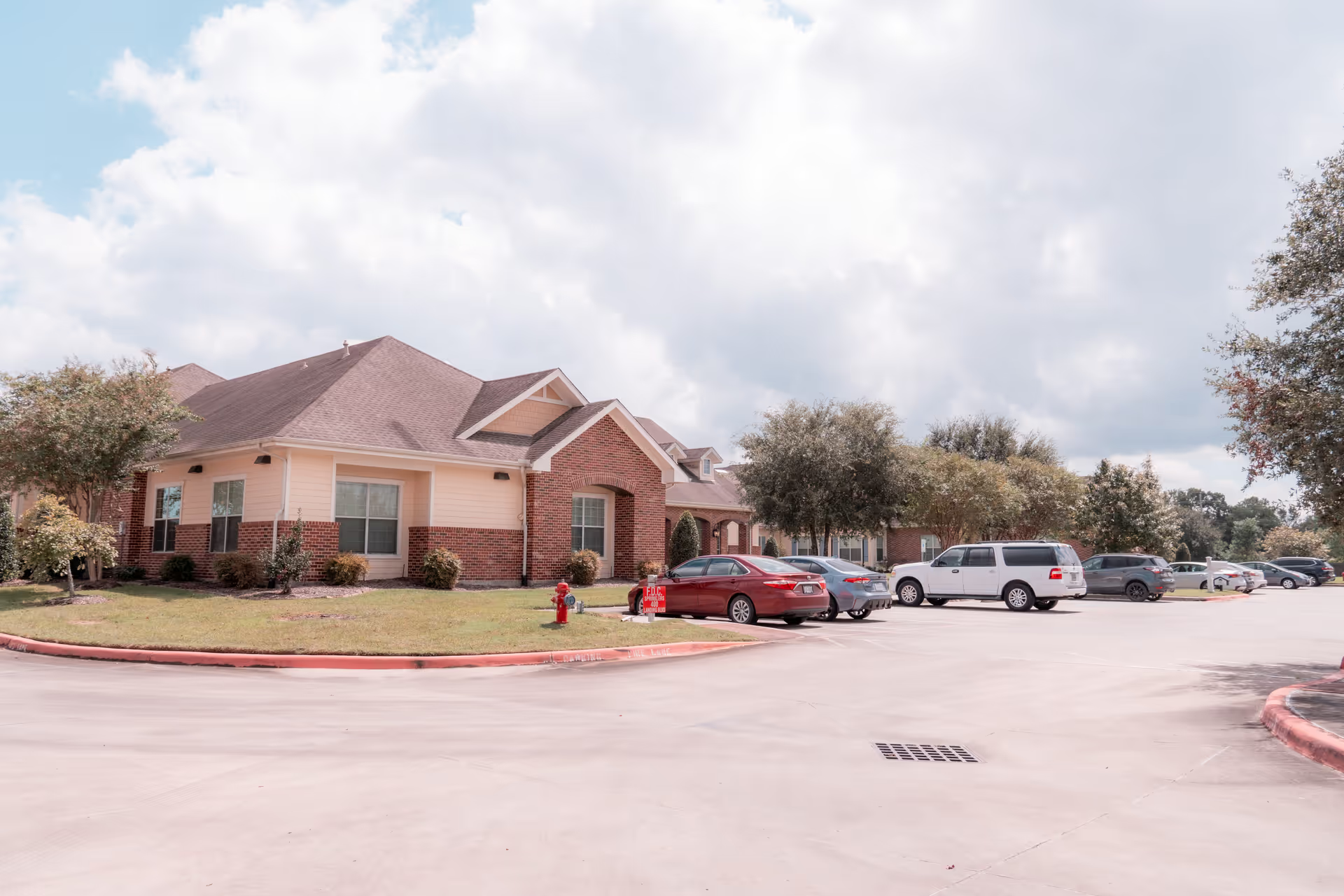
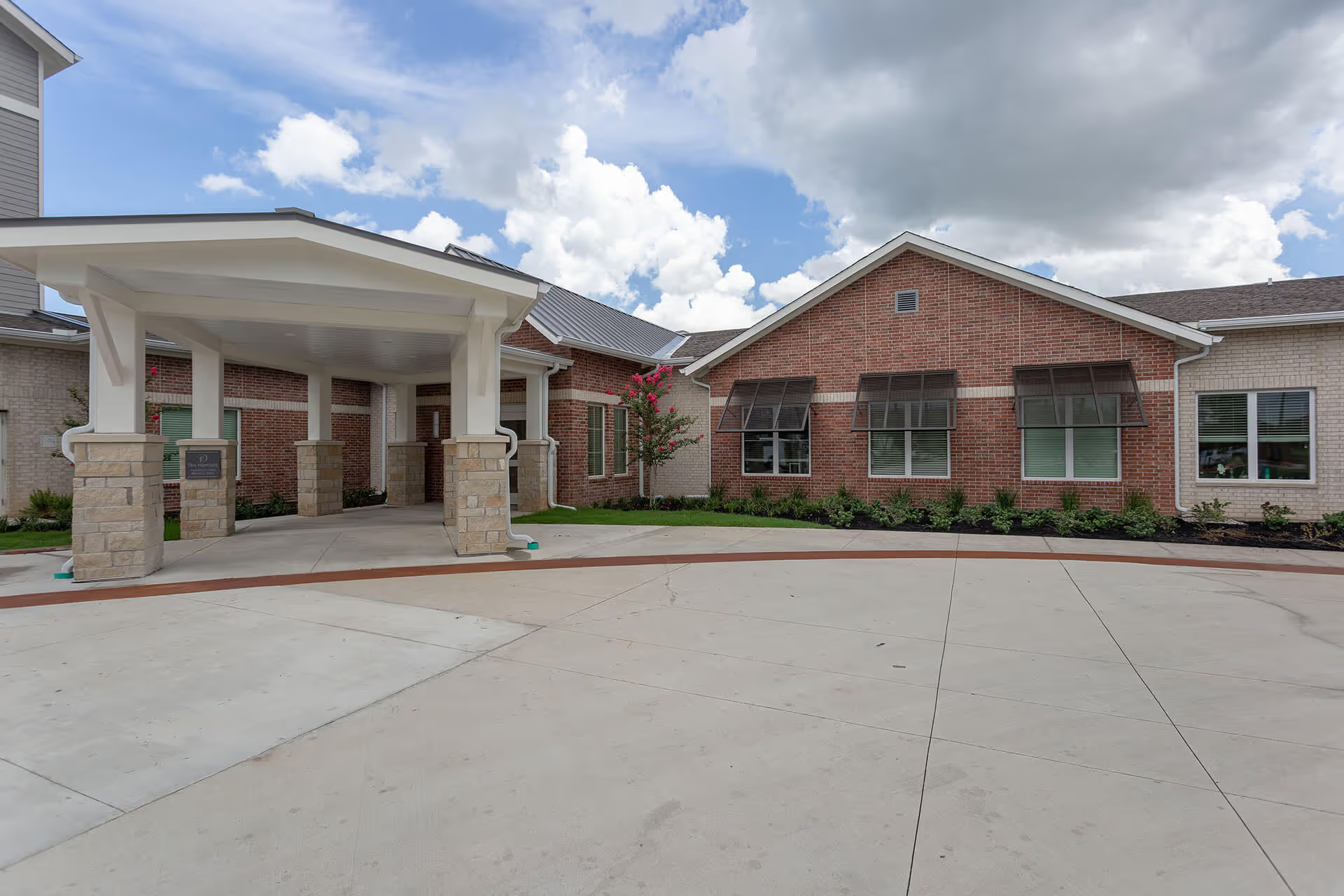
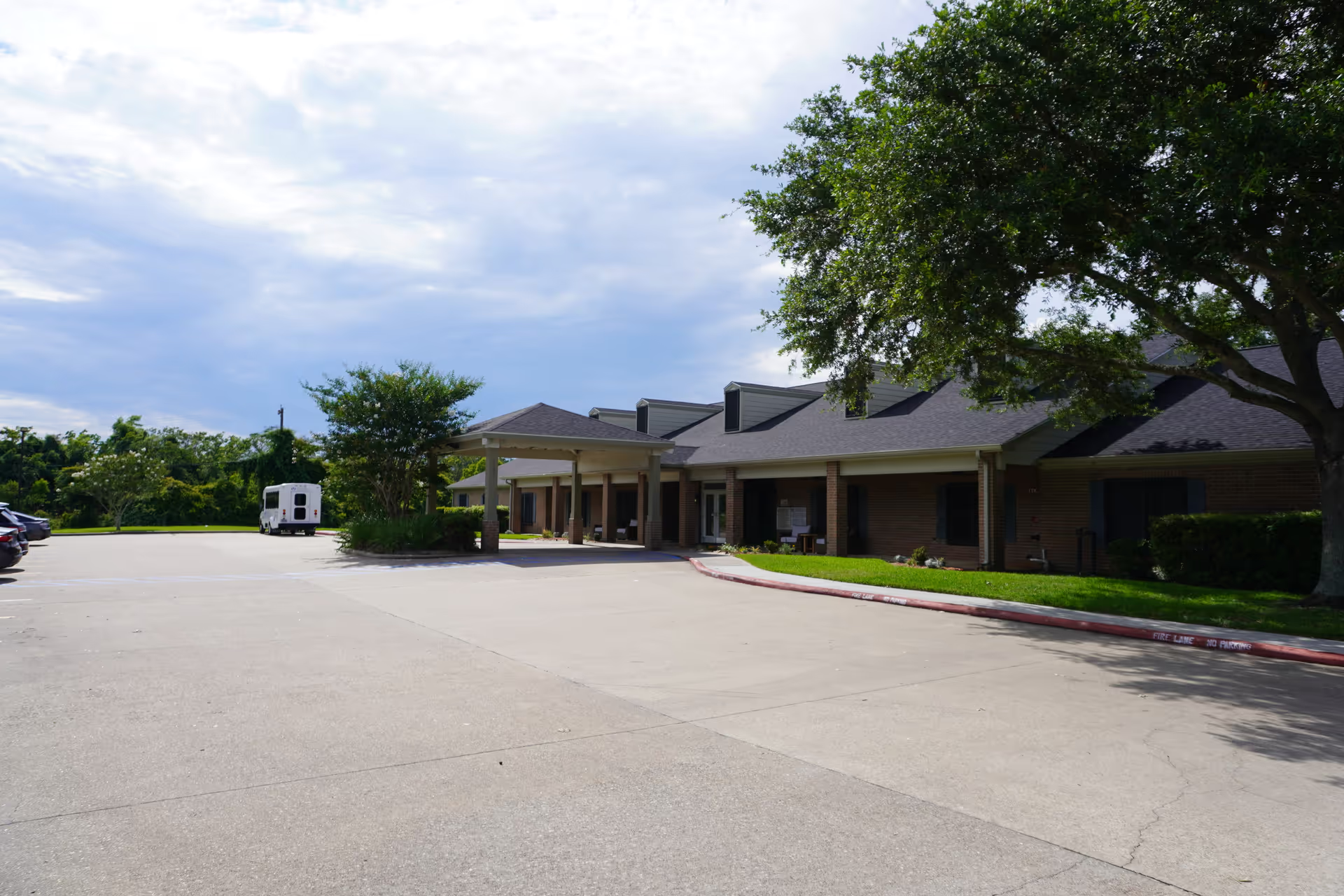
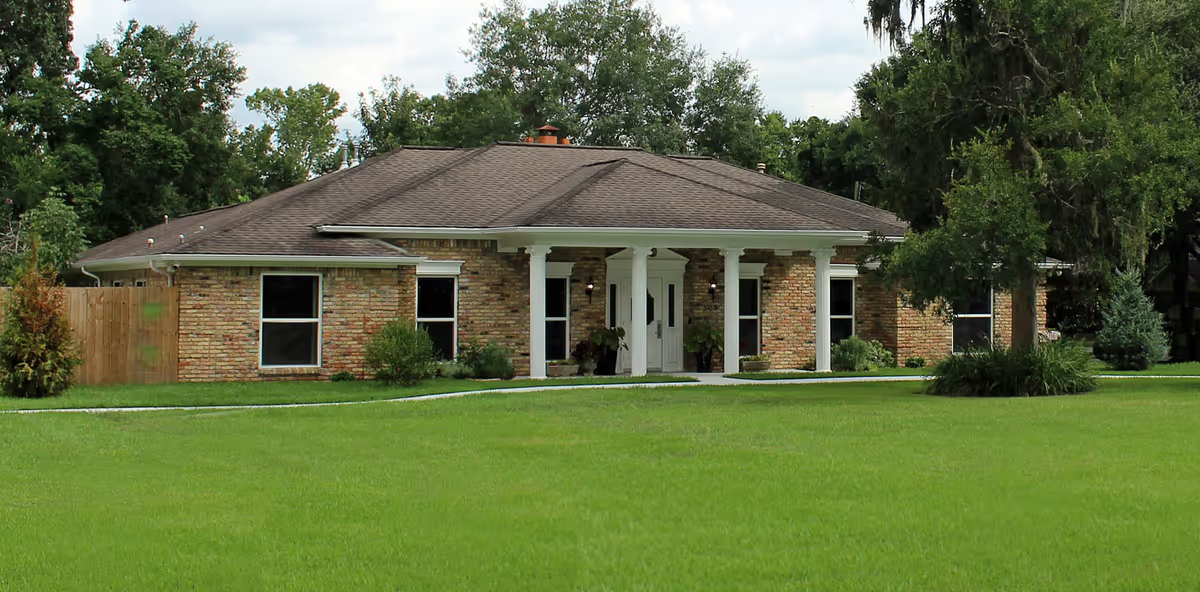
The physical plant is also noted positively: reviewers describe new, well-designed, clean, and well-maintained buildings with a homey aesthetic and safe environment. The small scale is framed as an asset for personalized attention, though it also creates operational limits—capacity is constrained and programs are sized for a small resident group. Pet-friendliness is mentioned (resident dog), which contributes to the homelike atmosphere.
Cost and fit are the most recurrent caveats. Several families consider the price high but justified by the level of care; others find the pricing prohibitive for their budgets. The small size also means the community may not be the right match for every resident profile—some families noted that resident–community compatibility can vary over time. Prospective families should weigh the trade-offs between personalized, small-scale memory care and higher cost/limited capacity. During a visit, it is advisable to observe staff–resident interactions directly, ask about staff training and consistency, review policies on admission-fit and transitions, and get clear, itemized pricing to assess affordability.