Reviewers describe a facility with several clear strengths alongside notable operational inconsistencies. Strengths most consistently emphasized are the quality of direct care and rehabilitation: nurses, CNAs, therapists, and activity staff are frequently characterized as compassionate, attentive, and effective. The therapy/rehab program is a standout for many families, with measurable progress, attentive physical and occupational therapists, and positive outpatient follow-up. Several accounts also highlight smooth hospice transitions and individualized care planning for end-of-life needs.
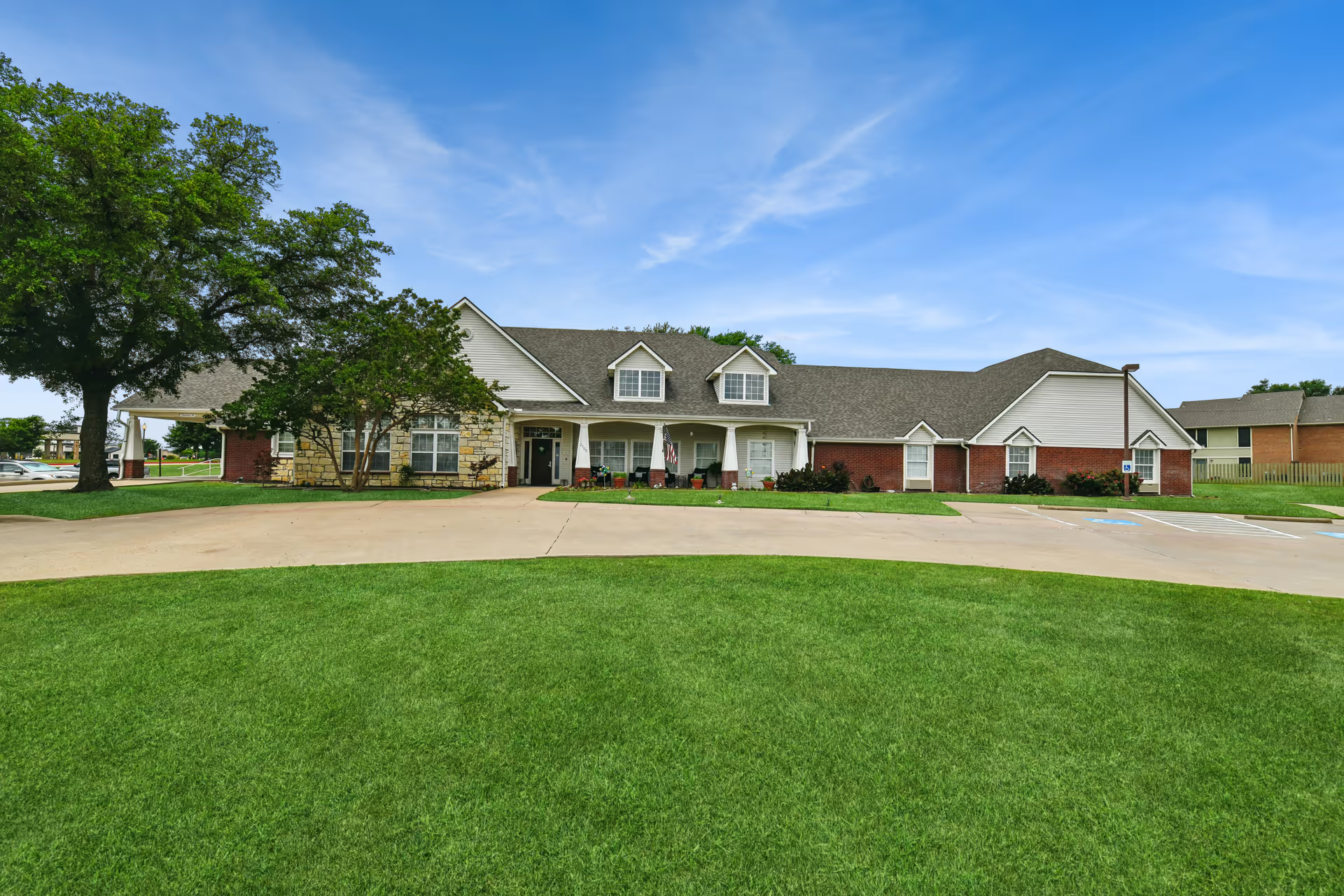
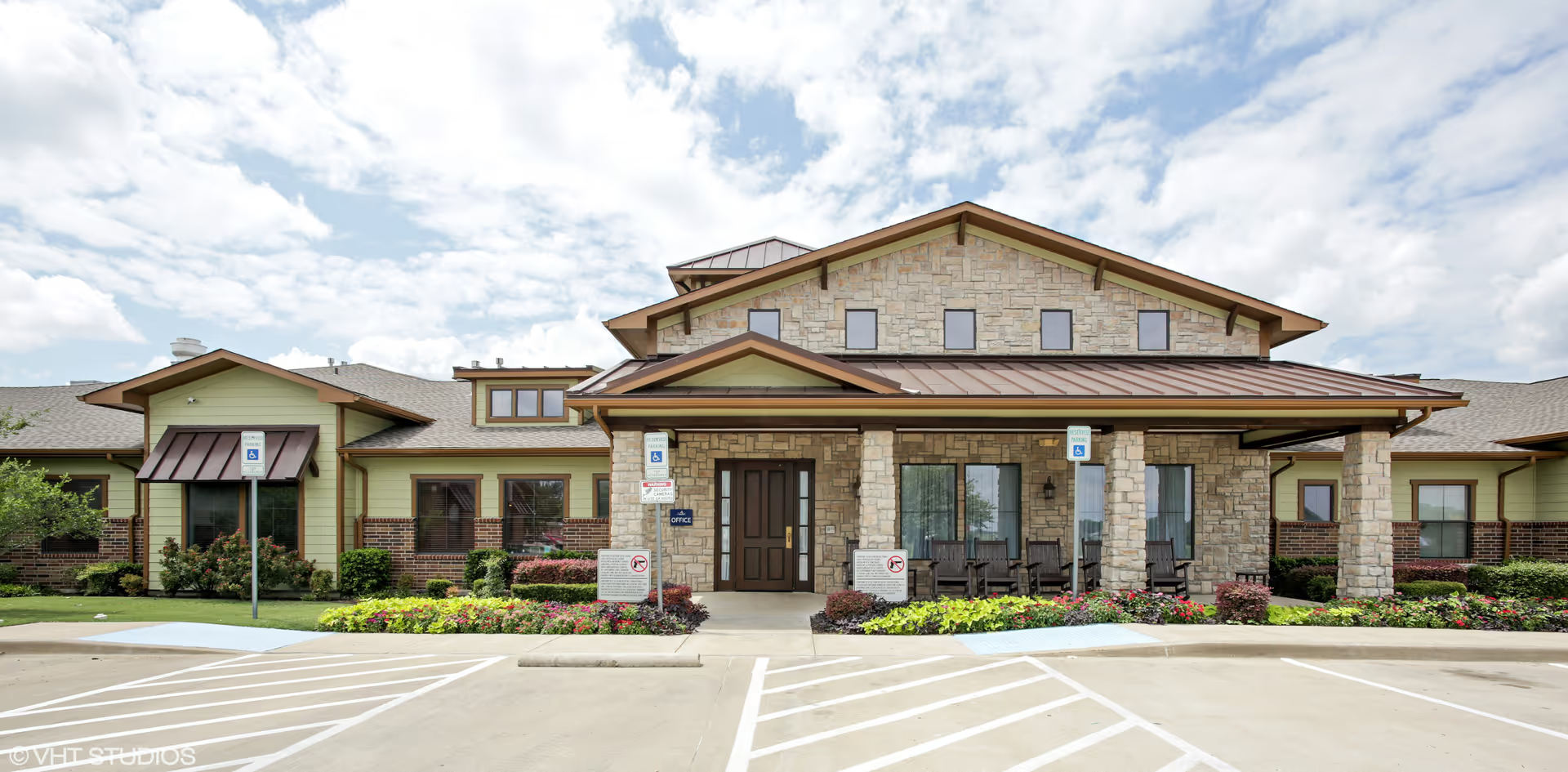
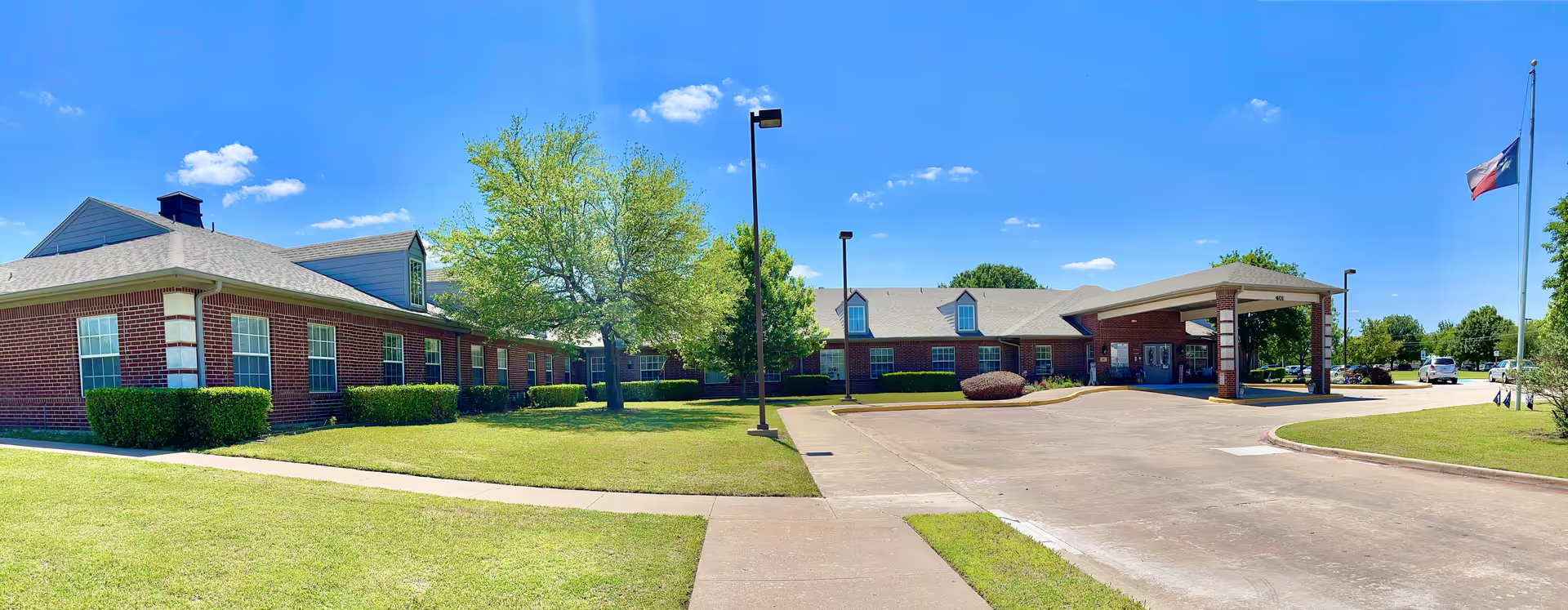
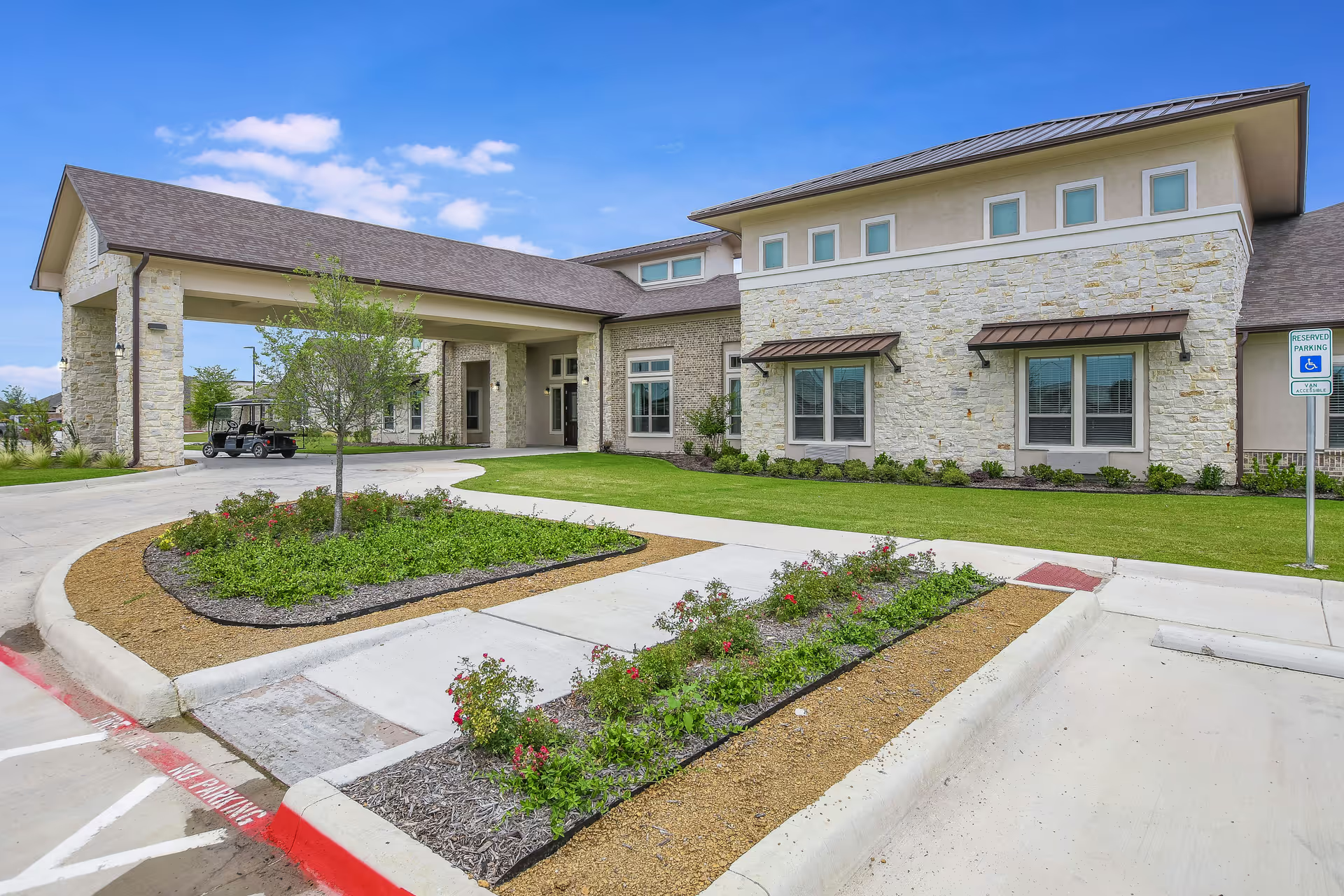
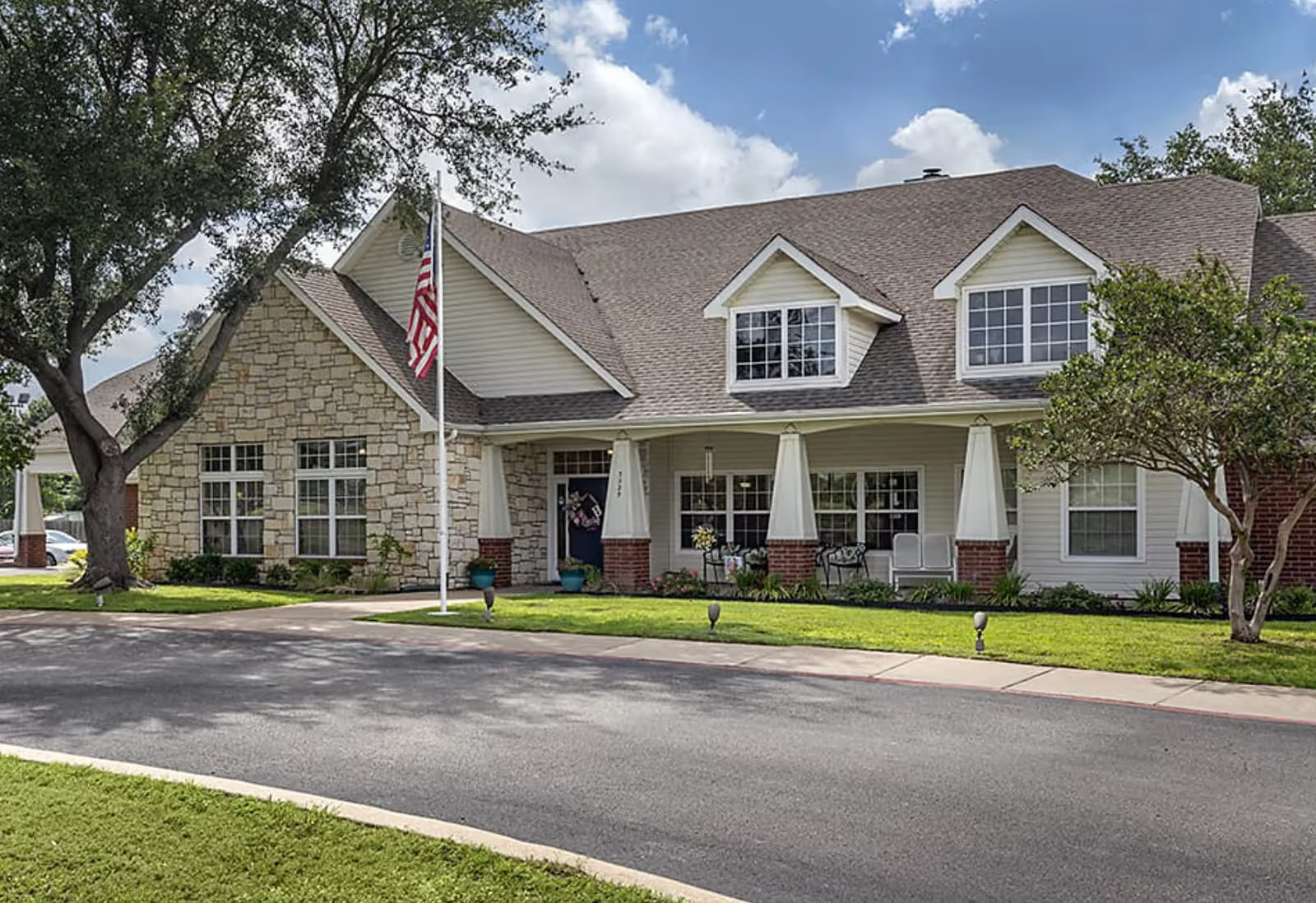
Facilities and atmosphere receive positive comments: the building is described as modern, well maintained, and generally clean, with inviting common areas and private or semi-private rooms that include showers. The dining room is often praised as well-kept, communal dining is encouraged, and many families liked the food and meal experience. Programming and social engagement are strong points — bingo, music nights (including a weekly polka band), games, puzzles, iPad-supported therapy, and other activities are mentioned as contributing to a lively, home-like environment.
Despite these strengths, recurring operational concerns appear across reviews. Housekeeping and sanitation are uneven: some comments point to problems with room cleanliness and tray handling. Personal-care assistance shows variability, with reports indicating inconsistent bathing and grooming support. Staffing levels and turnover are a frequent theme — understaffing and new hires requiring additional training are linked to delays in responding to call lights and inconsistent caregiver availability. Communication is generally praised in many accounts, but others cite variability in responsiveness and in the tone of staff interactions. Medication management also attracted concern in a subset of comments, suggesting inconsistent practices or communication about medication changes.
Dining and ancillary services show mixed experiences. While many reviewers enjoyed meals and the flexible dining policy, others described occasional lapses such as cold or missed meals and uneven food quality. Therapy availability, while a strong asset overall, is not uniformly experienced; some families wished for more therapy hours or consistency. A small number of serious individual allegations — including concerns about unauthorized entry into resident rooms and missing personal items — were raised and should prompt further inquiry by family members and regulators if corroborated.
In summary, Legend Oaks Healthcare and Rehabilitation - Ennis appears to offer a solid rehabilitation program, engaged activity offerings, and a generally pleasant physical environment supported by many caring staff members and responsive management. Prospective residents and families should weigh these positives against documented operational weaknesses: inconsistent housekeeping and personal-care assistance, staffing variability, and occasional food-service and medication-management issues. Visiting the facility, speaking with current families, and reviewing recent inspection or staffing records will help assess whether the operational gaps have been addressed and whether the facility is a good fit for a specific resident's needs.