Reviews for Cityview Nursing and Rehabilitation Center are strongly polarized: many accounts praise compassionate clinical staff, strong therapy teams, and a clean, attractive facility, while others identify operational weaknesses that affect safety and daily care. Positive comments frequently single out particular nurses, ADON/DON leaders, therapy staff, and front-desk personnel as attentive and helpful; several families described good short-term rehabilitation outcomes, timely maintenance and housekeeping, and engaging activity programs. At the same time, a substantial subset of reviews describes care lapses that point to systemic issues rather than isolated incidents.
Care quality and staff behavior present a mixed picture. Numerous reviews emphasize caring, responsive nurses, aides, and therapists who provide dignity and individualized attention. Conversely, concerns include slow or inconsistent responses to call lights, missed or delayed medication administration, documentation lapses, and deficits in wound and incontinence oversight. Staffing variability and shift coverage problems are a recurring theme and correlate with the cited delays in assistance, missed treatments, and inconsistent rehabilitation intensity. There are also multiple mentions of communication tone and availability problems with specific staff and of hygiene or sanitation concerns in certain areas.
Dining and activity programming likewise show variability. Some reviewers praised well-proportioned recovery meals and enjoyable dining experiences; others described late meals, small portions, cold food, and inconsistent weekend coverage. Activity offerings and engagement receive positive comments where programming is stable, but several accounts describe a decline in stimulation and organized activities following staff turnover, with specific concern about continuity after entertainment or activities coordinators departed.
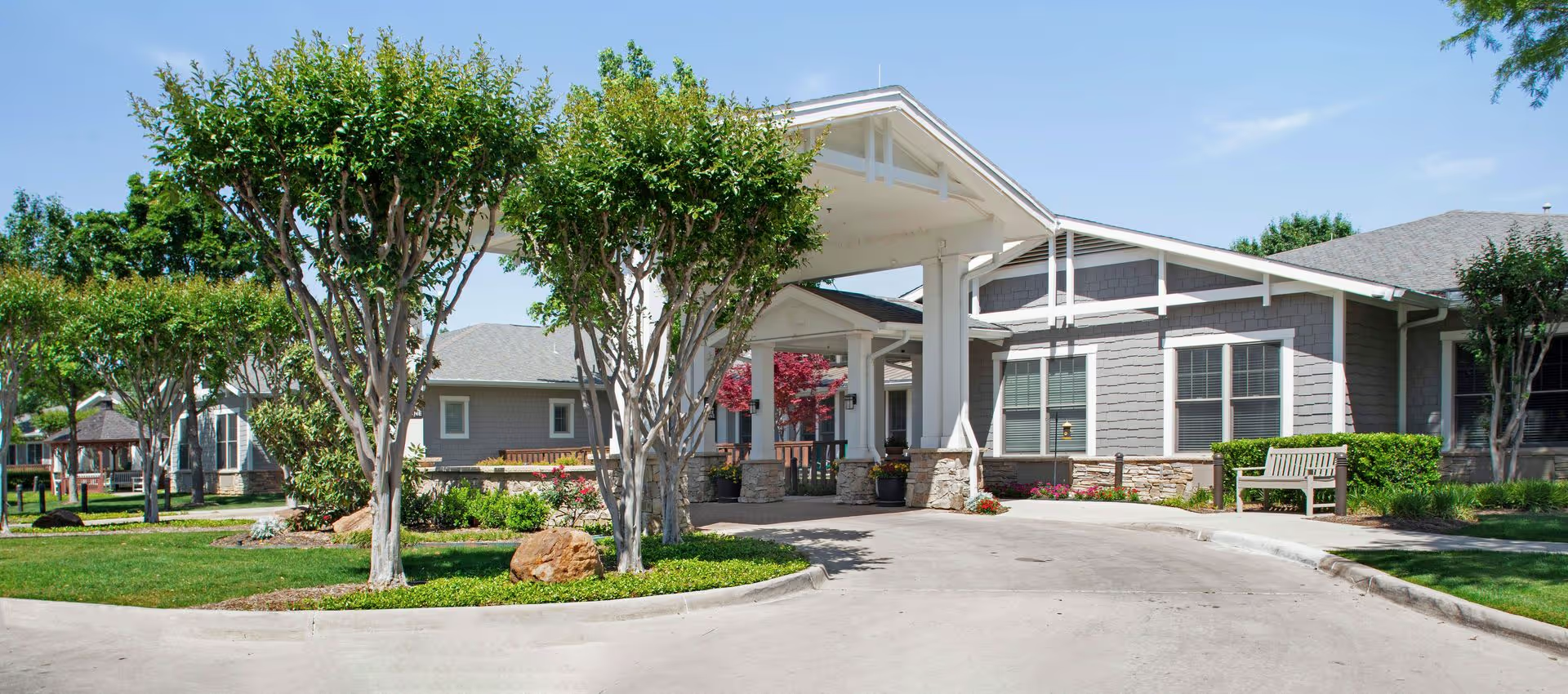
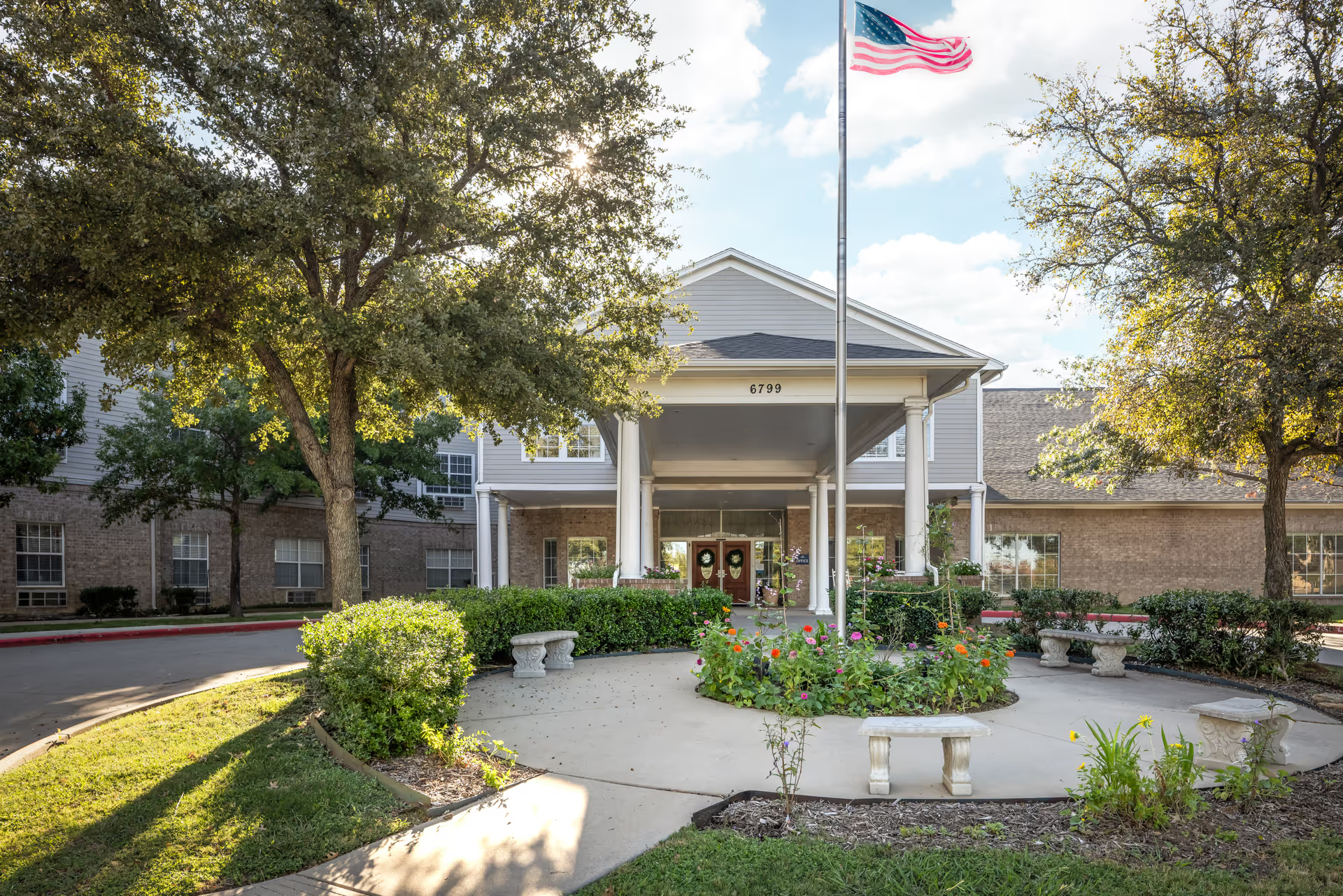
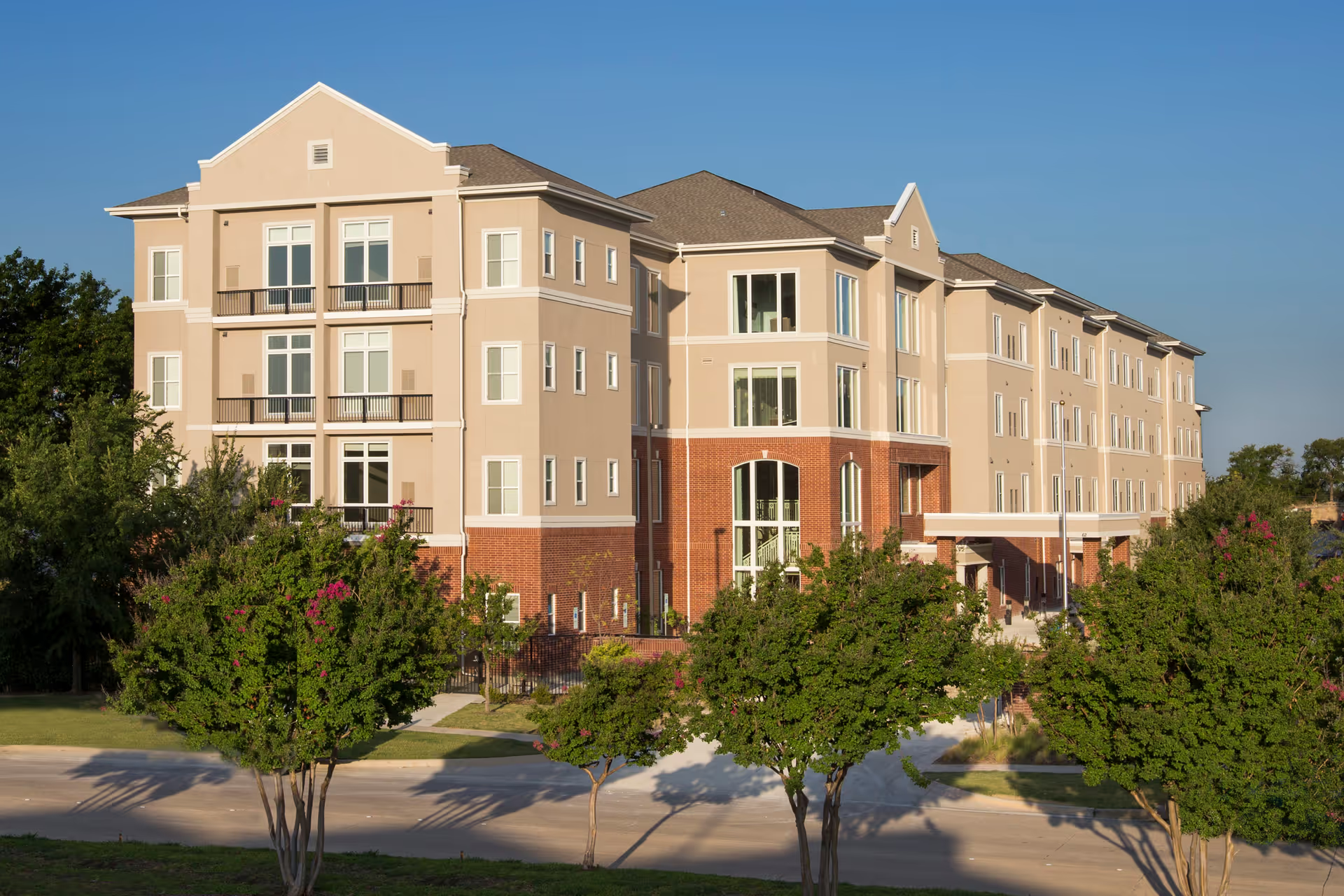
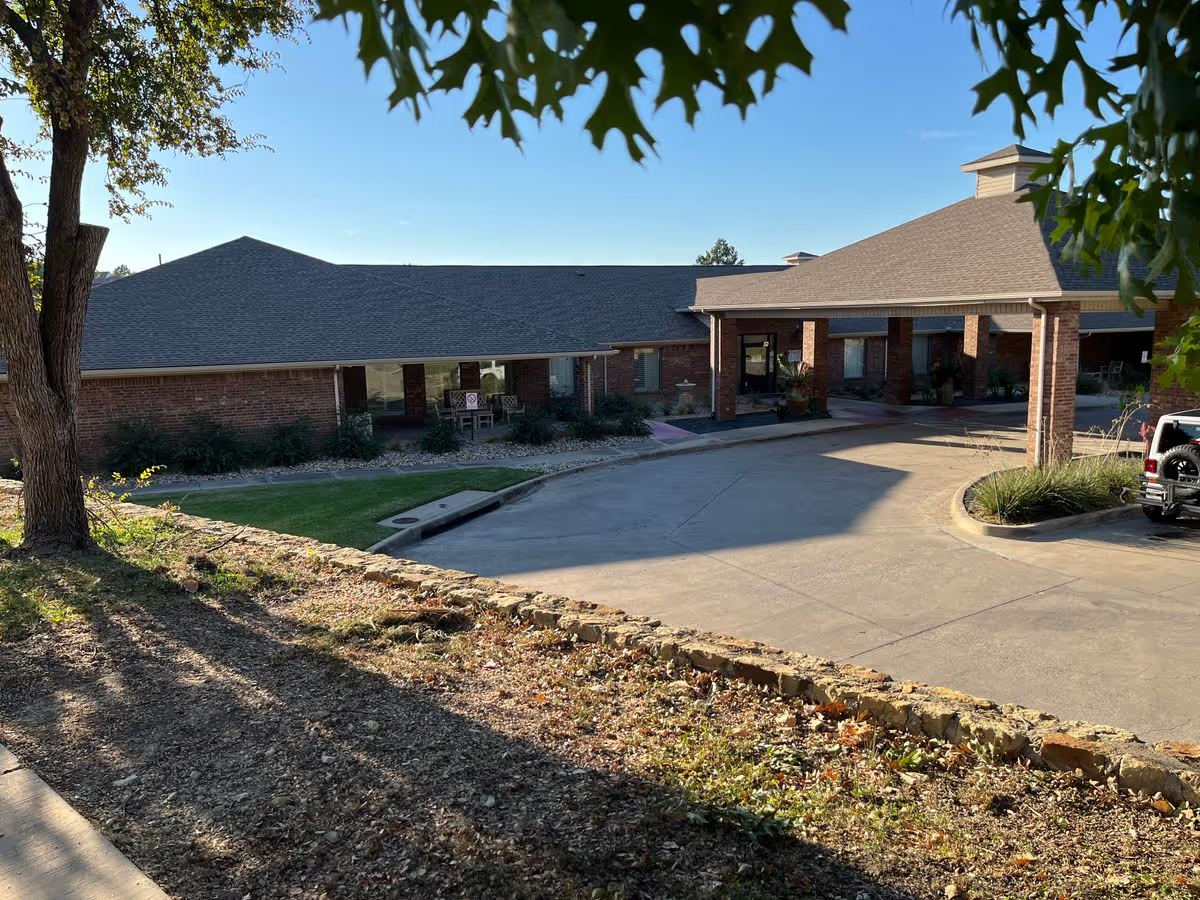
Facility condition and safety are described in both positive and negative terms. The building, recent remodels, and grounds are noted as pleasant, clean, and welcoming by many families. At the same time, isolated maintenance problems (for example, HVAC outages), pest-control concerns, and uneven sanitation controls in some units are described. Safety-related themes include gaps in fall-prevention measures, inconsistent transfer practices, and instances where transportation or appointment logistics were handled poorly; these concerns are frequently linked to staffing shortages.
Management, administration, and business-office processes show inconsistent performance. Several reviewers commended admissions staff, certain administrators, and clinical leaders for responsiveness and problem resolution. Others described poor communication, delayed or absent follow-up from department heads, billing-process deficiencies, and contested charges; there are also allegations of theft and billing irregularities in a limited number of accounts and concerns following a resident's death that families felt were not adequately communicated. These organizational issues appear to amplify frontline staffing and care challenges when they coincide.
Overall pattern and guidance: the facility demonstrates clear strengths in individualized caregiving, therapy services, and facility upkeep when staffing and leadership engagement are stable. However, recurring operational weaknesses — most notably inconsistent staffing, delayed responses to needs, variability in clinical administration (medications, wound care), and gaps in communication and billing processes — create risk for residents, particularly those with higher acuity or dementia. Prospective residents and families should verify current staffing ratios and turnover, ask for written protocols on medication administration, wound and incontinence care, fall-prevention and transfer procedures, activity schedules, meal service hours and portions, pest-control and sanitation checks, and billing practices. During any stay, close monitoring and regular, documented communication with the clinical team can help identify problems early; families who desire more oversight may find that outcomes improve when they are actively engaged with the care team.