Overall impression: Reviews for Marine Creek Nursing & Rehabilitation are highly mixed, ranging from strong praise for individual caregivers and clinical programs to serious operational concerns. Several families describe consistent, high-quality care from specific clinicians and therapy teams, while others describe significant breakdowns in routine care, communication, and facility operations. This creates a polarized picture that prospective families should investigate carefully.
Care quality: Positive accounts highlight attentive nursing, strong wound-care expertise, and effective rehabilitation therapies that helped residents regain function. At the same time, there are recurrent descriptions of inconsistent care delivery across shifts—examples include slow responses to call lights, delays attending to residents after falls, and irregular personal-care or bathing schedules. There are also concerns about medication management and clinical monitoring that prospective families should review with administrators and the medical team.
Staff and communication: Many reviewers singled out individual staff and small teams for compassion and responsiveness; admissions staff and some leaders were also praised for being informative and welcoming. However, other reviewers reported high turnover among aides and nurses, long hold times on calls, unresponsive nurses at times, and an overall pattern of weak communication with families. There are accounts of families feeling excluded from care conversations or experiencing difficulty obtaining records and timely updates, which suggests opportunities to strengthen family-engagement processes.
Dining and activities: Opinions on dining are mixed. Several families described good food and positive dining experiences, whereas others found meal quality inconsistent. Activity programming is frequently cited as a strength: reviewers note a variety of activities, personalization to resident interests, and staff who make an effort to create an engaging environment.
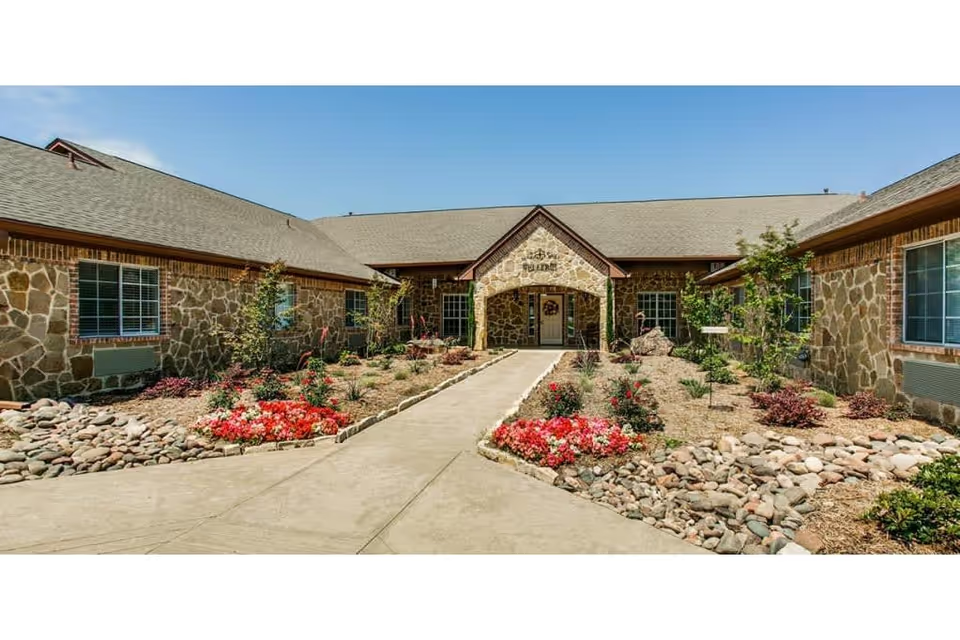
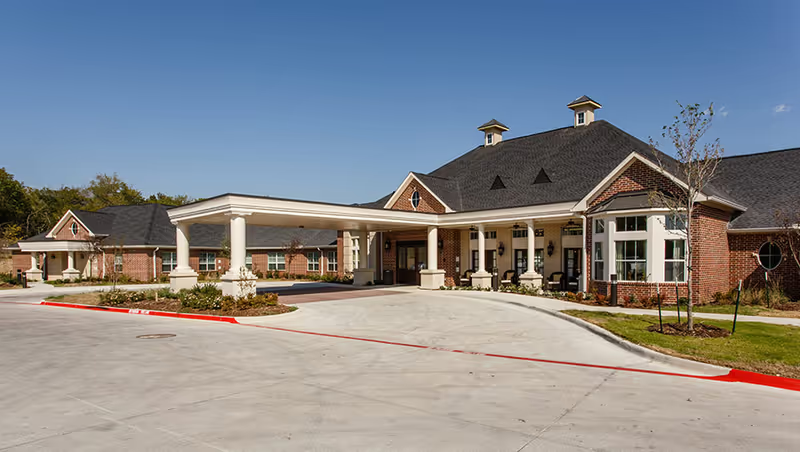
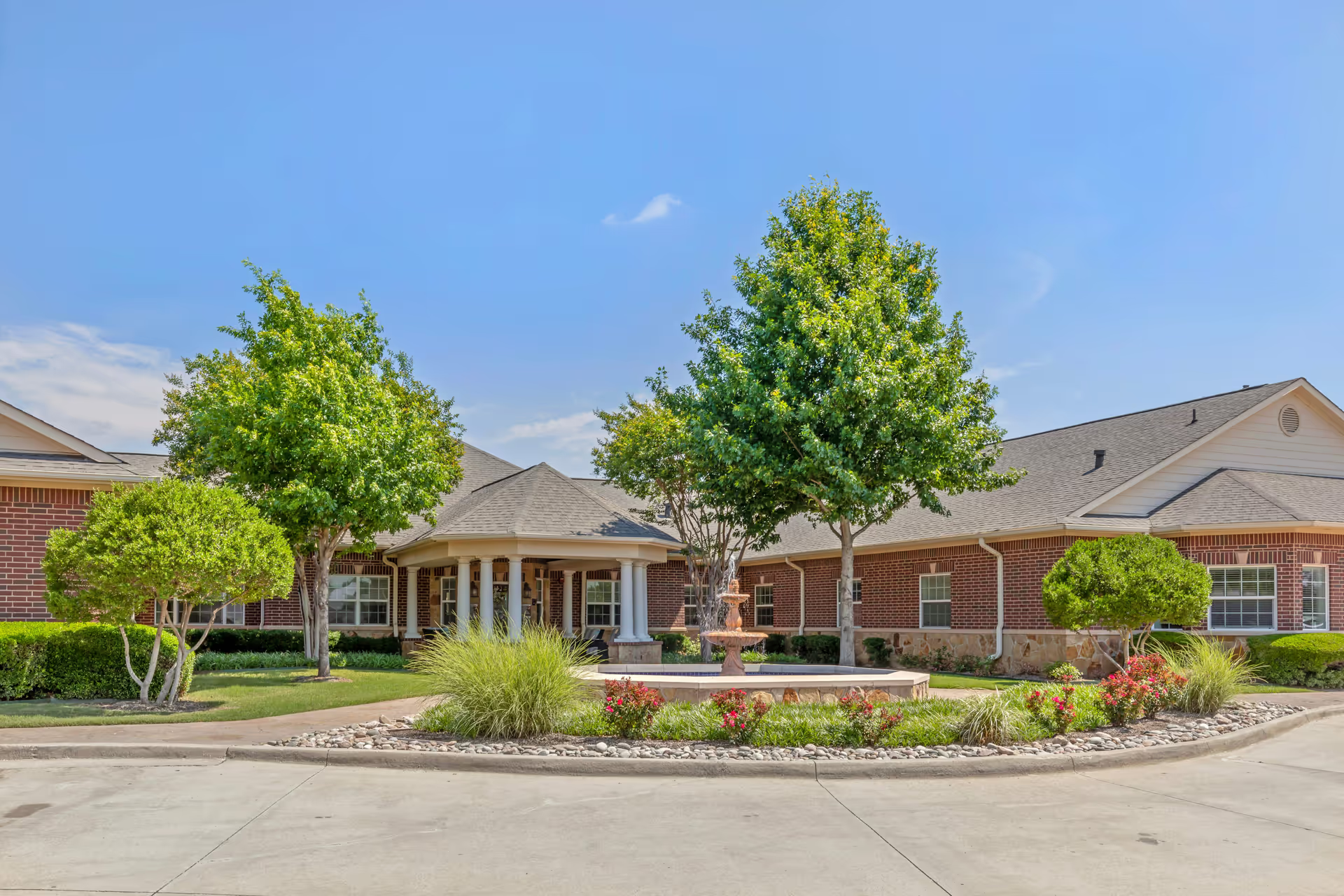
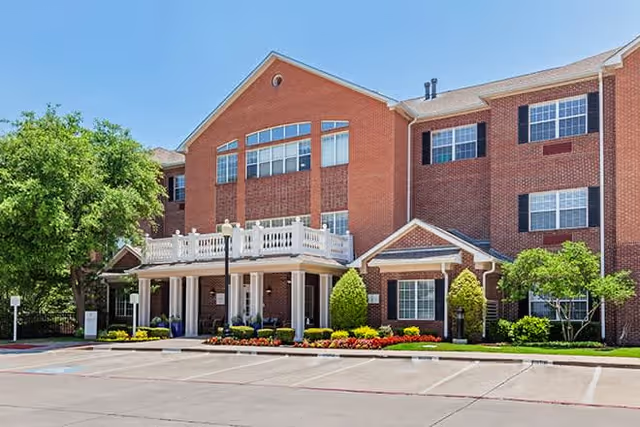
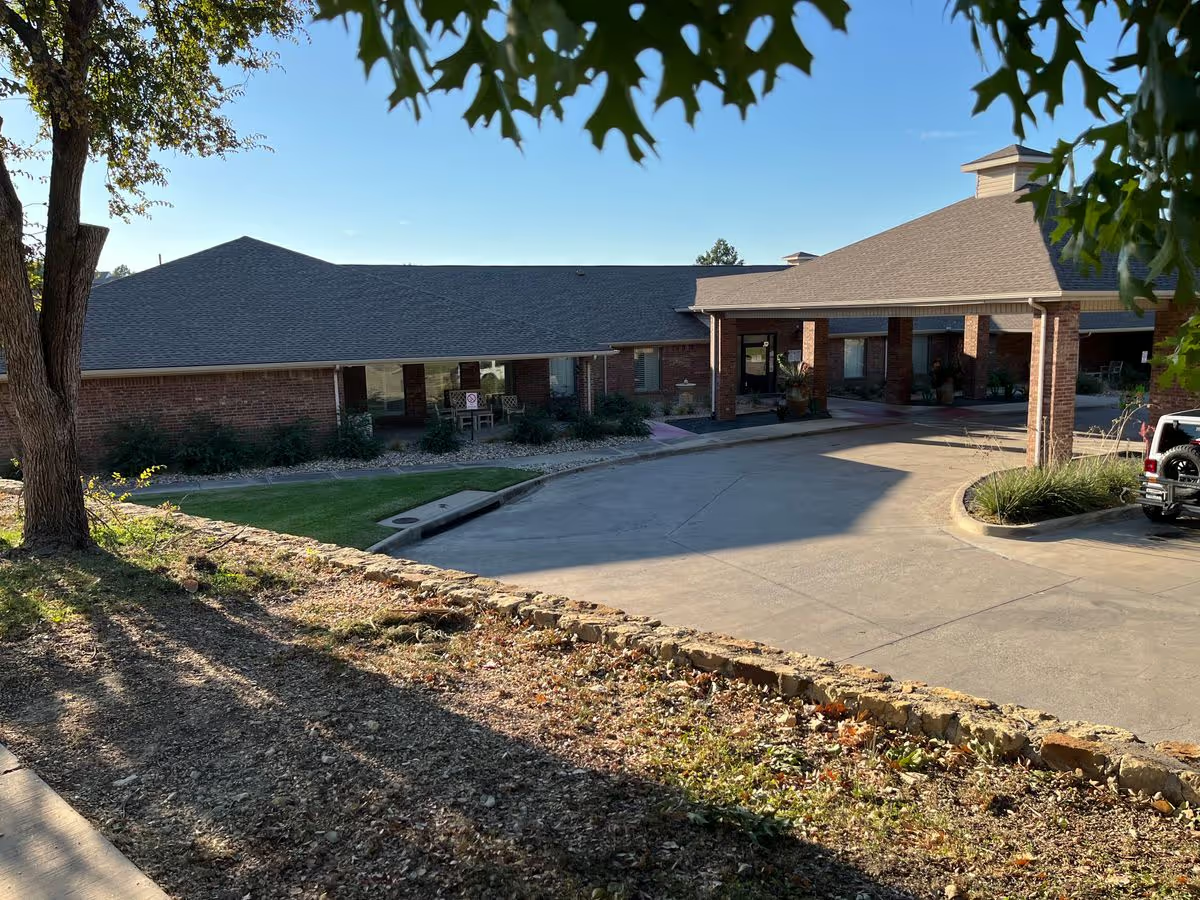
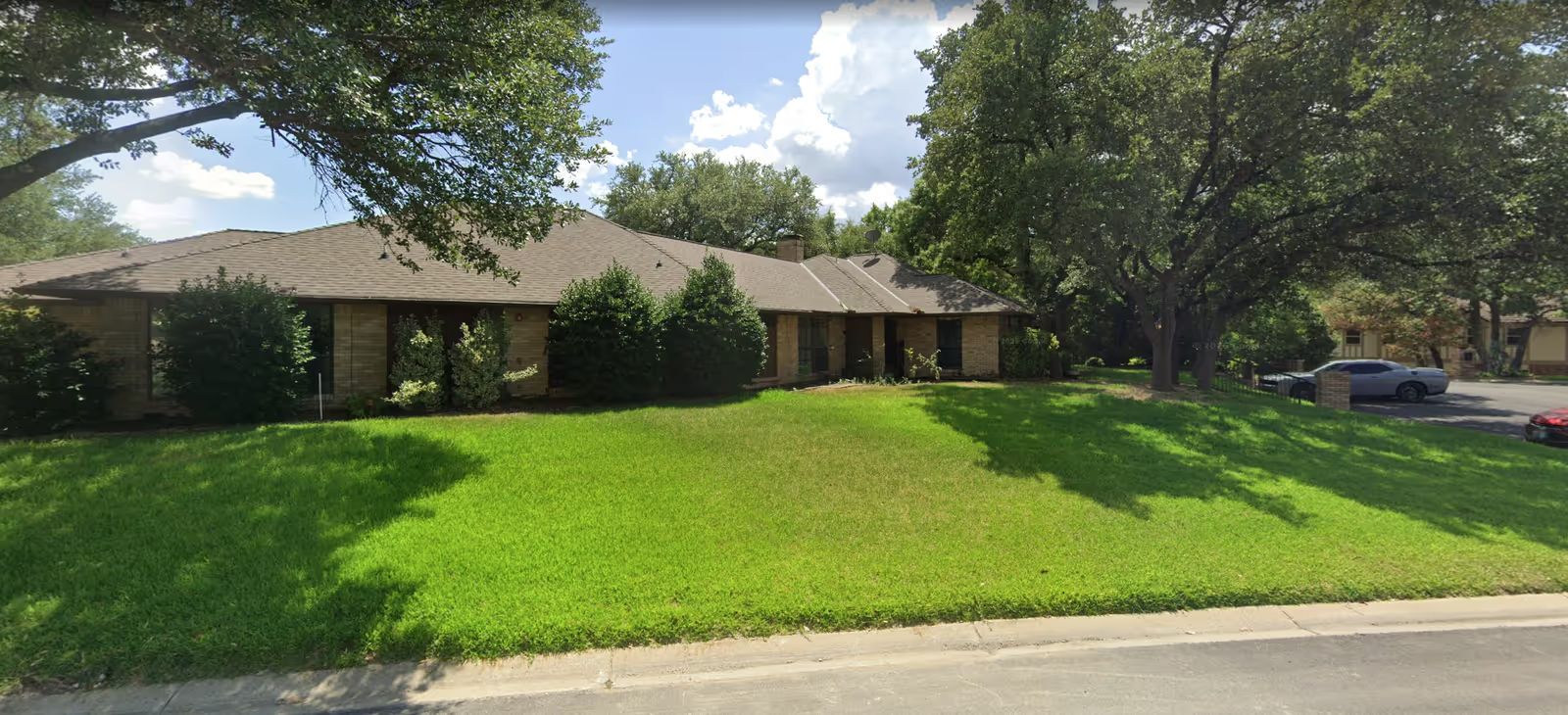
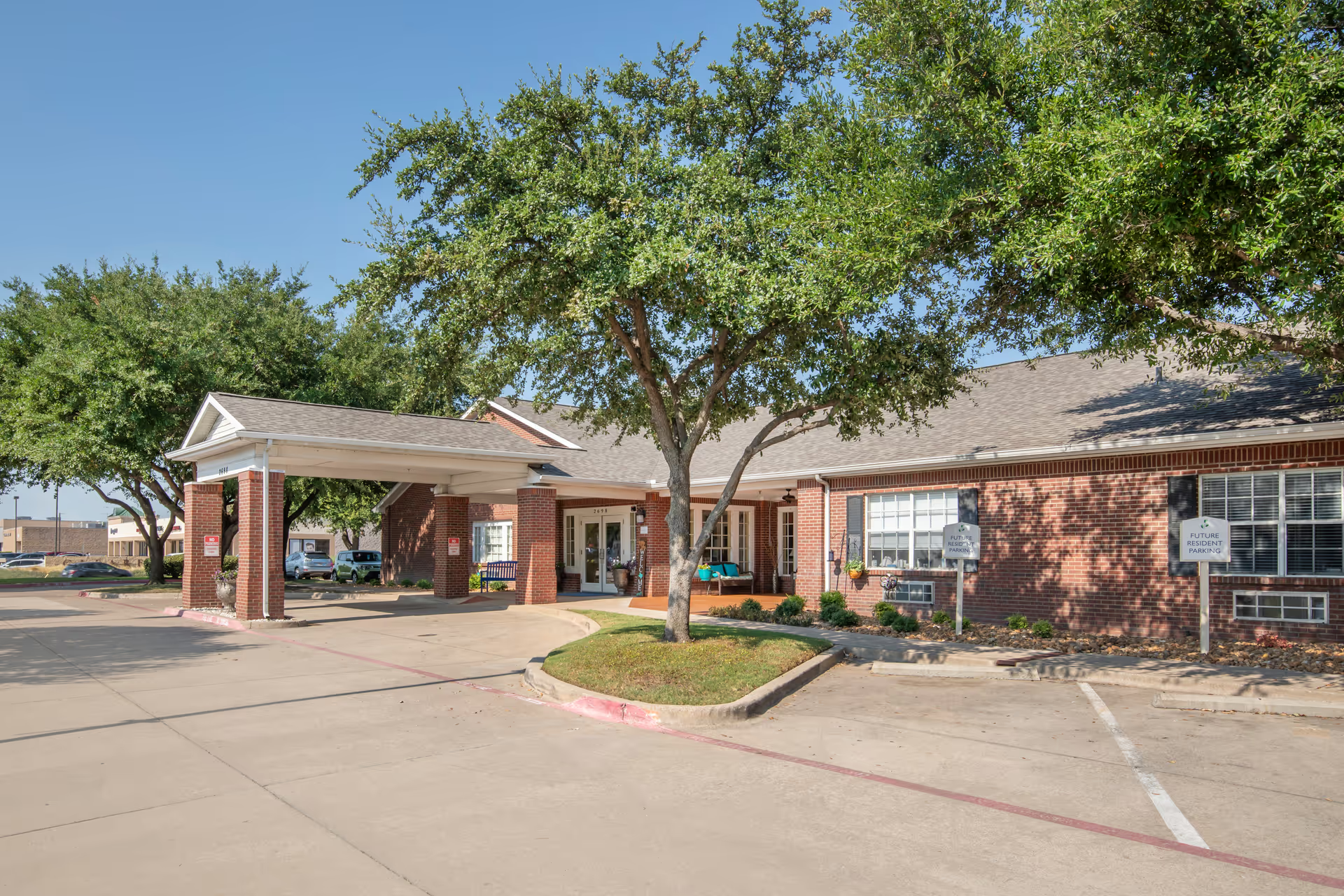
Facilities and environment: The building and some common areas receive consistent positive remarks—recent remodeling, bright areas, and a single-floor layout are noted advantages. Conversely, other reviewers raised sanitation and odor-control concerns in particular units, as well as maintenance issues (for example, sporadic equipment or fixture problems). These conflicting accounts suggest variable housekeeping and maintenance performance between units or shifts.
Management, safety, and regulatory patterns: Leadership perceptions are mixed. Some families praised specific administrators and managers; others expressed concerns about accountability, delayed administrative tasks (insurance and transfer paperwork), and handling of incident escalation. Reviews reference a CMS investigation in the past and a leadership change, and some reviewers raised allegations of financial misconduct and billing irregularities. There are also recurring safety-related themes—gaps in fall-response processes, transfer/readmission coordination problems, and record-handling issues—that warrant direct review by families and clinicians.
What to do next: Given the variability in experiences, prospective residents and families should arrange an in-person tour, request current staffing ratios and recent inspection reports, ask about incident-response protocols and transfer/readmission policies, review medication-management practices, and speak directly with nursing leadership about sanitation and family communication procedures. Identifying specific staff members praised for clinical skill (for example, wound-care nurses or therapy leads) can help families focus on strengths while clarifying how the facility addresses the operational weaknesses noted by others.