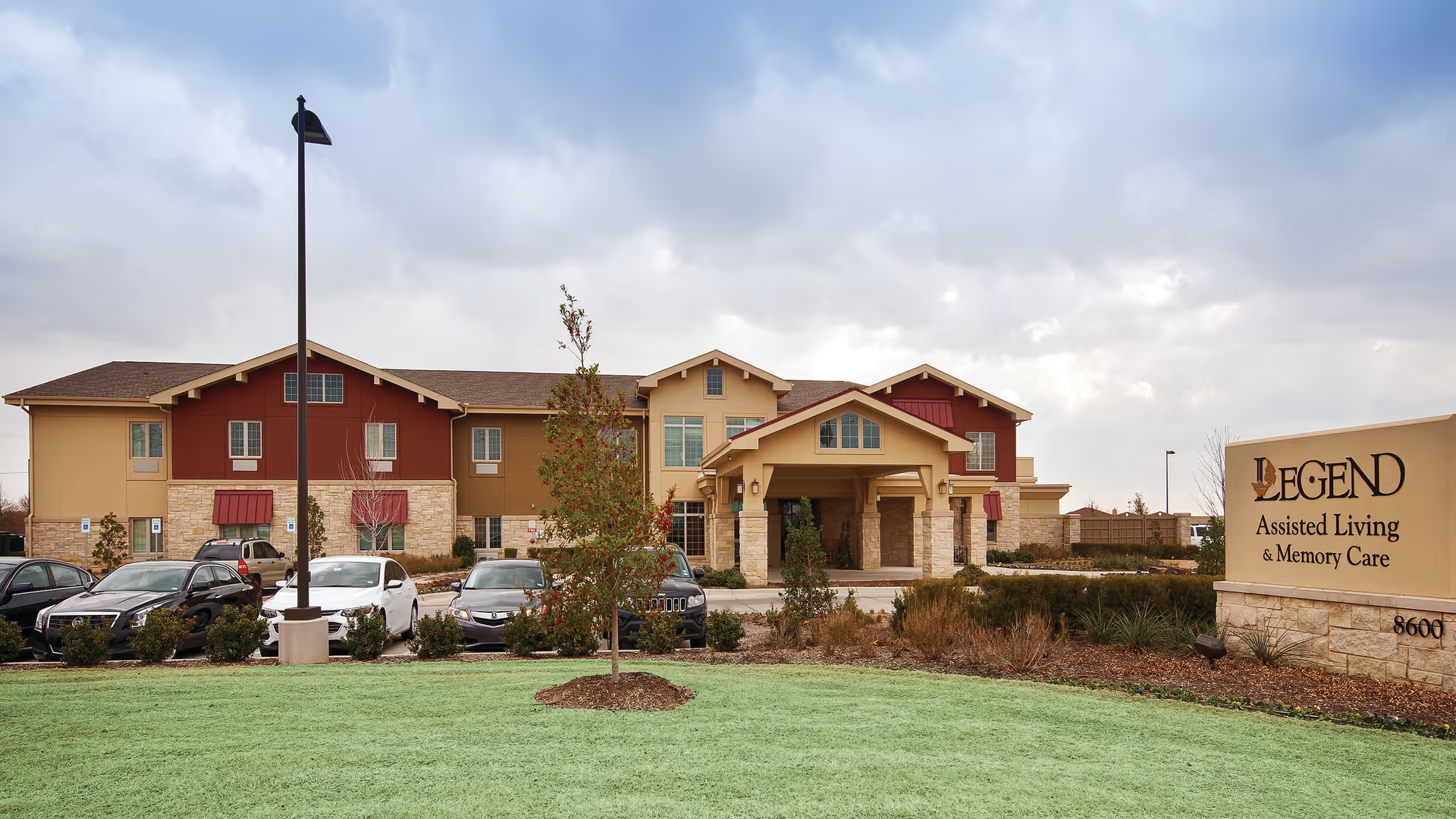
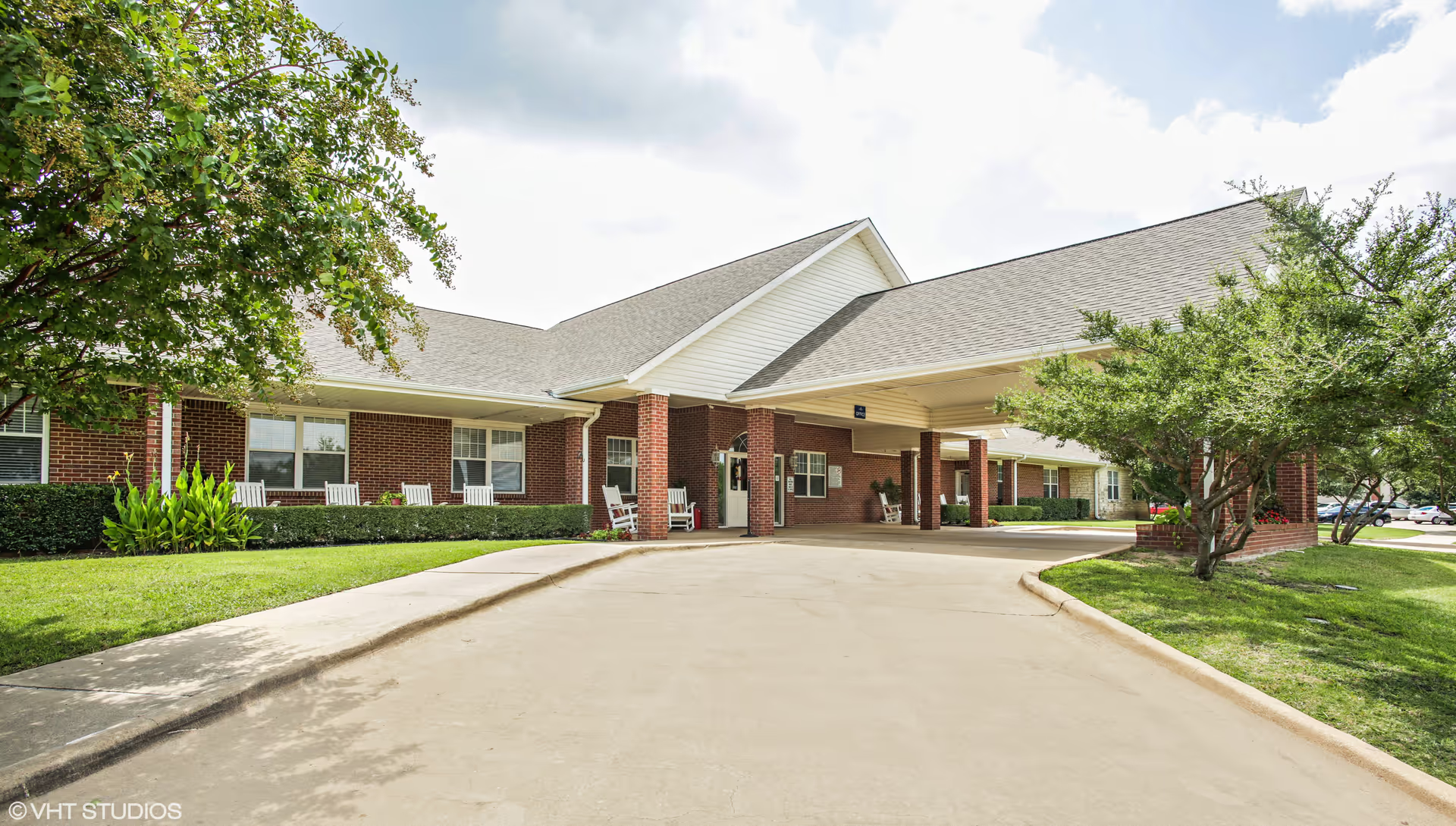
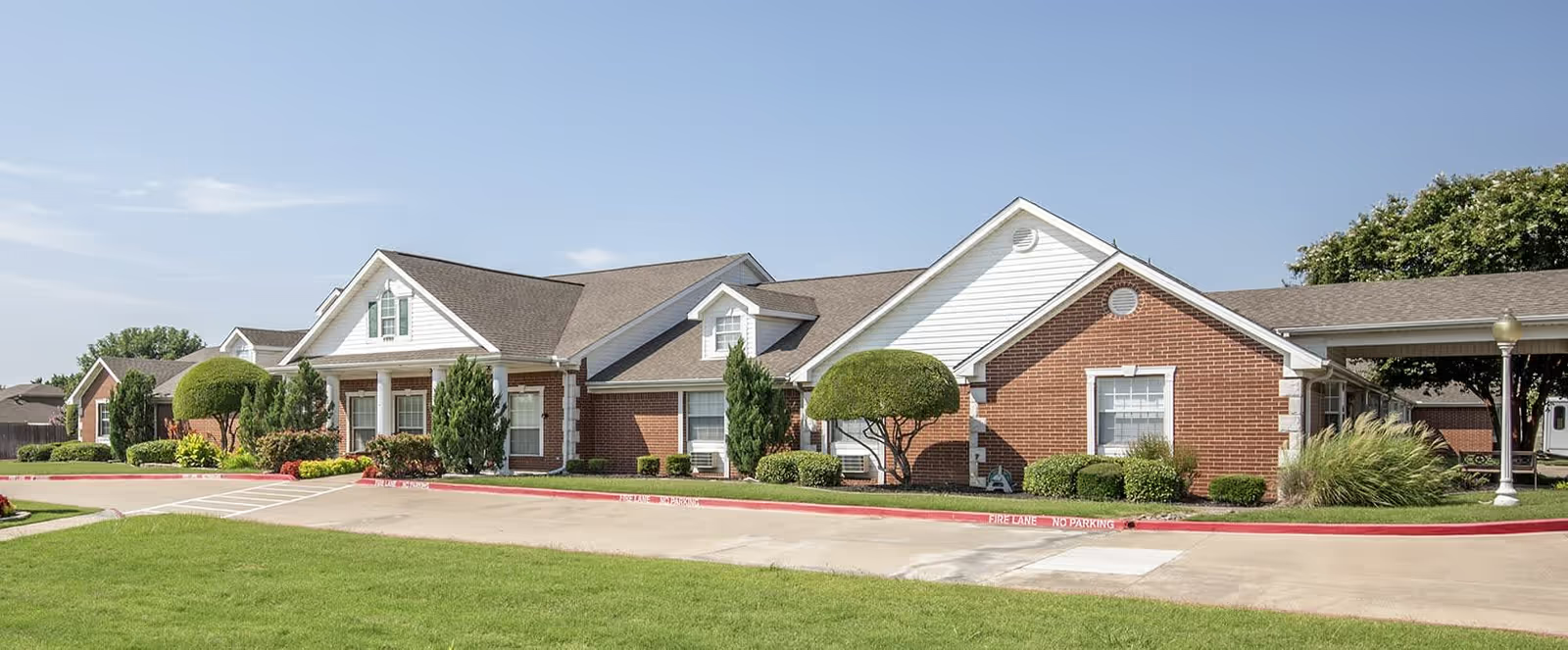
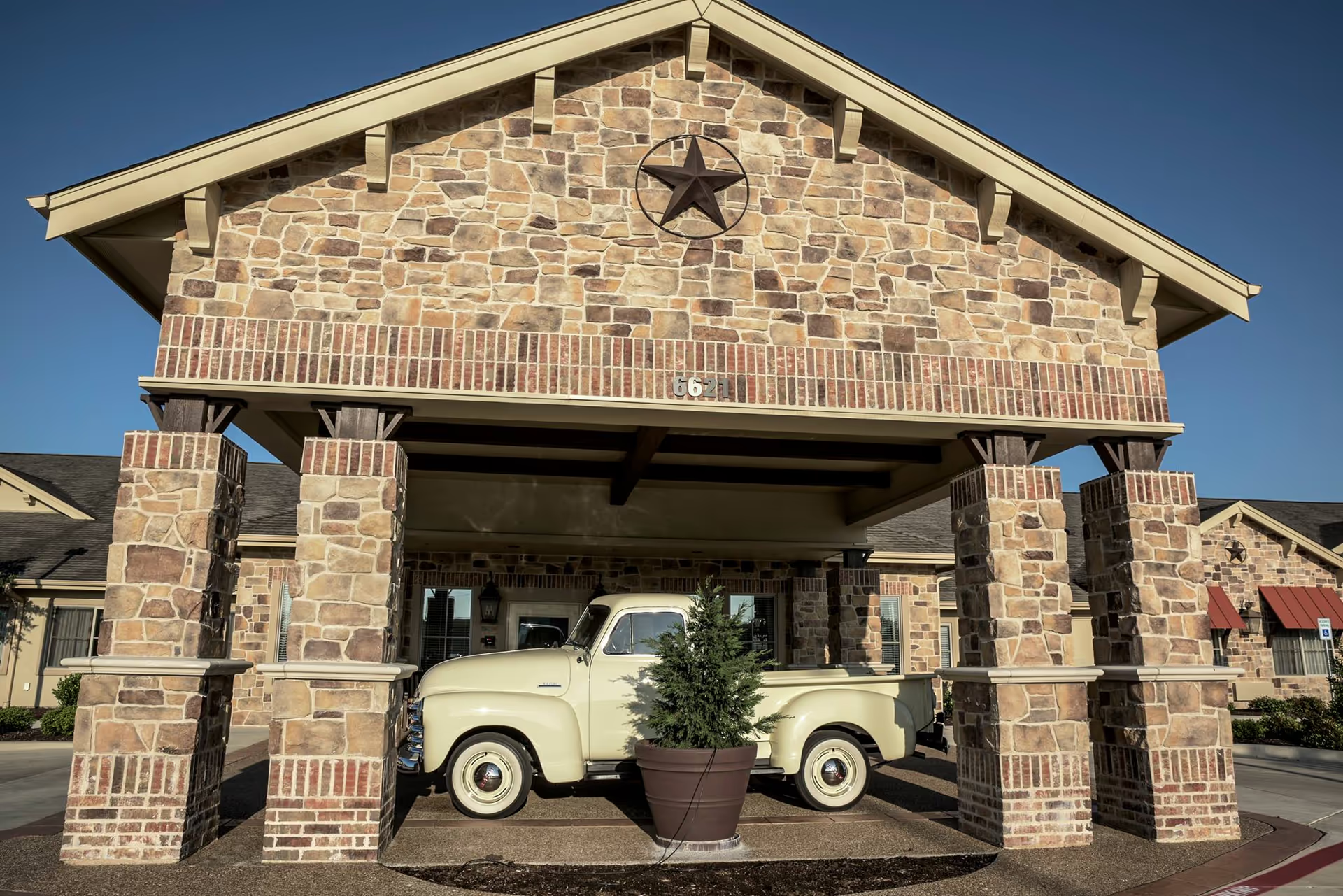
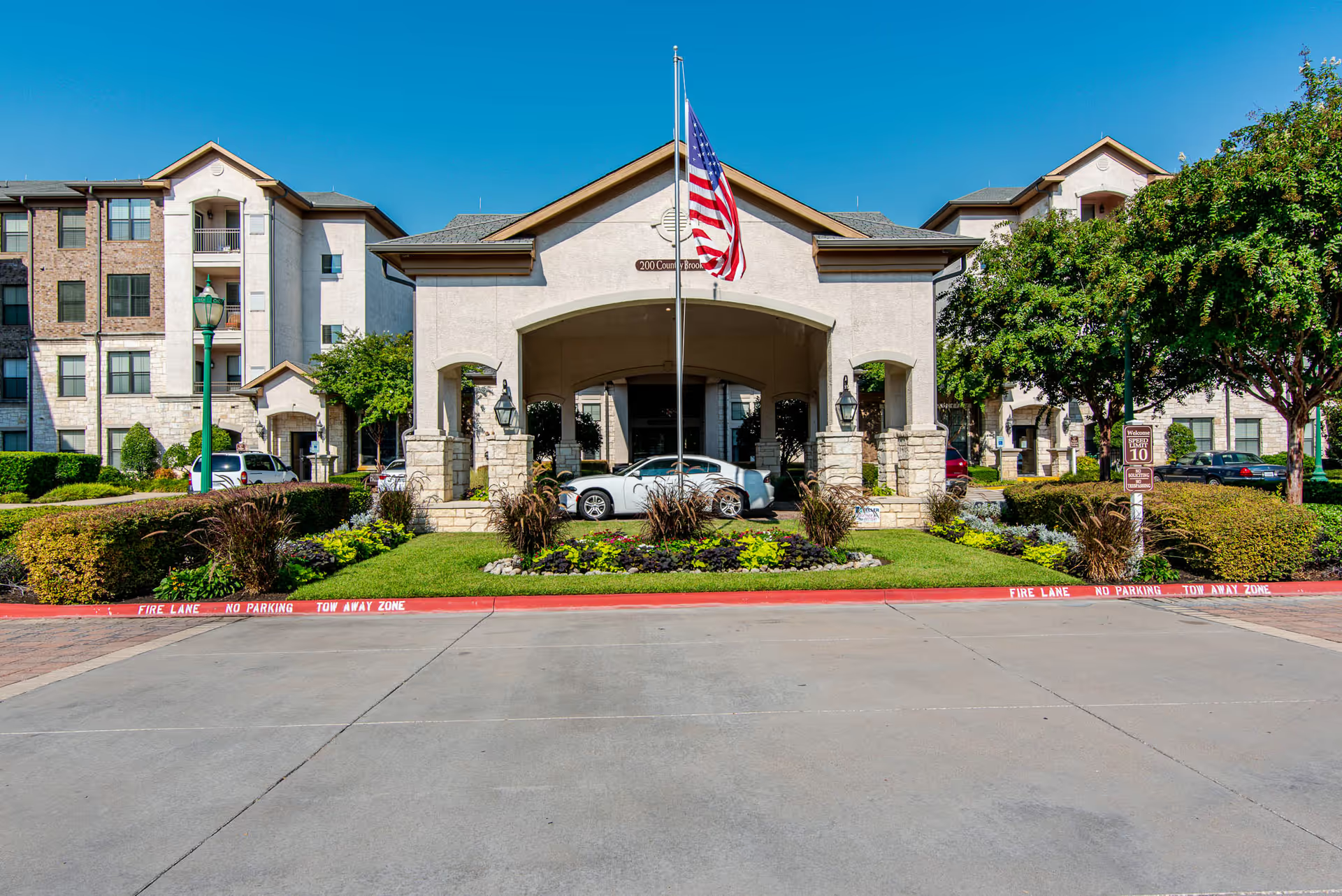
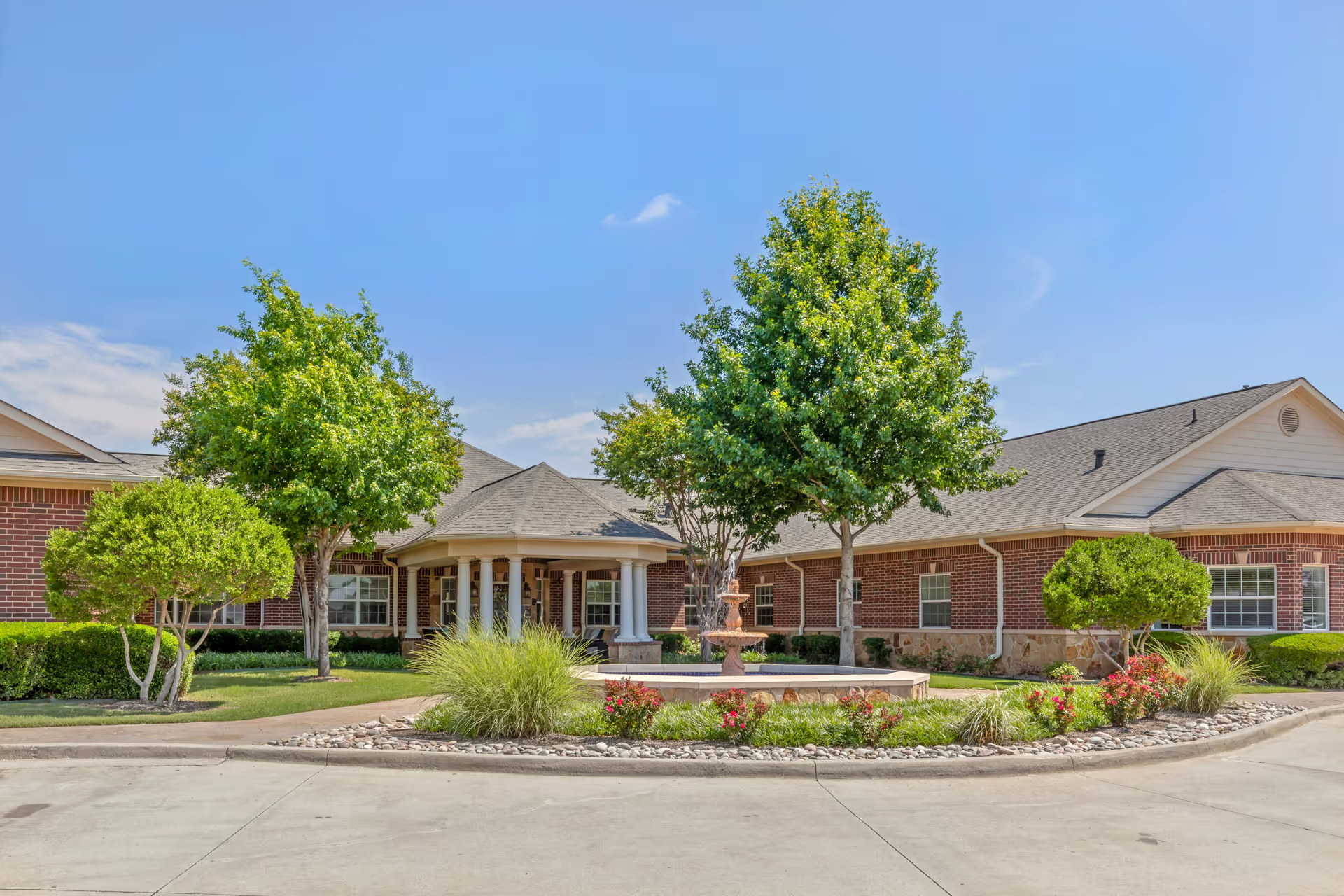
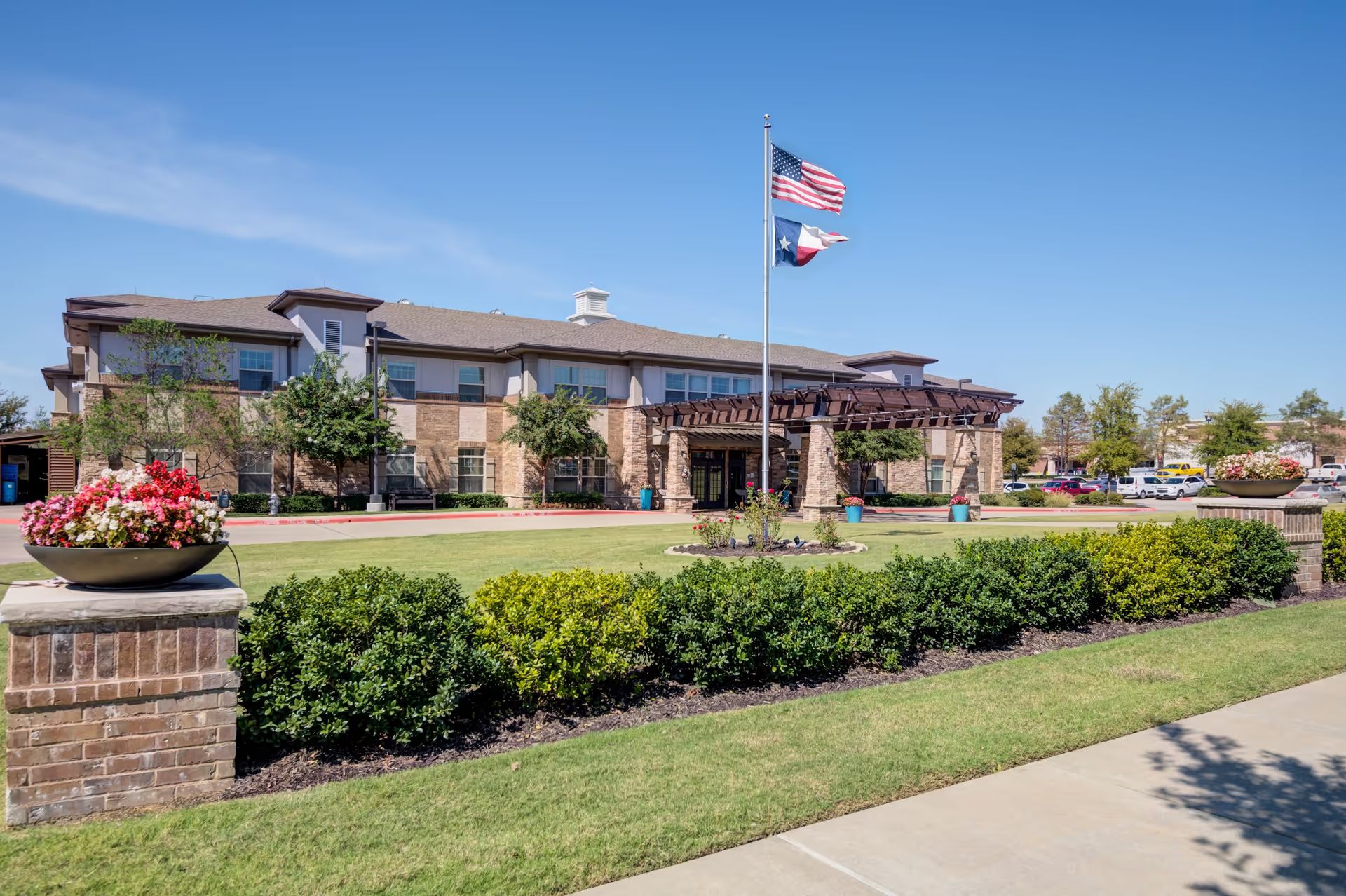
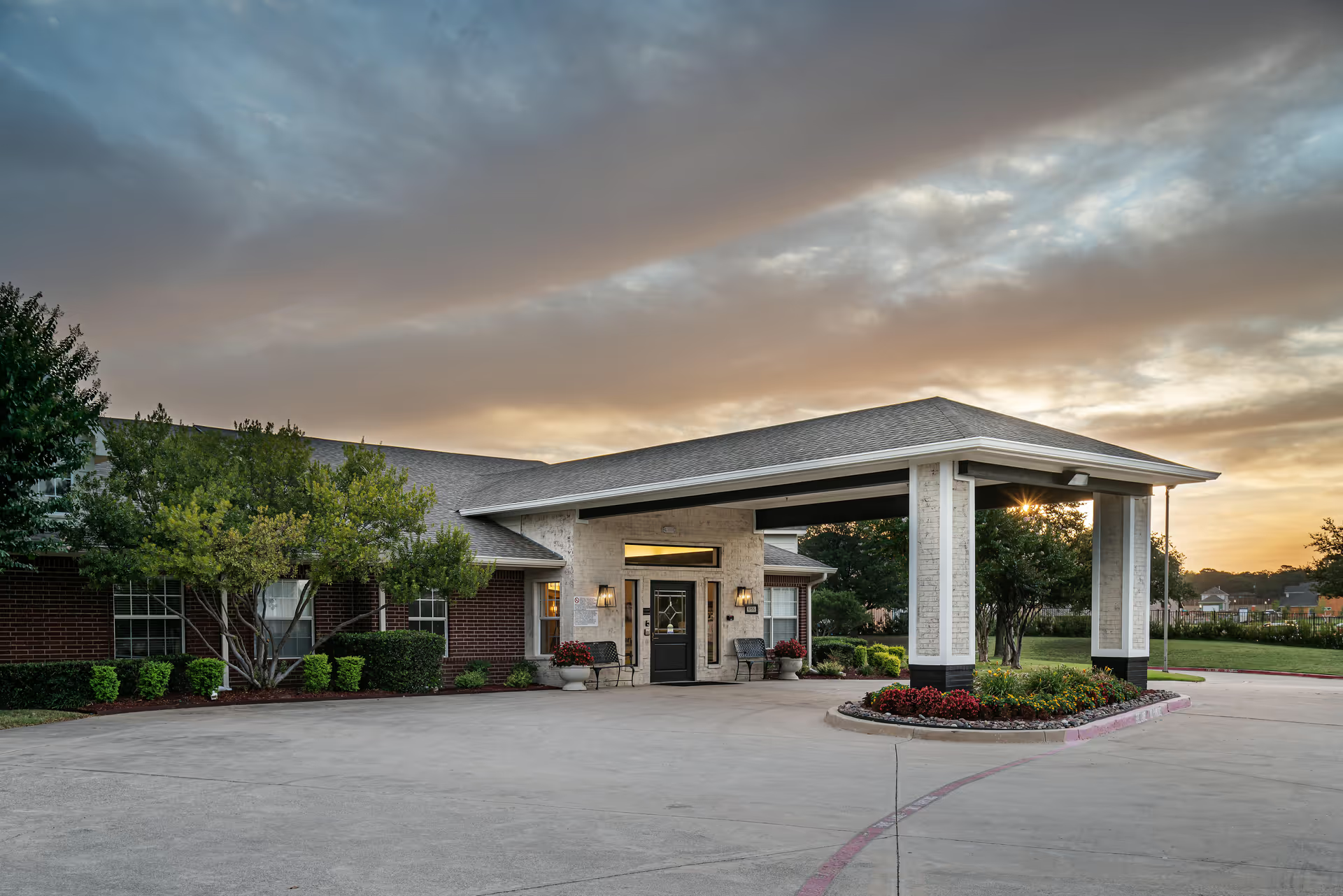
The Harrison at Heritage presents a dichotomous profile: an appealing, hotel-like environment with a robust therapy and activities program, alongside recurring operational and care-delivery shortcomings. Many families praised the facility’s rehabilitation services, therapists, activity schedule, and attractive common areas. Reception and front-desk staff frequently receive positive mention, and individual CNAs and therapists are often described as compassionate and effective. These strengths make the facility a reasonable choice for short-term rehab focused on mobility and functional recovery.
Care quality is mixed. The facility demonstrates strength in organized therapy and short-term rehabilitation outcomes, but nursing and day-to-day clinical care are inconsistent. Reviews indicate variability in nurses’ professionalism and competence across shifts. Medication management issues (including dosing confusion, delayed administration, and reconciliation problems) and uneven adherence to care plans and clinical protocols have been described. Call-light response delays and inconsistent bathing and hygiene routines point to operational weaknesses in routine care delivery, particularly during nights and weekends when staffing appears thinner.
Staff and communication patterns are inconsistent. Numerous accounts highlight compassionate, skilled CNAs and standout therapists, while other reports describe staff who appear distracted, use personal devices on duty, or display unprofessional conduct at the nurses’ station. Administrative responsiveness is a recurring concern: families cite slow or unhelpful responses to questions, billing or Medicare disputes, and difficulty obtaining clear explanations after clinical events. There are recurring themes of poor follow-through on discharge planning and challenges reaching leadership when urgent issues arise.
Dining, activities, and facility amenities form a generally positive aspect of the resident experience. The activity program is varied and well-staffed, with organized classes, social events, and accessible amenities such as a salon and library. Meal options and presentation are acceptable to many residents, though timing and food-temperature issues have been reported. Public spaces and the facility’s appearance are consistently described as attractive and well-maintained, even when room-level housekeeping has been inconsistent.
Housekeeping and property-level concerns are uneven. While common areas are usually described as clean and pleasant, some families reported lapses in room maintenance, missing linens or supplies, and sanitation concerns that require attention. Allegations of missing personal items and unexplained medication or possession discrepancies appear in multiple accounts; these raise the need for clearer inventory controls and transparent incident processes.
Notable patterns for prospective residents and families: consider the facility’s clear strengths in short-term rehabilitation and engaging activities but be alert to variability in long-term nursing care, communication, and administrative responsiveness. Ask specific, shift-level questions about staffing ratios, medication management protocols, incident-notification procedures, and how care plans are documented and communicated across shifts. If choosing The Harrison for long-term care, prospective families should verify housekeeping and personal-care schedules, request written medication reconciliation procedures, and establish preferred channels for escalation and billing inquiries.
Overall, The Harrison at Heritage offers tangible advantages for rehabilitation and social programming within a pleasant physical environment. However, persistent operational issues—most notably inconsistent staffing coverage, medication and care-plan coordination gaps, variable hygiene practices, and administrative communication shortfalls—warrant careful inquiry and ongoing oversight by families and advocates when placing a loved one there.