Serenity Gardens – Friendswood is described overall as a small, home-like memory-care community with many strengths in person-centered care and hospitality. Families repeatedly emphasize compassionate, attentive caregivers and a strong sense of community among residents and staff. The facility's small census and hands-on leadership—including an involved director and active owners—contribute to a family-like environment and close staff–family relationships for many residents. Reviewers frequently note dementia-specific programming, individualized care approaches, and safety practices that build trust for residents with memory impairment.
Clinical quality is mixed in the reviews. Several families praised the staff’s dedication and memory-care expertise, citing creative approaches to dementia care and prompt, reassuring contact from leadership when things go well. At the same time, there are consistent operational concerns that relate to clinical consistency: variability in staff clinical skills, uneven day-to-day care practices, and specific concerns about skin integrity and positioning practices associated with mobility equipment. These items suggest variability in clinical oversight and follow-up rather than uniform poor performance; families evaluating placement should ask about nurse staffing, clinical protocols, and wound-prevention practices.
Staffing and operations show a clear pattern: the small scale of the community is a benefit for individualized attention but also a vulnerability when staffing is thin. Multiple accounts describe the night shift as understaffed or overwhelmed, particularly given a full memory-care caseload; this aligns with broader notes about a small, hardworking staff who sometimes lack the capacity for continuous one-on-one attention. Management responsiveness is another mixed area—many reviewers praise a hands-on director who communicates directly and visits residents, while others describe delays or difficulty getting managerial follow-up in specific situations. Prospective families should clarify escalation pathways and expected response times for clinical and nonclinical issues.
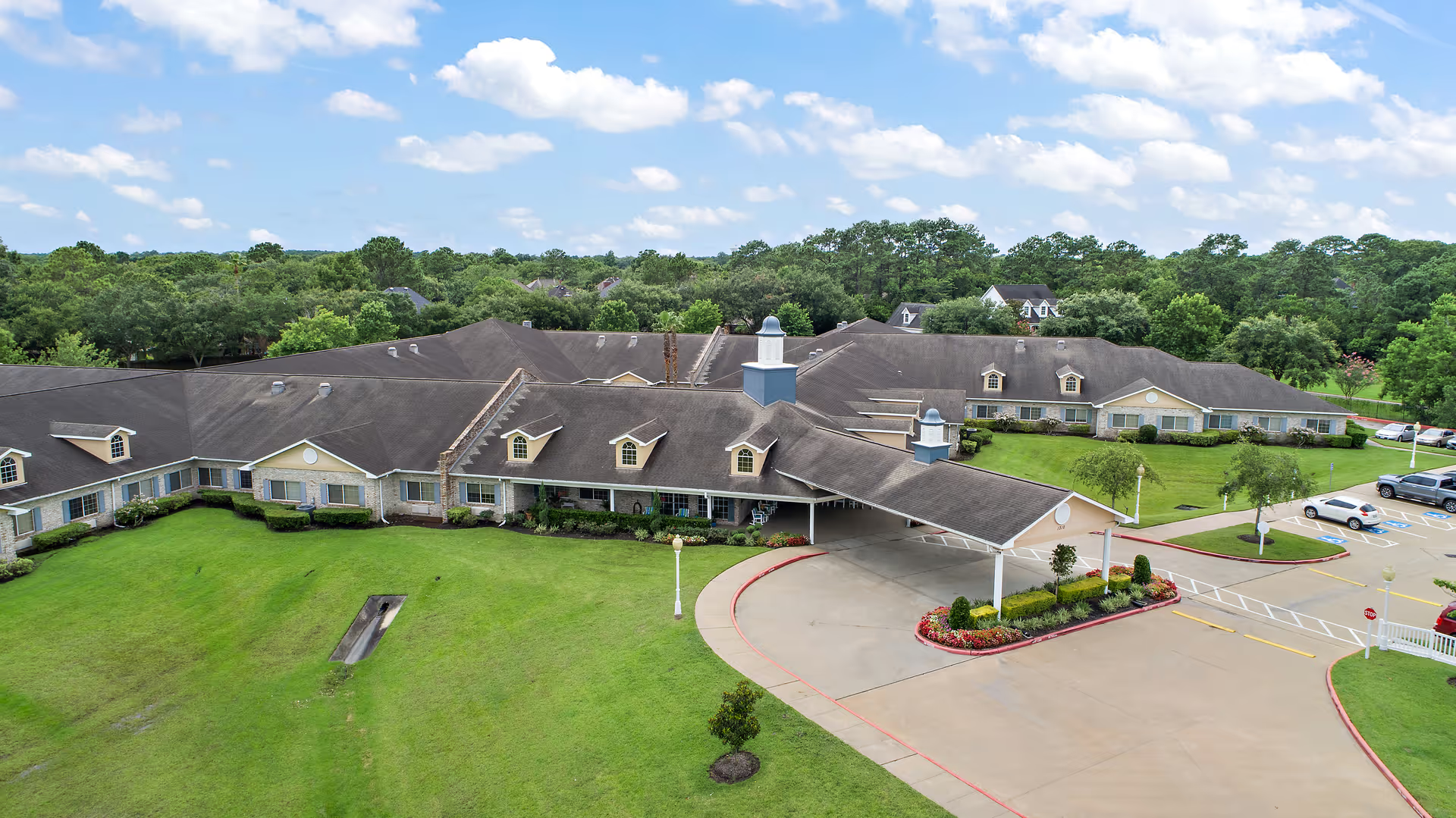
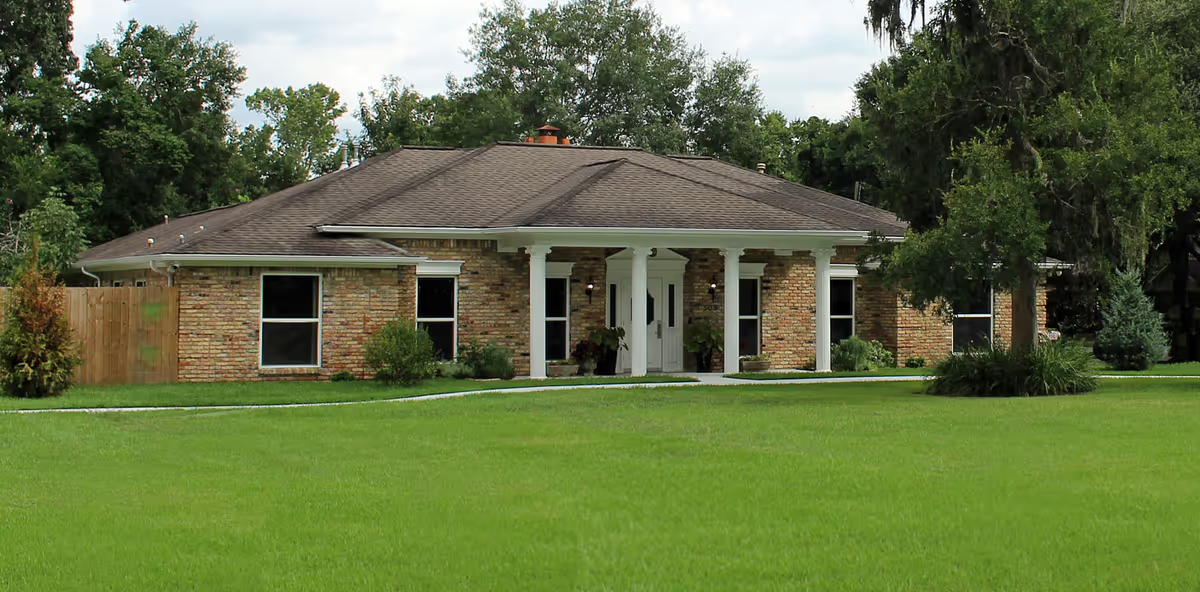
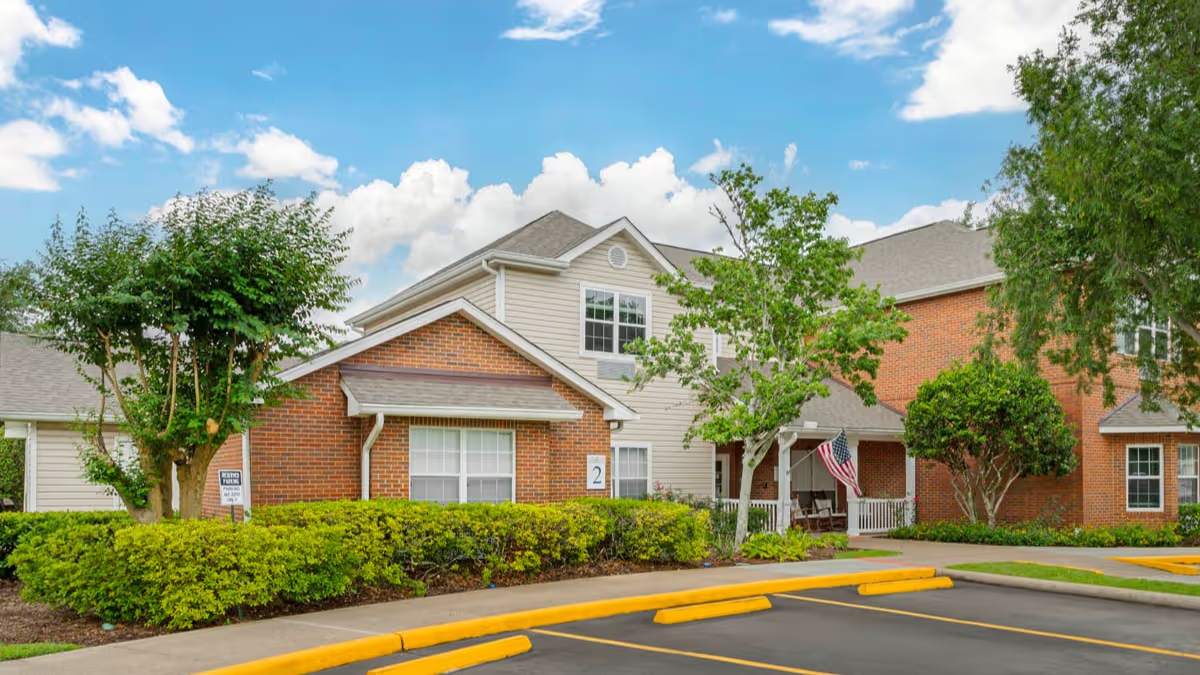
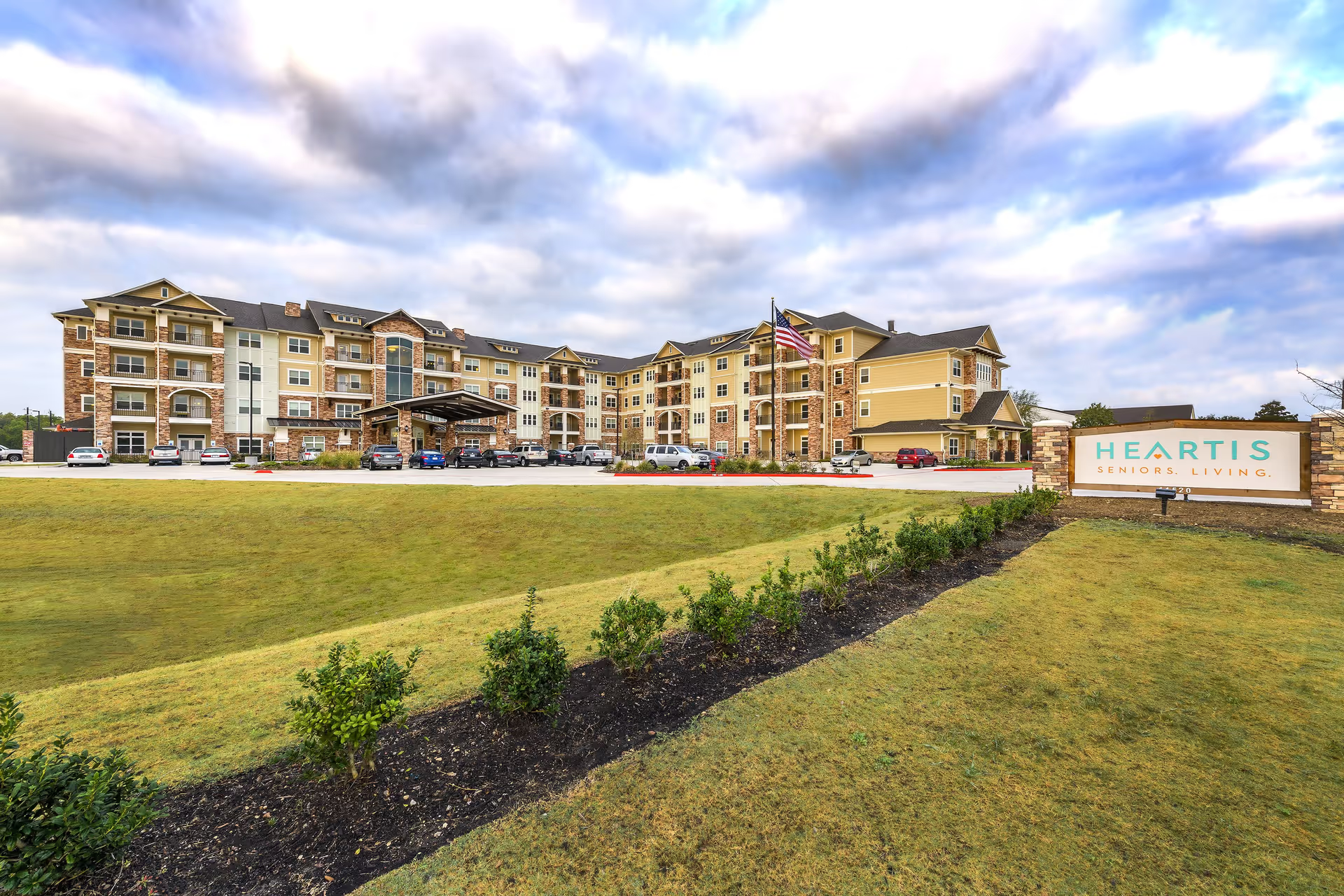
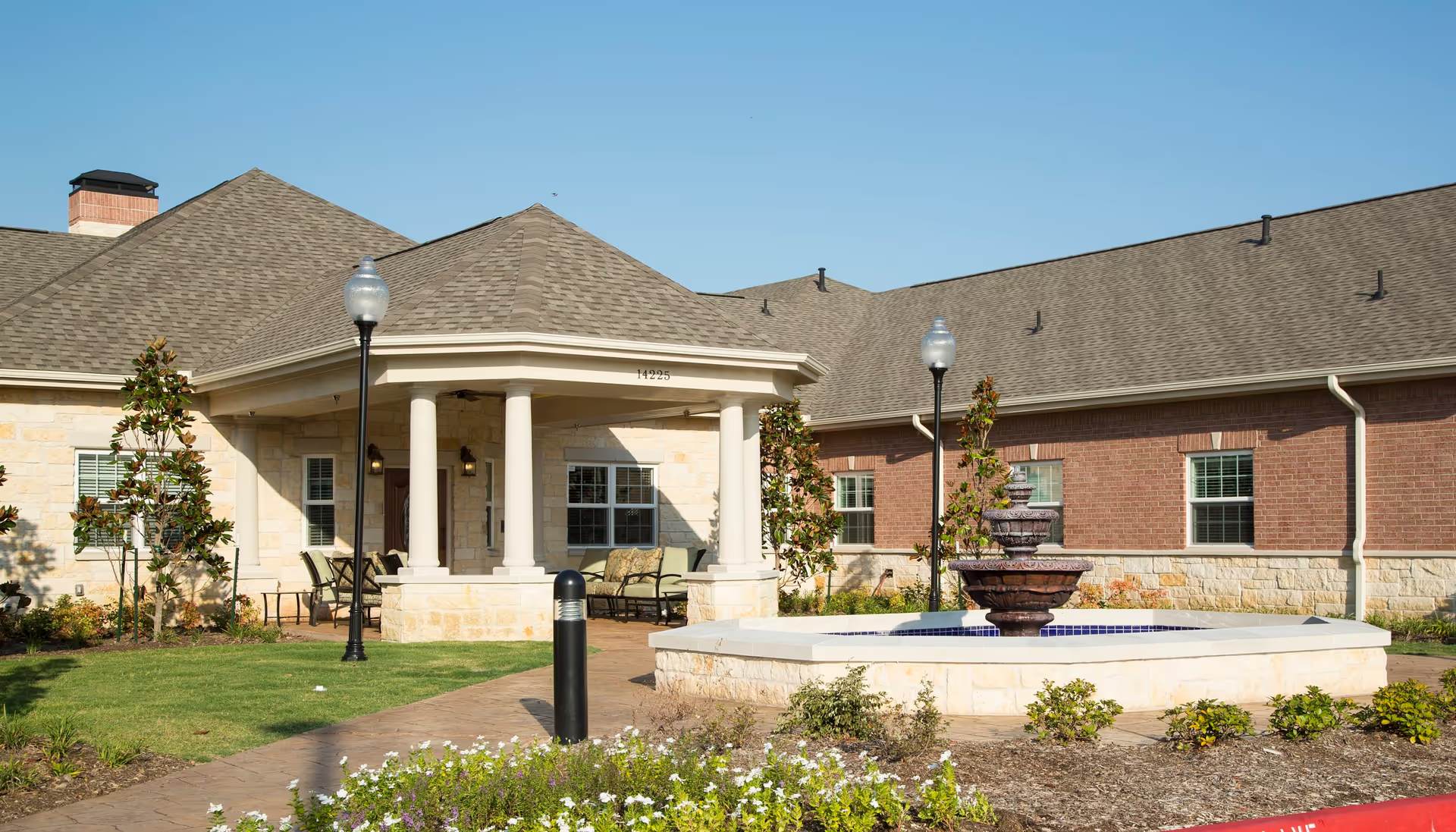
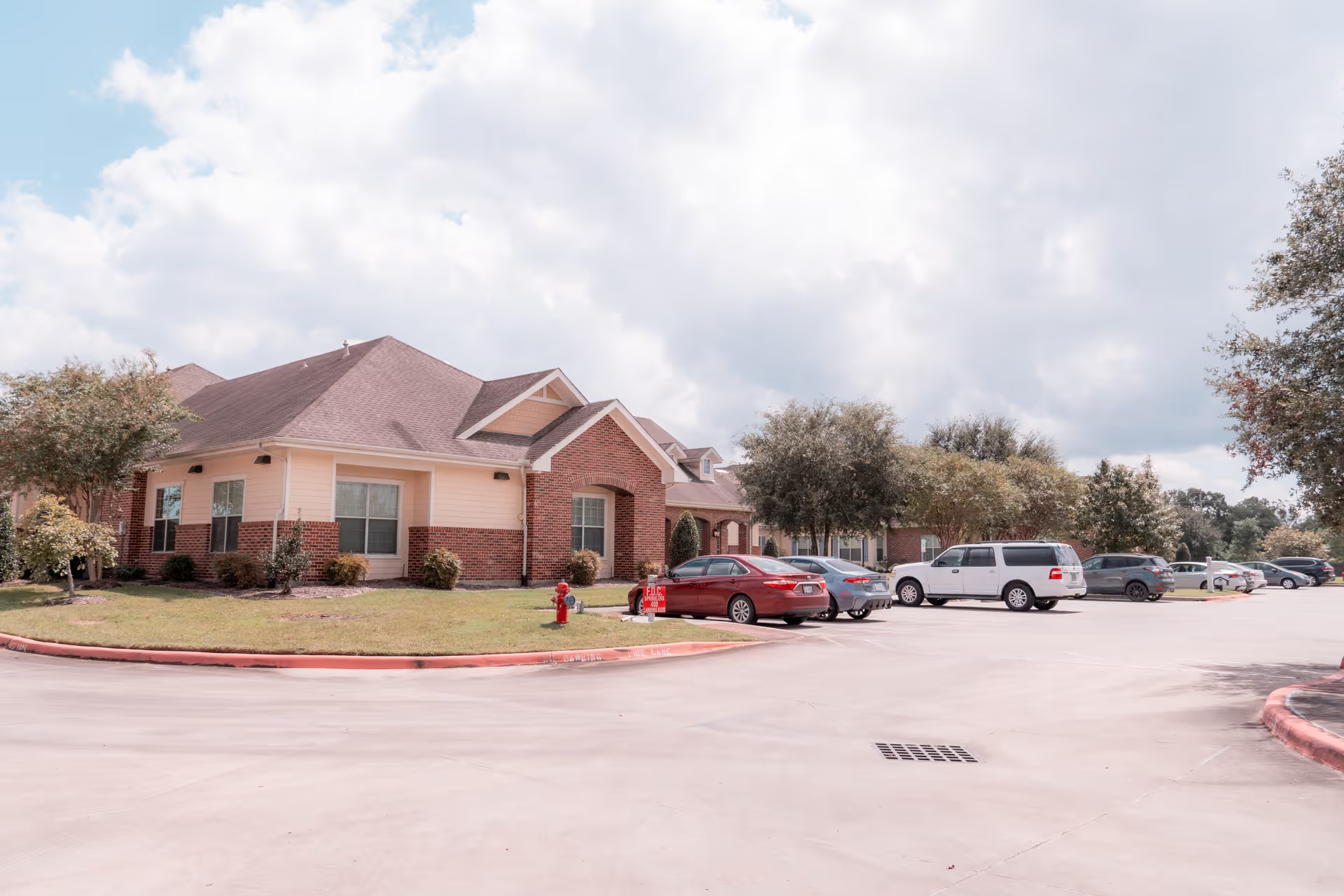
Dining, activities, and the physical plant are frequently cited as positive attributes. The building is consistently described as clean and well-maintained, with private bedrooms and a secure, home-like aesthetic. Meals are characterized as home-cooked and enjoyed by residents; celebrations and social activities, such as birthday parties and exercise encouragement, are regular features when staffing and scheduling allow. However, activity levels have been affected during infection-control periods (notably COVID-related restrictions), and some families observed reduced programming or fewer group activities at times. Prospective families may wish to review the current activity calendar and how the community resumes programming after infection-control restrictions.
In summary, Serenity Gardens offers many of the advantages sought in a small memory-care setting: personalized attention, compassionate caregivers, a clean and comfortable environment, and engaged leadership. The principal operational concerns to weigh are night-shift staffing levels, variability in clinical skill and follow-through (including skin-integrity/positioning practices), and episodic gaps in communication and management responsiveness. Those considering the community should tour the facility, meet the director and clinical leads, review staffing patterns (especially at night), ask about protocols for wound prevention and repositioning, and request a current activities schedule and pricing information to ensure alignment with family expectations and clinical needs.