La Fontaine Memory Care elicits strongly mixed impressions across reviewers. Many families and residents describe a welcoming, small-community environment with a bright, well-maintained facility and an energetic, compassionate caregiving team. Housekeeping and common-area cleanliness are frequently highlighted as strengths, and the center is often described as cozy and state-of-the-art. The activity program is a consistent positive: reviewers mention an active calendar of crafts, church songs, and social events led by an engaged activities director that helps residents stay involved and cheerful. Several reviewers also noted availability of respite care and a general feeling of safety and consistent day-to-day atmosphere for many residents.
Care quality and clinical oversight receive both praise and concern. On the positive side, some families describe thoughtful, professional medication administration and outstanding hands-on care from particular aides and caregivers. However, other reviewers raised concerns about medication management and about inconsistencies in personal-care routines such as bathing and daily assistance. There are also comments suggesting gaps in supervision and room-safety protocols; one review referenced a specific safety-related event that led to heightened family concern. Taken together, these items point to variability in clinical and personal-care consistency rather than a single uniform experience.
Staffing, culture, and management portray a divided picture. Multiple reviewers praise individual staff members as kind, funny, attentive, and respectful, and note that aides are treated with dignity. At the same time, reviewers describe uneven staffing levels, questions about staff qualifications in certain shifts, and periods of high administrative turnover. Communication from management is reported as clear and supportive by some families but inconsistent and slow in crisis situations by others. Infection-control practices during a past outbreak were a particular flashpoint, with criticisms about both the procedures used and the communication around them; some families found the measures and messaging stressful.
Dining and activities are generally seen as strengths with regular meal service, communal dining, and routine activities that many residents enjoy. However, meal satisfaction is variable: a number of families expressed indifference about food quality, so dining appears to be an area with uneven experiences. The activity program, by contrast, is consistently mentioned as a positive contributor to resident engagement and mood.
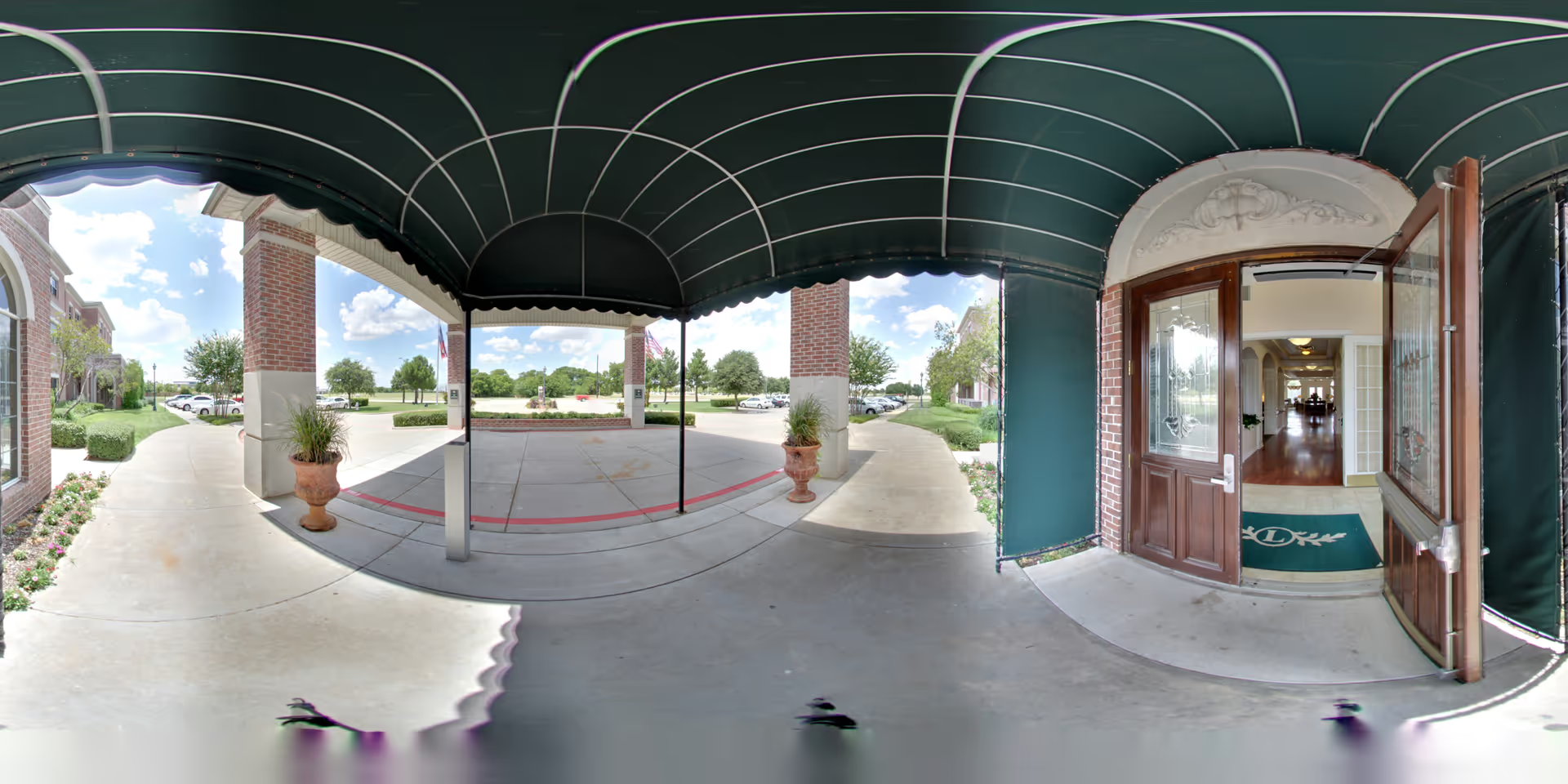
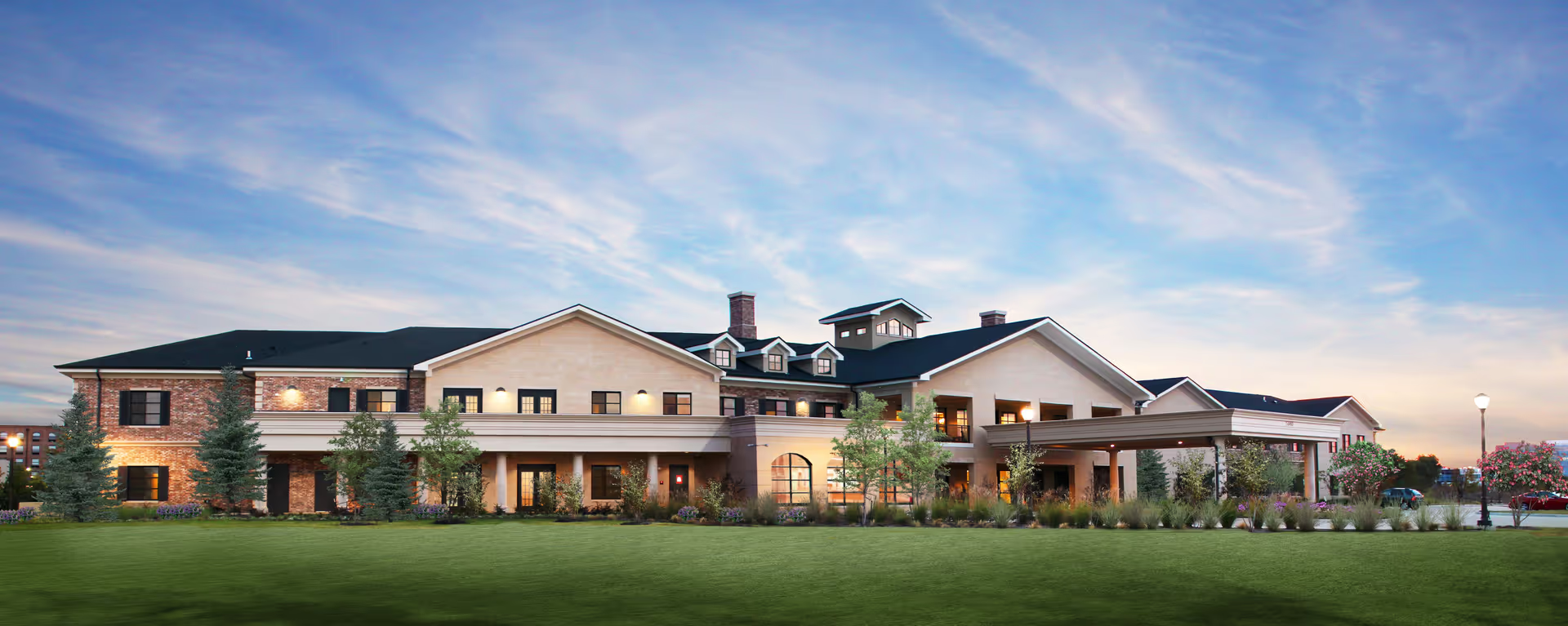
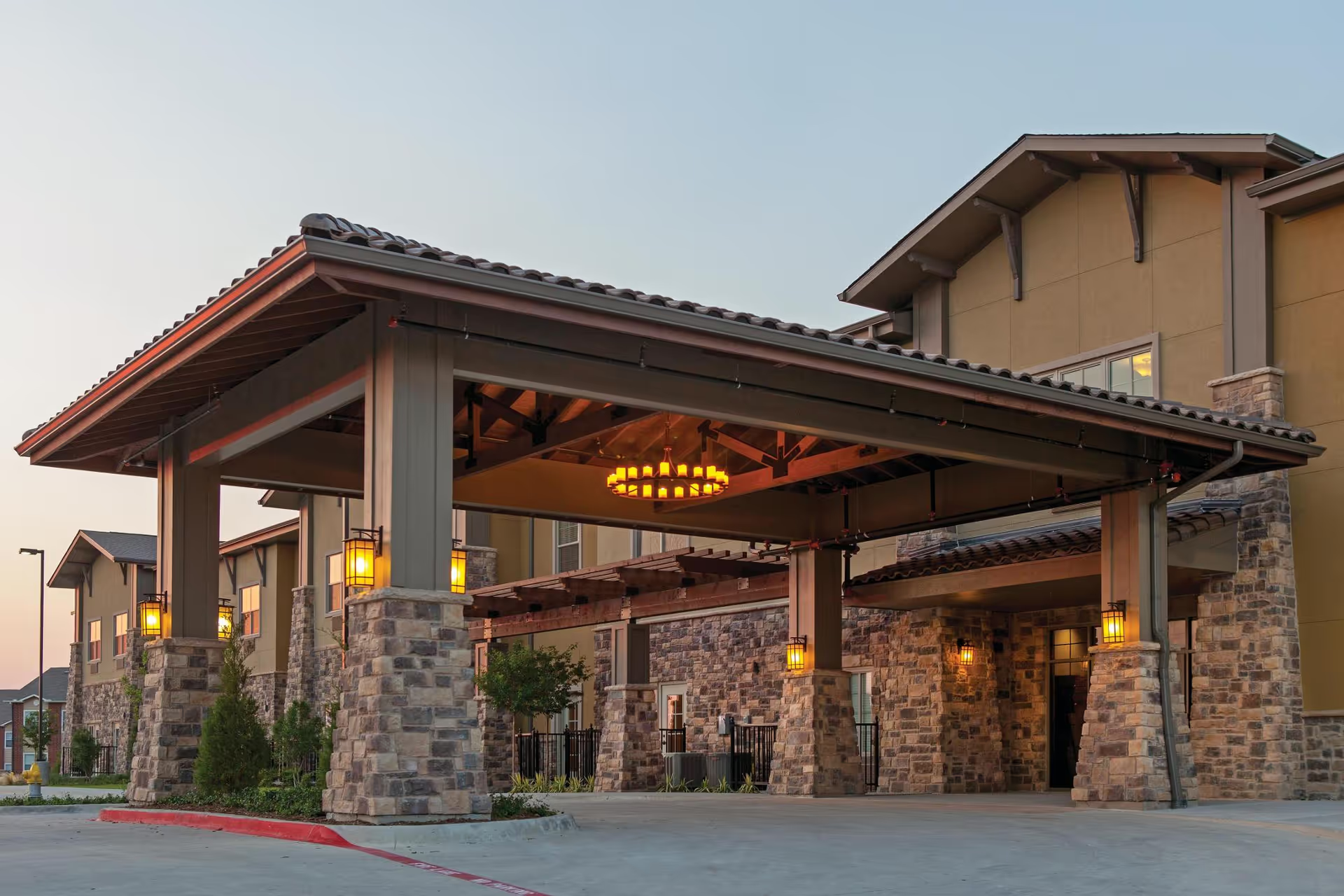
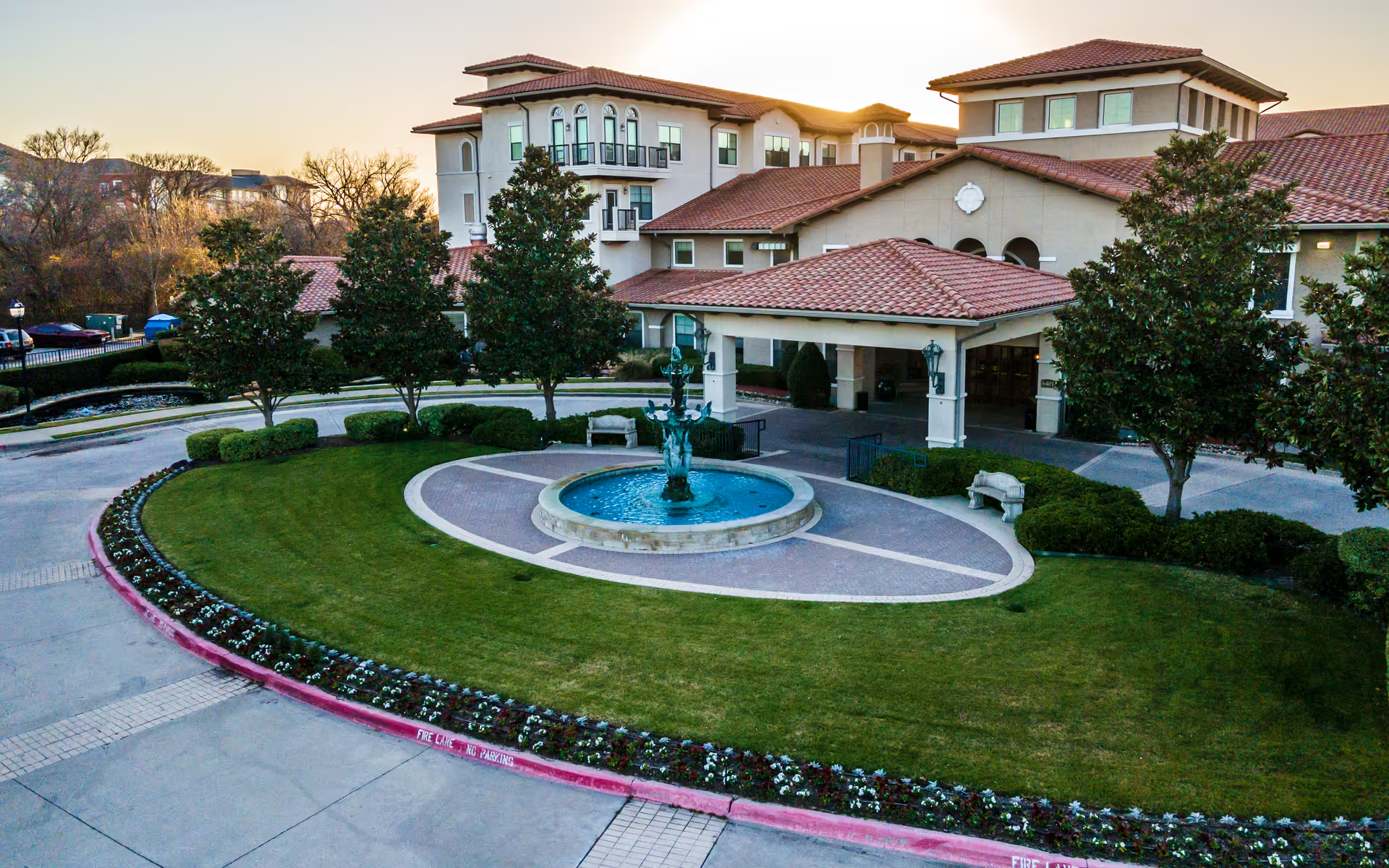
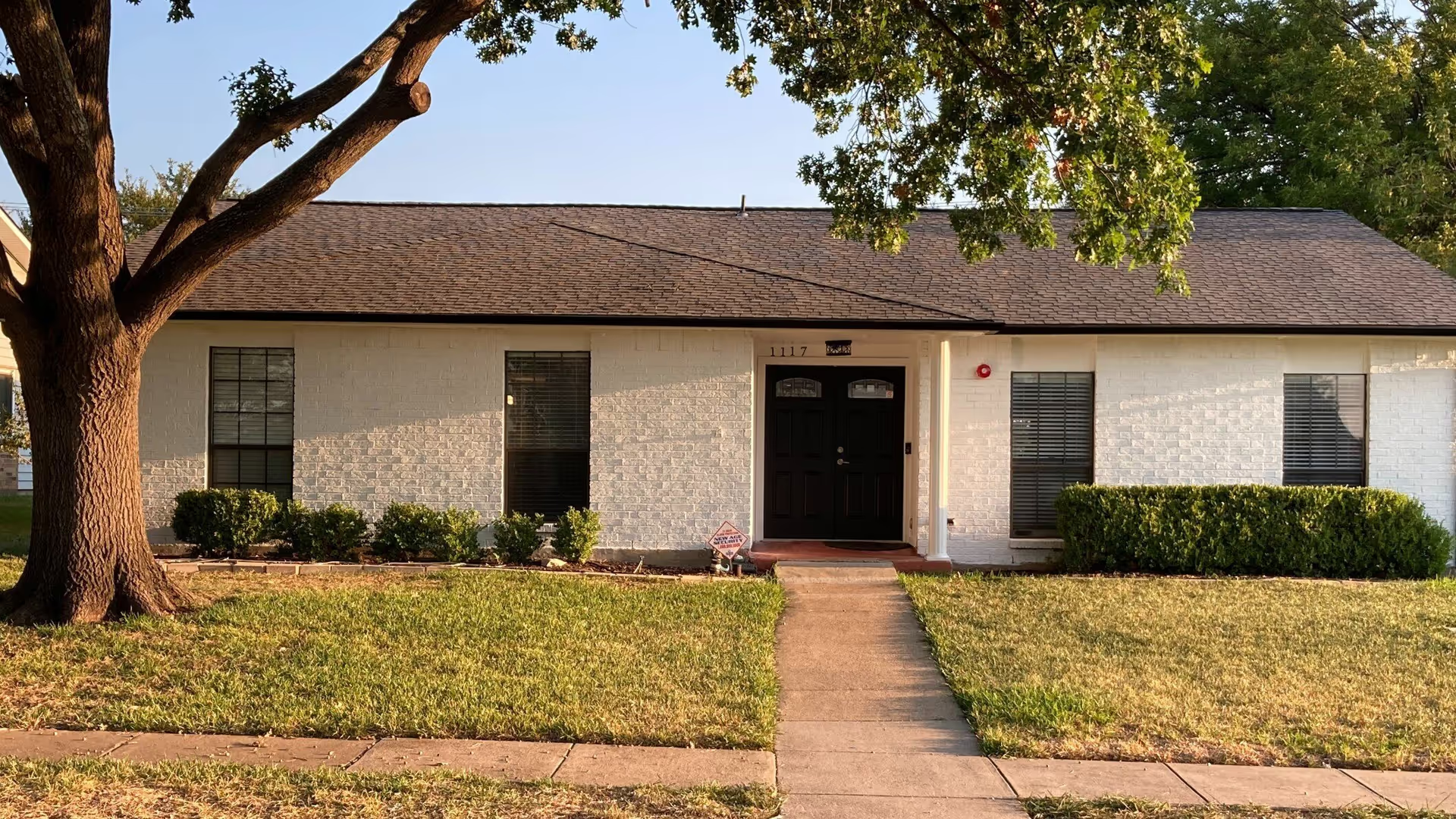
Facility amenities and atmosphere receive broad positive comment: sparkling, bright interiors, comfortable common spaces, and a smaller, more intimate residential scale. These attributes are attractive to families seeking a home-like memory-care setting. Notable patterns across reviews are the polarization between highly positive personal experiences and more severe operational concerns; when problems are described they cluster around staffing consistency, care-task reliability, medication oversight, infection-control execution, and administrative responsiveness.
For prospective residents and families, key due-diligence items would include asking about current staffing ratios and staff training practices, medication-management protocols and oversight, bathing and personal-care scheduling, infection-control policies and how they are communicated to families, and recent management turnover. Visiting during different times of day and speaking with multiple family members of current residents can help clarify whether the facility’s positive attributes are consistent with your expectations and whether the operational concerns have been addressed.