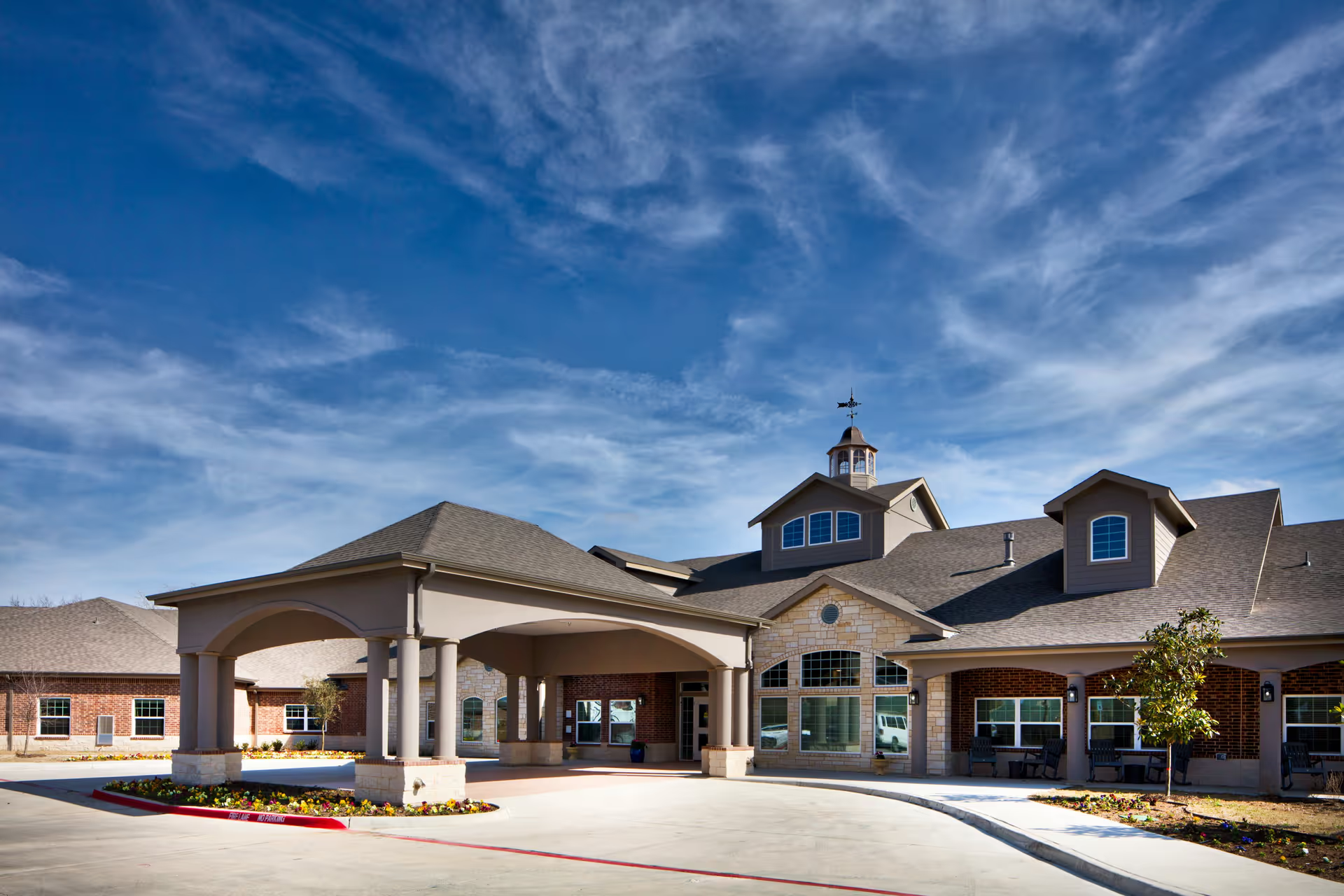
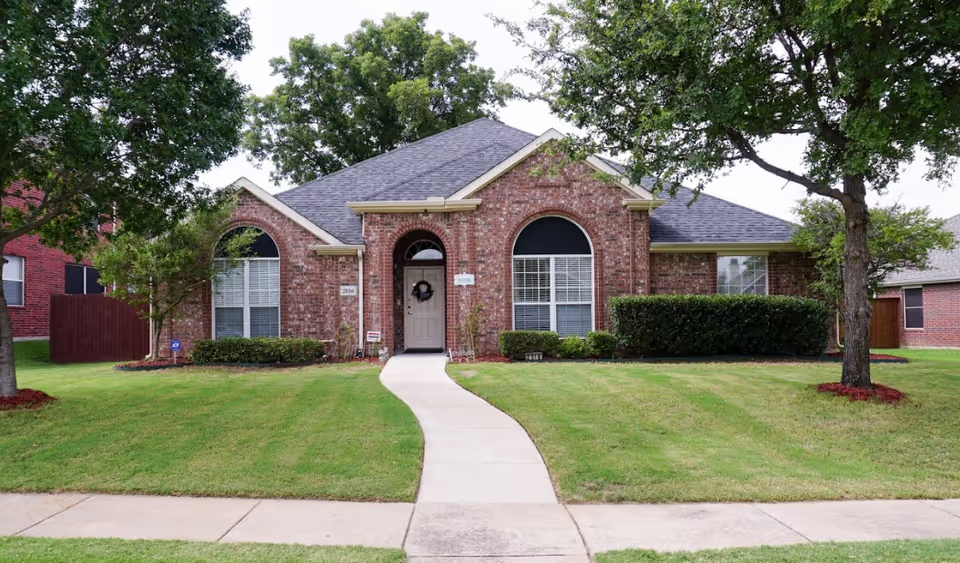
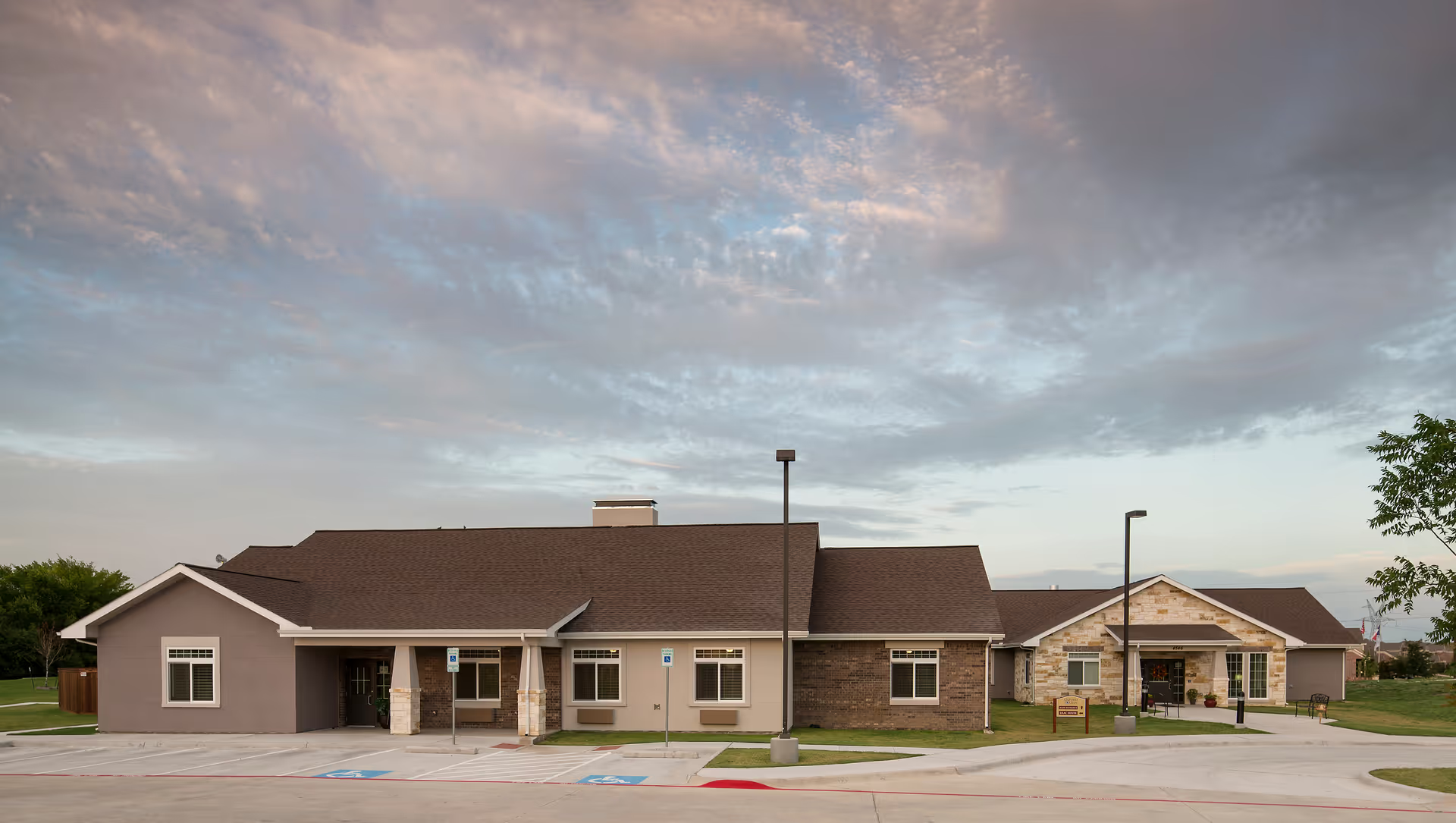
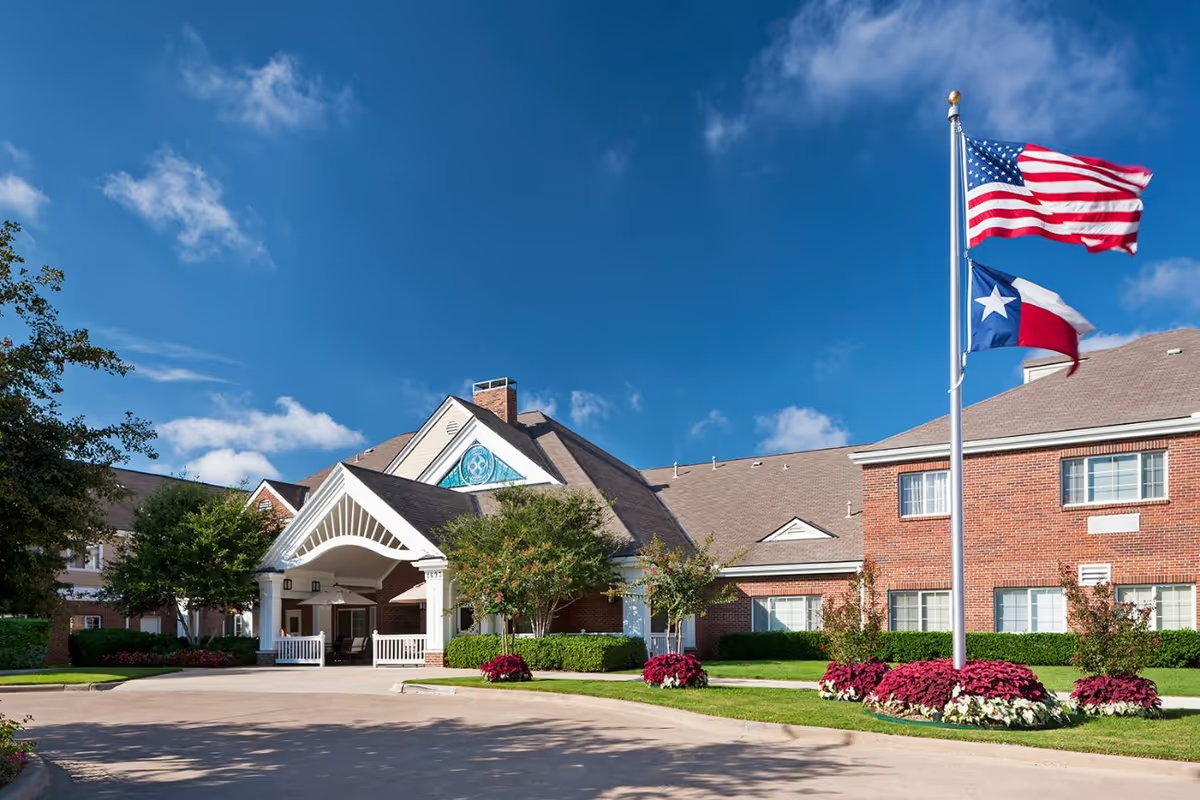
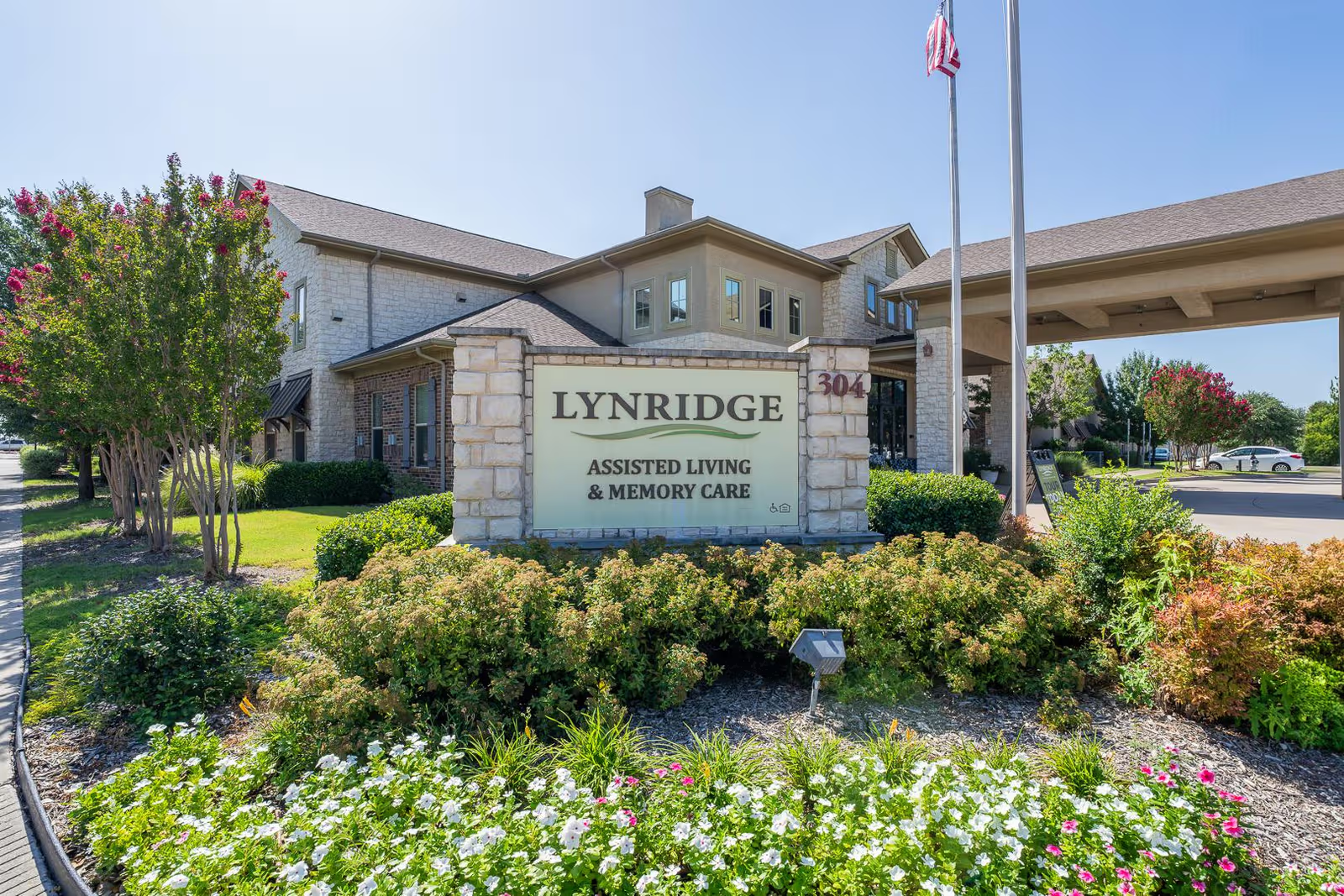
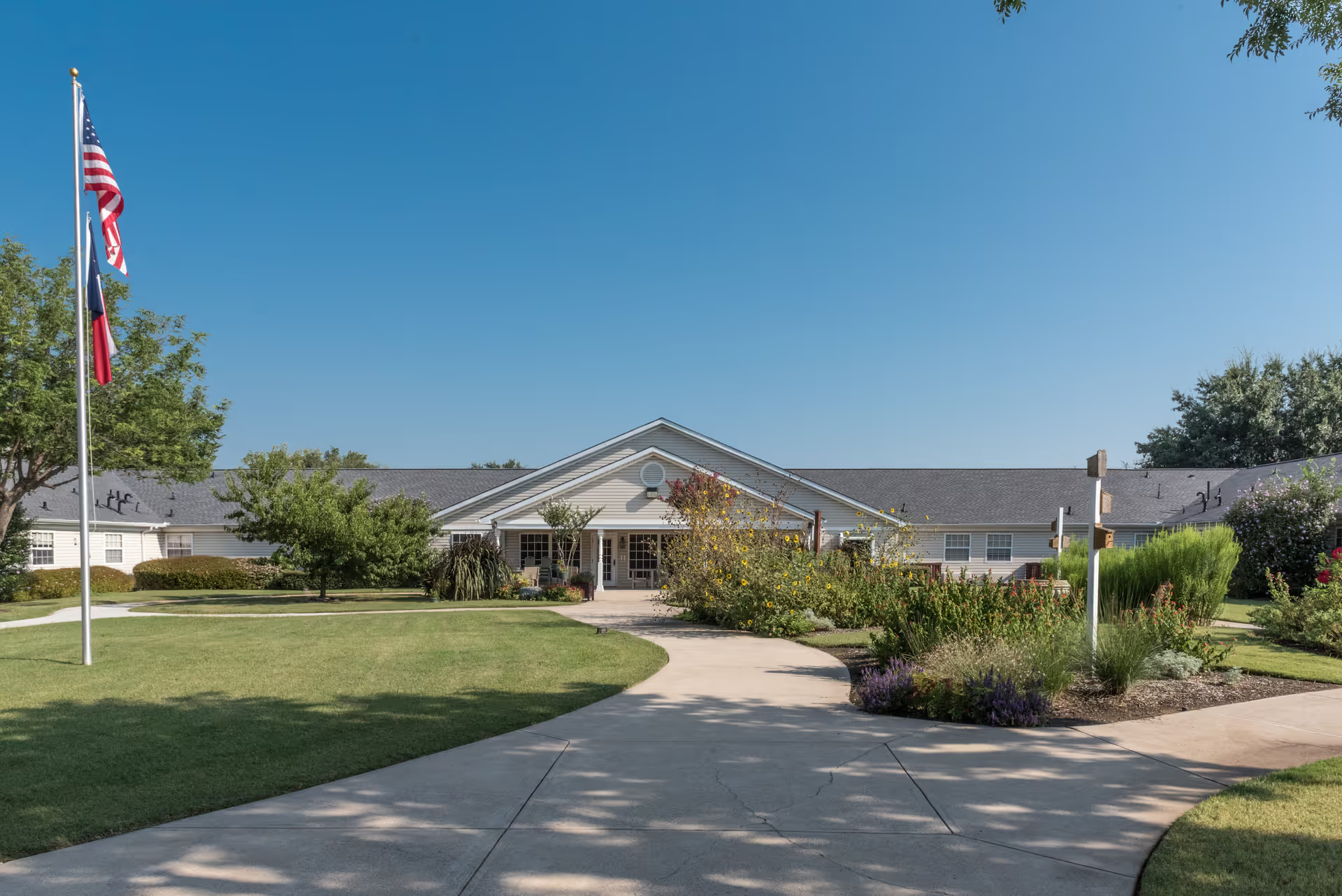
Overview: The Preserve at Spring Creek is presented across reviews as a new, high-end senior living community in Garland, TX offering a full continuum of care (independent living, assisted living, memory care) and a wide range of housing formats including cottages, duplexes and apartments. Reviewers consistently praise the campus design, amenities and event programming; common highlights include a clubhouse, fitness options, outdoor courts and resort-style features that support an active lifestyle.
Staff and care quality: Many reviewers emphasize the community's compassionate, friendly staffing and strong leadership presence. Sales and tour staff receive repeated positive mention for knowledge and responsiveness, and several families described warm, respectful interactions during tours and events. At the same time, a number of reviewers raised substantive concerns specific to the memory-care program and day-to-day clinical operations. These concerns cluster around staffing shortfalls during certain shifts, inconsistent execution of individualized care plans, delays in personal-care activities and meal delivery, and questions about the tone of staff–resident communication. Those issues suggest variability in how clinical and personal-care services are delivered and documented across units and shifts.
Dining: Dining is commonly cited as a strength, with references to an attentive culinary team and pleasant event catering. A few reviewers noted limitations in specialized dietary accommodations (for example, diabetes-friendly options) but also reported that menu adjustments were underway. Overall, dining appears to be a positive element of the resident experience with some room for expanding therapeutic and specialized diet offerings.
Activities and engagement: The community is frequently described as socially active, with plentiful events, parties and programming that foster connections among residents. Reviewers praised event planning and hospitality. However, there are also comments indicating that memory-care engagement programming may be limited in scope or frequency compared with other parts of the campus; some families would like to see more continuous, therapeutic activities tailored for residents with cognitive impairment rather than primarily social events.
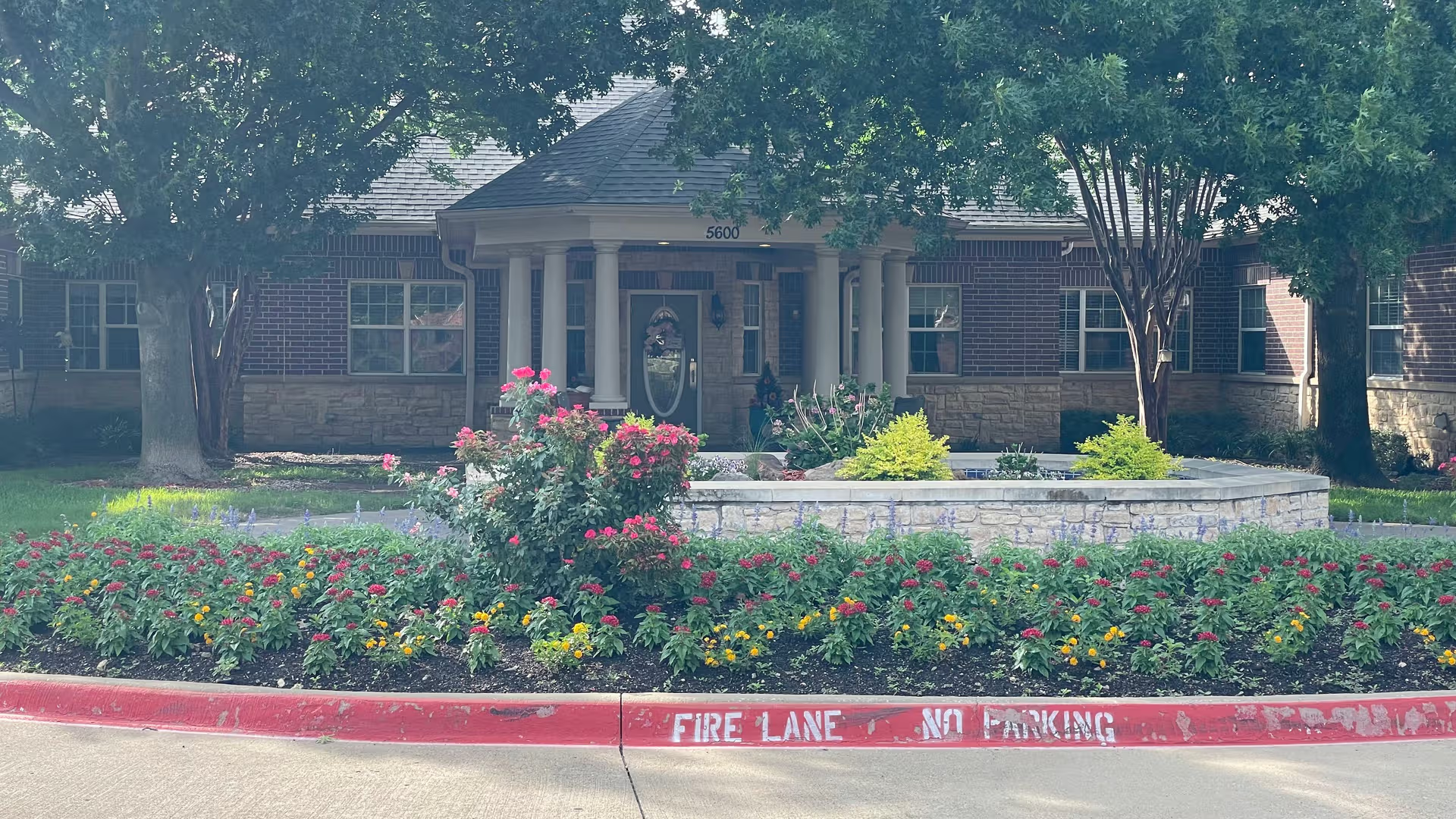
Facilities and operations: The physical plant and grounds receive strong praise for cleanliness, modern design and attention to detail. Reviewers who attended hard-hat tours reported positive impressions of finishes and planned amenities. That said, several operational concerns accompany the early-stage status of the community: reviewers described typical pre-opening kinks and transitions as staffing patterns and workflows are finalized. A few more acute operational issues were noted, including infection-control and cross-contamination process concerns and inconsistencies in admission or placement decisions that affected individual move-ins.
Management and transparency: Leadership and executive staff receive repeated commendations for visibility and customer service. Yet some families expressed dissatisfaction with management responsiveness when clinical or placement concerns arose, and questioned clarity around pricing, deposits and admission criteria. These themes point to a need for clearer communication about fees, placement policies and escalation pathways for clinical issues.
Notable patterns and guidance for families: Overall sentiment is strongly positive about the facility design, amenity set, social environment and many staff members. However, reviewers also flagged operational and clinical reliability issues concentrated in memory care and early operational phases. Prospective residents and families would be well served to tour the community, meet care leads, and ask specific questions about memory-care staffing ratios and schedules, processes for documenting and following individualized care plans, meal and personal-care routines, infection-control protocols, and admission and fee policies. Those targeted inquiries will help gauge whether the operational practices meet your expectations for clinical consistency and resident engagement as the community completes its opening period.