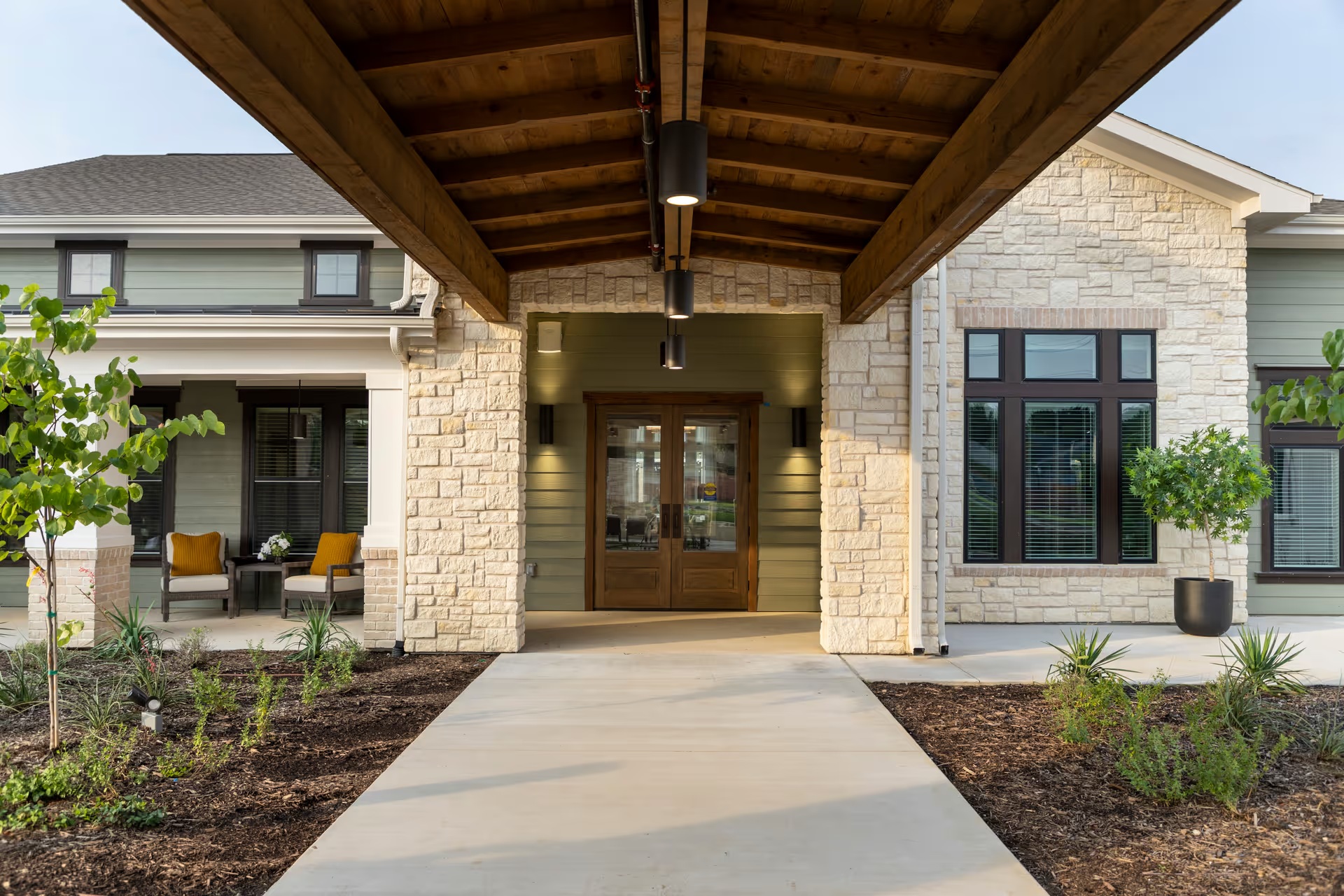
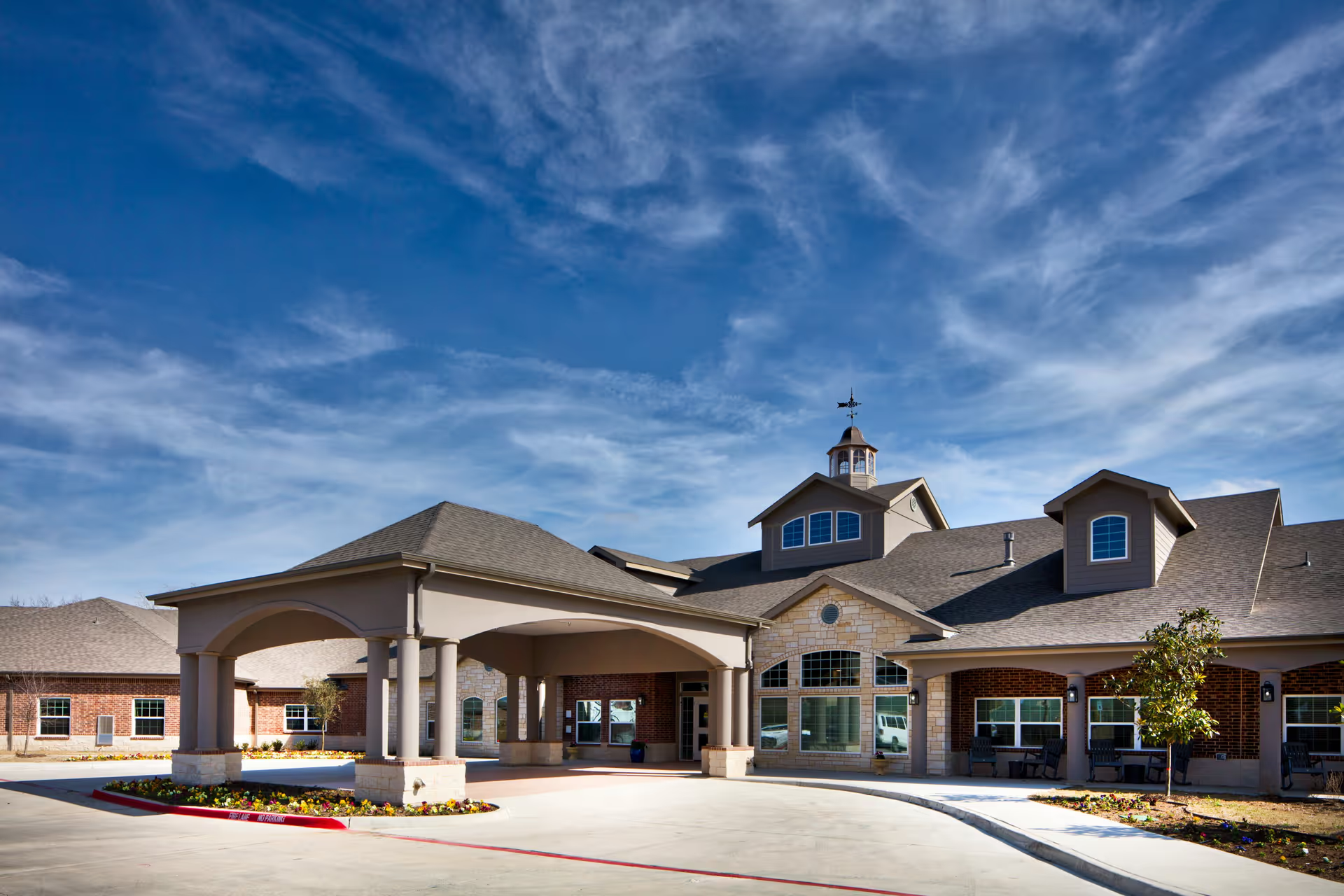
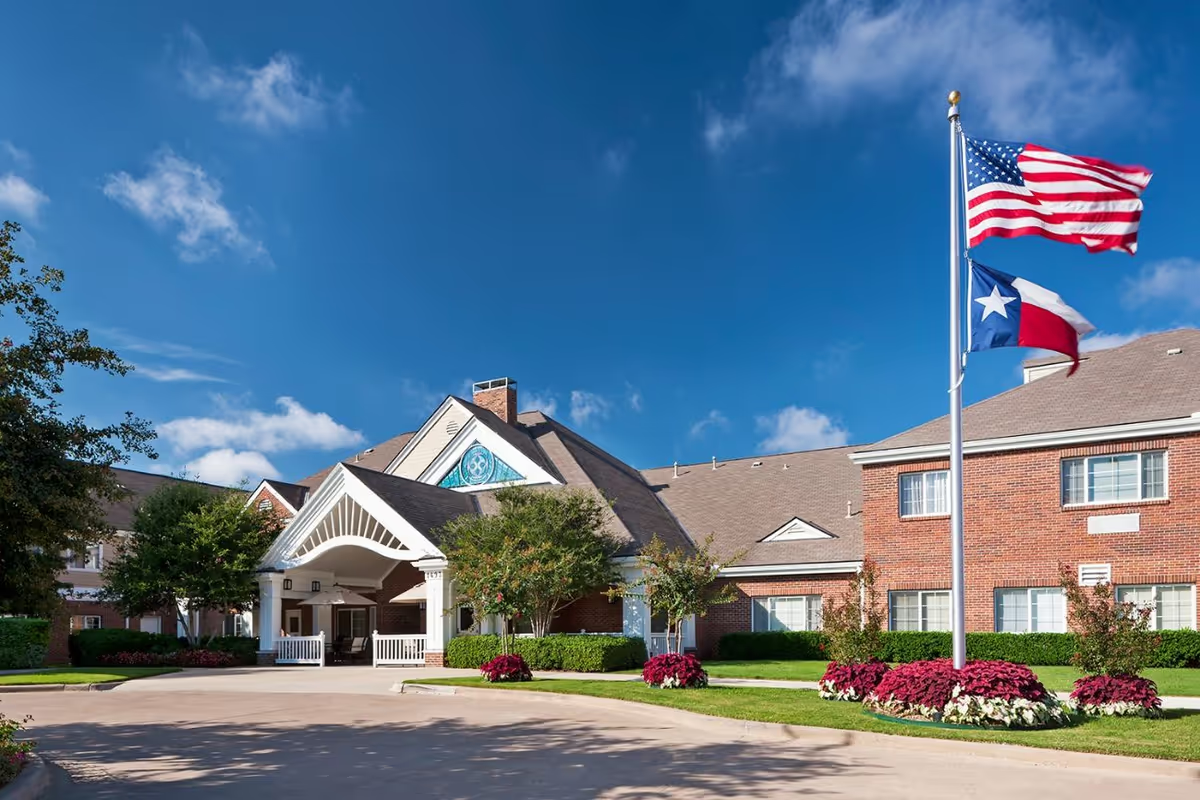
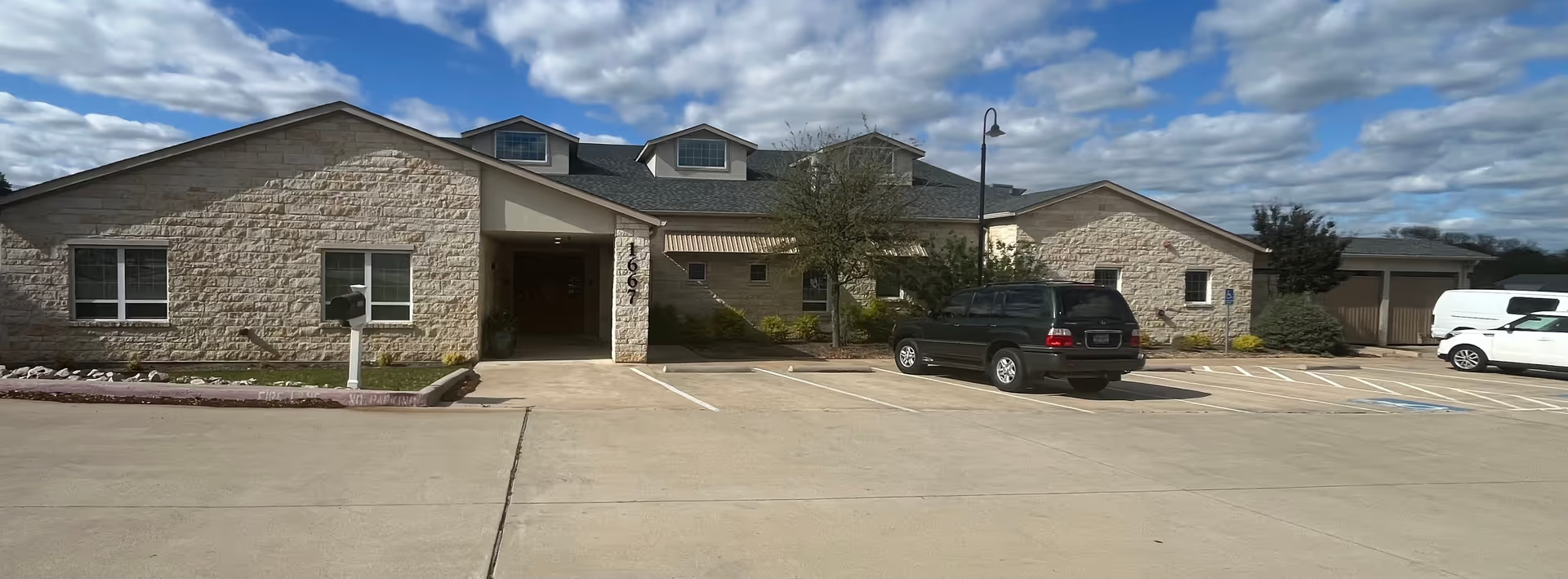
Watermere at Firewheel is a newly built independent-living community that receives consistent praise for its physical design, amenities, and the quality of its staff. Residents and visitors describe the campus as modern and well furnished, with wide hallways, roomy apartments, extra-large closets, and many communal features such as a salon, hot tub/sauna, fitness spaces, and planned spa services. The property’s location and the perceived financial value relative to homeownership are also cited as strengths.
Staff and management are a prominent positive theme. Leasing, move-in coordination, and ongoing communication are described as thorough and personable, and maintenance responsiveness is repeatedly noted. Housekeeping and administrative teams are characterized as attentive and caring; however, the facility’s standard housekeeping cadence (monthly for some services) may not align with every resident’s expectations.
Dining is frequently highlighted as a community focal point. The chef is described as engaged with residents and as improving the menu, and the dining room is praised for its service style and atmosphere. At the same time, the food program shows some operational gaps: breakfast offerings are often carb-heavy with limited low-sugar or higher-protein choices, and a few supply/selection inconsistencies (creamers, condiments, and certain breakfast items) were noted. There are also comments about variability in dining-staff competence during early staffing transitions; these appear to be staffing and training issues rather than systemic culinary quality problems.
The activity program and social life are strengths. Residents report many planned events, live music, themed dinners, fitness and game opportunities, and a welcoming, home-like culture that encourages but does not force participation. The new activity director and event calendar receive positive attention, contributing to a strong sense of community.
Operational patterns to consider: several reviewers describe initial move-in glitches, a small number of cleanliness and pest-control issues during early occupancy, and phased amenity availability (some features opening after move-in). Internet and cable connectivity—tied to a single provider—has been a persistent pain point for some residents. Transportation for shopping and medical appointments is available but appears limited relative to resident needs. Finally, because Watermere Firewheel is independent living only, it is not positioned to serve residents with higher medical or skilled-care requirements.
Overall, Watermere at Firewheel presents as a well-appointed, community-oriented independent living option with strong staff engagement and an active social program. Prospective residents and families should weigh the community’s social and amenity strengths against the operational caveats—dietary accommodation limits, phased amenity rollout, connectivity reliability, and the absence of onsite medical care—when determining fit for specific needs.