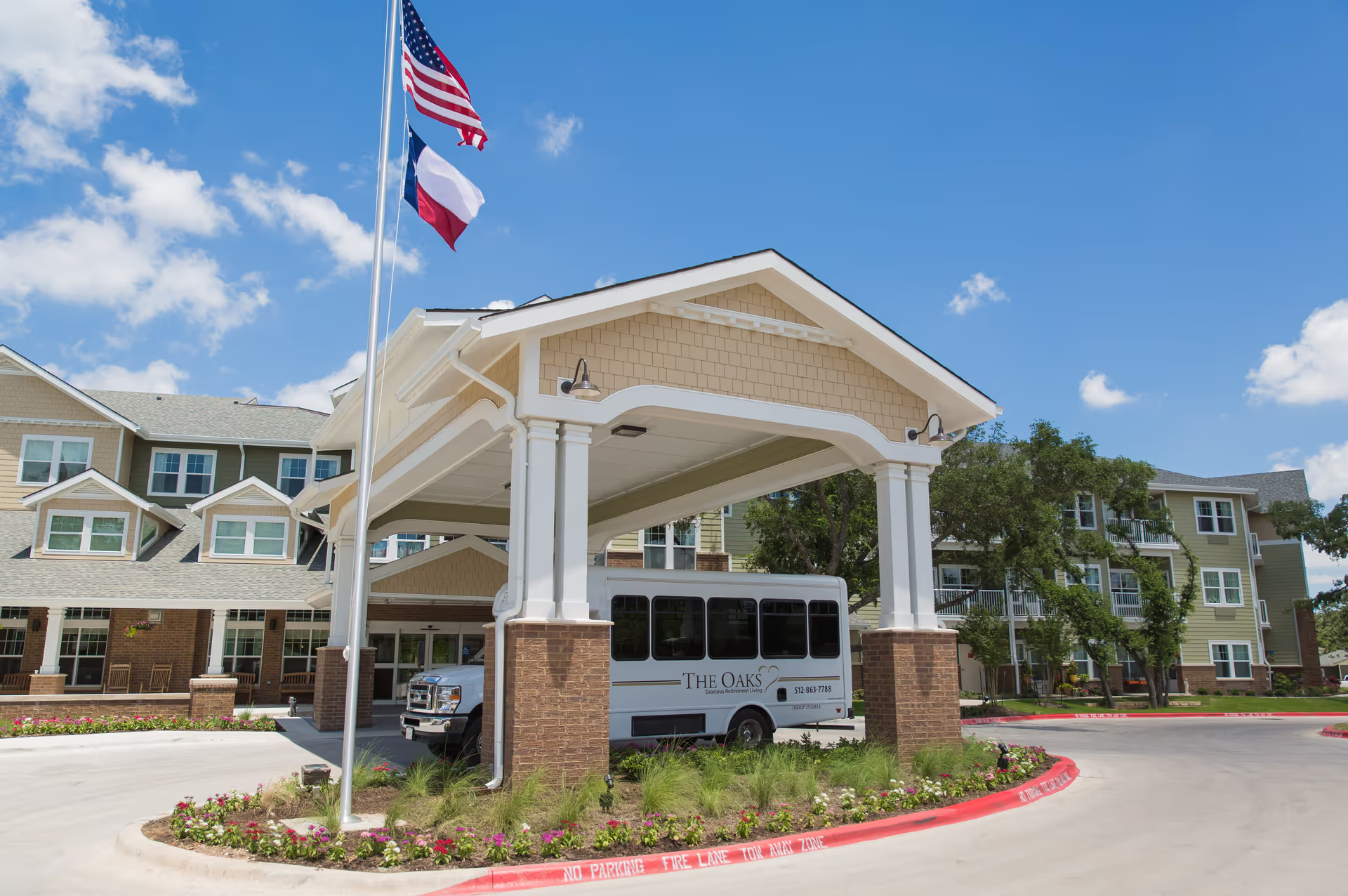
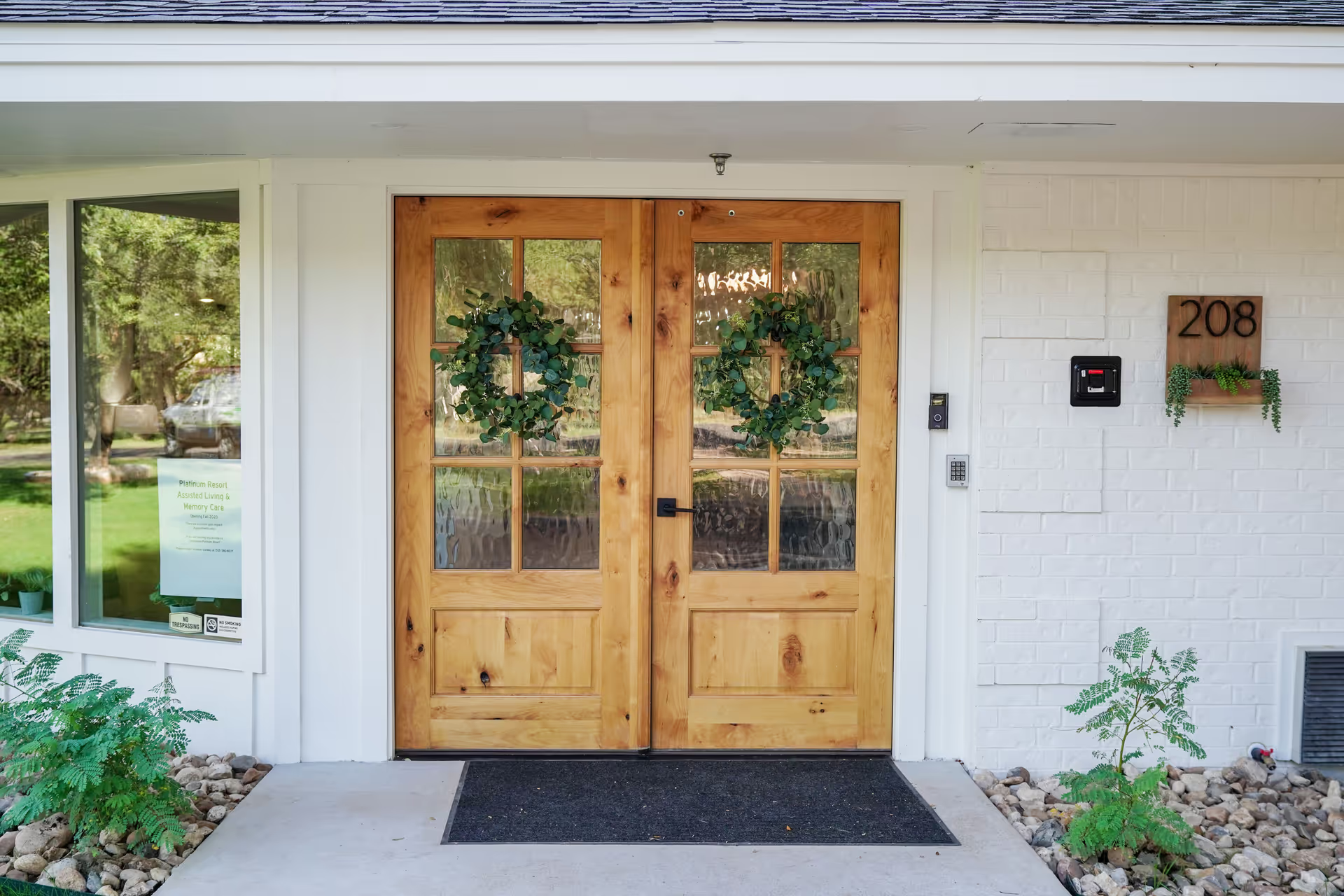
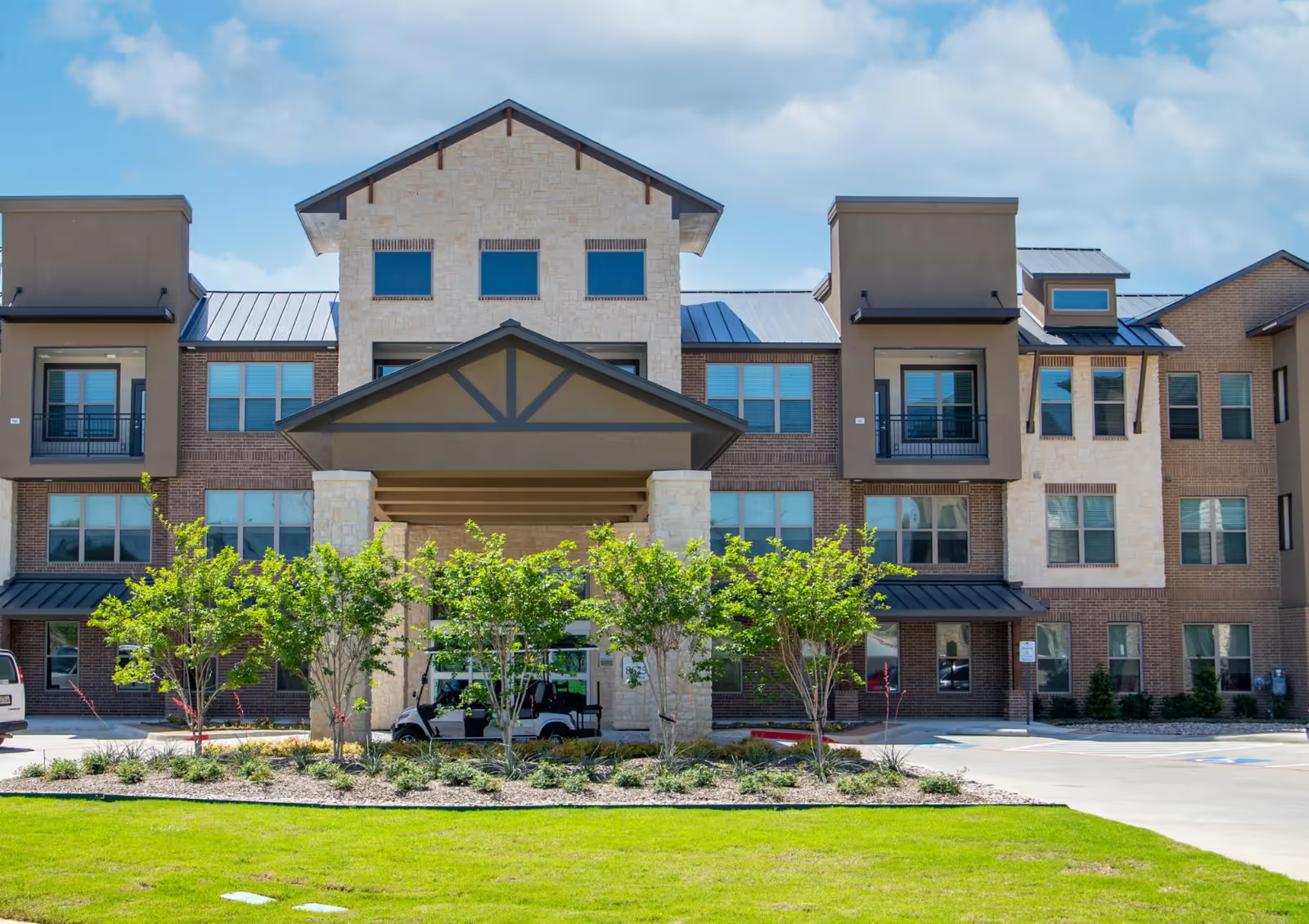
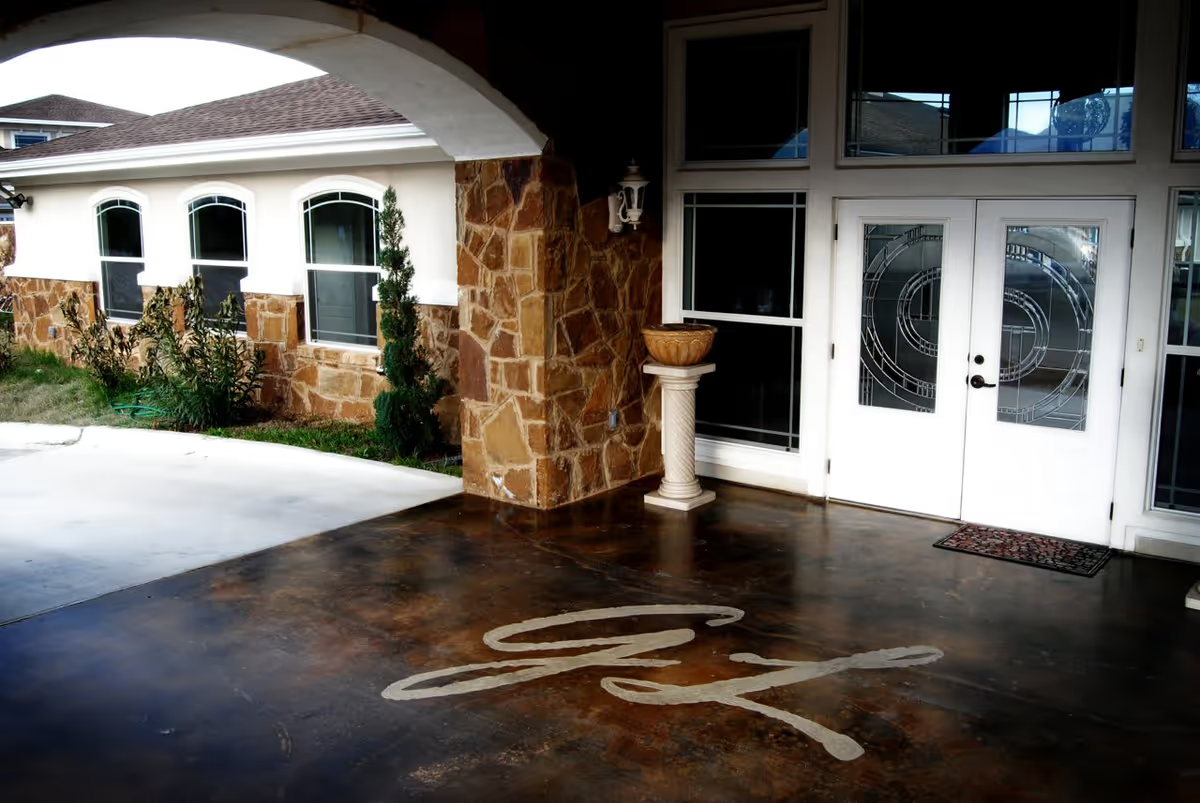
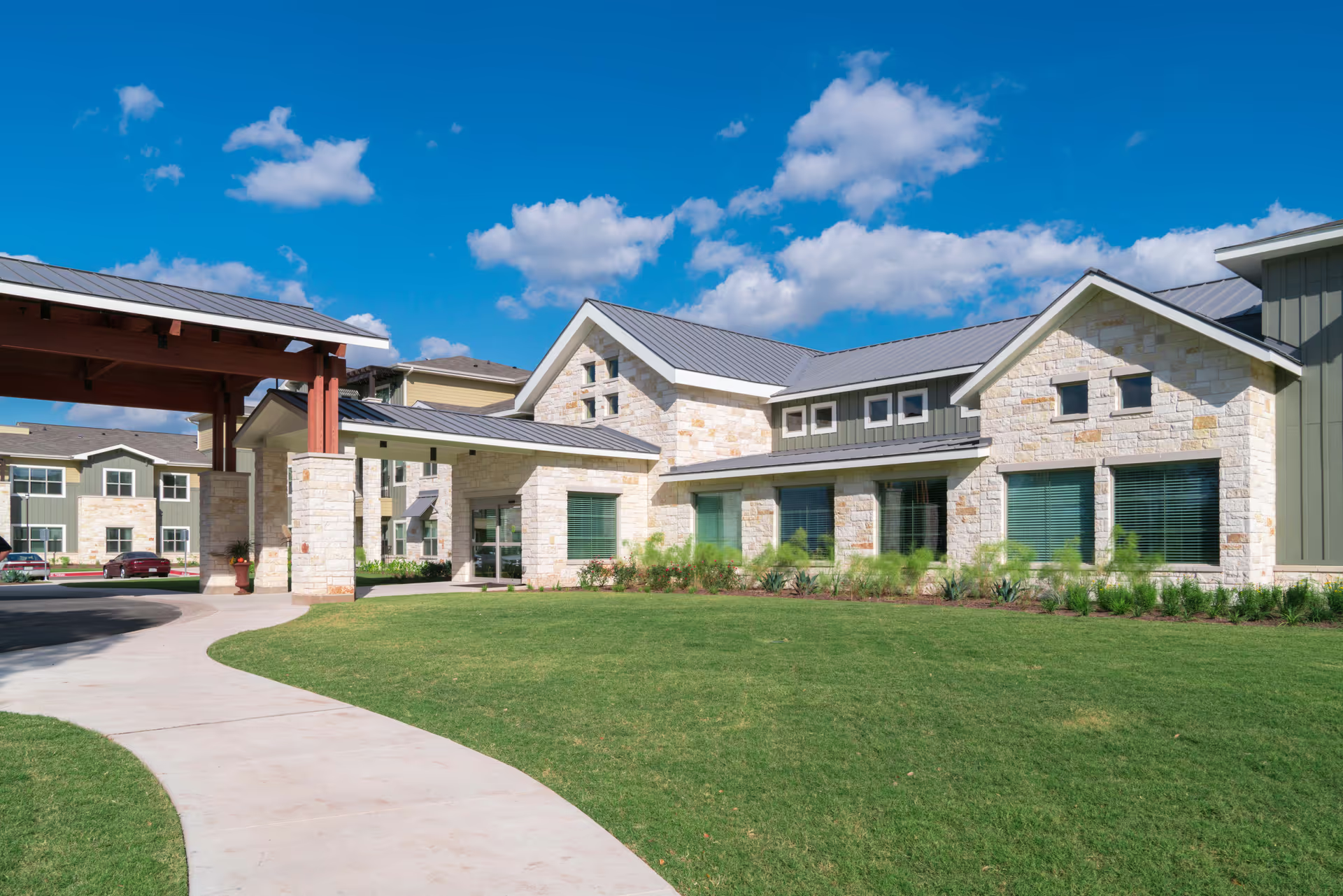
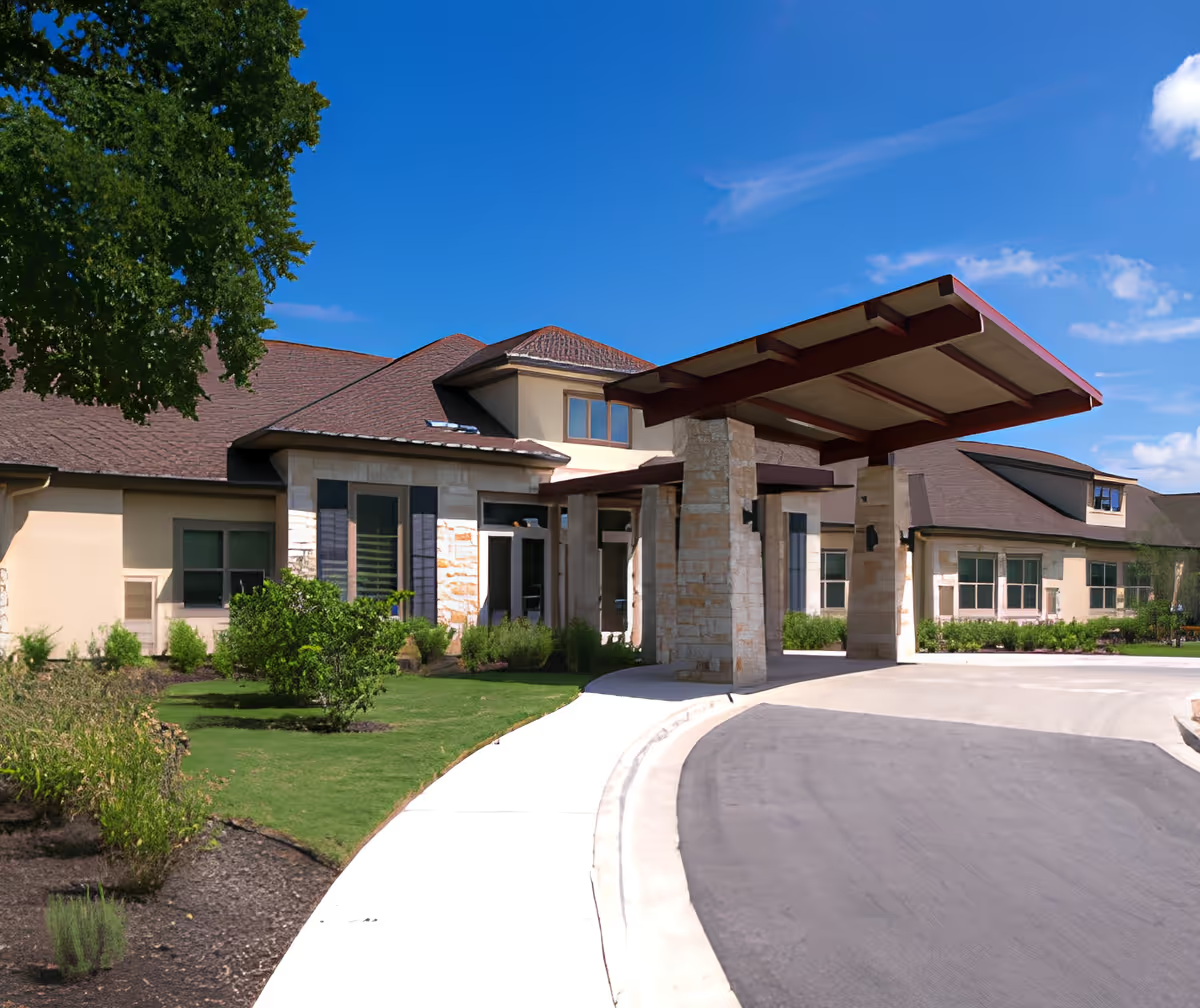
Brookdale Georgetown presents as a small, single-story assisted living community with a home-like atmosphere and a mix of basic residential amenities. The property layout — compact corridors, courtyards, sun rooms and garden areas — supports easy mobility and social interaction. Apartment options vary in size and configuration, with several units noted to have large closets and accessible bathrooms; common spaces include dining areas, lounges, an exercise room, a computer room and an on-site salon. Security features such as locked exterior entry and visitor registration are in place.
Care and staffing are the most frequently discussed strengths. Many families emphasized compassionate, attentive caregivers, long-tenured staff, and consistent caregiver–resident relationships. On-site nursing and in-house rehabilitation/therapy services are available and have supported successful short-term rehab and transitions for some residents. At the same time, reviewers described operational strains tied to staffing: periodic short staffing, slower response times to call bells or requests, and occasional weekend coverage gaps. Linked to those constraints were descriptions of delays in clinical response and examples that point to gaps in monitoring and in communication between clinicians and families.
Dining and activity offerings are a mixed picture. Several reviews praised the chef-prepared, home-style meals and generous portions, and the community has an active activities director who runs on-site programs, holiday events and social gatherings. Transportation to appointments and social outings is available. However, other reviewers described inconsistent meal quality and limited off-campus outings or reduced activity options at times. Prospective residents seeking a highly active lifestyle should verify current programming levels during a tour.
Facility condition and management performance also show variability. Many families found the community clean, well-kept and welcoming, and noted responsive management and good tour experiences. Conversely, others described aging finishes, the need for updates, and intermittent unit-level sanitation issues. Administrative concerns that appear across reviews include billing transparency, occasional delivery/mail-handling problems, and uneven communication from leadership — particularly during management transitions. Infection-control policies (for example, pandemic-era visitation limits) and environmental factors (e.g., road noise affecting visitation options) have also affected visitor access at times.
Overall impression: Brookdale Georgetown is best characterized as a small, staff-focused assisted living option that offers secure, accessible grounds, on-site therapy, and a family-like culture. The primary operational risks noted in multiple accounts are staffing variability, communication and clinical-response gaps, and an aging physical plant that requires periodic upgrades. Families considering this community should prioritize an in-person tour, ask for current staffing and activity schedules, review clinical-incident response protocols and medication-management practices, and request clear explanations of billing and delivery procedures before making a placement decision.