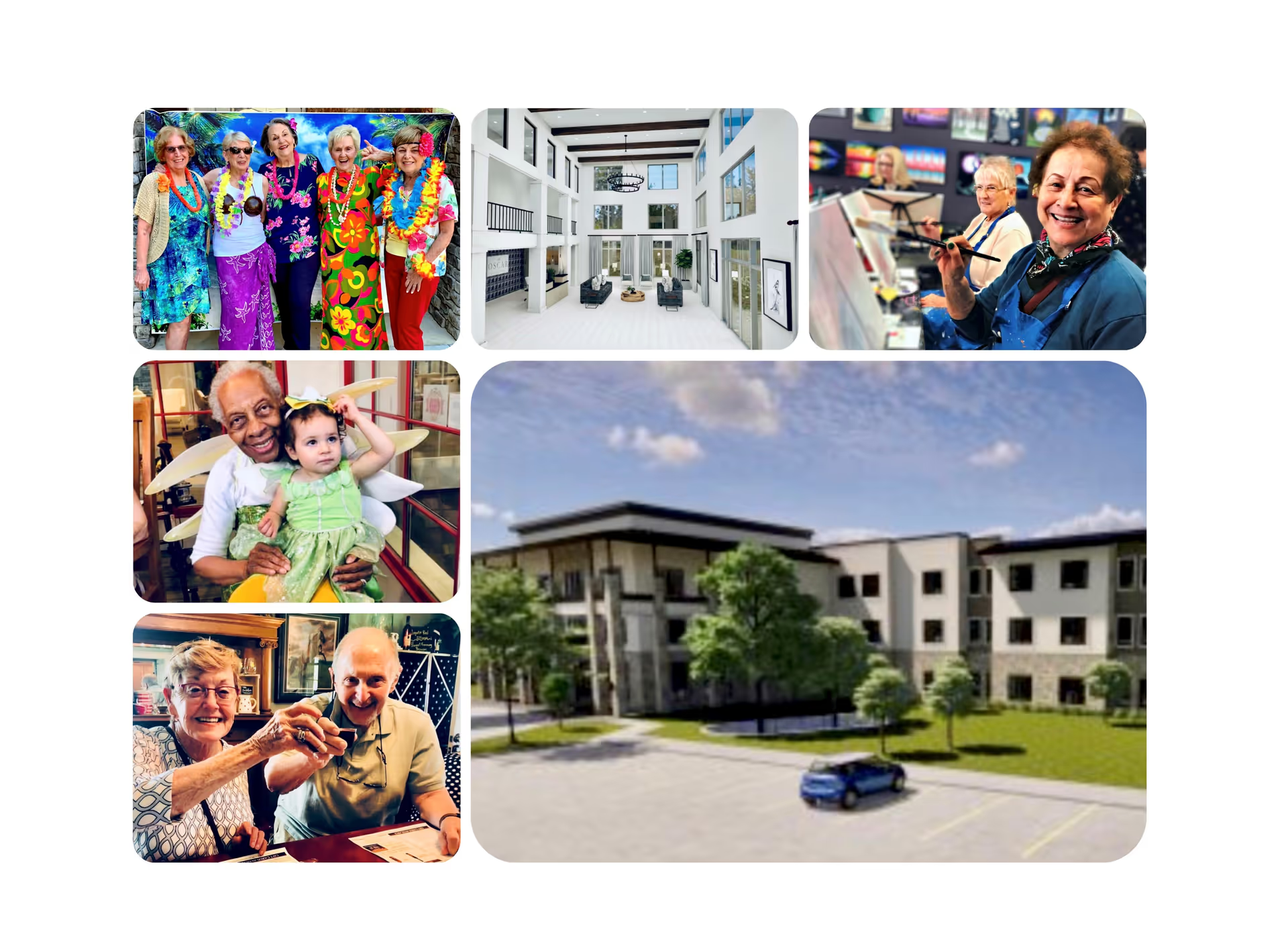
Overall impression: The facility is consistently described as a small, home-like assisted living and memory-care residence with a strong emphasis on compassionate, individualized care for residents with dementia. Many families highlight a dementia-focused program, Alzheimer's-certified staff, and an ability to reduce sundowning and other dementia-related disruptions. The dominant tenor of comments is that staff provide emotionally engaged, respectful caregiving that treats residents with dignity and fosters social connection.
Care and clinical support: Care quality is often characterized as attentive and person-centered. Reviewers describe individualized care plans, quick responses to needs, coordinated hospice partnerships, and active hospital coordination when needed. Staff are noted for grooming residents, assisting with special events, and supporting end-of-life transitions. At the same time, reviewers have expressed operational concerns that translate into trait-level weaknesses: staffing experience can be inconsistent, coverage may be limited overnight or on weekends, and the home is not equipped to provide higher-acuity 24/7 skilled nursing care. Families considering residents with elevated clinical needs should verify clinical coverage and transfer protocols.
Staff, management, and culture: A recurring strength is hands-on, accessible management and owners who participate in resident care and communication. Many reviews name individual caregivers and praise the warmth, patience, and teamwork between staff and leadership. However, there are repeated comments about high staff turnover and variability in experience, and some reviews raise concerns about staff professionalism or conduct. There are also critiques pointing to weaknesses in contract handling, documentation, and pricing transparency. Prospective families should review agreements closely and clarify billing, contract terms, and privacy practices before admission.
Dining, activities, and social life: The dining program and daily routines are frequently praised—family-style meals, home-cooked food, flexible breakfast service, and attention to resident preferences (for example, protein smoothies and special-event meals). The social program emphasizes spiritual activities, music, parties, and small-group engagement that fit the intimate scale of the home. These routine activities and personalized supports are cited as important contributors to resident mood and engagement.
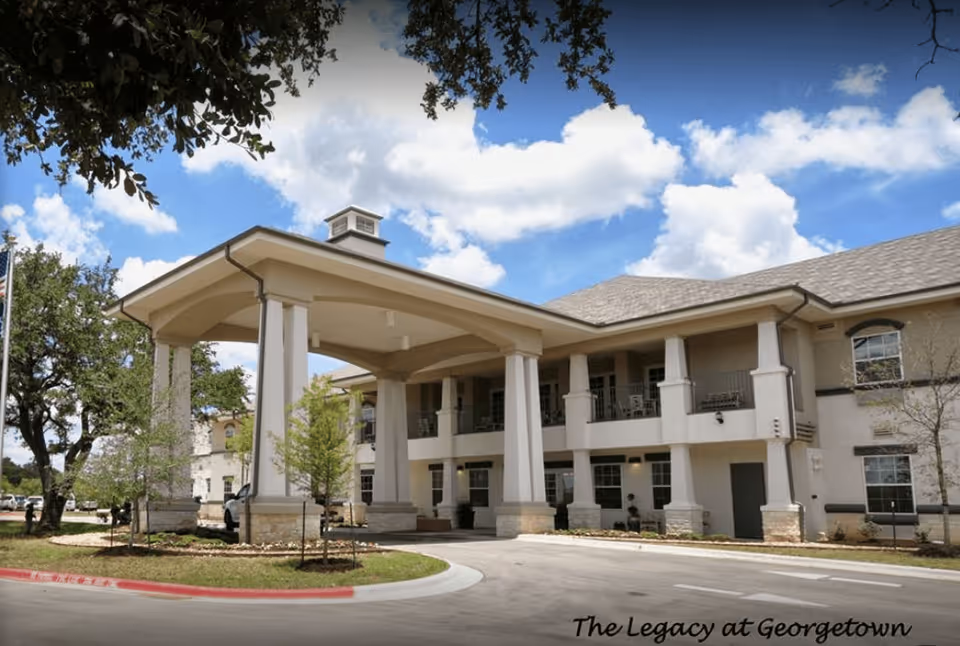
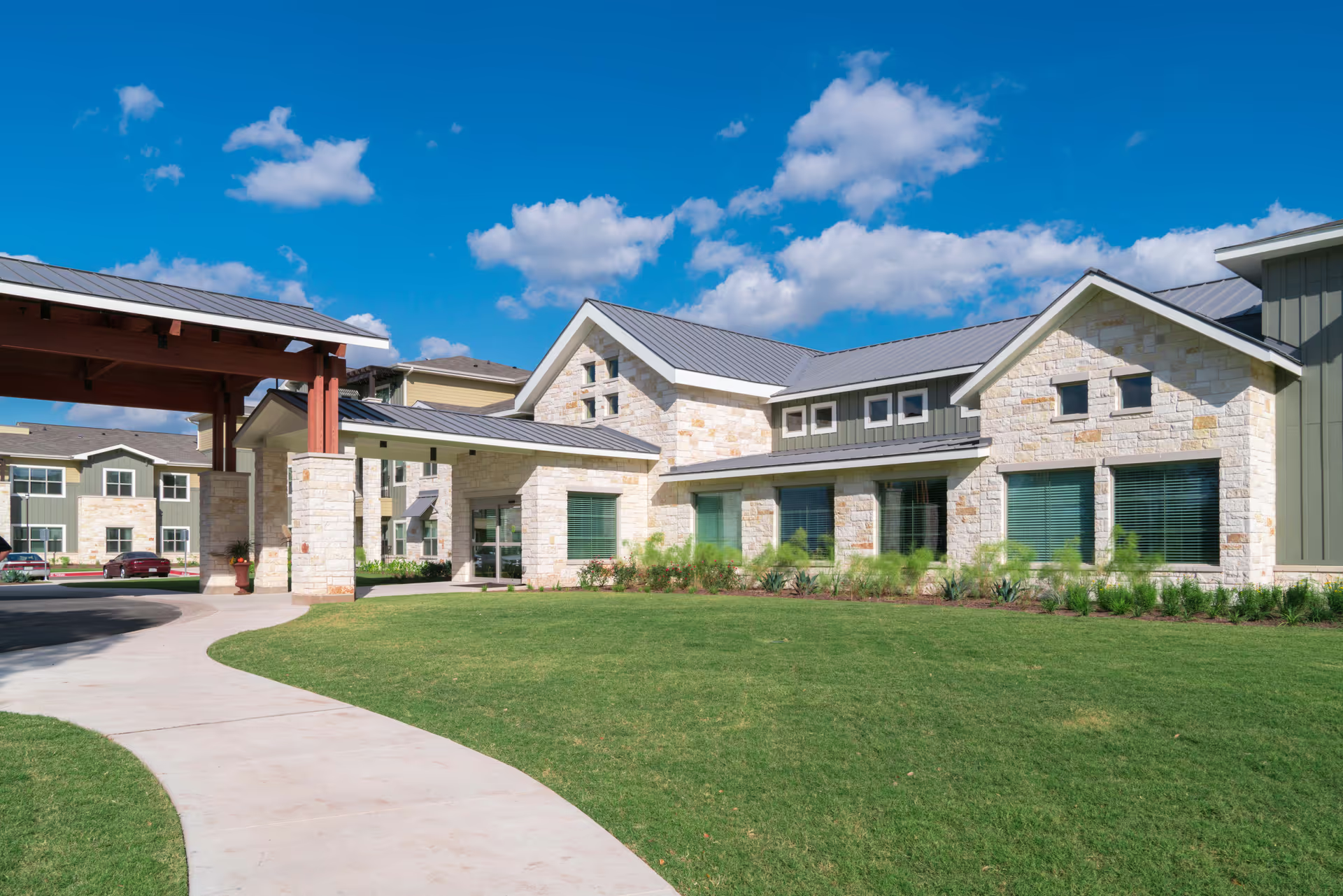
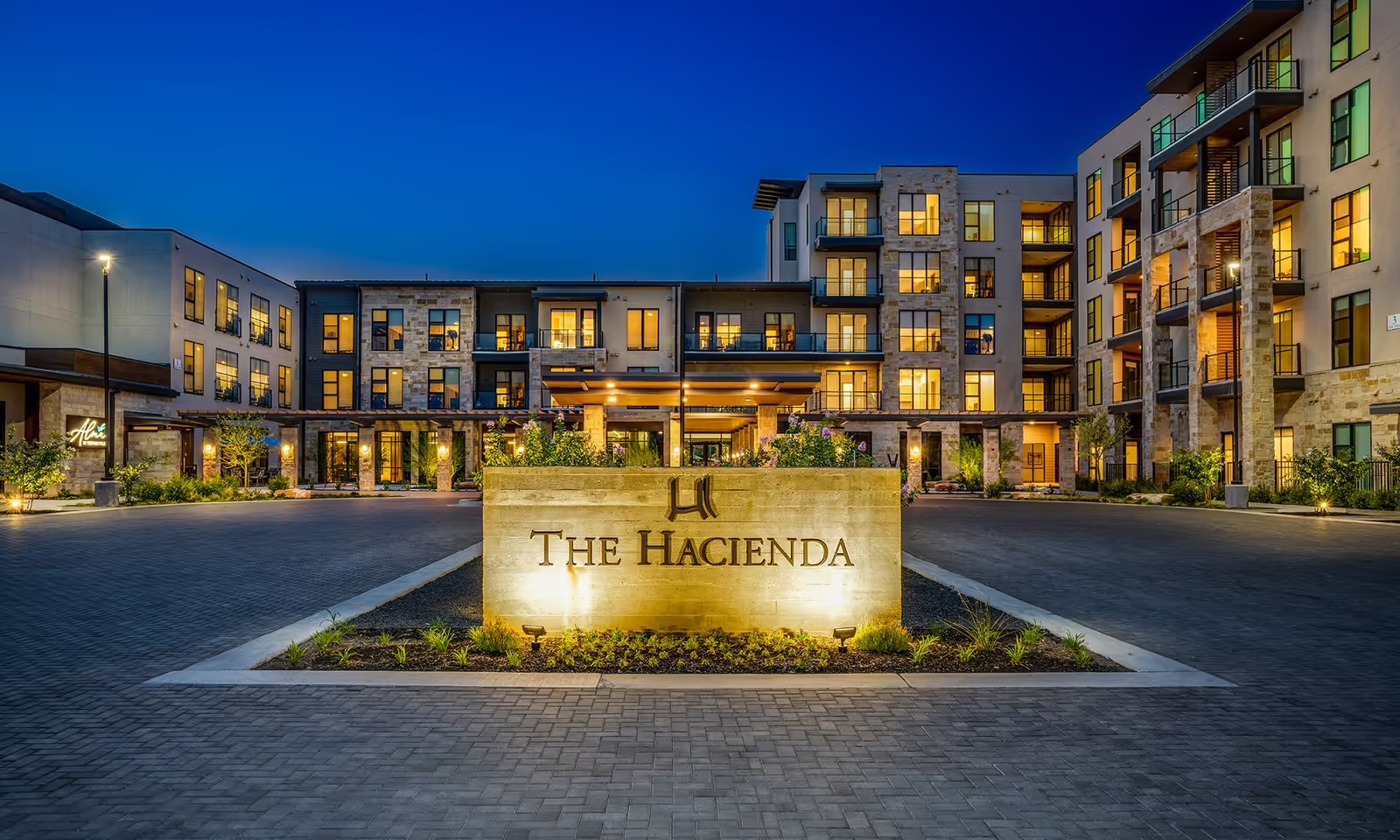
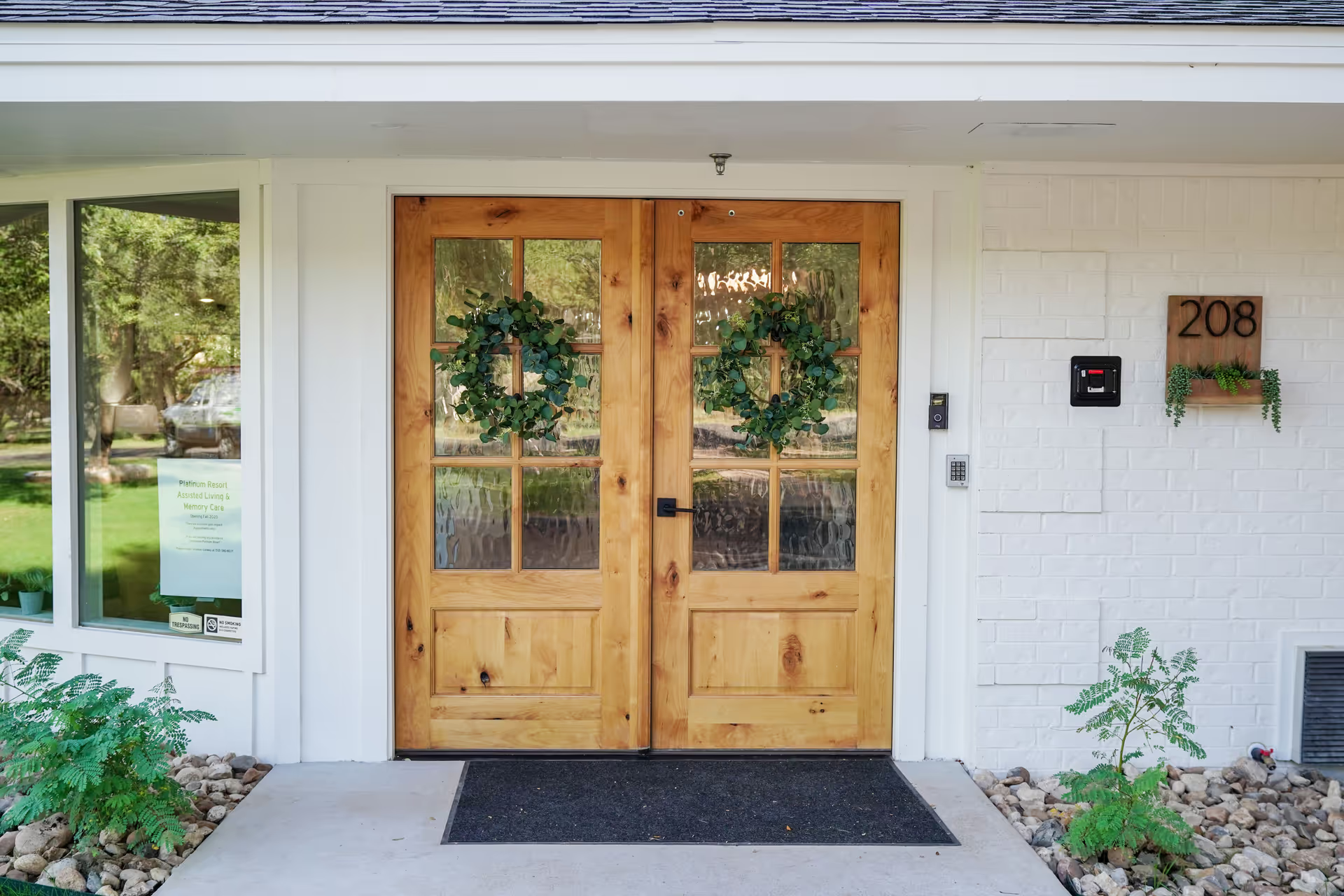
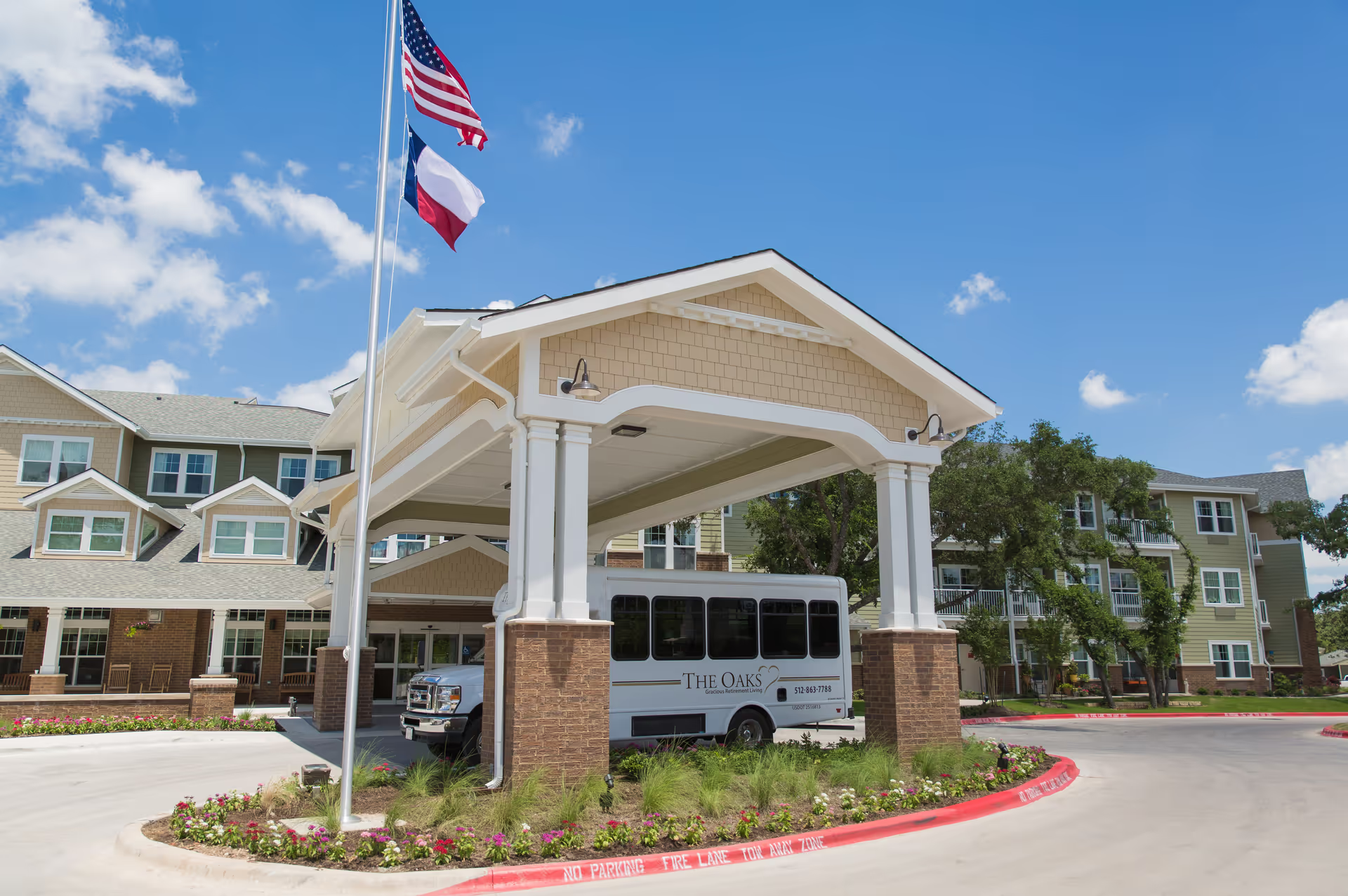
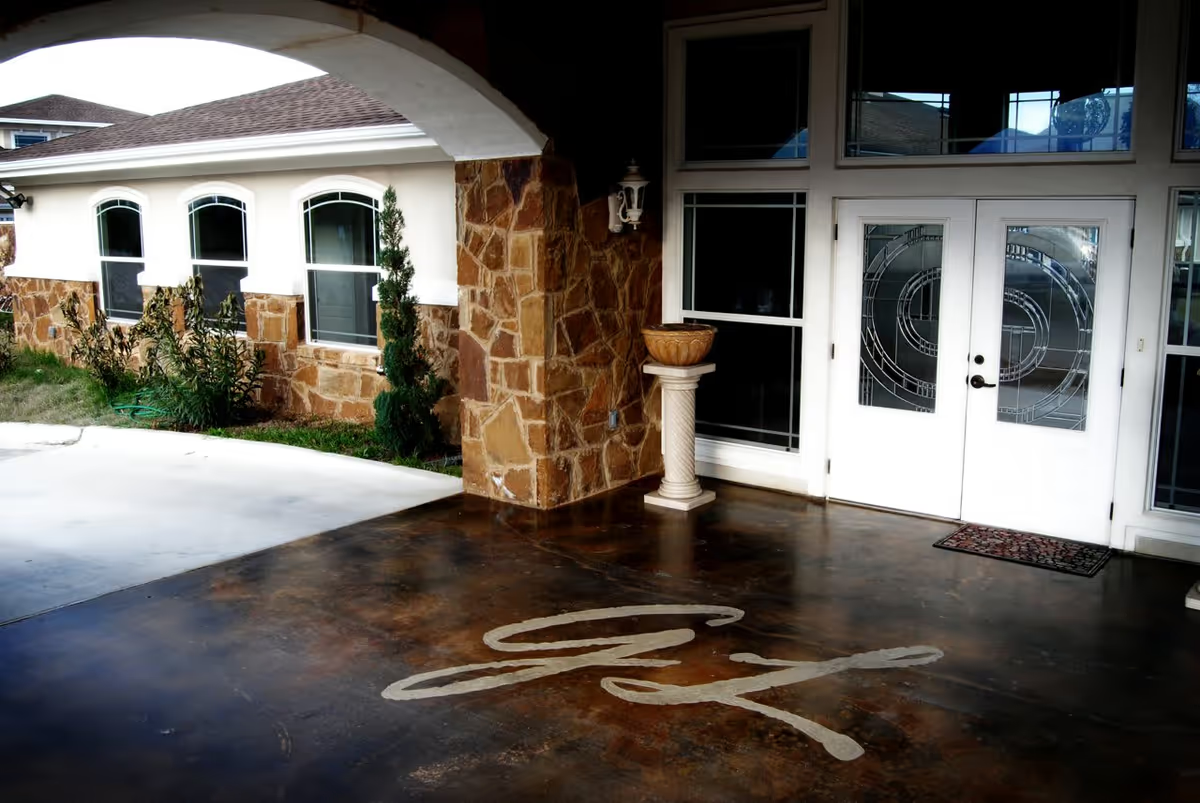
Facilities and safety: Physically, the residence is described as bright, immaculately kept, and decorated in a homey manner with private rooms, a fenced backyard, gazebo, and landscaped grounds. These features support a cottage-like, peaceful environment. Counterpoints include that the small home size may not suit every family or every level of need, and that certain floorplan elements (multiple hallways) may be less suitable for residents who are highly prone to wandering or disorientation. Some reviews express concerns about safety oversight and incident-prevention practices; families should inquire about fall-prevention protocols, transfer-assistance policies, shift staffing levels, and incident-reporting procedures.
Notable patterns and recommendation: The dominant pattern is strong, affectionate caregiving in an intimate, well-kept home with active owner involvement and a dementia-specific approach. Offsetting patterns include variable staff experience, turnover, and administrative/process gaps around contracts and pricing transparency. For families seeking a small, personalized memory-care setting with robust social and spiritual programming, this facility appears to offer many strengths. For those whose loved ones require consistent higher-acuity clinical coverage or for families who prioritize very stable overnight staffing and formalized contract protections, a careful, on-site review of staffing patterns, clinical capabilities, and contractual terms is advisable before placement.