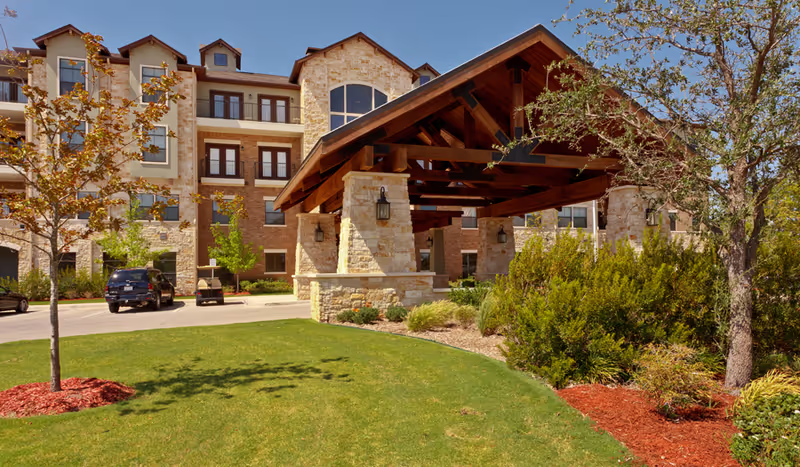
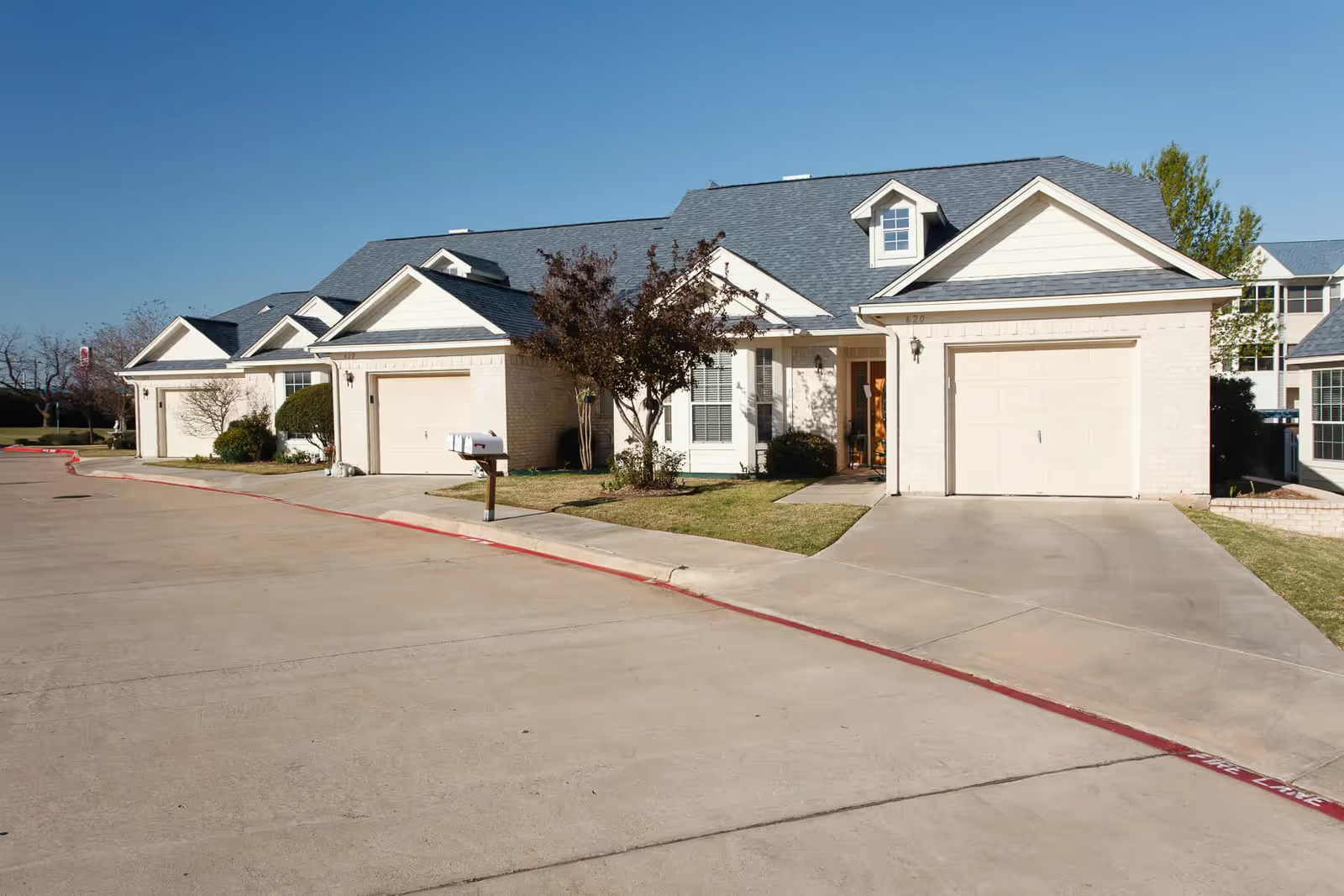
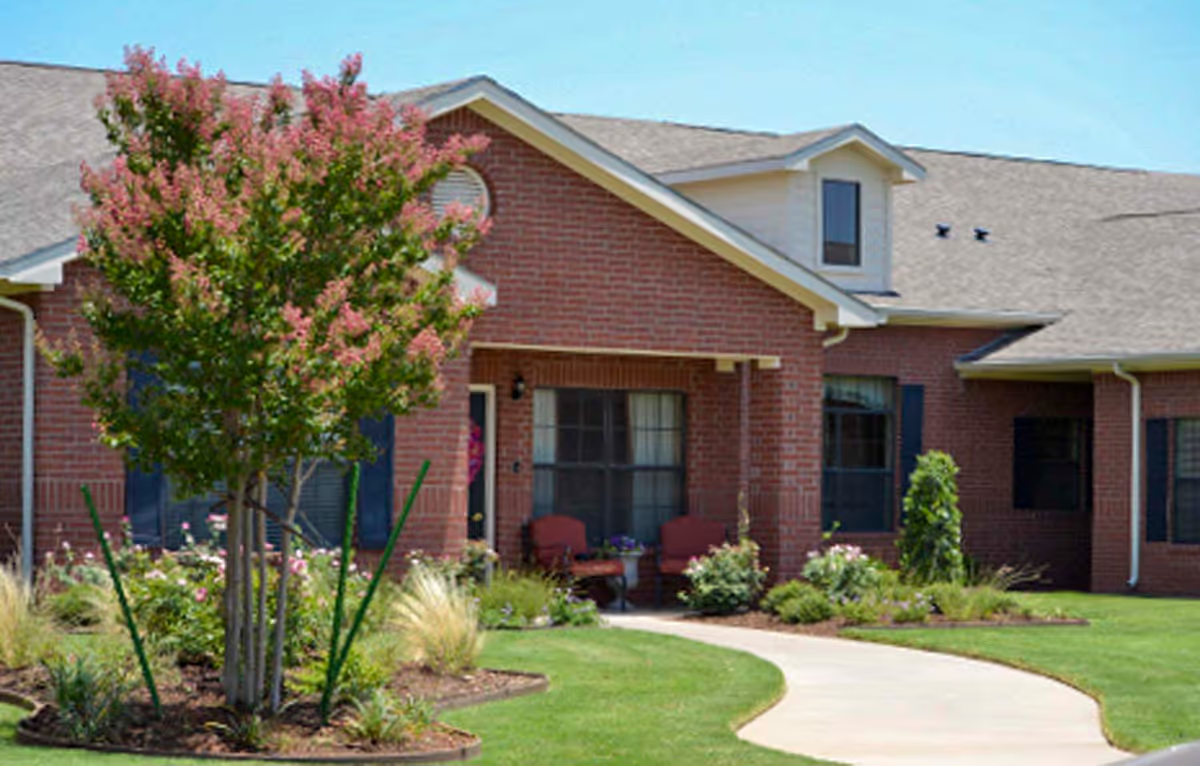
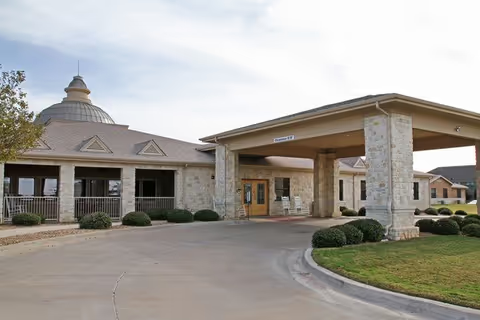
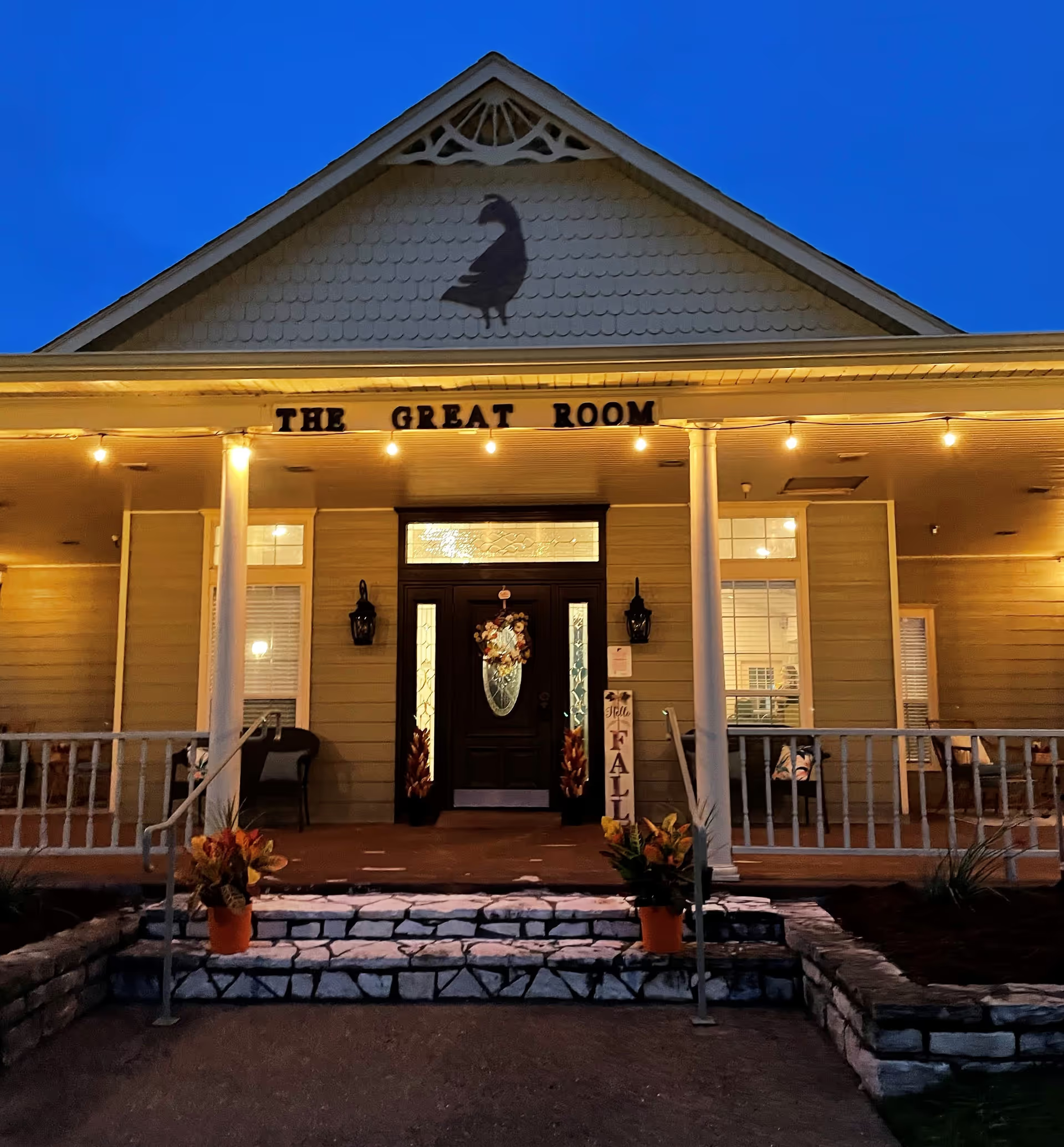
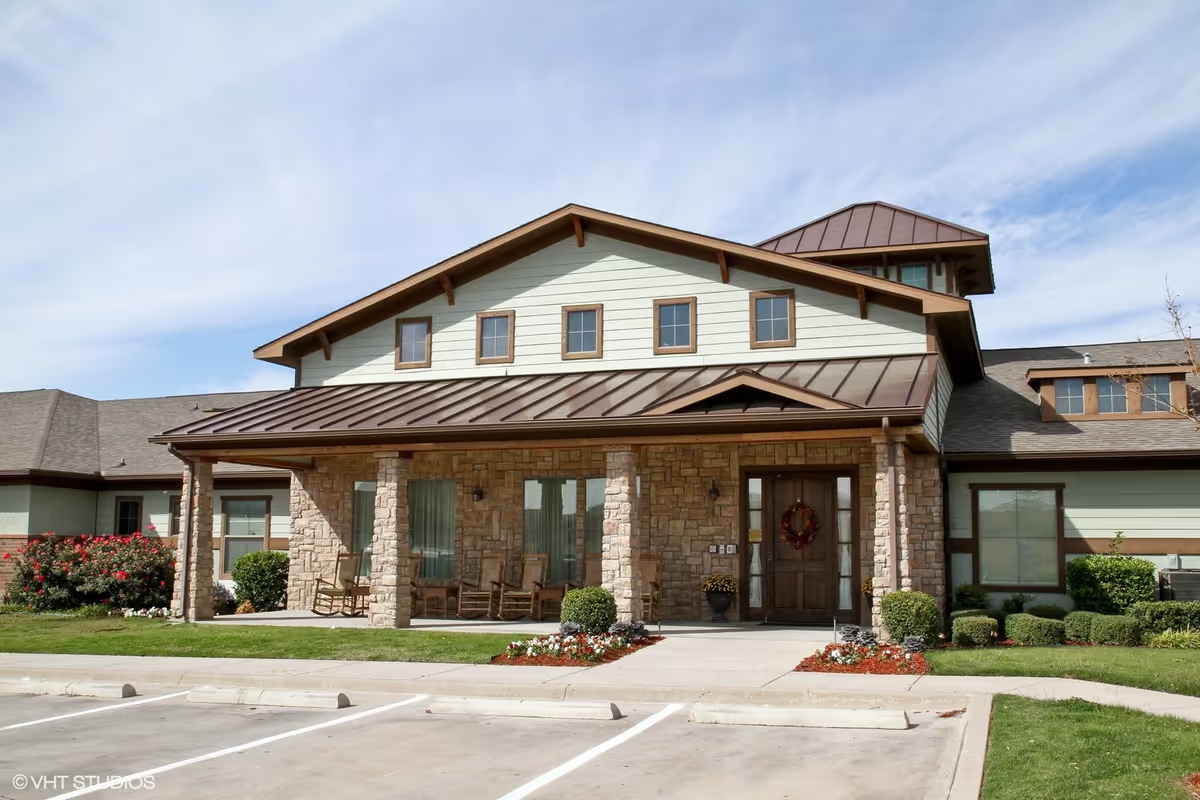
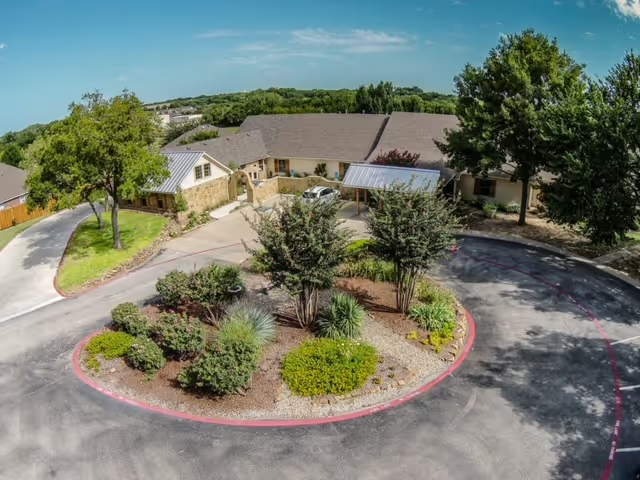
The Oaks of Granbury presents a mixed but generally positive picture with consistent praise for its staff, small scale, and homelike atmosphere. Many families emphasize compassionate, resident-focused caregivers and an executive leadership team that is hands-on and proactive. The facility's smaller size is frequently cited as a strength: it enables more personalized attention, comfortable common areas, private rooms, and an activity program that includes organized options such as church services and varied resident programming.
Care quality is described variably across reviews. Numerous accounts highlight attentive, supportive care, hospice support, and staff going "above and beyond," which families say provides peace of mind and makes difficult transitions more manageable. However, several reviewers described declining suitability for residents with progressive dementia: continuity of care and staff consistency can diminish as needs grow, creating a requirement for active family involvement to maintain standards. There are also isolated but serious service concerns, including allegations related to personal-property handling and billing that families found troubling.
Staffing is a central theme. Praise for individual caregivers and an engaged executive director is frequent, yet persistent operational concerns are also evident. Reviewers note high staff turnover and uneven training, which correlate with inconsistent service delivery and, in some accounts, delays in responsiveness. Infection-control and hand-hygiene practices were specifically called out as needing improvement, and there are mentions of sanitation and odor concerns in particular areas — these indicate gaps in day-to-day environmental maintenance and incontinence-care procedures that management should address.
Dining and activities receive mixed feedback. Several reviewers commend the food — noting high-quality ingredients and home-style meals — while others describe blandness or inconsistent meal satisfaction. The activity program is a real strength for social engagement; families repeatedly mention regular programming and a warm, social community atmosphere that contributes to residents' quality of life.
Management, communication, and administrative processes show a similar split. Many families praise proactive leadership, good communication, and fair billing, while others describe unclear charges, delays in callbacks, billing or refund disputes, and rate increases tied to perceived declines in value. Operational issues such as misplaced laundry and occasional lapses in personal-item management were raised and suggest process improvements are needed.
In summary, The Oaks of Granbury offers a small, comfortable, and often well-staffed environment with strengths in personalized care, activities, and a homelike setting. Prospective residents and families should weigh these strengths against reported operational weaknesses: variable staff continuity and training, cleanliness and infection-control concerns in some areas, inconsistent dining experiences, and occasional administrative/billing issues. For individuals with advancing dementia or complex medical needs, families should ask specifically about staffing ratios, staff training, documentation of infection-control practices, billing transparency, and communication protocols before deciding. Visiting the facility multiple times, meeting leadership, and discussing contingency plans for increasing care needs will help assess fit.