Reviews of Trinity Nursing & Rehabilitation of Granbury present a mixed picture characterized by strong interpersonal care in many interactions alongside recurring operational weaknesses. Many commenters emphasize compassionate, professional nursing staff, long employee tenure, and a small, home‑like environment that supports familiarity and continuity of routines. The facility is frequently described as having an active activities program and effective short‑term rehabilitation outcomes, and several families report quick clinical response when residents’ conditions change.
At the same time, themes that emerge across reviews point to facility‑level issues that prospective families should evaluate. Cleanliness and sanitation control weaknesses and pest‑control concerns were raised, and there are multiple references to inconsistent meal quality and food‑service delivery (including complaints about cold meals and unmet care promises). Several reviews cite inconsistent responsiveness to call bells and delays attending to personal‑care requests, which connects to broader concerns about staffing stability and workforce management. There are also patterns indicating gaps in communication with families and in how clinical incidents are handled and reported.
Dementia care and safety warrant particular scrutiny. Reviews conflict about the facility’s dementia capabilities: some describe locked units or team approaches, while others describe lack of secure outdoor space, wandering alarms, and an overall assessment that the site is not well suited for advanced Alzheimer’s care. These inconsistencies suggest variable dementia‑specific infrastructure and protocols rather than a reliable, facility‑wide program. Safety issues such as fall events and medication‑management concerns, including worries about sedative use, were also mentioned and should be explored further during a visit.
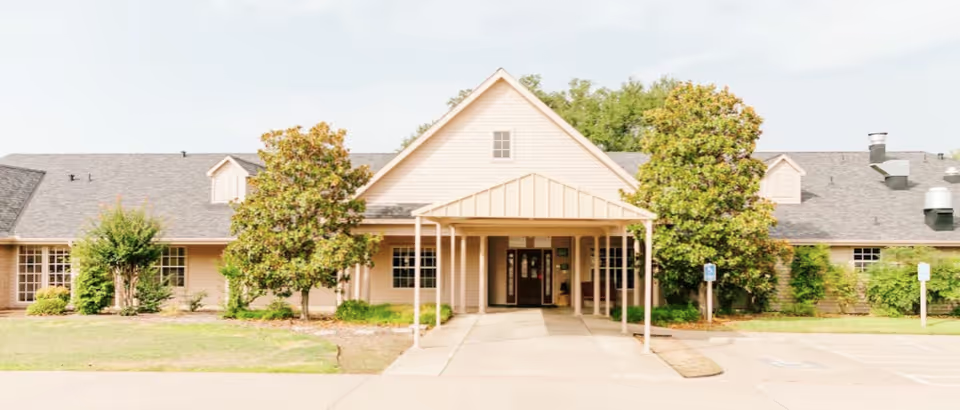
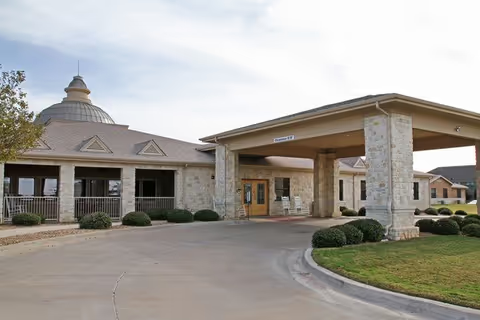
Facility condition and management appear mixed: the building is described as older and small, which many families find contributes to a family atmosphere, but others cite aging‑plant issues and safety limitations for ambulatory residents and pets. There are notes of recent ownership change and positive staff sentiments tied to that change; however, comments about staff morale, unpaid or poorly treated aides, and occasional concerns about staff conduct and tone underline the importance of assessing current staffing levels, training, and supervision during any evaluation.
Practical recommendations for prospective residents and families: schedule an on‑site tour during meal and activity times; ask to observe staffing levels and response times, and test the call system; inquire about pest‑control and sanitation protocols and recent remediation actions; request details on dementia care pathways, secure‑area policies, and fall‑prevention practices; review medication management procedures and any recent clinical incident reports; and speak with current family members when possible. These steps will help determine whether the facility’s strong interpersonal care and rehab strengths outweigh the operational concerns for your specific needs.