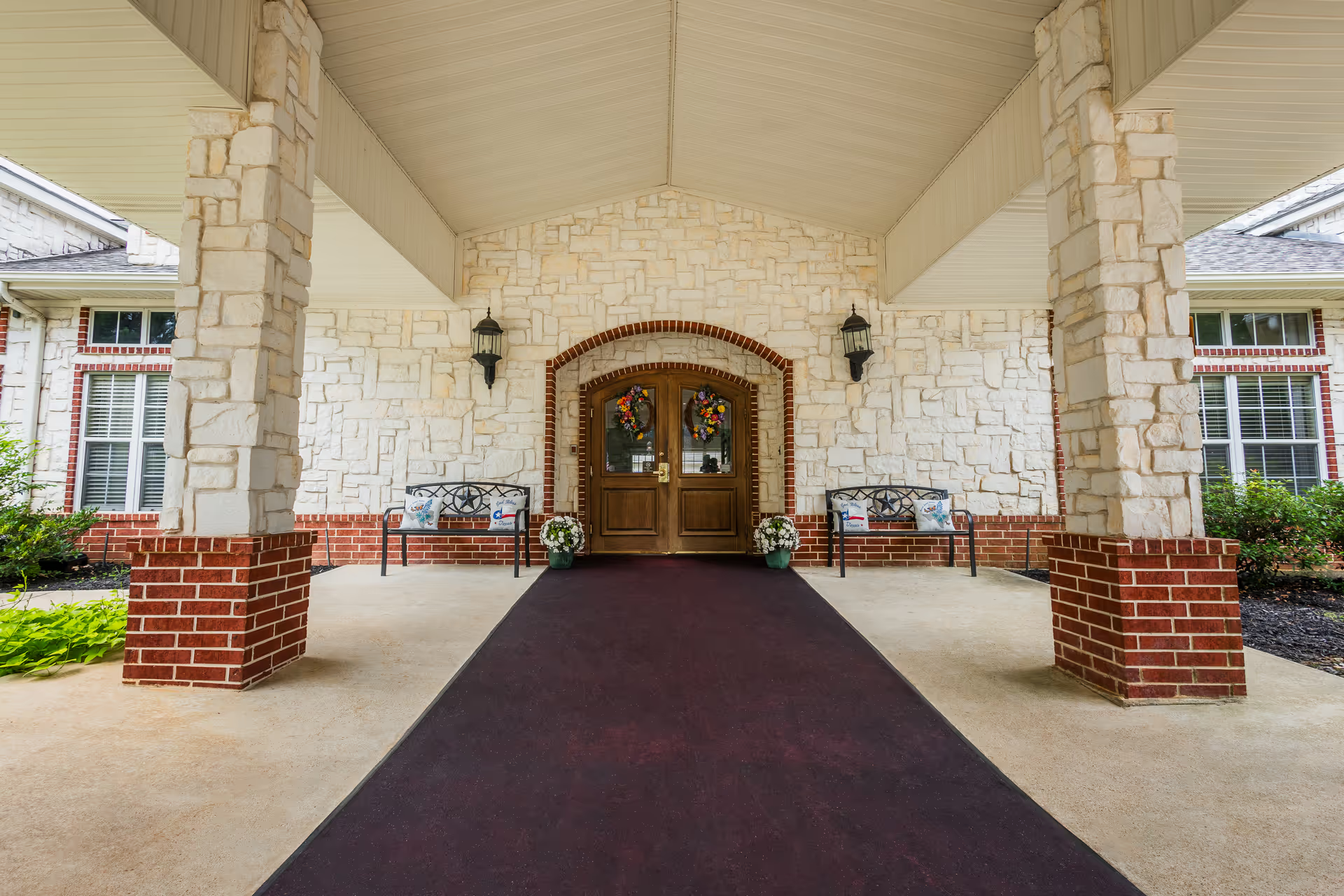
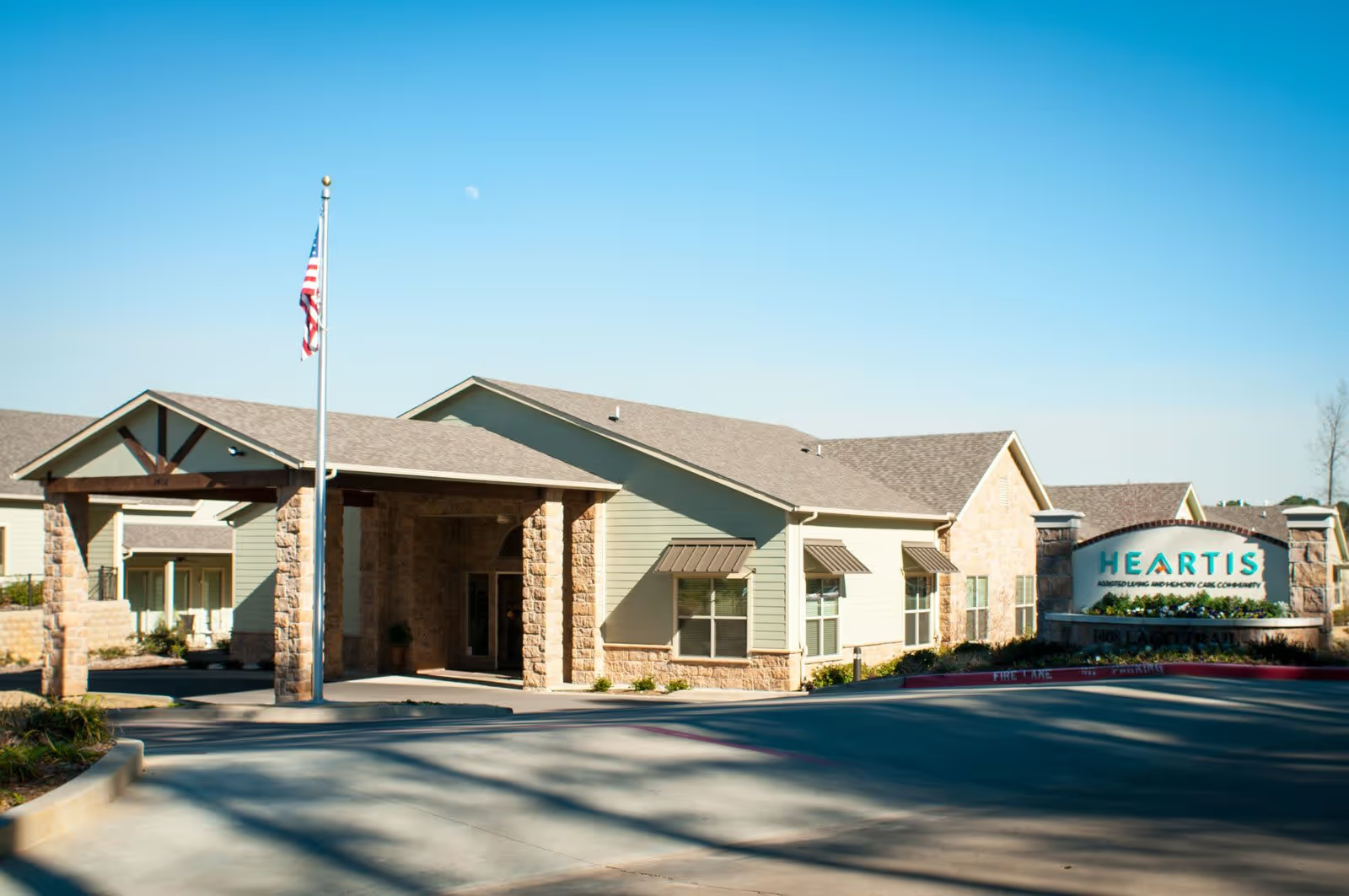
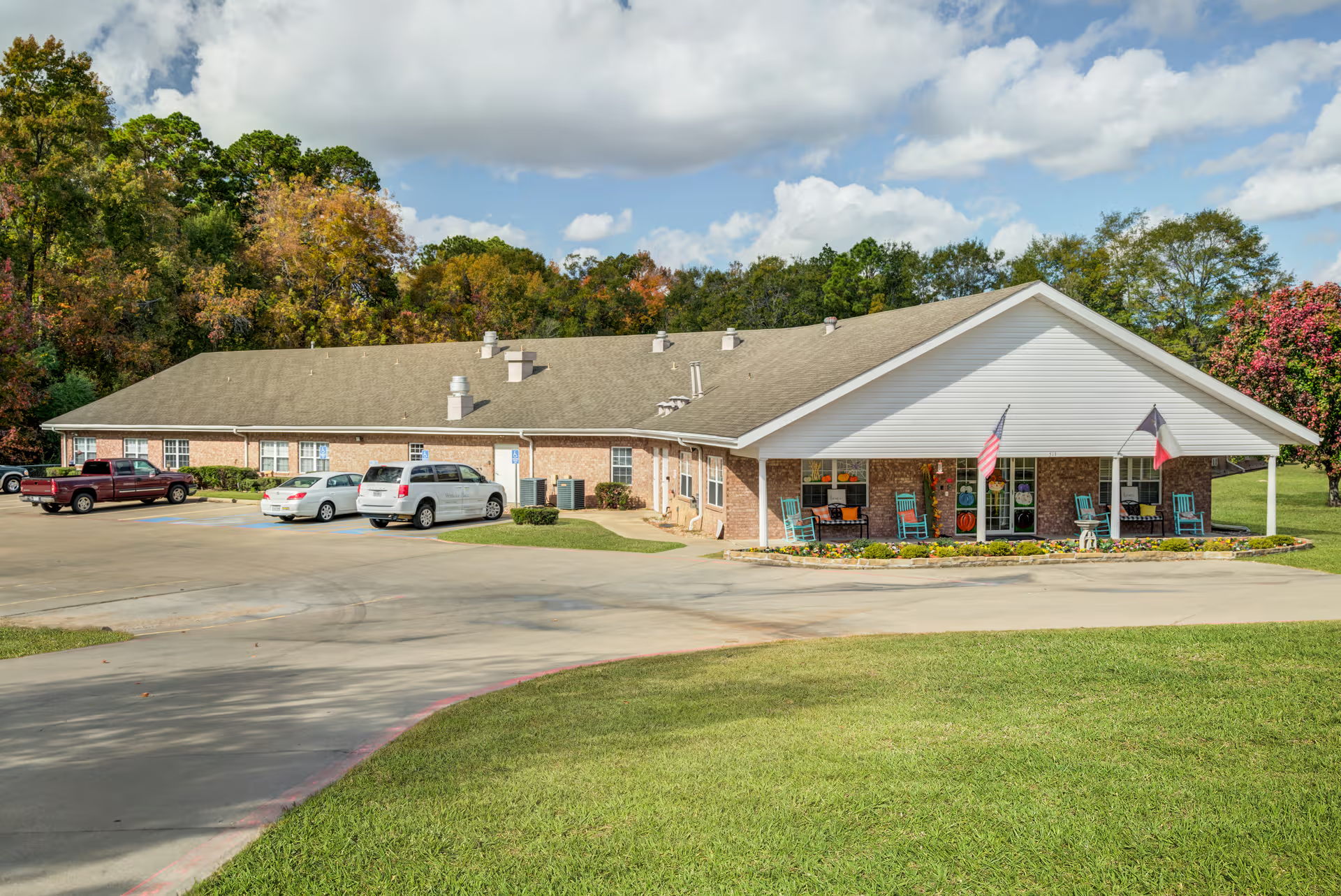
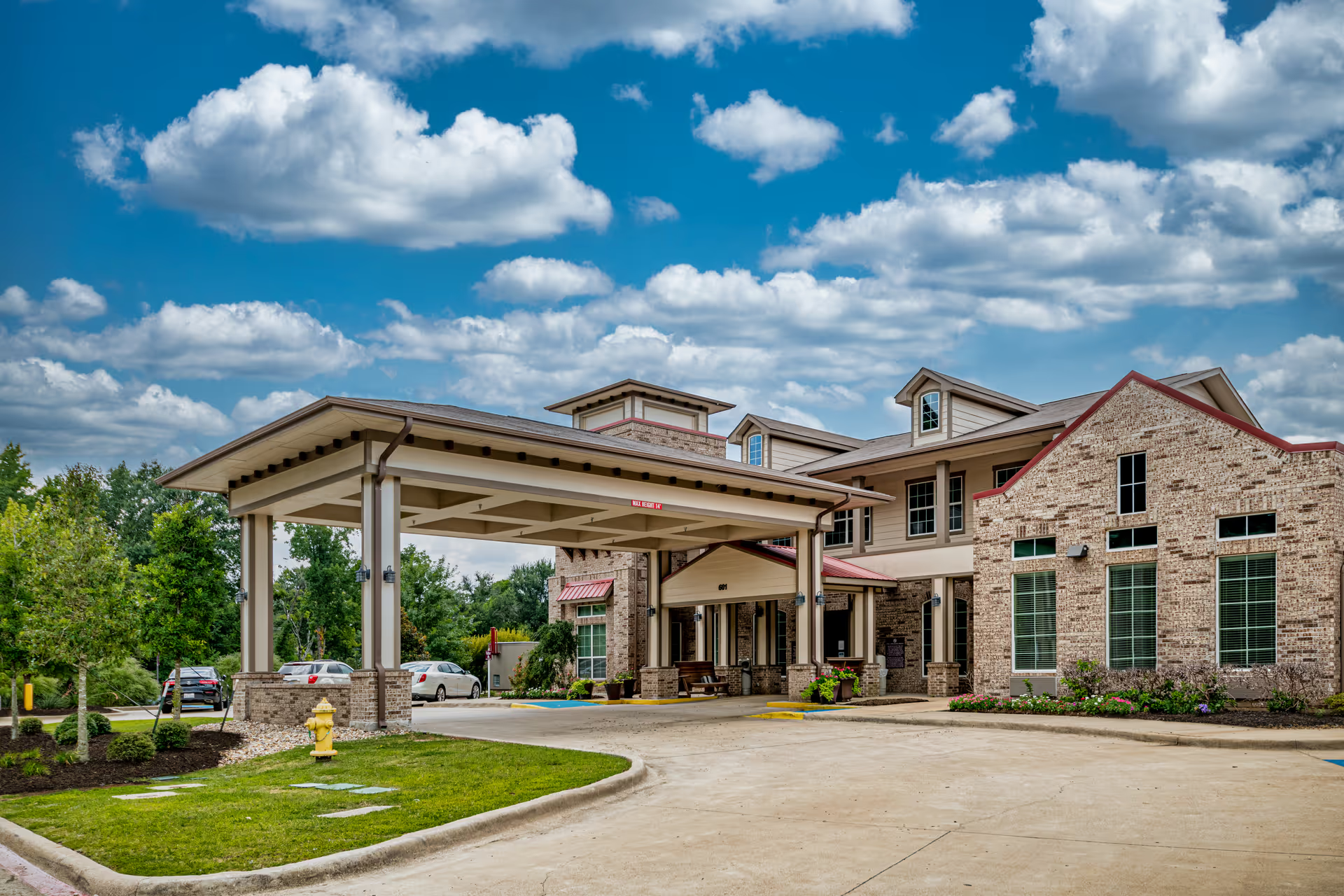
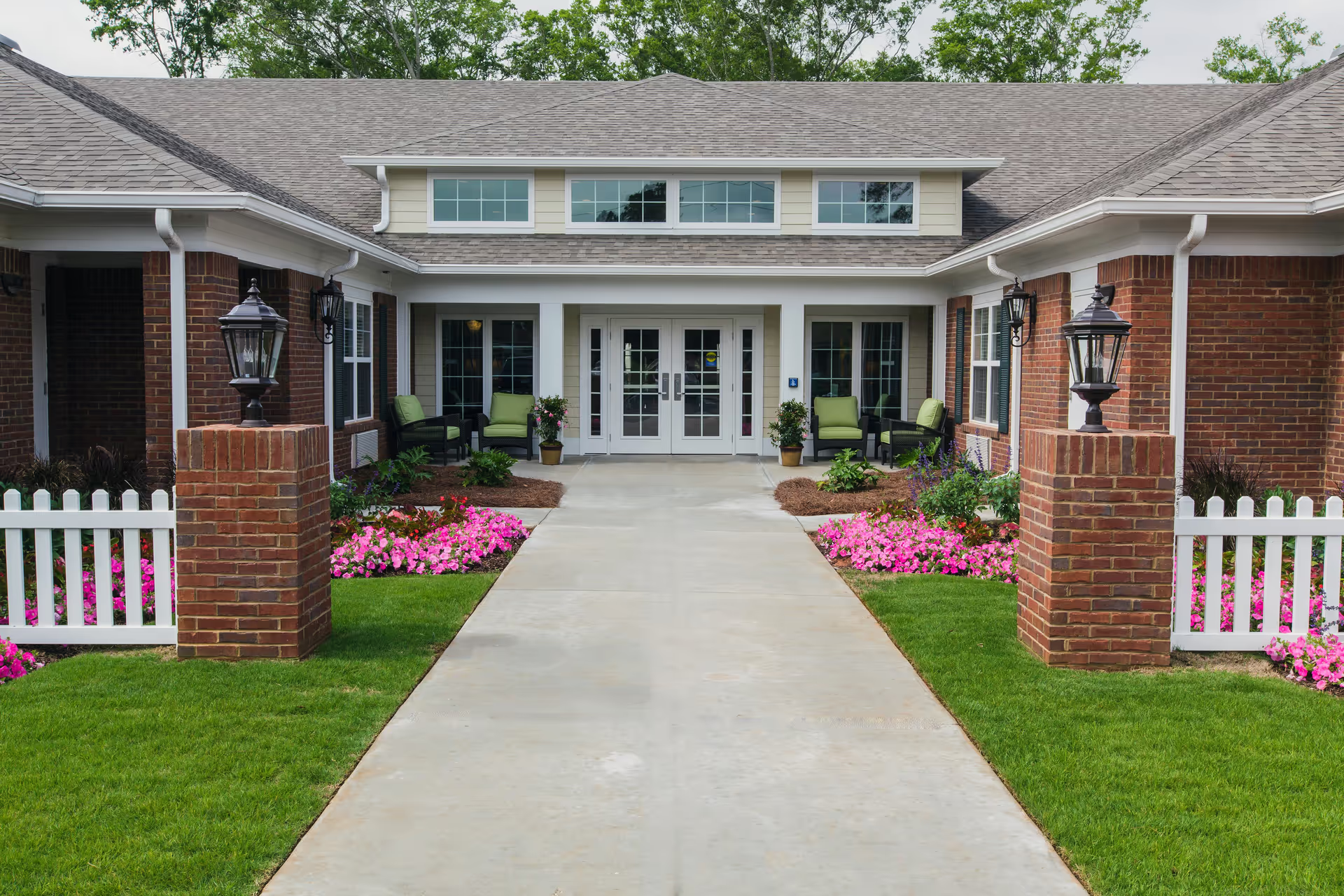
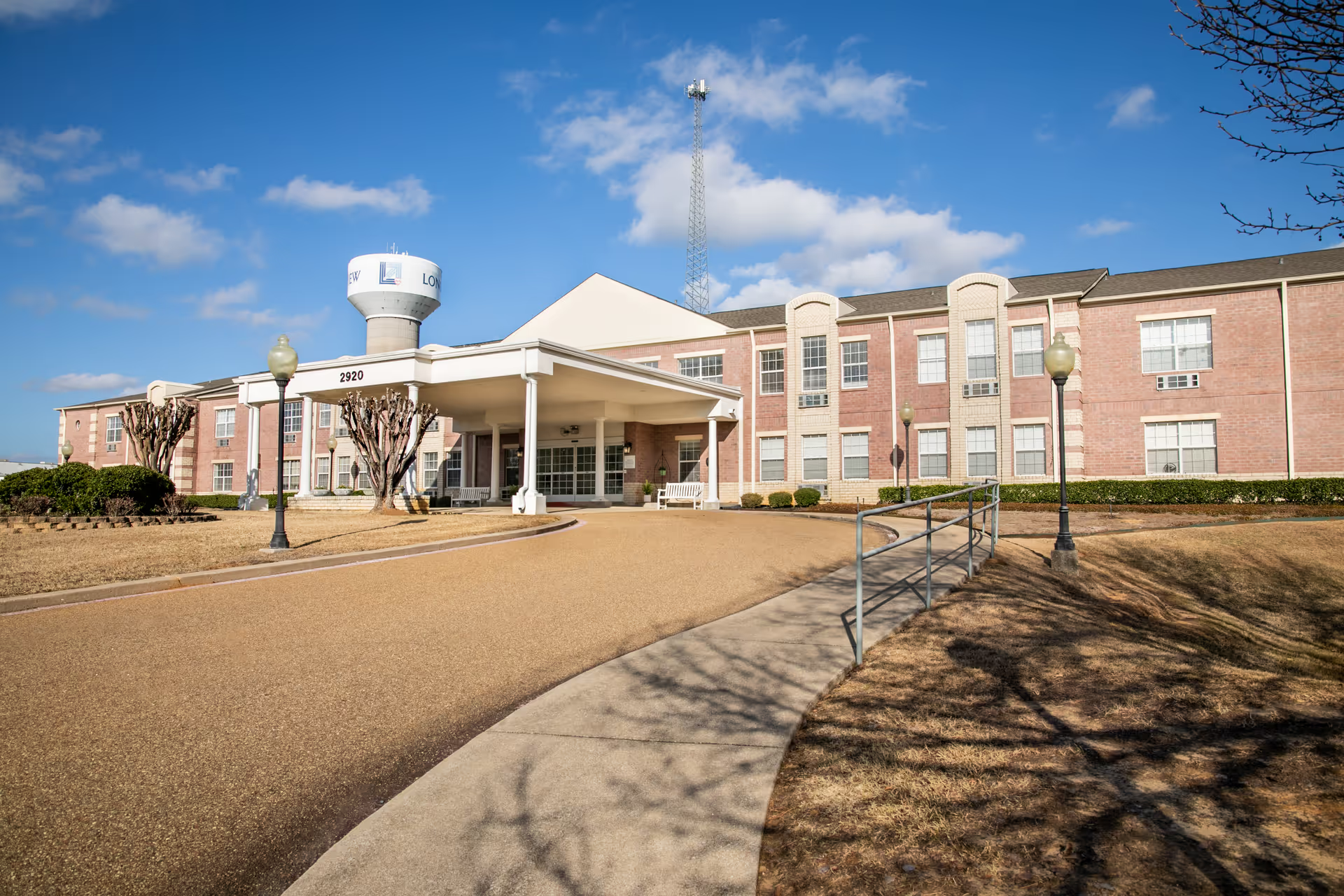
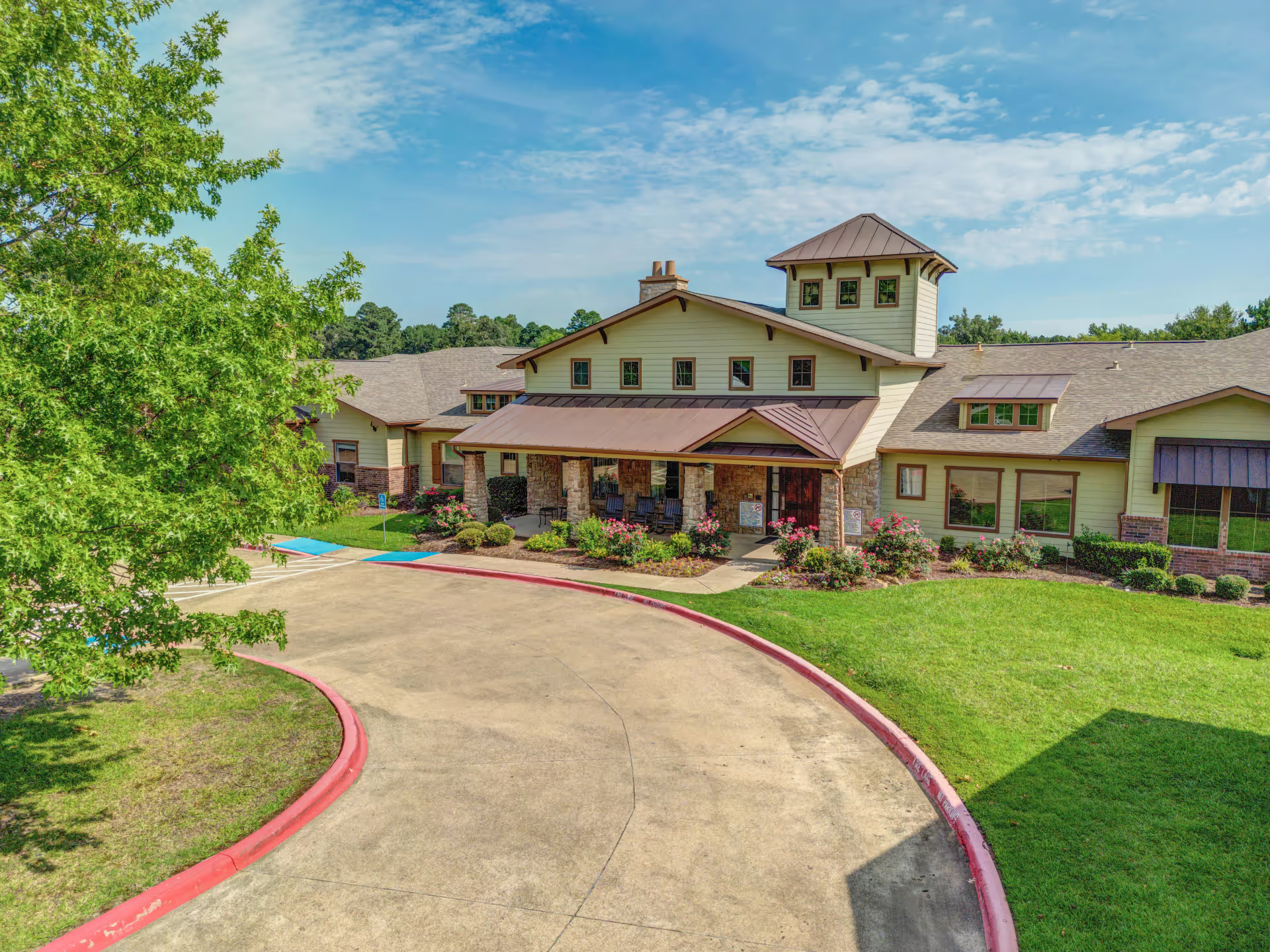
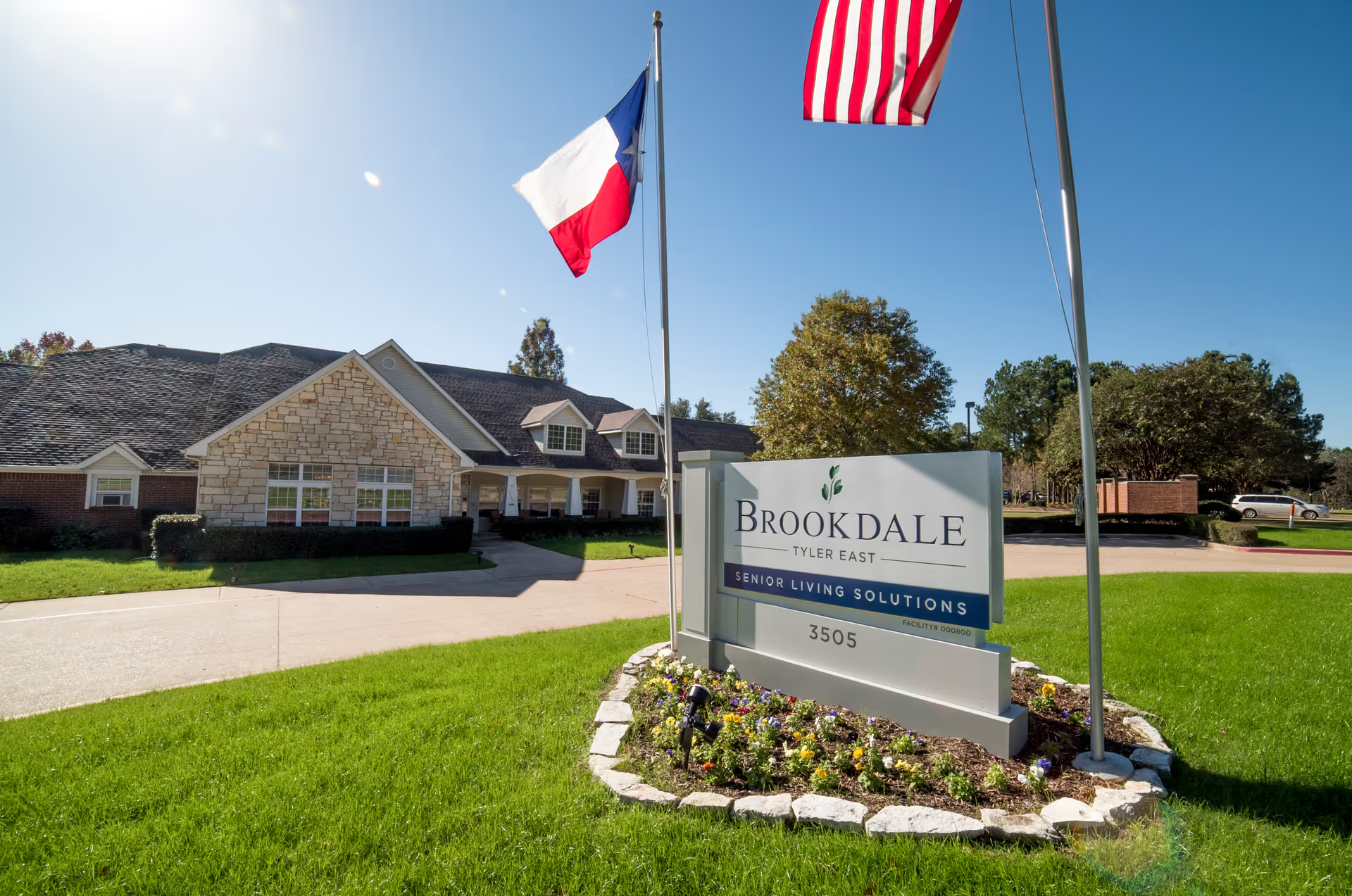
Overall impression from the compiled summaries is largely positive, with consistent praise for a clean, well-maintained campus, a welcoming atmosphere, and staff who are generally viewed as compassionate and attentive. Families emphasize that the community offers a broad set of social and therapeutic opportunities — memory-focused activities, games, exercise classes, outings, seasonal events and live entertainment — and that these programs contribute to resident engagement and improved mood. Dining receives repeated positive mention: a capable chef, appealing dining areas, and varied menu choices are frequently highlighted. The physical plant is described as spacious and pleasant, with personalized rooms, outdoor areas, therapy and exercise spaces, and pet-friendly policies that many families value.
Care quality is characterized by strong, individualized attention in many accounts, including examples of end-of-life support and staff members who go beyond routine tasks. That said, summaries also reflect variability in responsiveness and skill level across shifts and caregivers. Several narratives describe an initial gap in personal-care responsiveness that improved after management intervention; other comments express concern that the level of clinical skill may not be sufficient for residents with higher-acuity nursing needs. Prospective residents who require more intensive skilled nursing should confirm the facility's clinical capabilities and staffing model.
Management and communication are recurring themes with mixed tones. Numerous families report prompt, helpful administrators who resolve issues quickly, accommodate physician visits, and maintain hands-on oversight. Conversely, some families perceive shortcomings in communication tone, transparency, and consistency — including worries about rate increases and an operational focus on profitability. These concerns point toward the value of asking clear questions about contract terms, fee escalation policies, and the process for raising and tracking care concerns before committing.
Operational and logistical notes include generally high marks for housekeeping and sanitation, with specific praise for odor-free common areas. However, the workload on housekeeping staff and the need for clearer boundaries around residents' belongings are mentioned as areas for attention. A few families felt the community scale was larger than ideal for their preferences; layout and community size may influence fit for some residents.
In summary, the facility appears well-suited for families seeking a socially active, clean, and supportive assisted living or memory-care environment with strong dining and activity programming. Important due diligence items based on themes in the summaries are confirming consistency of personal-care responsiveness across shifts, clarifying skilled-nursing capacity, reviewing financial/fee policies, and discussing privacy and housekeeping practices during a tour. Visiting at different times of day and speaking with both direct-care staff and the administrator can help determine whether the operational patterns align with an individual resident's needs.