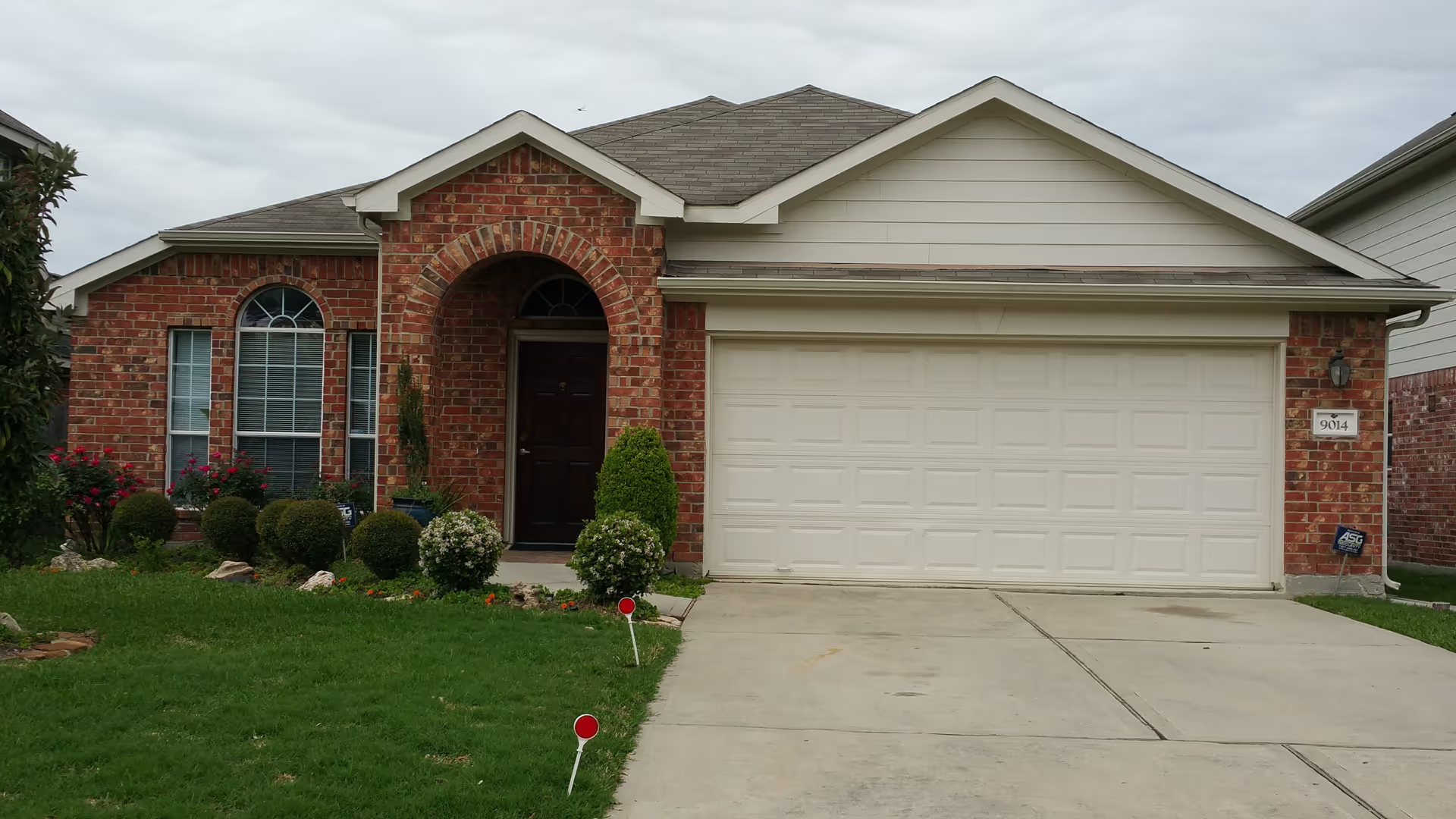
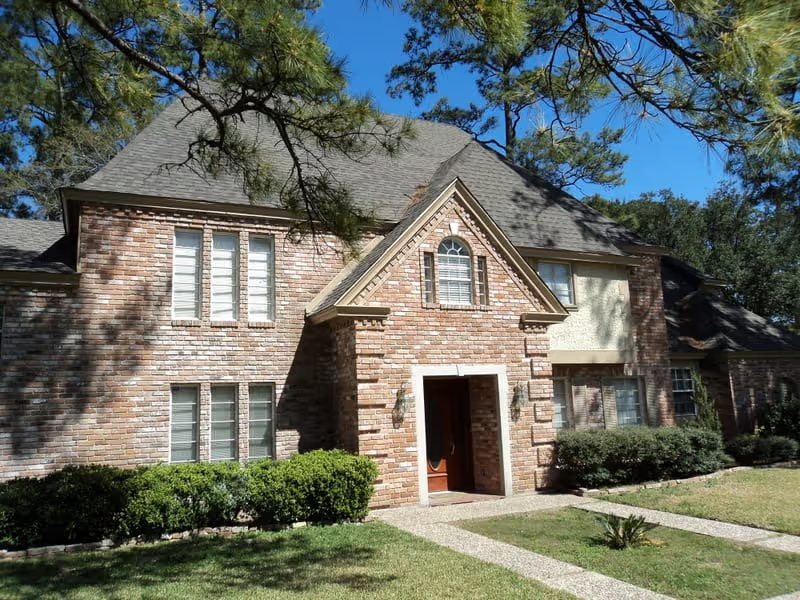
Overall impression: Brookdale Champions elicits consistently positive comments about its caregiving culture, social programing, and campus appearance, while also showing operational gaps that prospective residents and families should evaluate during a tour.
Care and staff: The dominant theme across evaluations is strong, compassionate frontline care. Families describe nurses and aides who learn residents’ names, provide personalized attention, and take active roles in daily hygiene, medication routines, and social needs. Several comments single out the executive director and memory-care leadership as responsive and engaged. At the same time, reviewers cite intermittent staffing variability and turnover; these operational pressures correlate with occasional delays in responsiveness and uneven experiences in the memory-care unit. There are also mentions of incontinence-care scheduling practices that have interrupted residents’ sleep; this suggests a need to discuss individualized care plans and nighttime check protocols with staff.
Dining: Dining impressions are mixed. Many families praise an experienced chef, appetizing menus, healthy snacks, and an expansive dining room with ample choices. Conversely, other accounts describe inconsistent meal quality and limited menu variety on some days, with suggestions that families may need to augment certain meals. Meal-service continuity and portion preferences appear to vary by shift and unit; prospective residents should taste meals and review the menu cycle and ordering procedures during a visit.
Activities and social life: Activity programming is a clear strength. The community offers a broad calendar — exercise classes, yoga, bingo, bible study, crafts, garden clubs, monthly themes, and frequent live musical guests — and residents are repeatedly described as engaged and socially connected. The facility also hosts off-campus cultural outings and intergenerational events, contributing to an active, community-oriented environment.
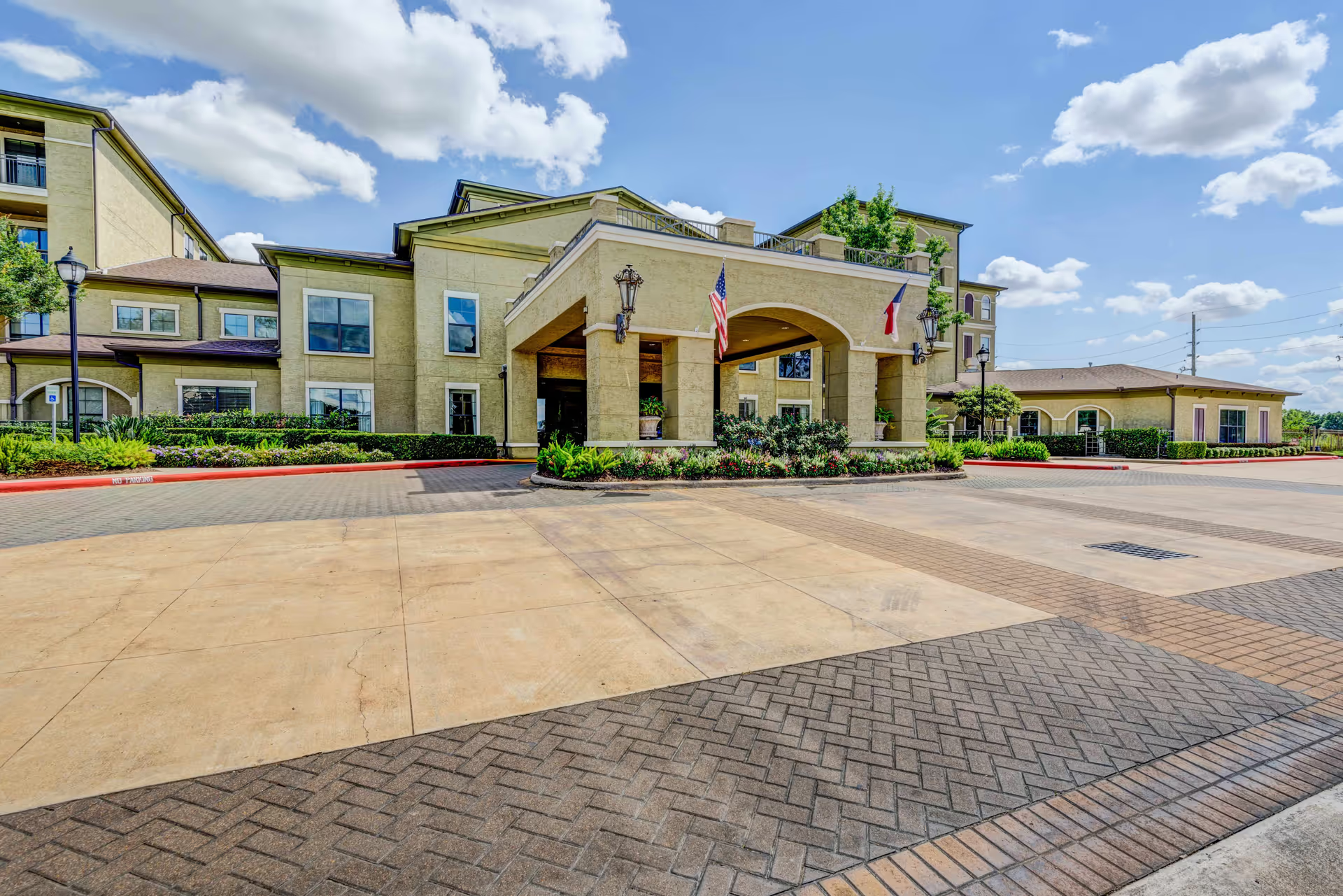
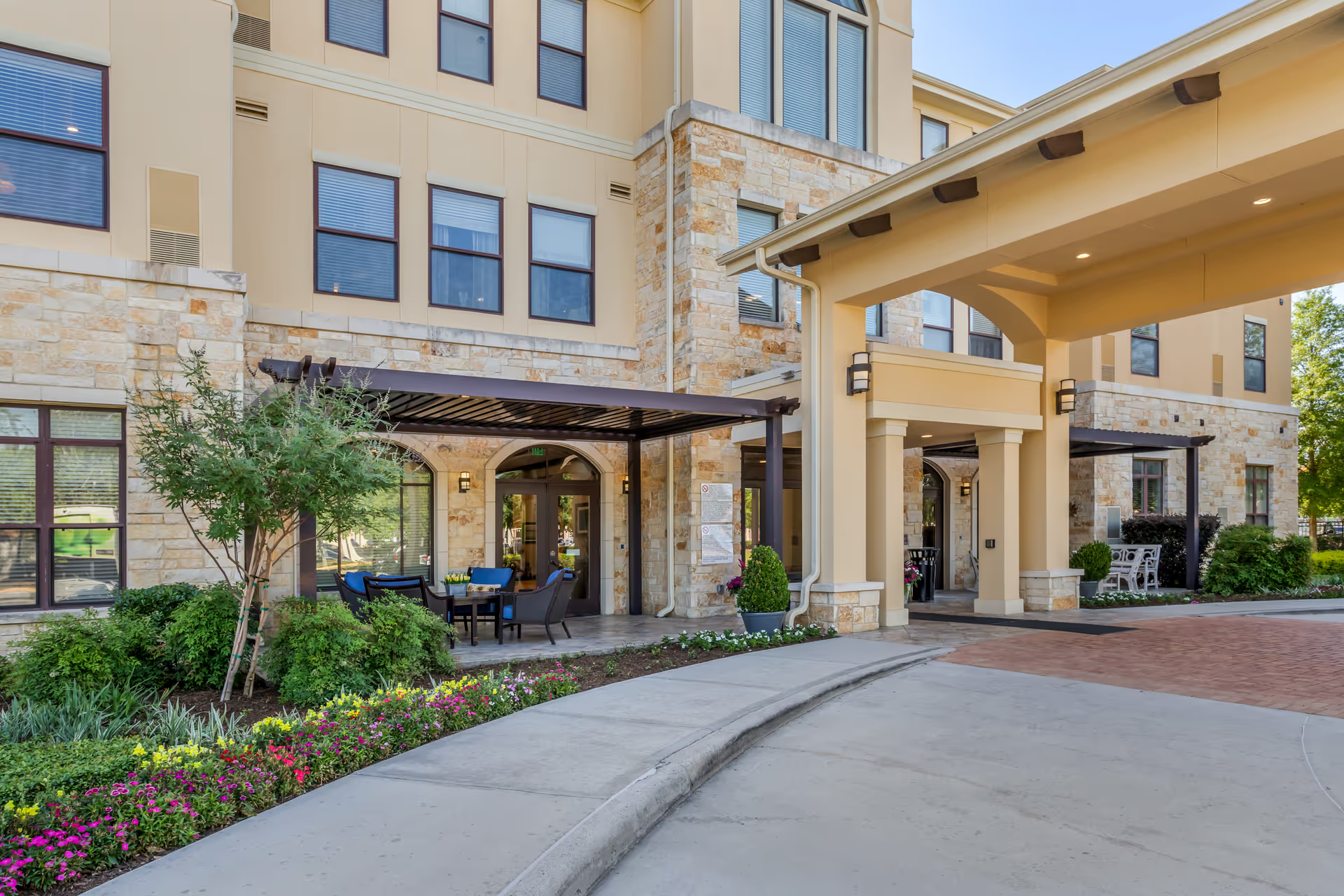
Facilities and accommodations: The property is frequently noted for attractive grounds, well-kept landscaping, bright common areas, and multiple social spaces including a café, dining room, and craft rooms. Apartment layouts vary: some units are spacious with kitchenettes and alcoves, while others (particularly studio/efficiency options) are described as compact. Reviewers call out older sections that appear to need more upkeep, so unit condition should be confirmed in person. The community is pet-friendly and offers on-site therapy services, which were positively highlighted.
Management and operations: Management receives both praise and critique. Positive impressions focus on hands-on leadership, improved communication under new directors, and staff who address concerns. Operational weaknesses cluster around financial administration — unclear fee disclosures at move-in, billing errors, and concerns about refunds or reimbursements — and occasional lapses in proactive family communication. Privacy questions about in-room monitoring and varying memory-care containment practices were also noted, and pricing was frequently described as high with periodic increases. Prospective families should request a clear, itemized fee schedule and ask about billing and privacy policies.
Notable patterns and recommendations: Brookdale Champions demonstrates strong strengths in caregiving culture, social engagement, and campus presentation. However, patterns of inconsistent dining, billing/administrative shortcomings, and variable memory-care experiences recur enough to merit direct questions during a visit. Recommended next steps for families: sample meals, meet memory-care leadership, review written care plans for nighttime checks and toileting schedules, inspect specific apartment units for size and condition, and obtain a detailed, written explanation of all fees and refund policies prior to move-in.