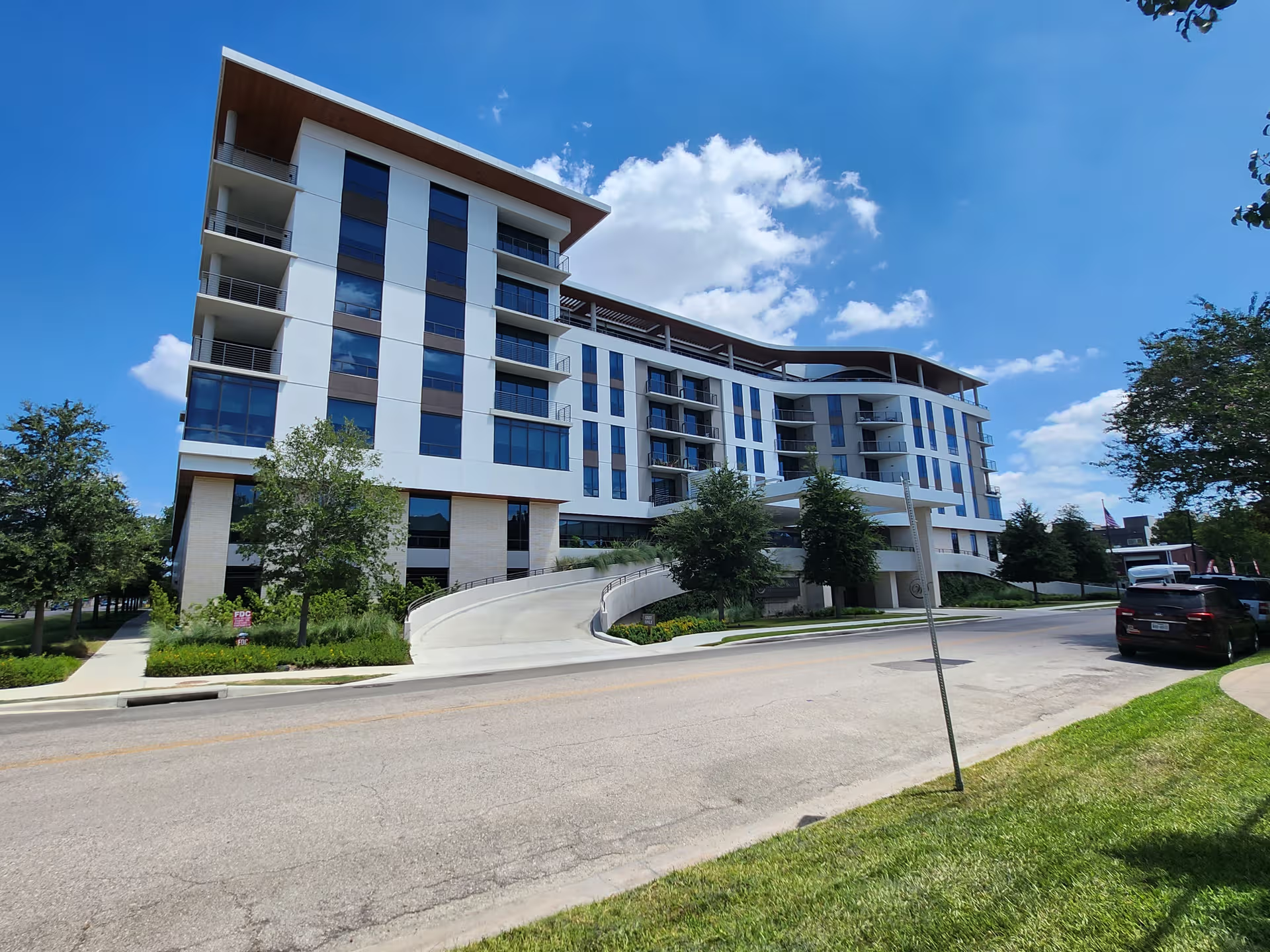
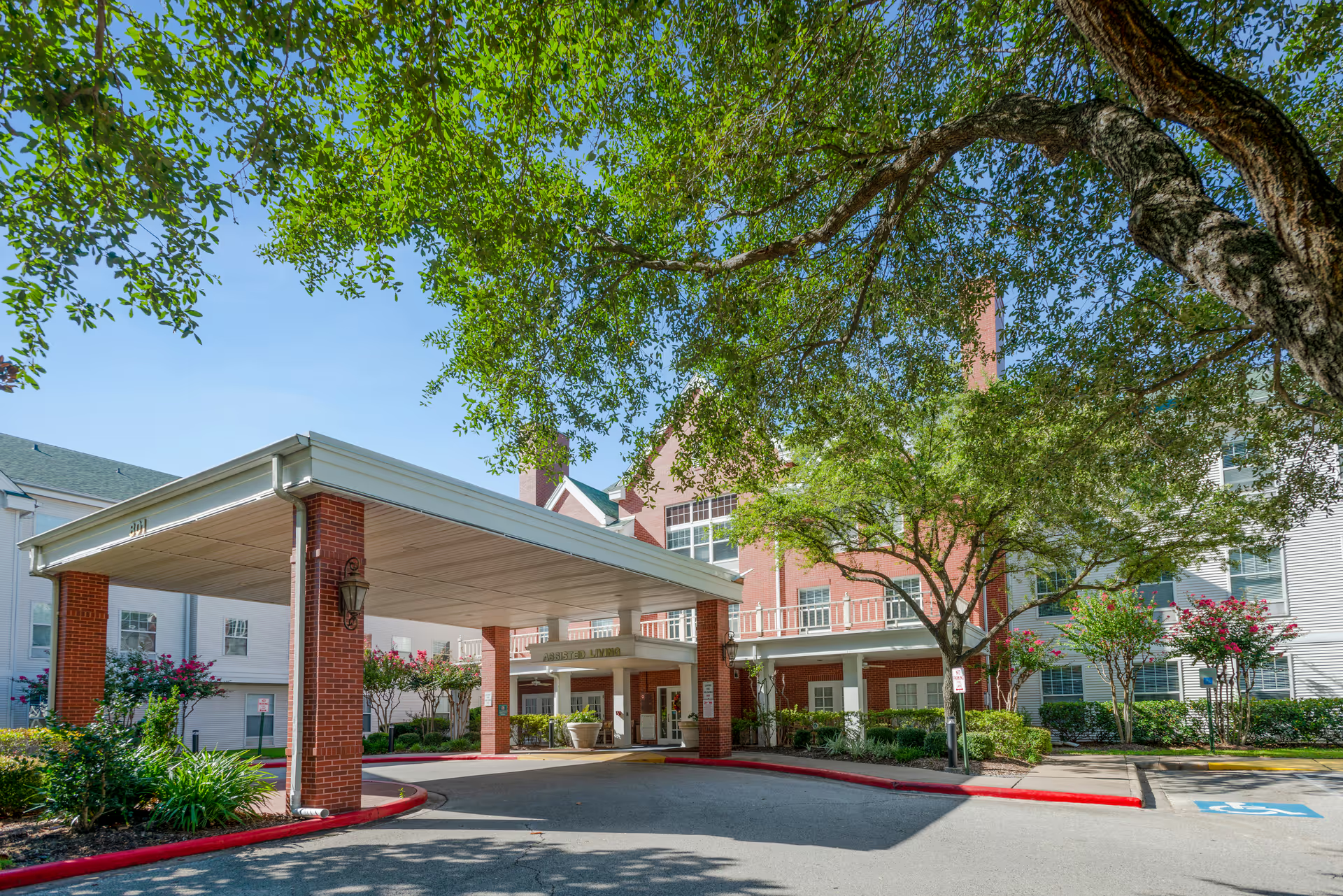
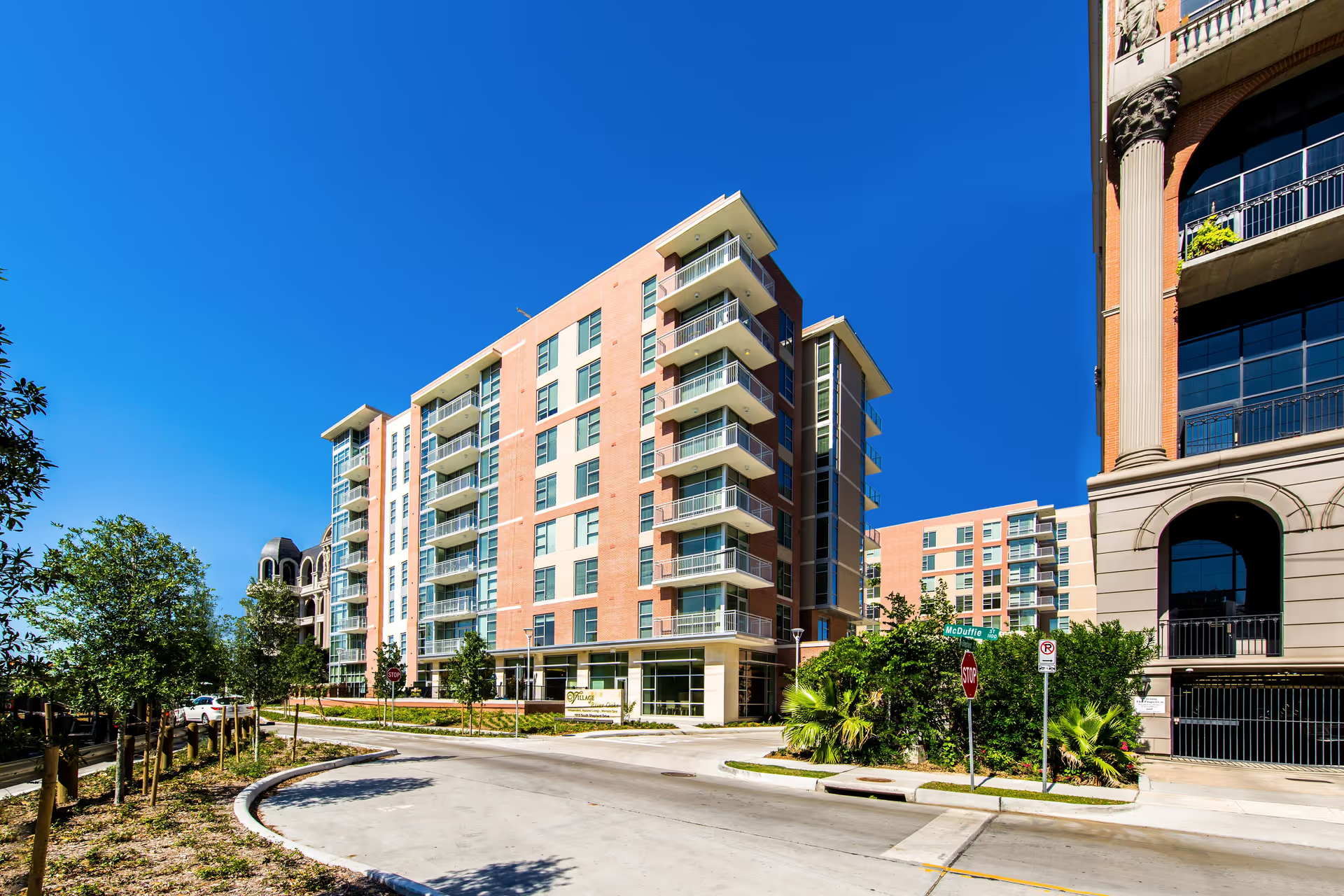
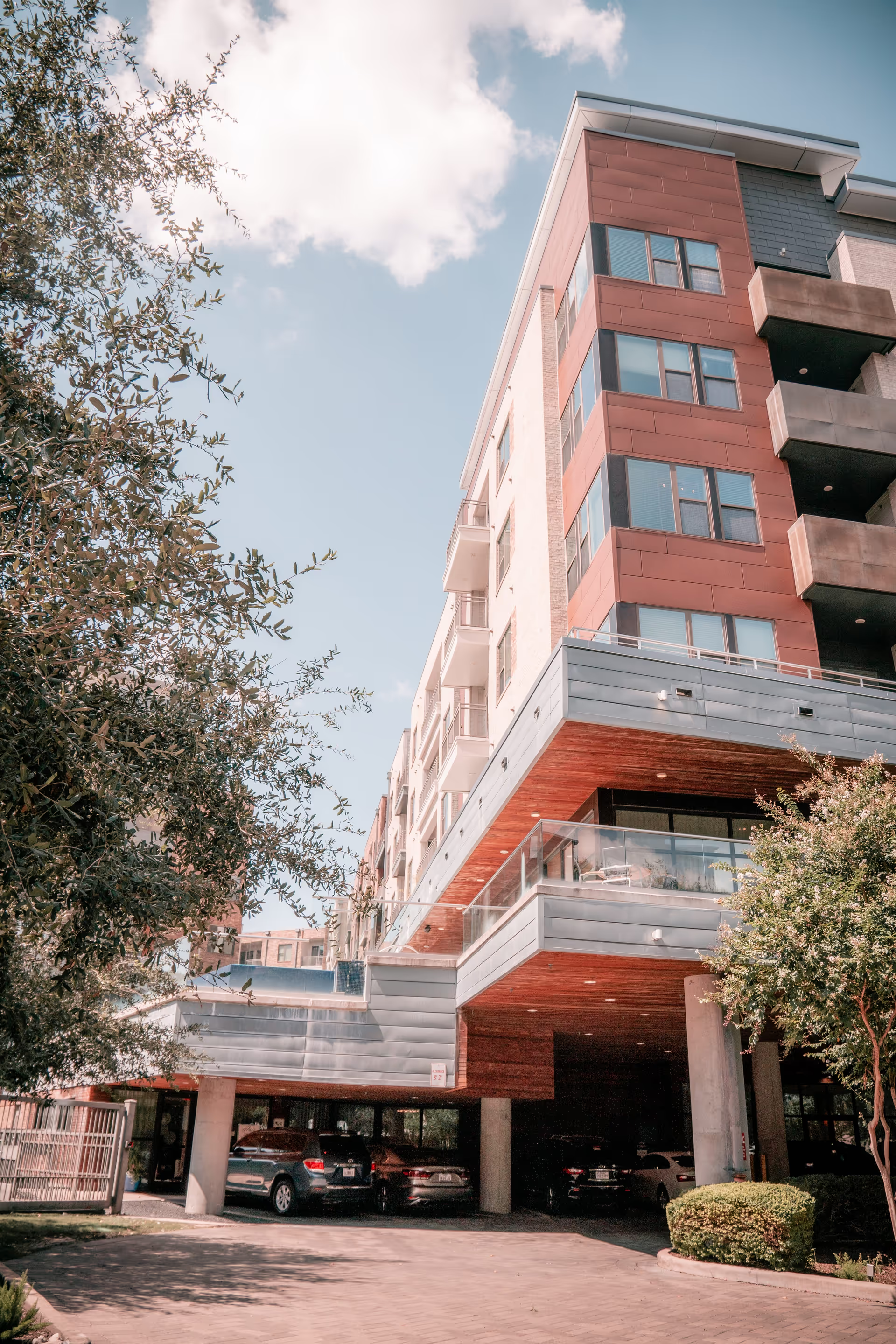
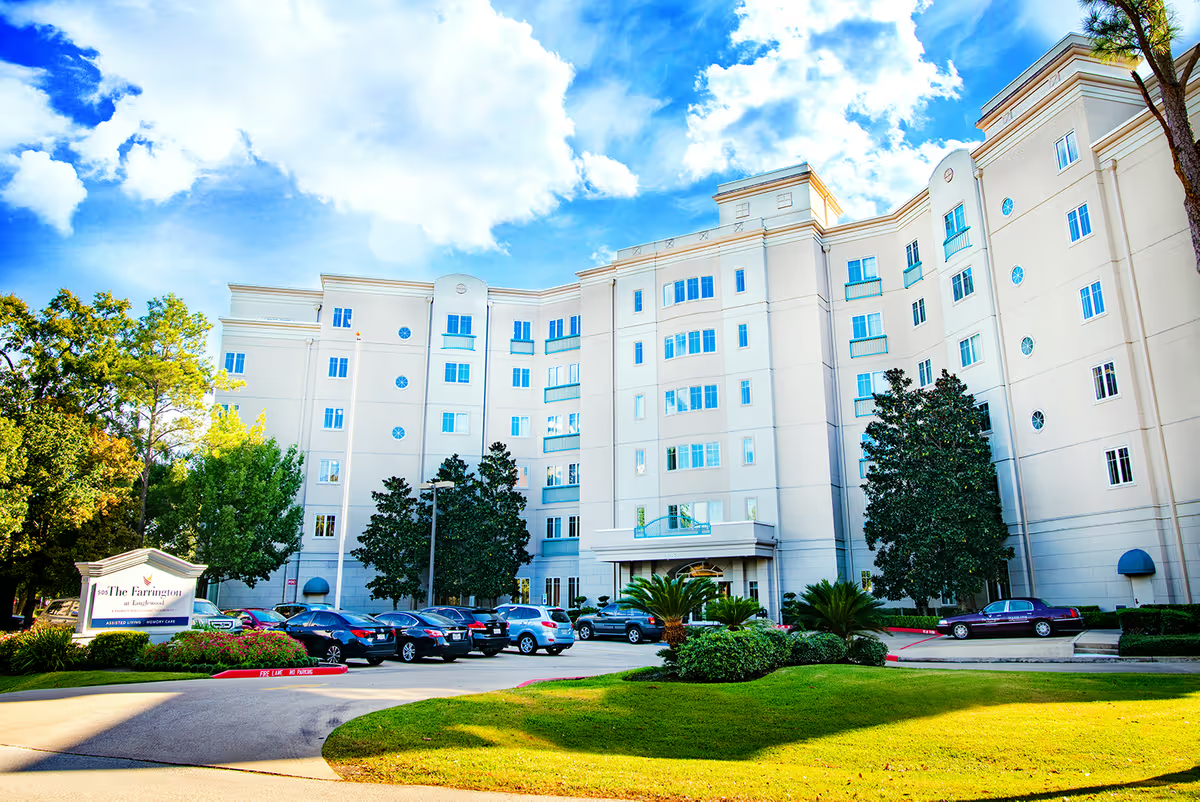
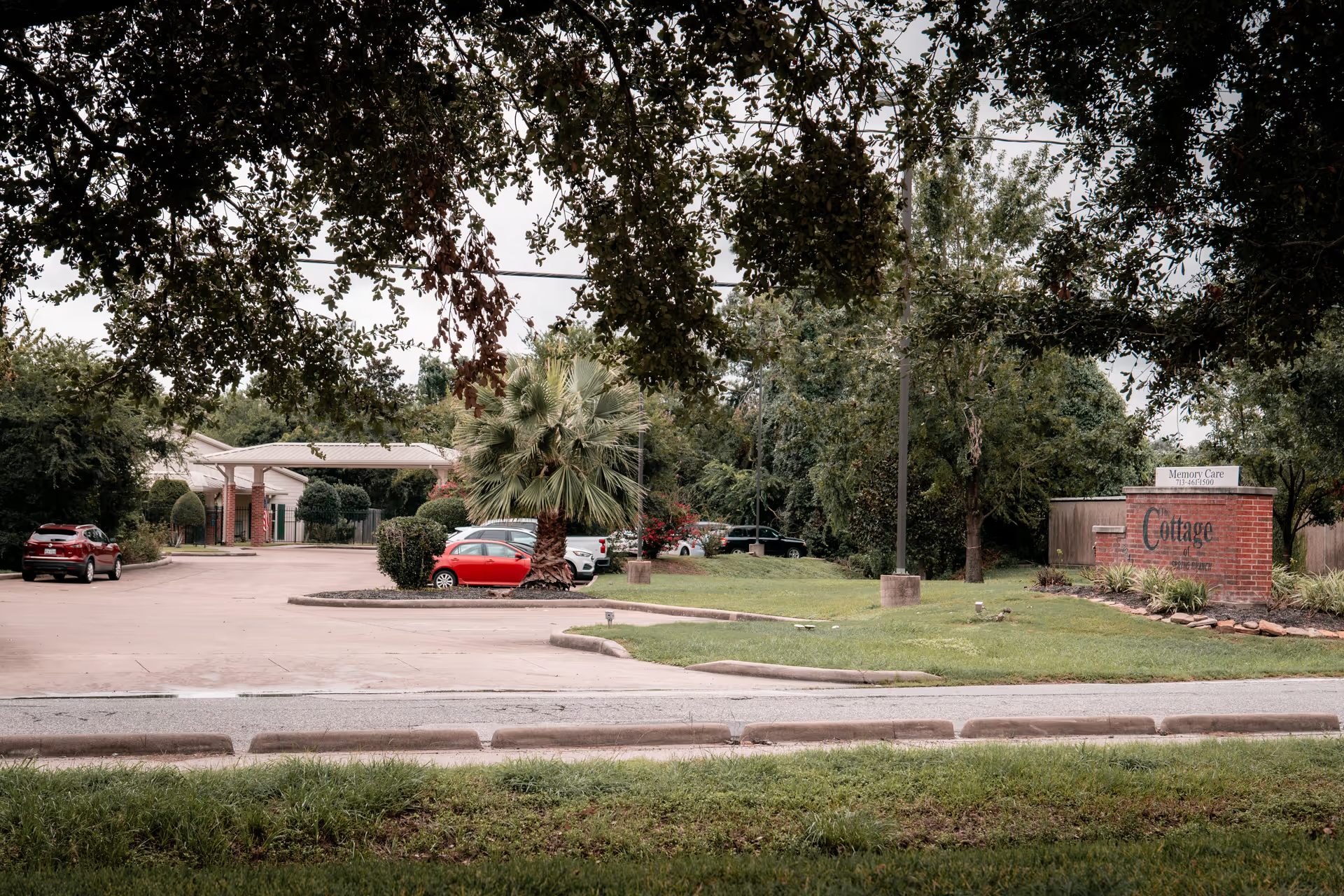
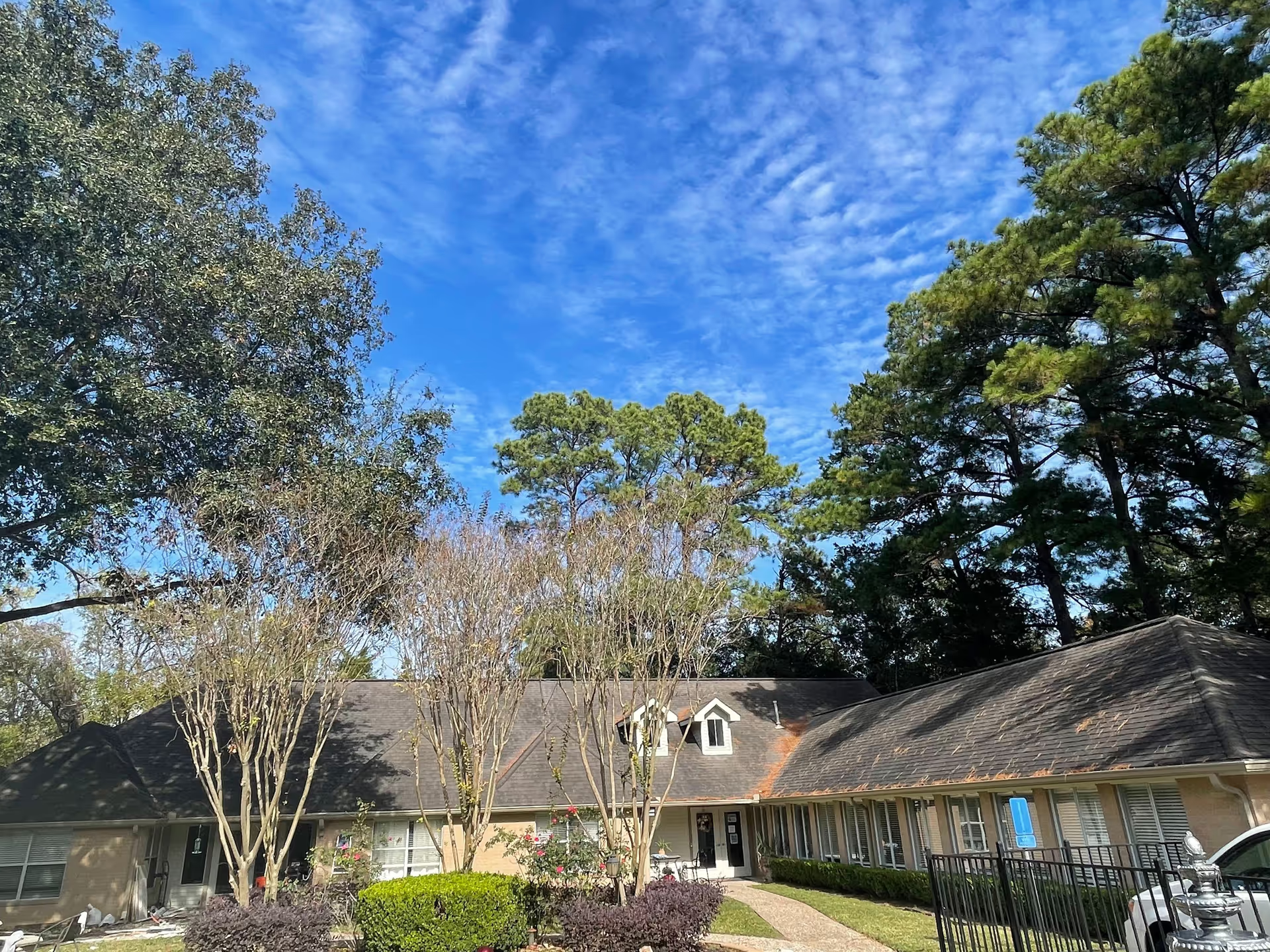
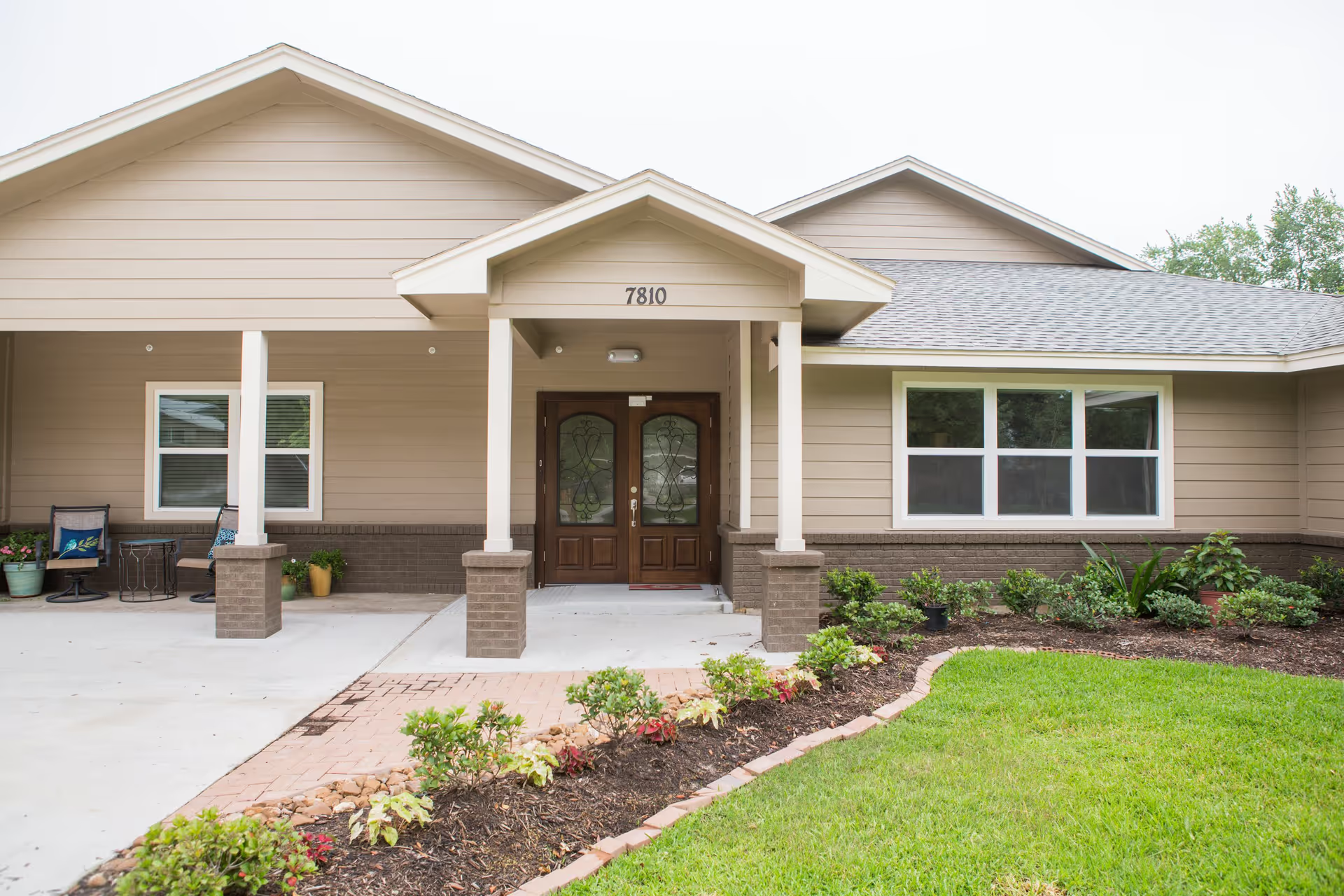
Brookdale The Heights elicits a mixed but consistent pattern: many families praise the people and physical environment, while operational and clinical inconsistencies generate concern. The facility's strengths include a visible core of compassionate, attentive caregivers and several clinicians and therapy staff who deliver positive outcomes. Common physical strengths are clean common areas, private rooms with functional layouts, and appealing outdoor spaces and activity rooms that contribute to a home-like atmosphere. The community also offers useful services such as on-site therapy, a separate memory-care option, and respite/hospice support that some families found valuable.
Care quality is uneven. Numerous accounts describe caregivers who are caring, flexible, and effective, and several specific staff members and directors were singled out for exceptional responsiveness. At the same time, there are recurring operational weaknesses: delayed assistance calls, missed or delayed medication administration, incomplete documentation, and instances where clinical oversight was perceived as insufficient. These patterns indicate variability in training, supervision, or staffing levels rather than a uniform standard of care.
Dining and activities show similar variability. The on-site kitchen and chefs are frequently credited for tasty, nutritious meals and for special events; however, others described limited choices, inconsistent portioning, and dining-service coordination problems that create delays at meal times. Programming benefits from dedicated activity spaces and historically strong activity leadership, yet turnover and director vacancies have produced hit-or-miss schedules and a decline in coordinated offerings in some periods.
Facility condition and emergency readiness are mixed. Many reviewers praised cleanliness and attractive outdoor areas, but others described maintenance backlogs, dated finishes, and localized sanitation or pest-control concerns. Notably, infrastructure and emergency-preparedness issues were raised: the campus is in a flood-prone area and some families experienced access problems and equipment failures during outages. These items point to building-age and location vulnerabilities that families should evaluate relative to their clinical needs.
Management and administrative areas require attention. Recurring themes include billing discrepancies, unexpected extra charges, and uneven responsiveness from office staff. Communication gaps — both between staff and families and between clinical disciplines — were frequently cited, as were language barriers that can complicate care coordination. Conversely, when leadership is present and engaged, families describe clear, proactive communication and effective advocacy for residents.
Bottom line: Brookdale The Heights offers many of the environmental and human assets families seek in assisted living — a pleasant campus, private rooms, social opportunities, and staff who can be highly compassionate. Prospective residents and families should weigh those strengths against reported operational weaknesses: inconsistent clinical practices, medication- and documentation-related risks, staffing variability, maintenance and sanitation concerns, and billing/communication problems. Visiting in person, meeting direct-care staff and the clinical team, asking for written policies on medication administration and emergency response, and reviewing recent maintenance and inspection records will help families determine whether the facility’s current operational profile aligns with their expectations and clinical needs.