Eagle Crest Rapid Recovery elicits strongly mixed impressions, with a substantial number of accounts praising the facility’s clinical rehabilitation strengths, engaged activities program, and warm caregiving culture, while other accounts describe notable operational shortcomings. On the positive side, many families and patients commend the facility’s physical and occupational therapy departments, citing effective therapy plans, appropriate equipment, and clinicians who help patients progress. Multiple reviewers highlighted individual staff members — nurses, therapists, social workers, and activities staff — as compassionate, attentive, and communicative, and several notes refer to administrators who are responsive and accessible. These strengths support many successful short-term rehab and respite stays and contribute to a family-like atmosphere for residents who thrive there.
Staffing and hands-on care present a mixed picture. Numerous comments emphasize kindness, professionalism, and personalized attention; however, there are also recurring indications of inconsistent staffing levels and turnover that appear to affect continuity of care. These operational inconsistencies have been linked to variability in how reliably routine care is delivered, with some reviewers describing delays in incontinence care and other basic assistance. There are also isolated but serious concerns about medication handling and the speed of clinical incident response (for example, post-fall protocols), which prospective families should probe during visits.
Dining and activities are frequently cited as strengths. The dining team and kitchen staff receive repeated praise for nutritious, well-prepared meals and thoughtful service; at the same time, a minority of accounts note variability in food quality or meal service. The activities program, led by an enthusiastic activities director in several reports, offers a broad calendar that includes holiday events, bingo, and intergenerational connections with local schools — factors that many families identify as enhancing residents’ quality of life.
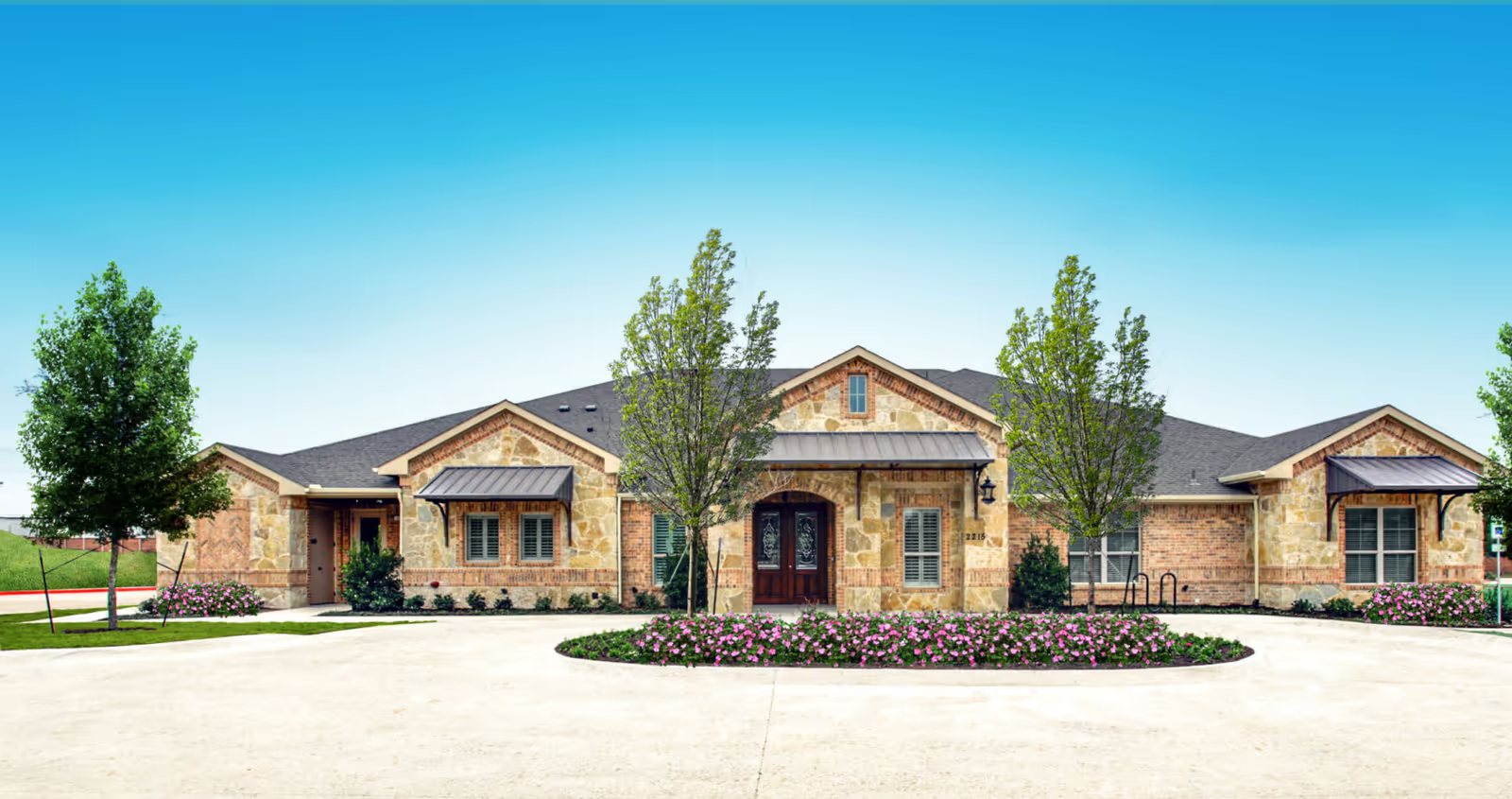
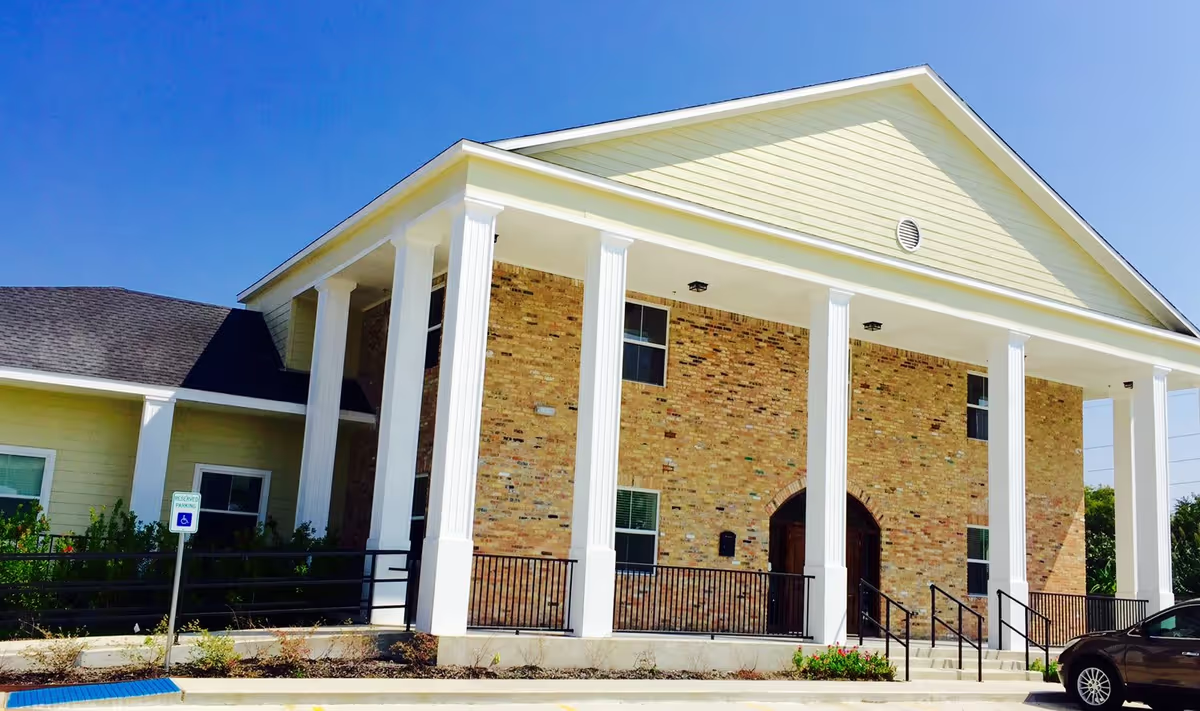
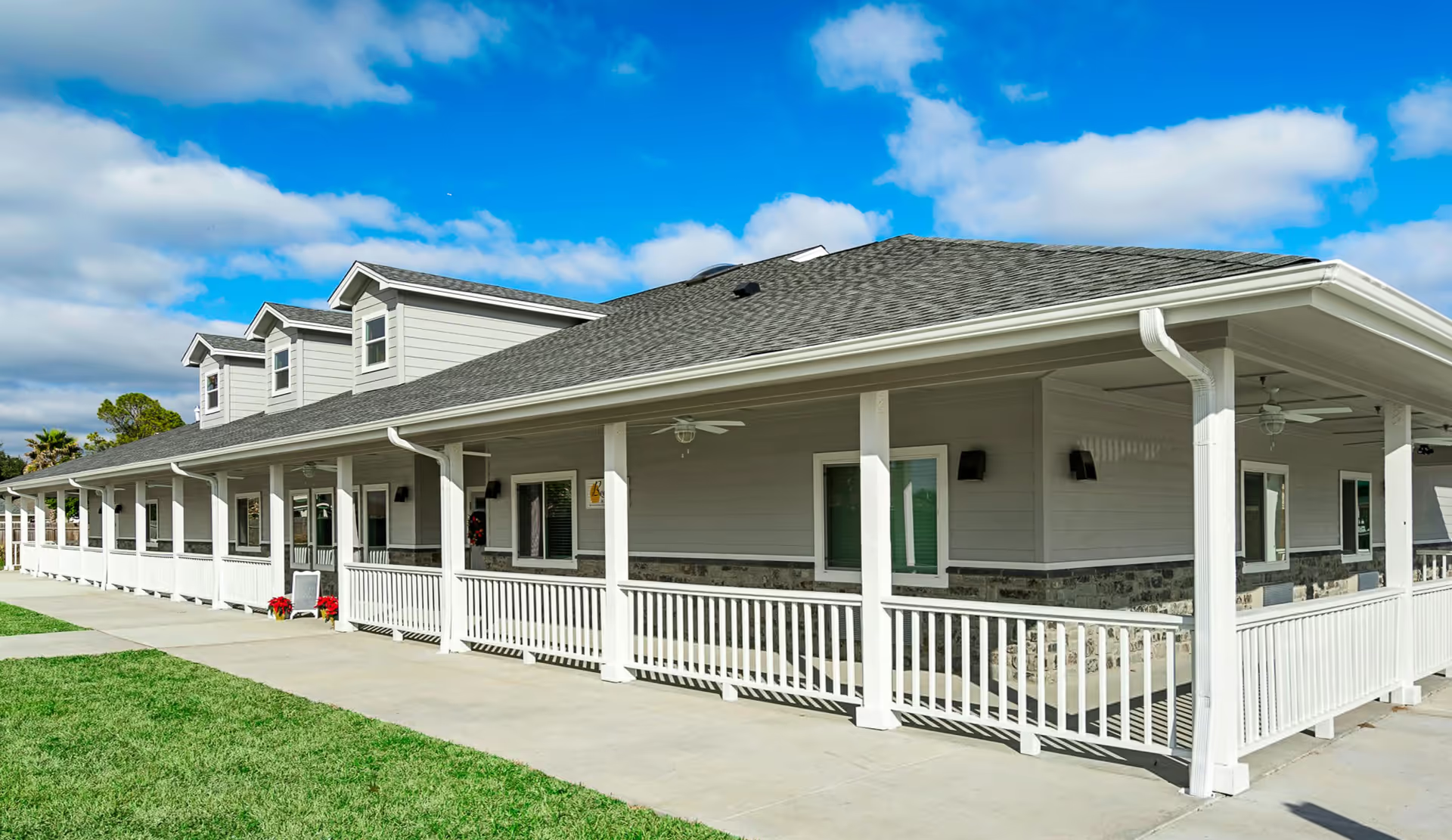
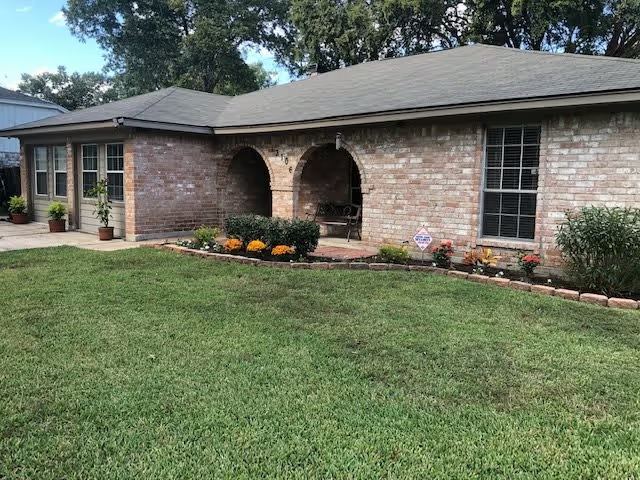
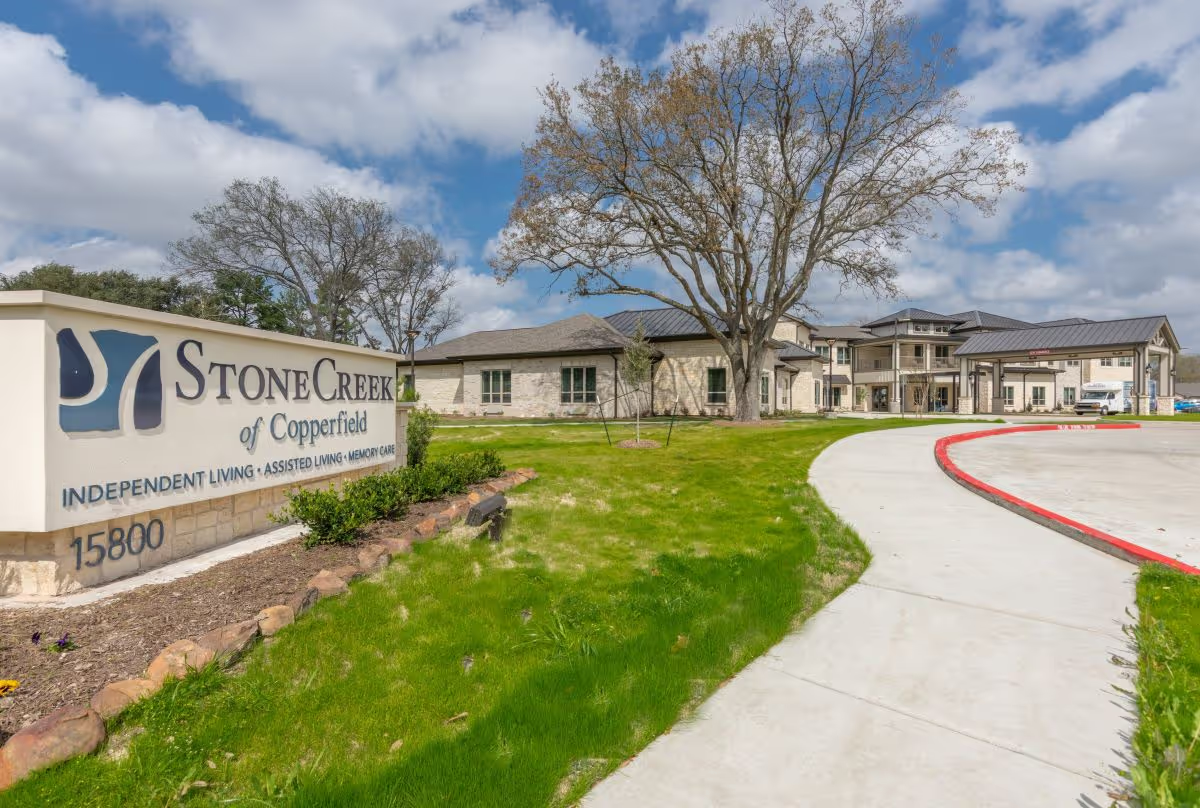
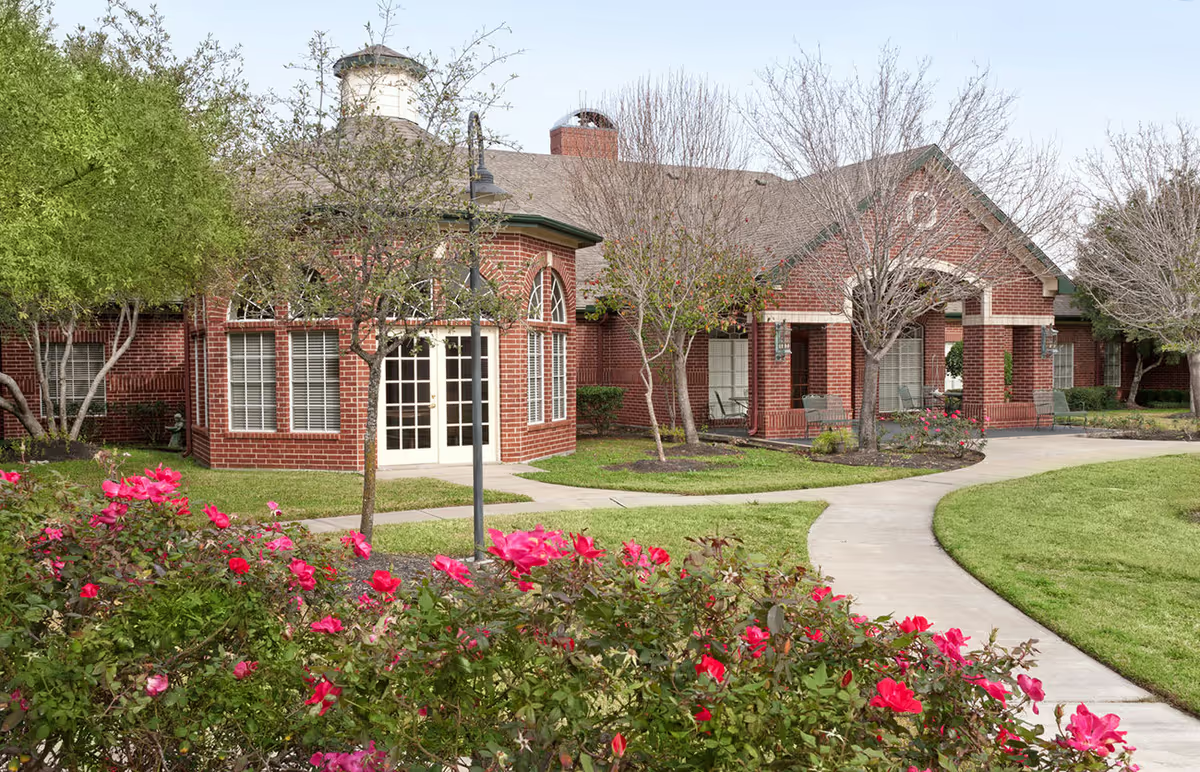
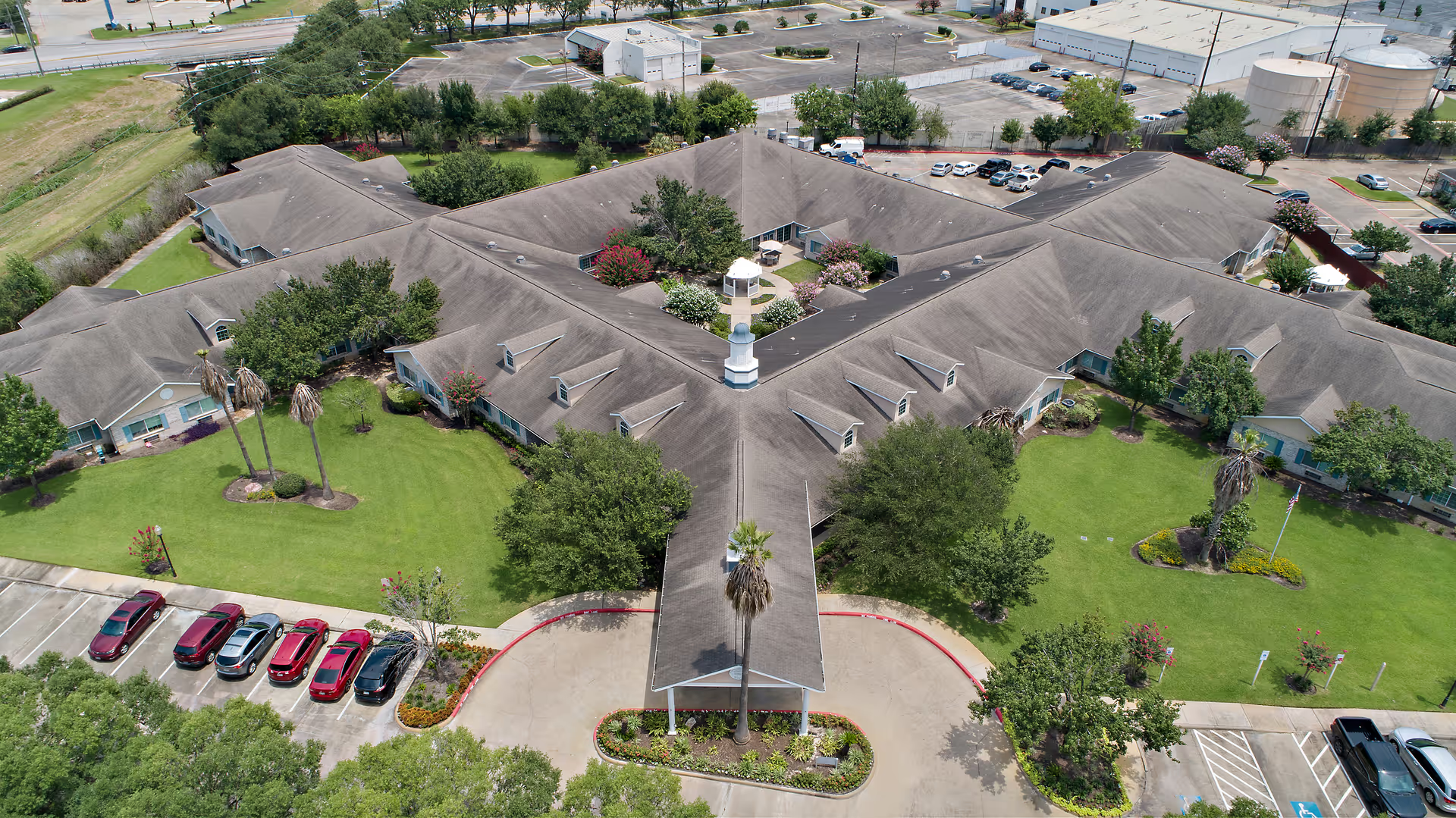
Facility condition and cleanliness are similarly mixed. Many reviewers describe attractive, well-kept common areas, pleasant gardens, and comfortable living spaces. Conversely, a subset of reports raises sanitation, odor, and pest-control concerns in specific areas, suggesting that cleanliness and environmental maintenance may be uneven across units or shifts. Prospective visitors should inspect resident rooms and common spaces in person and ask about housekeeping and pest-control protocols.
Management and communication receive both positive and critical feedback. Several reviewers single out social workers and administrators for effective communication, empathy, and practical support. Others report experiences of distant or inconsistent management follow-through, delays in resolving issues, and problems with personal-property handling. These contrasting accounts point to variability in leadership responsiveness at the unit or shift level rather than a uniform organizational profile.
Notable patterns: the overall impression is polarized — many families recommend Eagle Crest for skilled rehabilitation, compassionate staff, and active programming, while a smaller but significant set of experiences led families to relocate loved ones due to operational failures. Given this variability, prospective residents and families should arrange an in-person tour, request recent staffing and turnover data, ask about incident-response protocols and medication-safety measures, review housekeeping and incontinence-care procedures, and speak with current families when possible. Doing so will provide a clearer sense of whether the facility’s strengths align with a particular resident’s needs and expectations.