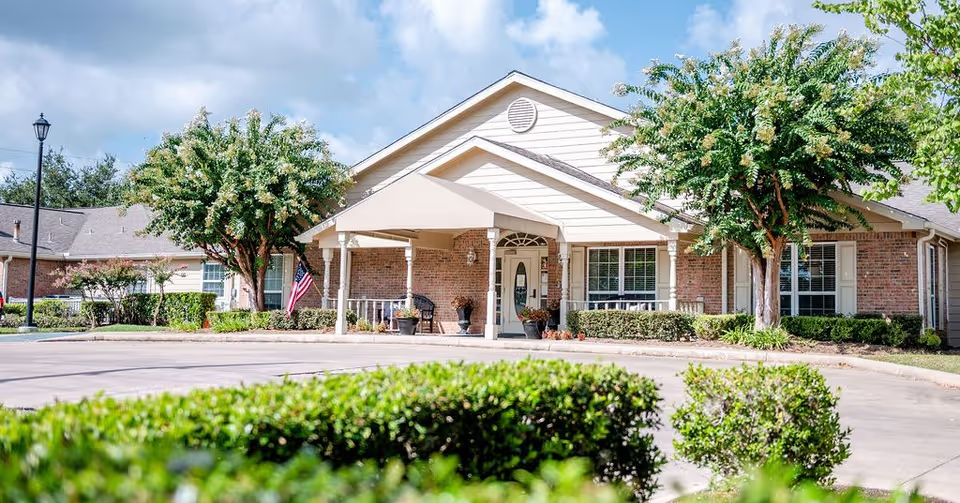
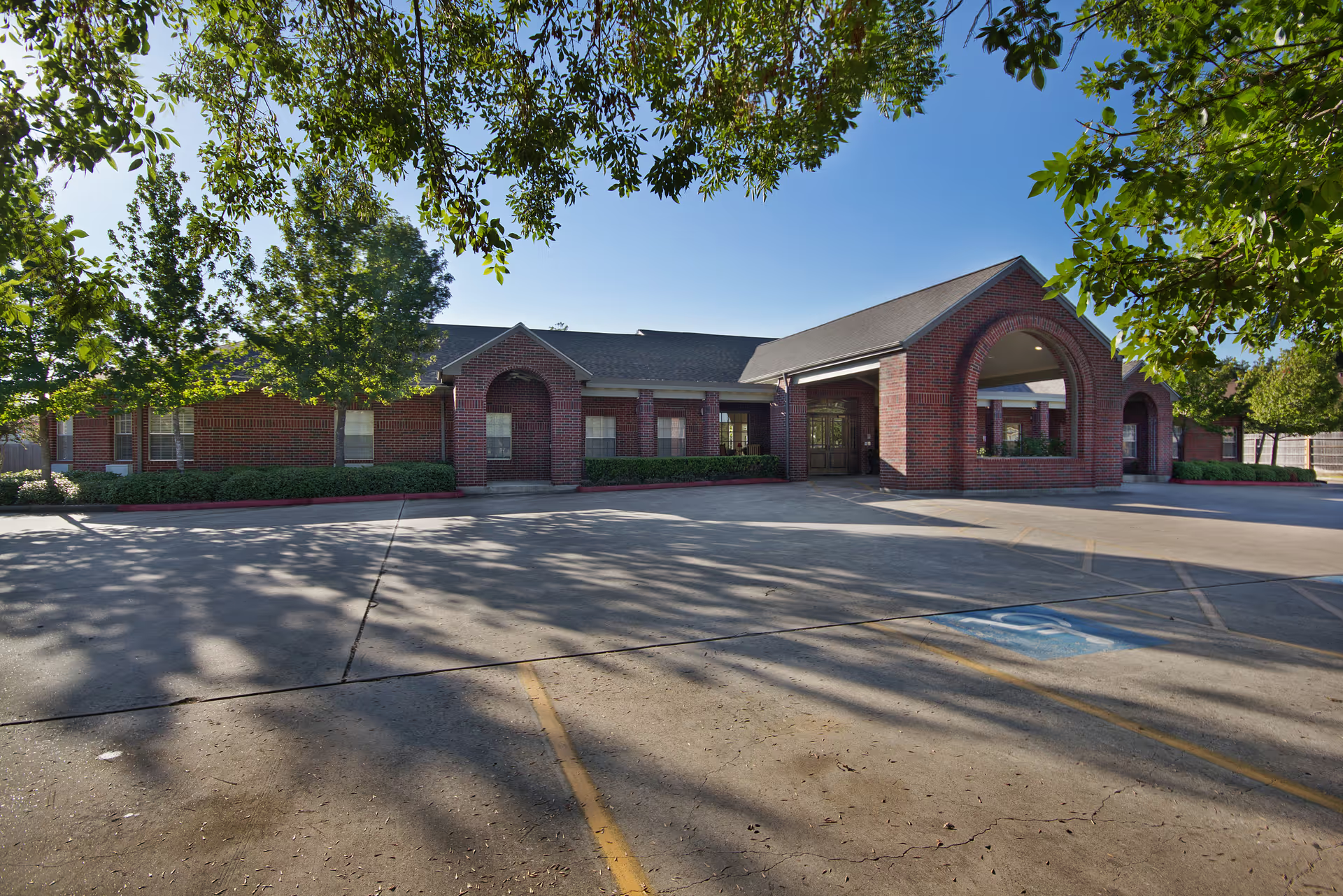
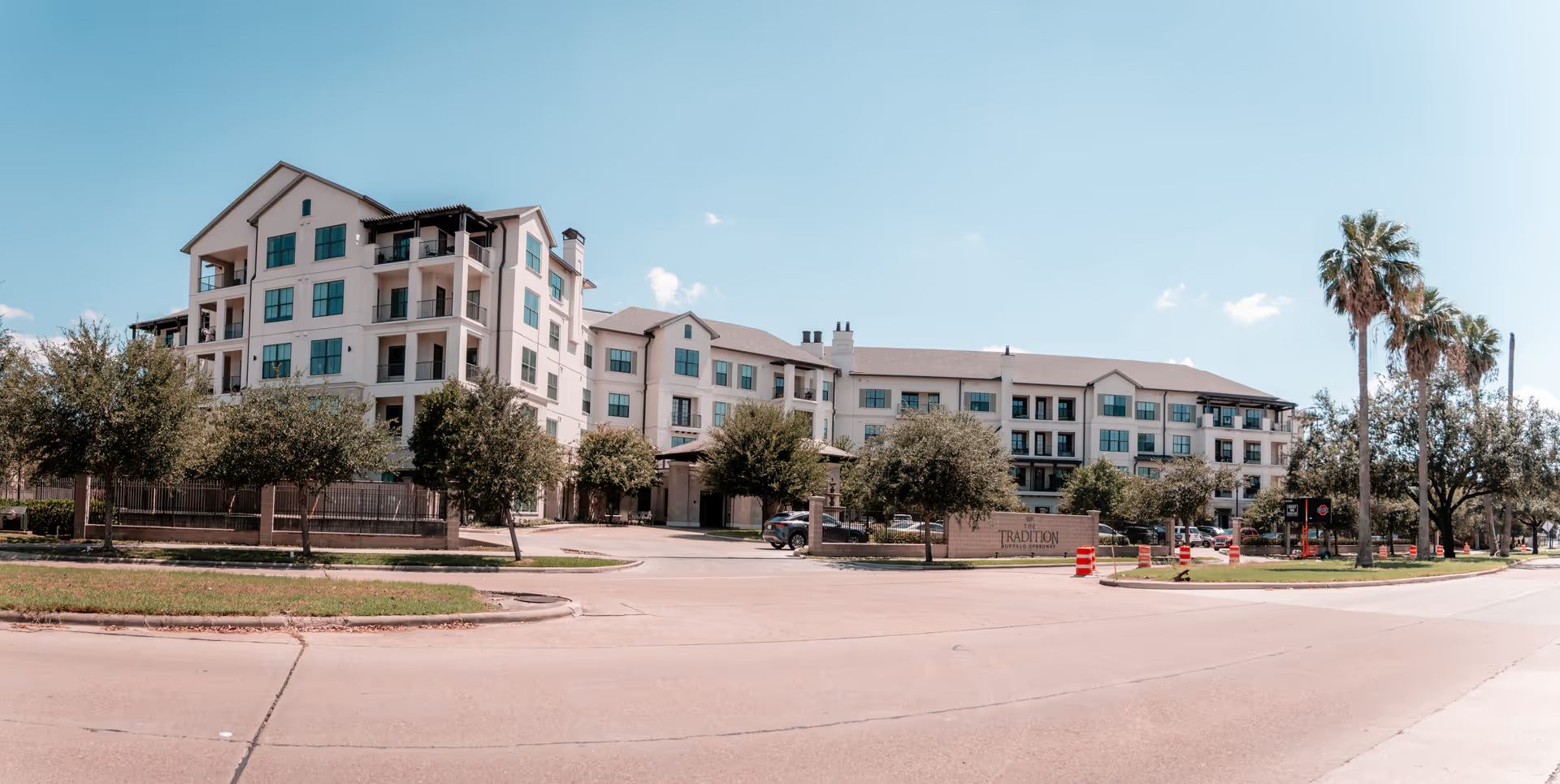
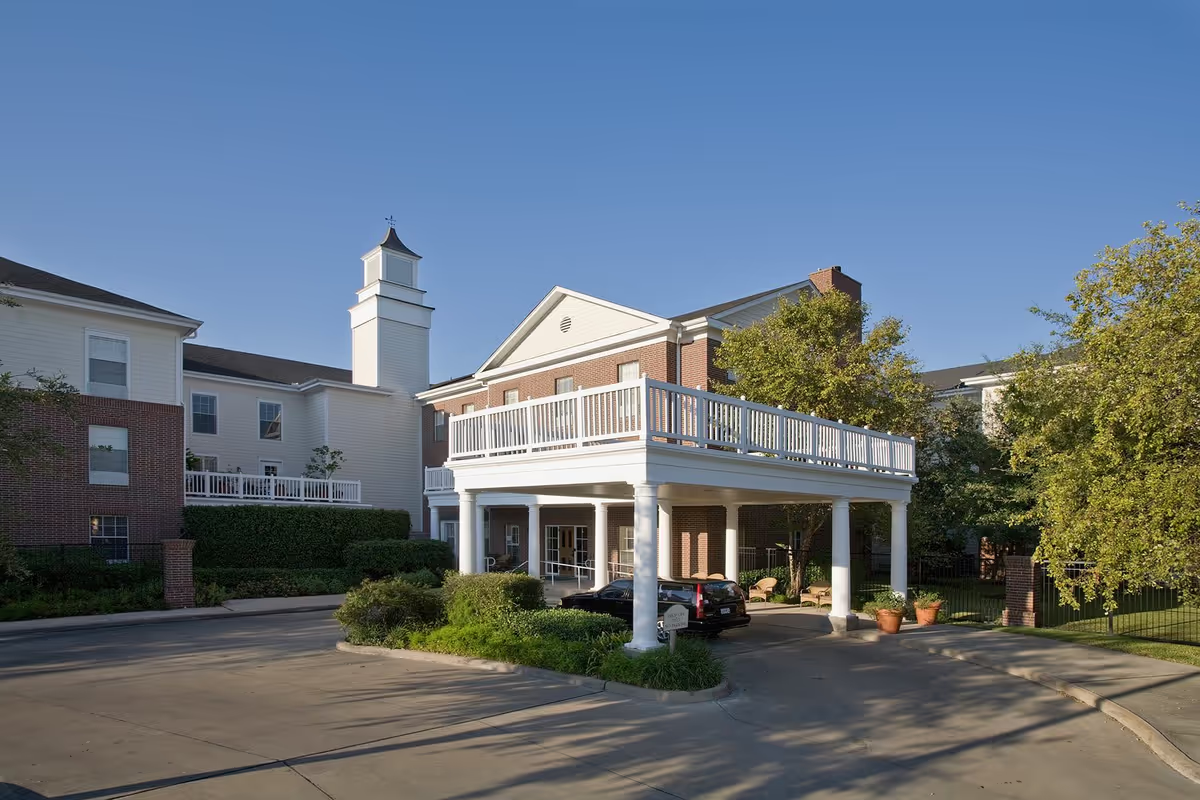
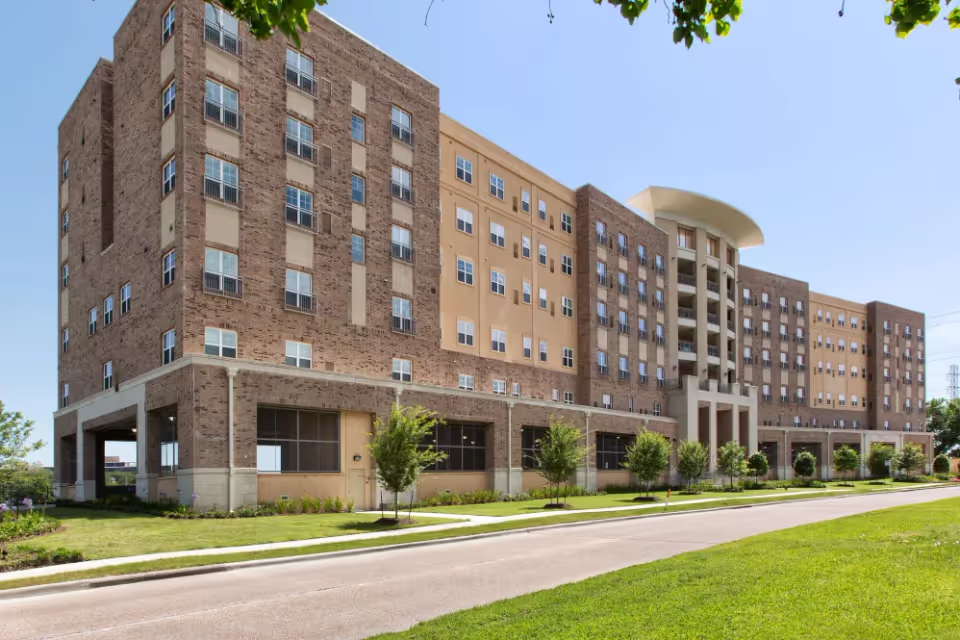
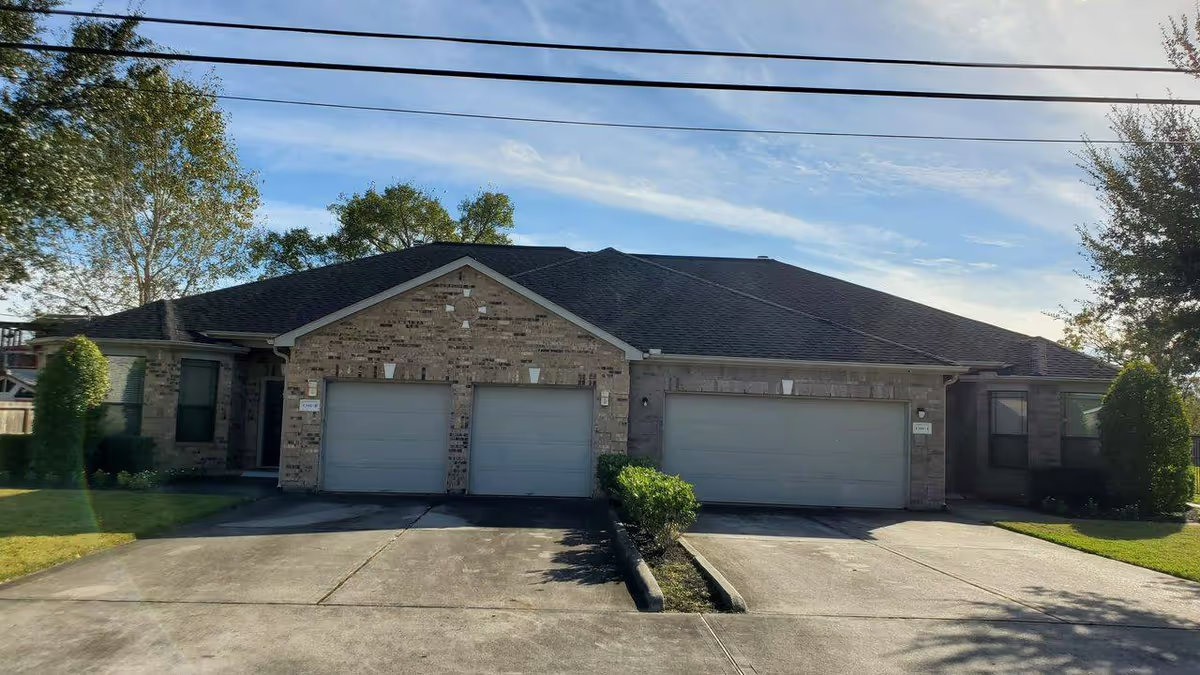
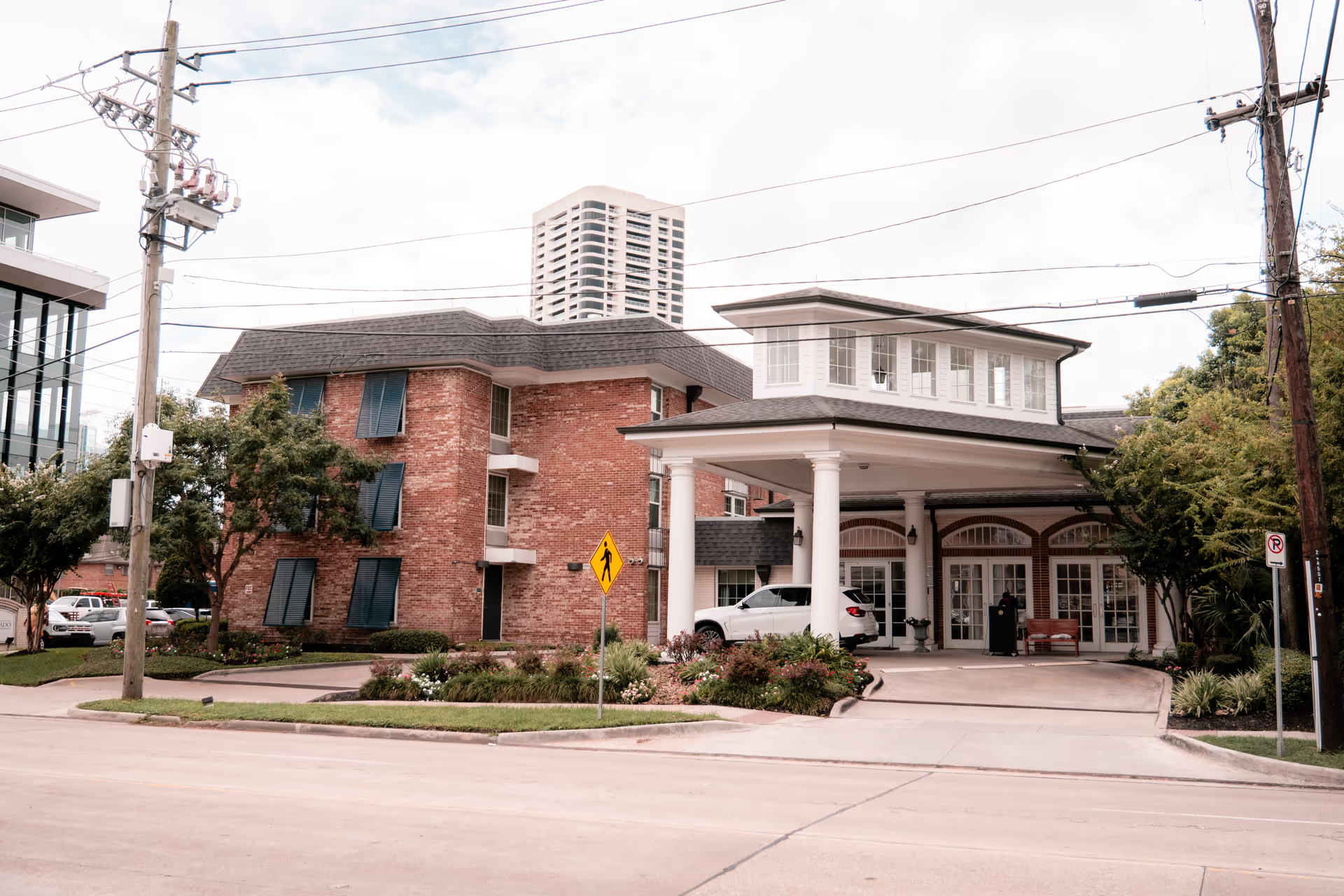
Holly Hall presents as a small, campus-style Christian retirement community that emphasizes independent living with an on-site continuum to assisted living and licensed health units. The campus is consistently described as attractive and well landscaped, with a variety of housing options from efficiencies to two-bedroom apartments, private suites, cottages, and dedicated health-care units. Security features (gated entry, 24-hour security, generator backup) and amenities (on-site salon, chapel, store, fitness area, covered parking) support a residential, community-oriented environment. Admissions and transition experiences are often highlighted as a strength, with specific praise for helpful and proactive admissions staff.
Dining and activities are frequent positives. Reviewers describe chef-prepared menus, monthly menu changes, alternative menu choices, and generally favorable dining-room experiences. Organized activities are plentiful — games, bridge, bingo, trips (including casino outings), worship services, and scheduled wellness programs — and therapy services (OT/PT) and rehab support are available on-site. Transportation to medical centers and nearby cultural districts adds convenience for residents who remain active in the broader community.
Care and staffing perceptions are mixed and present the clearest area of concern. While many families praise caring, attentive caregivers, nurses, and therapists — and cite successful rehab outcomes and family peace of mind — a consistent pattern of operational weaknesses appears in other accounts. Reviewers describe chronic understaffing, delayed responses to call buttons, inconsistent medication-administration practices, and gaps in hands-on training for higher-acuity and dementia care. High staff turnover and use of contract nurses are noted and are linked to variability in continuity and clinical reliability. These issues indicate that the facility may be well suited for independent or lower-acuity residents but could be less reliable for those needing frequent hands-on clinical care.
Operational and management themes include both strengths and shortcomings. The facility's communication tools (CATIE) and on-site maintenance/housekeeping are mentioned as helpful, yet there are repeated references to maintenance follow-through gaps (broken TVs, malfunctioning bed tables, missing hardware) and sanitation concerns in select areas. Family communication and follow-up are uneven according to multiple accounts, and there are isolated allegations of problematic staff conduct and accountability that suggest the need for clearer staff-conduct policies and escalation pathways. Financially, Holly Hall operates primarily on a private-pay model and does not accept Medicaid, which affects affordability and access for some prospective residents.
What to consider as a prospective resident or family: Holly Hall offers many desirable lifestyle features — quality dining, robust activities, attractive grounds, therapy services, and strong admissions support — and many residents report positive experiences in independent and short-term rehab stays. For families considering residents who require regular, hands-on nursing or advanced dementia care, it is advisable to confirm current staffing levels, observe response times and medication protocols, review training and turnover statistics, and clarify policies for personal-accommodation needs and possession management. A targeted tour focusing on the health wing, shift handoffs, and examples of maintenance and sanitation practices will help align expectations with operational realities.