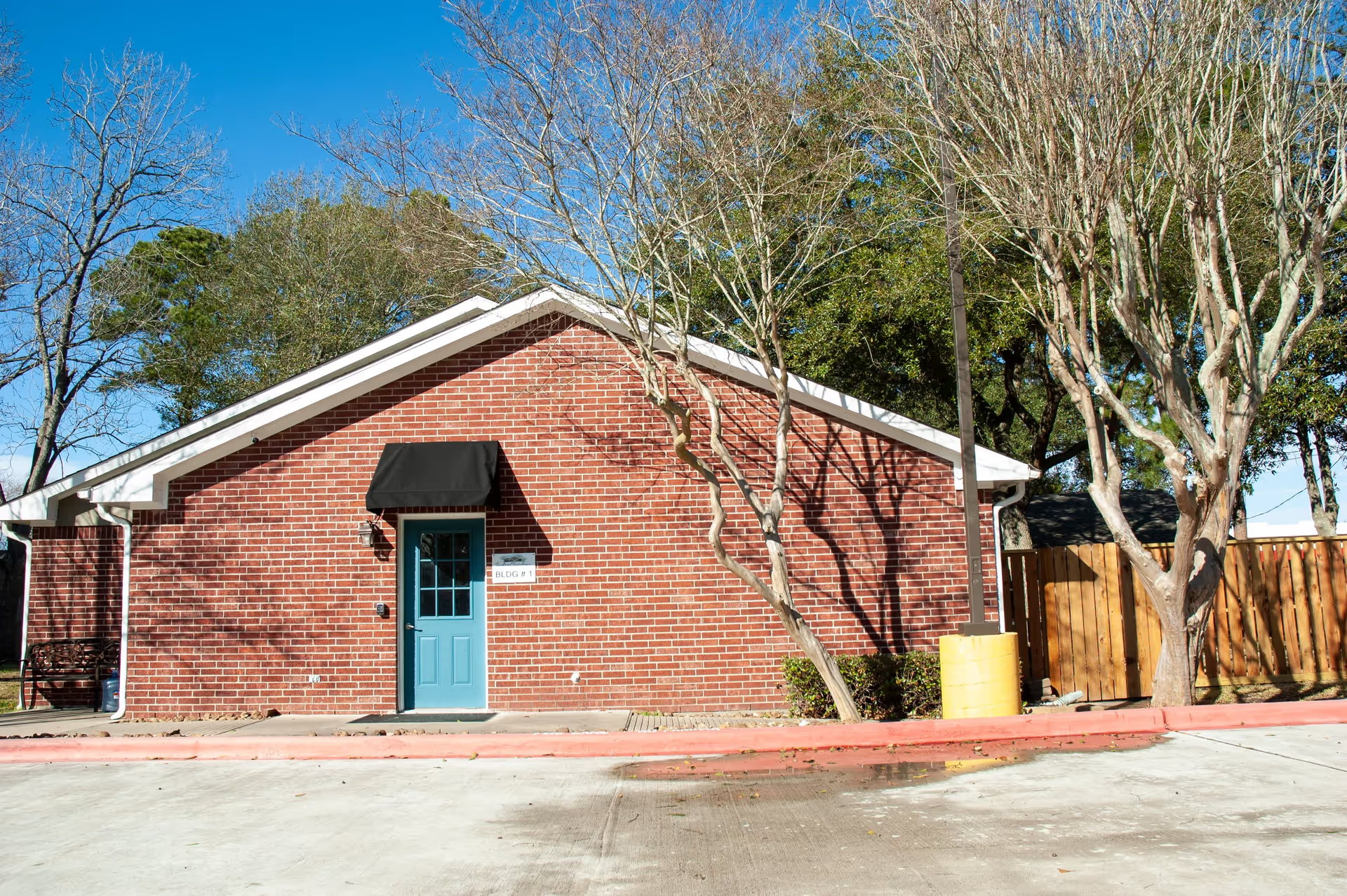
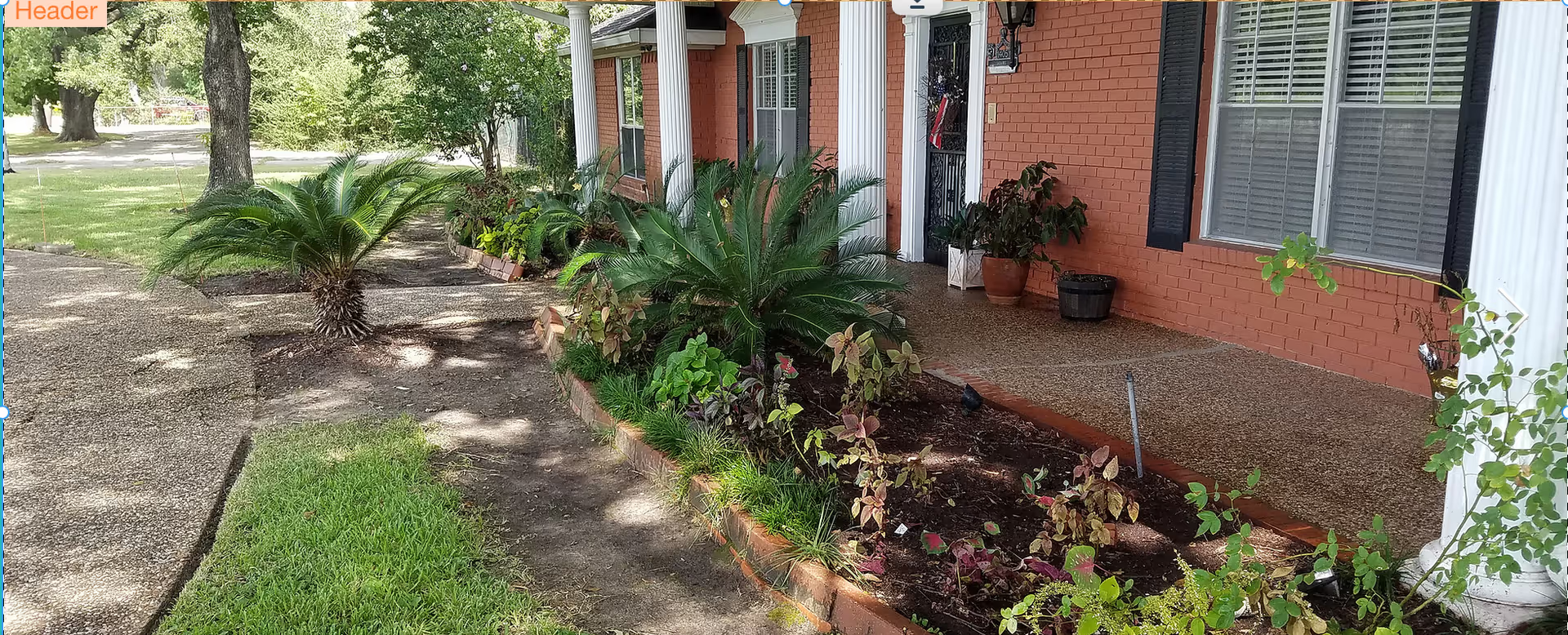
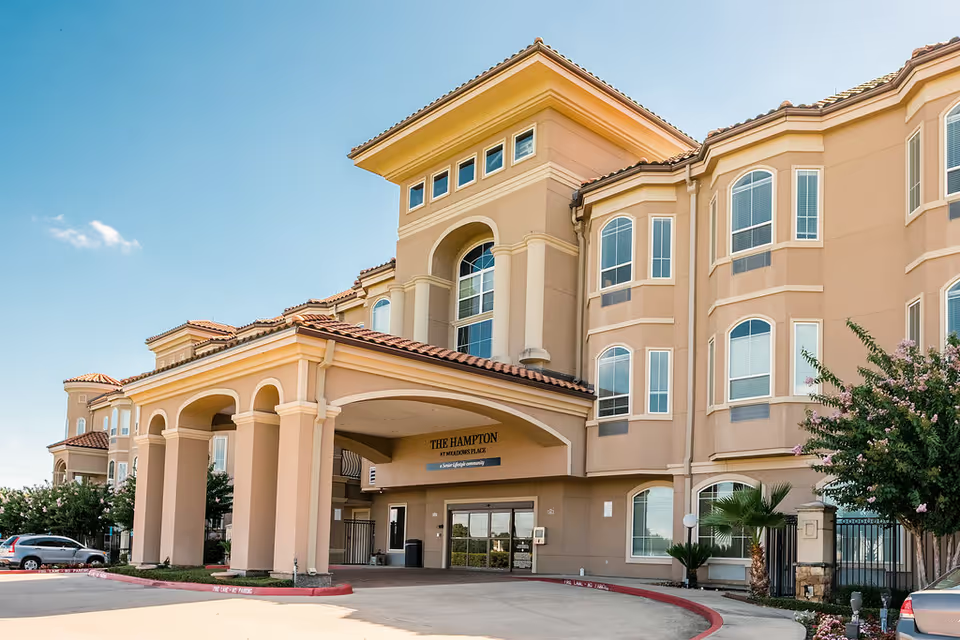
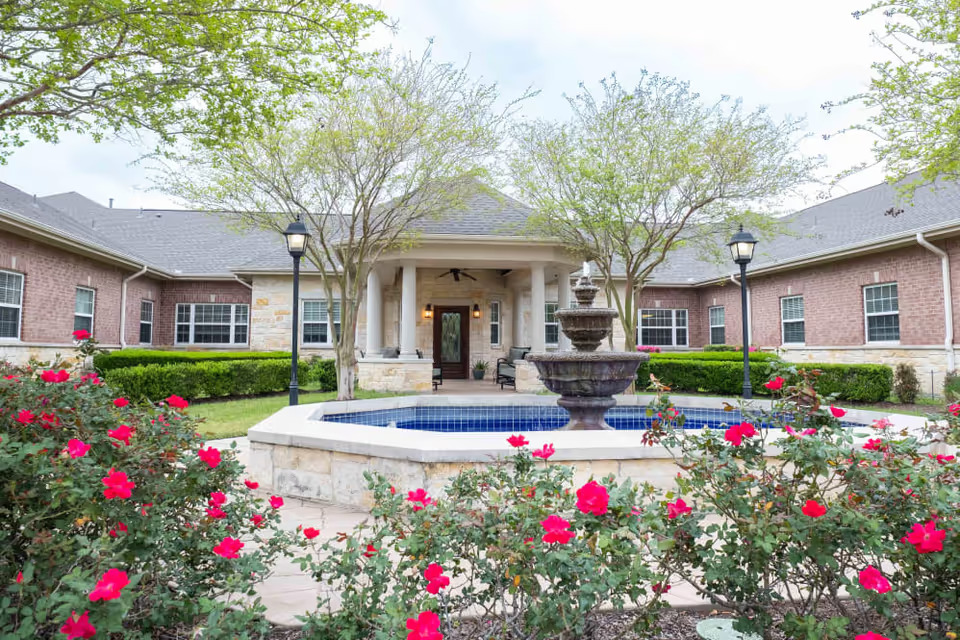
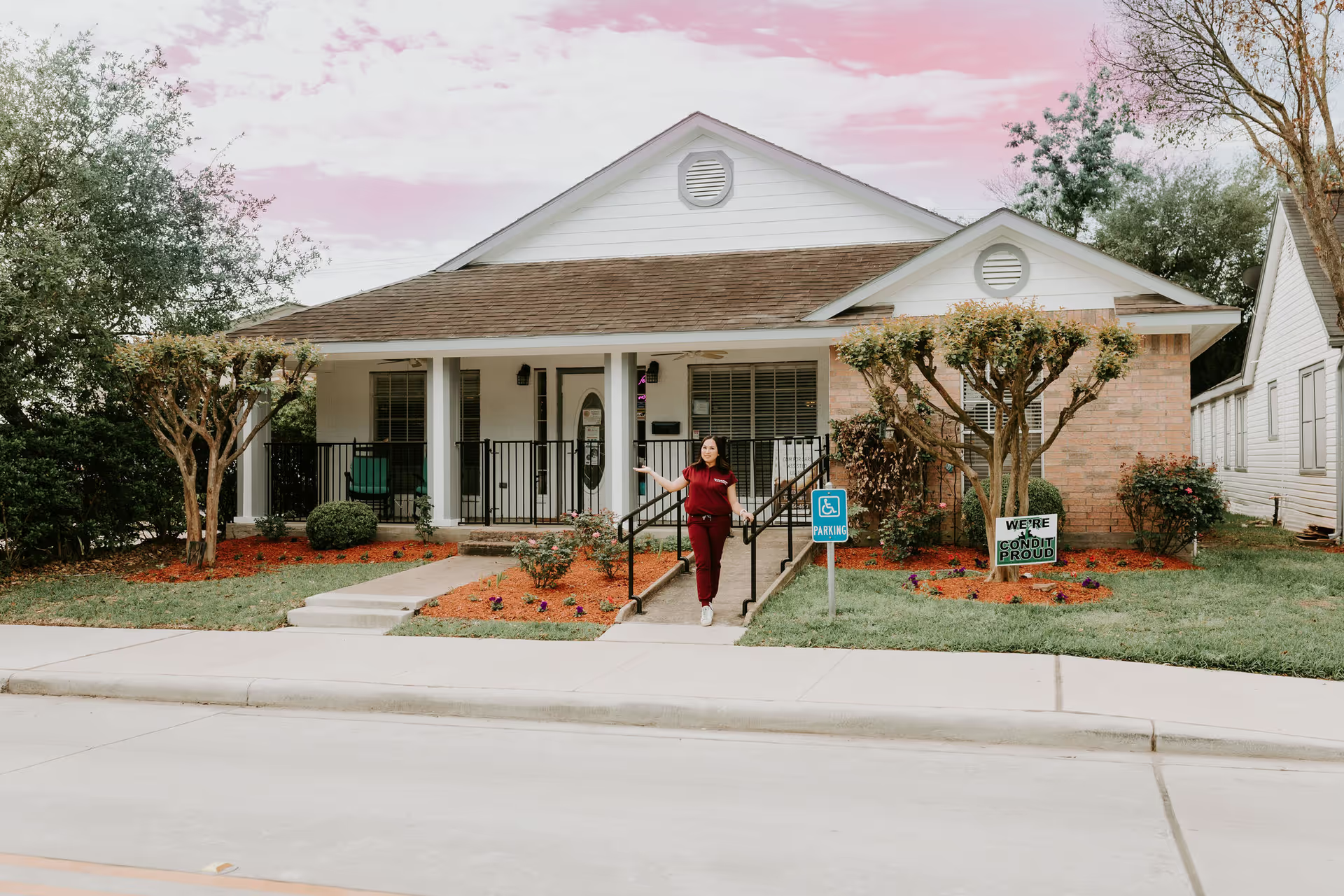
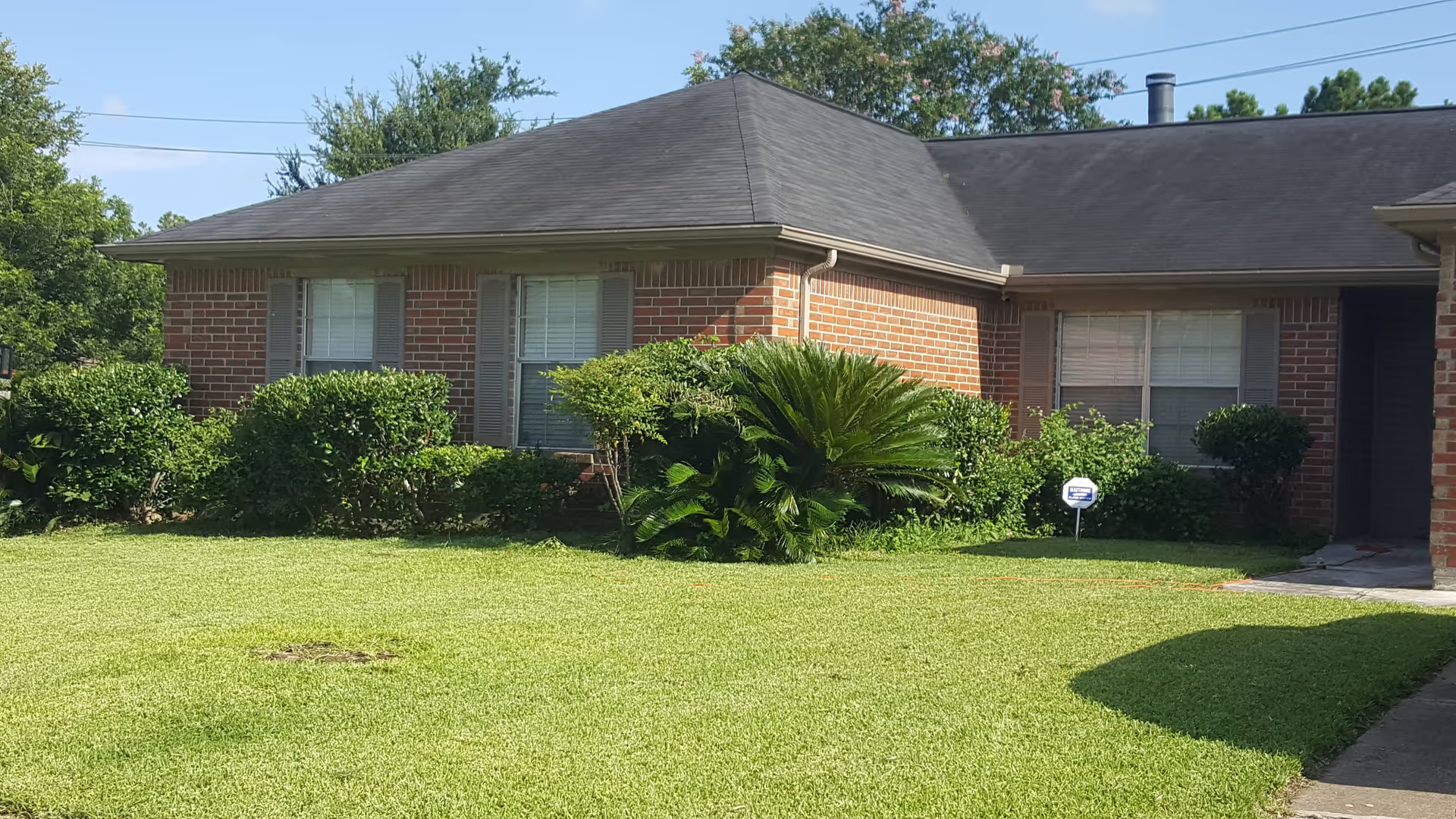
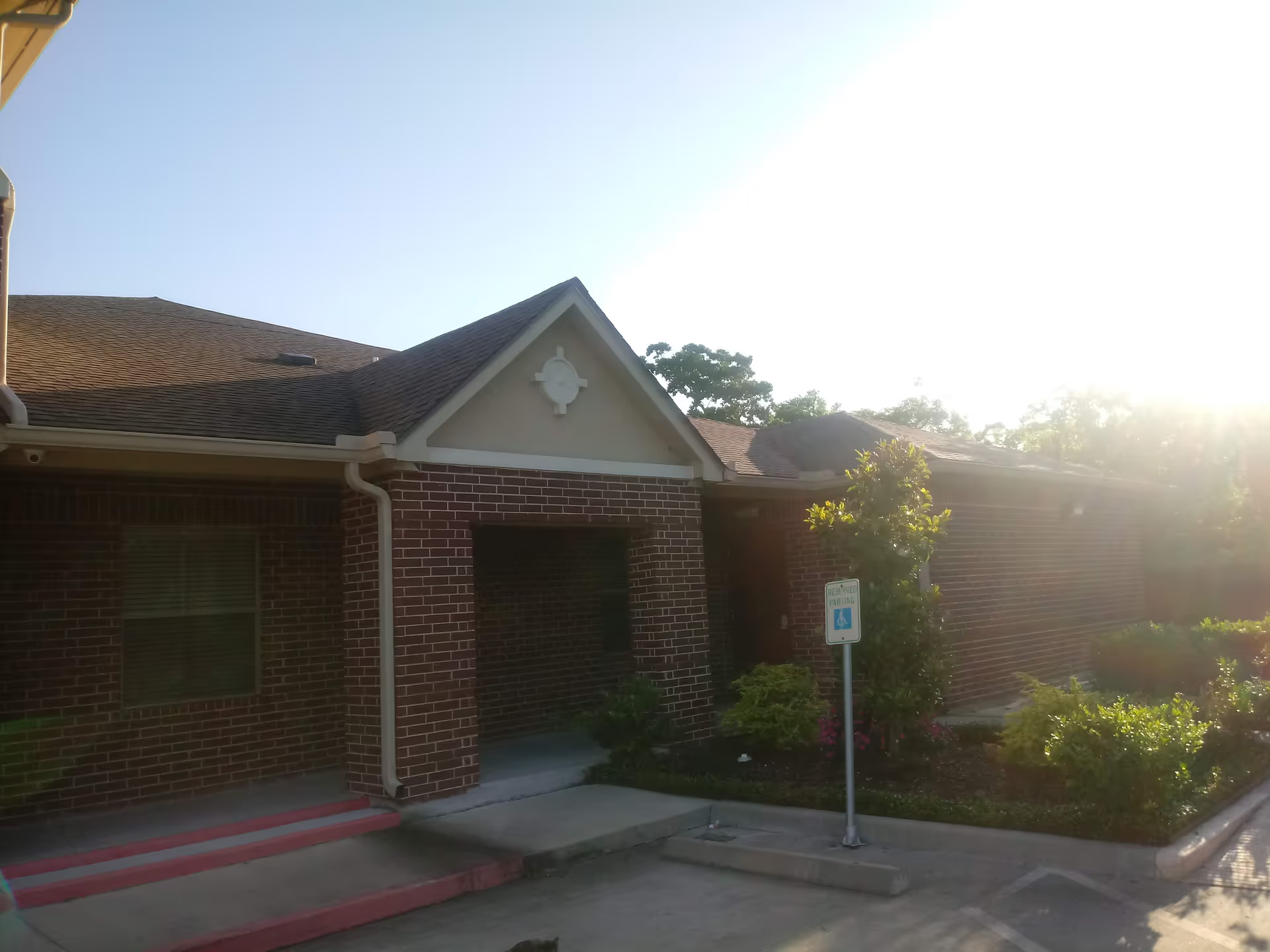
Lone Star Living presents a mixed but broadly positive profile for independent-living seniors. Strengths repeatedly cited include a warm, family-like culture, attentive front-desk and caregiving staff, well-kept grounds, and apartment options that are spacious for the price point. Many families characterize the community as good value: meals included in base pricing, on-site transportation, salon and fitness amenities, and a steady schedule of activities and outings that support social engagement. Renovation work (new elevator, selective flooring updates, landscaping) and visible maintenance are also noted as positives.
Care and staff: Reviewers consistently praise the staff's friendliness, responsiveness, and personalized attention; several staff members and front-desk personnel were named for going above and beyond. At the same time, there are operational concerns tied to turnover and staffing consistency. High staff and management turnover has been associated with uneven service continuity, intermittent housekeeping schedules, and variable responses to family concerns. Some reviewers also flagged unclear boundaries between independent living and higher-acuity care, and additional charges for clinical or meal-delivery services; families should confirm the facility's scope of clinical services and any extra fees before moving in.
Dining: Dining is a prominent aspect of the community experience. Many residents enjoy restaurant-style meals and the social dining environment; improvements under a new chef were mentioned. Counterbalancing that, several reviewers described inconsistent food quality, imbalanced portions (notably high-carbohydrate or limited vegetable selections), occasional fruit-fly and sanitation concerns in the dining area, and variability in menu execution. Because mealtime is included in many rate plans, prospective residents should sample meals and ask about menu rotation, special-diet accommodations, and pest-control protocols.
Activities and social programming: Programming is regularly cited as a strength — bingo, painting, fitness, outings, shopping and doctor trips, and transportation for events are common. Pandemic-related reductions and occasional gaps when staff are limited were also described; activity levels may fluctuate with staffing and public-health constraints. Overall, the community appears to foster social engagement and resident-led interaction.
Facilities and operations: The campus shows a mix of updated and older elements. Grounds and common areas tend to be well maintained, while some interior finishes, carpeting, and kitchen footprints (small kitchen sizes, limited in-unit dishwashers, missing in-unit washers/dryers) are described as dated or compact. Ongoing renovations were mentioned, but deferred maintenance remains a perception for certain units. Administrative topics that surfaced include inconsistent billing/auto-pay communication, online-only contract access challenges for some seniors, and confusing charge practices; these suggest families should review contract terms and billing processes carefully.
Safety, documentation, and management patterns: A number of accounts raised concerns about incident documentation, transfer procedures, and family communication during clinical events; these should be treated as operational red flags to verify during tours. Management instability and inconsistent rule enforcement were also commonly noted, which can affect continuity of care and resident satisfaction. There were a few serious individual allegations mentioned in reviews; families should request the facility's incident history, staff turnover metrics, and clarify emergency-transfer protocols and documentation practices.
Bottom line: Lone Star Living appears to offer strong value for independent seniors seeking an affordable, socially active community with personable staff and included services. Key areas for due diligence are dining quality and sanitation protocols, the facility's clinical-service boundaries and extra-fee structure, documentation and transfer procedures, security measures, and the specifics of housekeeping and activity schedules. Prospective residents and families should sample meals, tour multiple apartment types, review contract and billing terms in writing, and ask for current staffing and incident-reporting policies before committing.