Park Manor of South Belt presents a mixed picture in the reviews: many families and residents praise its rehabilitation program, therapy staff, and a number of compassionate front-line caregivers, while others describe operational weaknesses that affect safety, comfort, and trust. The facility repeatedly receives strong marks for its therapy team and rehab outcomes, with multiple accounts of therapists and a rehabilitative leadership team who help residents regain function and transition home. Activity programming and social offerings also receive positive mention; themed meals and regular events contribute to a sense of community for some residents.
Care quality appears uneven. Positive accounts describe attentive CNAs and nurses who provide personalized assistance, wound and catheter care, and frequent communication with families. However, a substantial pattern of concerns centers on staffing inconsistencies and delayed responses to resident needs. Reviews cite slow call-light response times, delays in toileting and personal care, and variable bedside attention during nights and weekends. There are also recurring concerns about medication timing and clinical monitoring; a few families connected delays in treatment or monitoring to serious outcomes. Additionally, reviewers raised issues with fall monitoring, incident documentation, and coordination when clinical situations arise.
Dining and activities are areas of contrast. Several reviewers enjoyed varied menus and special-theme days, reporting good-tasting meals and a pleasant dining environment. Conversely, others described menu mismatches, cold or institutional-feeling meals, and inconsistency between posted menus and what was served. Activity offerings on weekdays are generally viewed as robust, but mental-engagement programming and individualized recreational attention were noted as inconsistent.
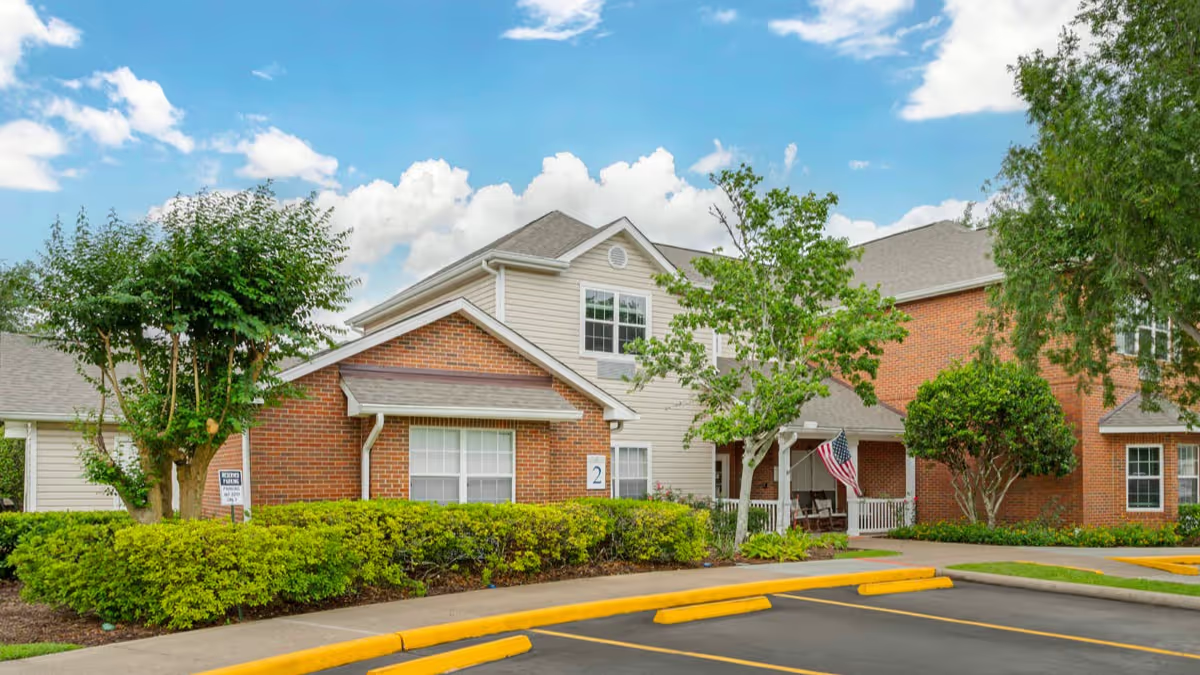
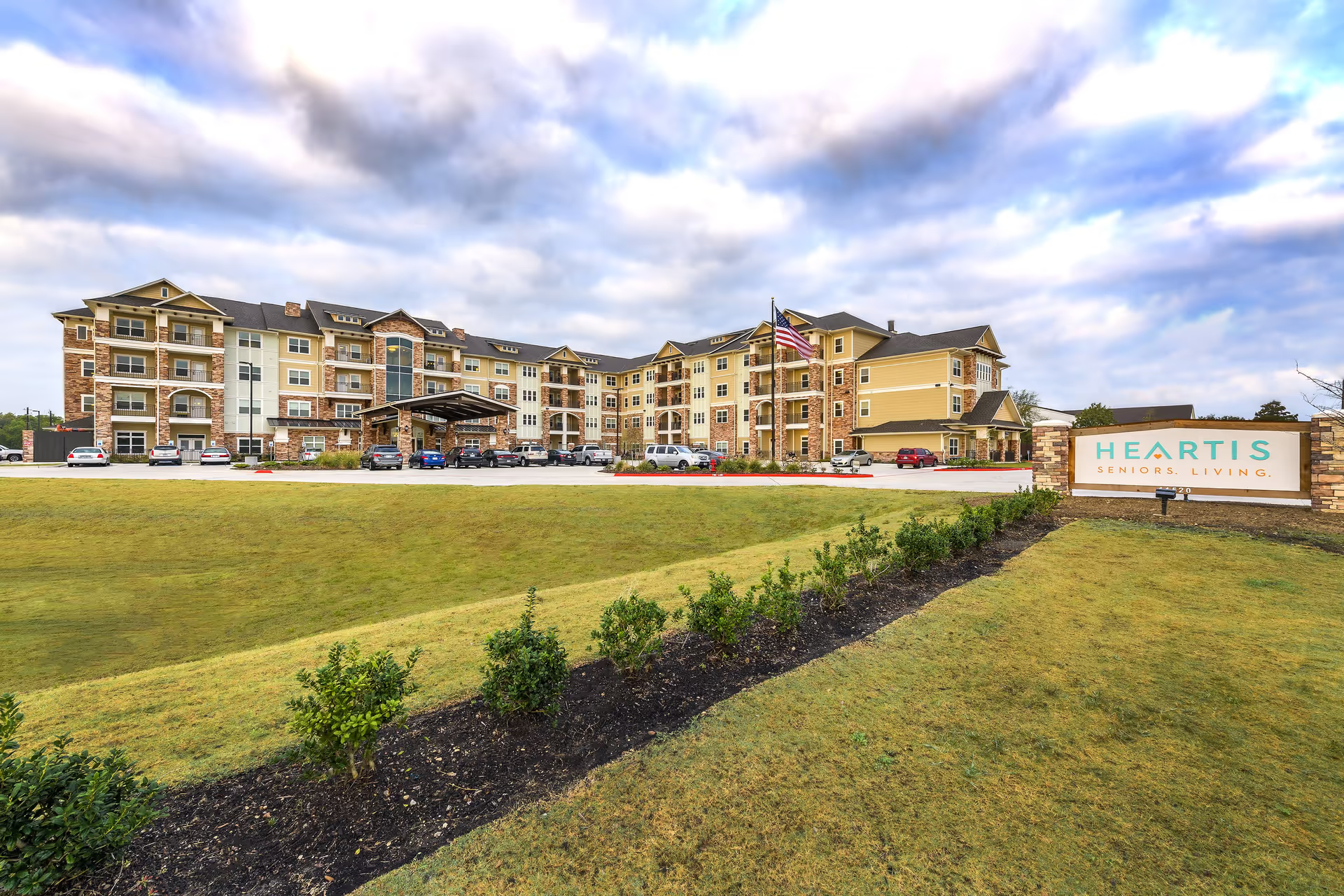
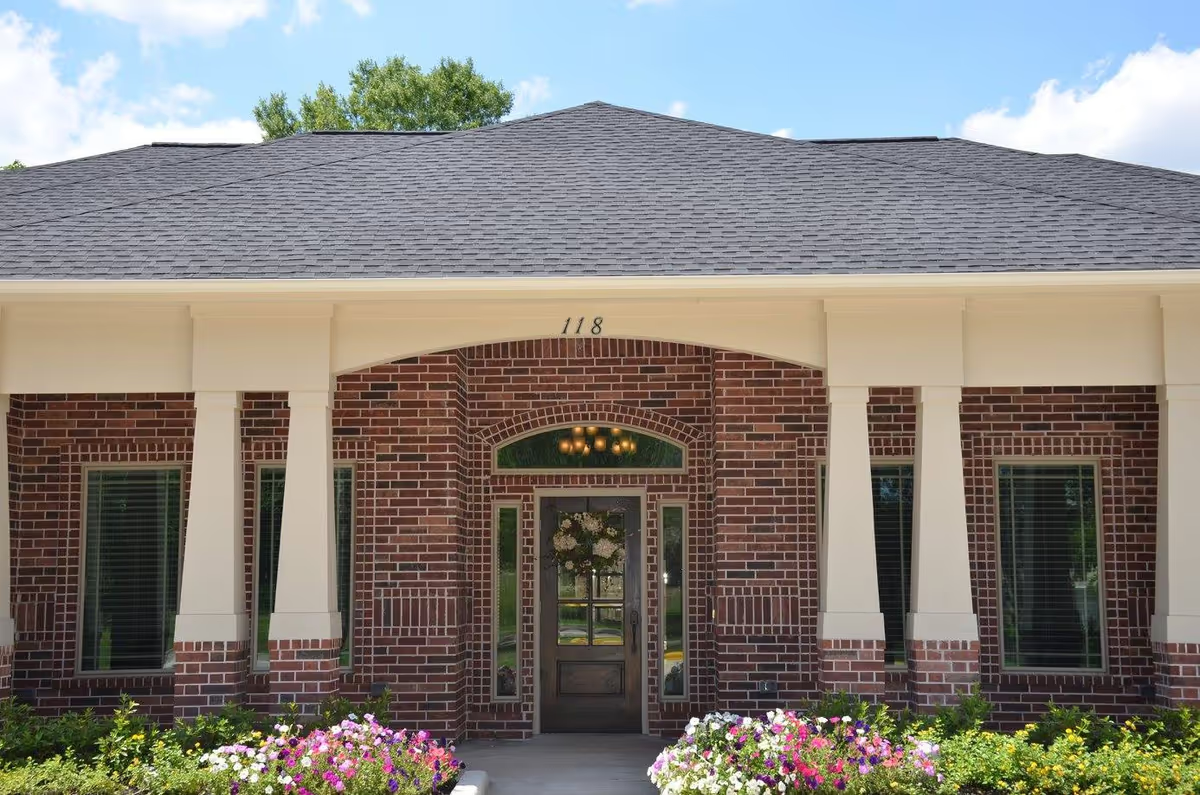
Facility condition and operations are similarly mixed. The public areas and some rooms are described as clean and welcoming, and some families praise tidy dining rooms and well-maintained common spaces. At the same time, other comments point to dated rooms, limited privacy in shared rooms, worn linens, localized pest-control concerns, and areas in need of renovation. Practical issues such as TVs without individual controls, tight two-bed rooms, and occasional odor concerns were noted.
Management and administrative practices show divergence in family experiences. Some families commend helpful case workers and responsive social work staff; others describe difficulty obtaining timely information, resistance from administration when raising concerns, and troubling financial issues including allegations of coercive billing and misappropriation. These financial allegations are serious and were raised by families alongside broader concerns about transparency and accountability.
Taken together, Park Manor of South Belt appears capable of delivering strong rehabilitative care and has many staff who are experienced and compassionate. At the same time, persistent themes—staffing variability, delayed responsiveness, sanitation and infection-control inconsistencies, uneven dining execution, and concerns about administrative transparency—suggest uneven operational reliability. Prospective residents and families would be advised to observe staffing and care responsiveness across different shifts, ask specific questions about medication and incident protocols, review billing and payment policies closely, confirm infection-control procedures, and verify the availability of private-room options if privacy is important.