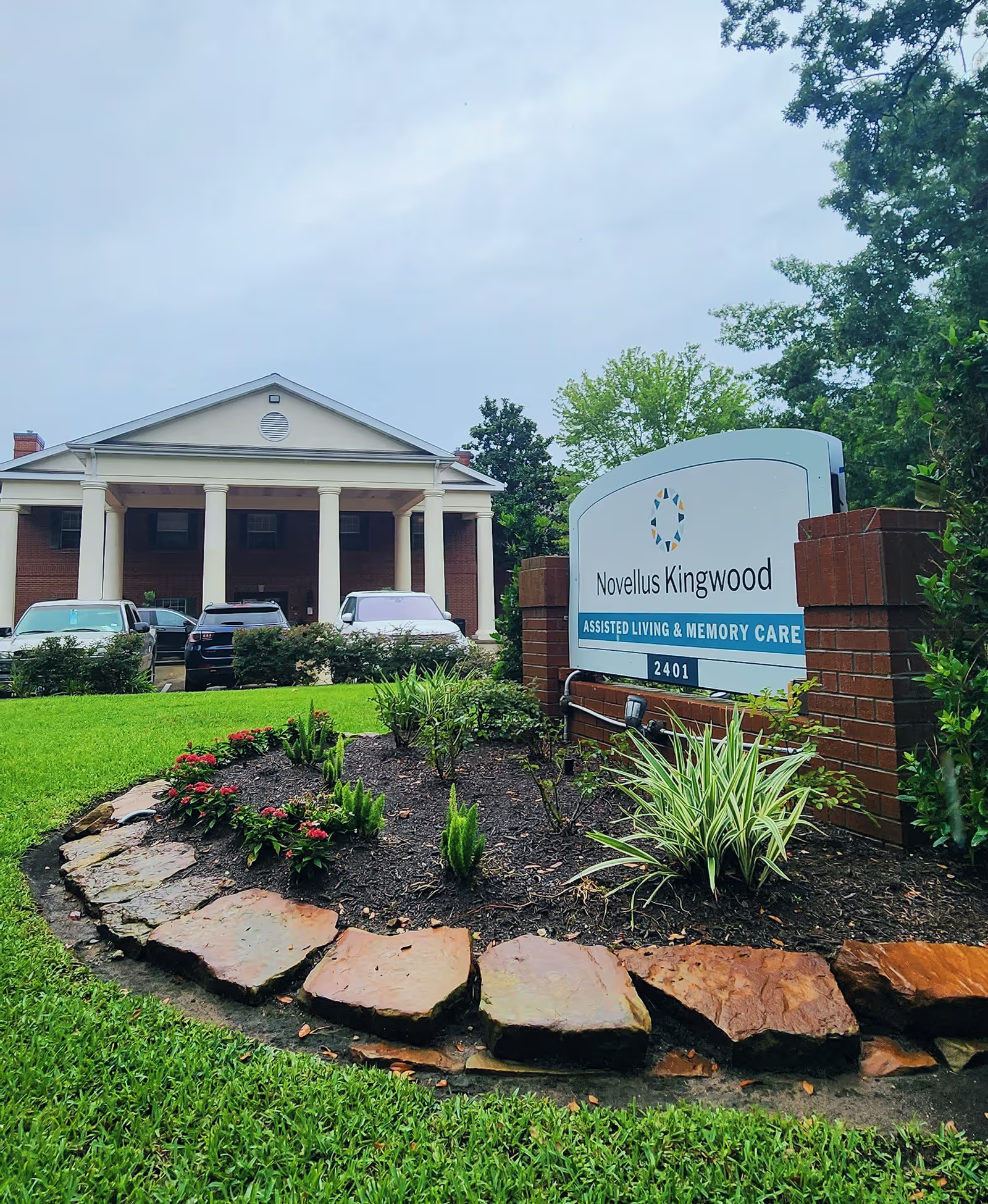
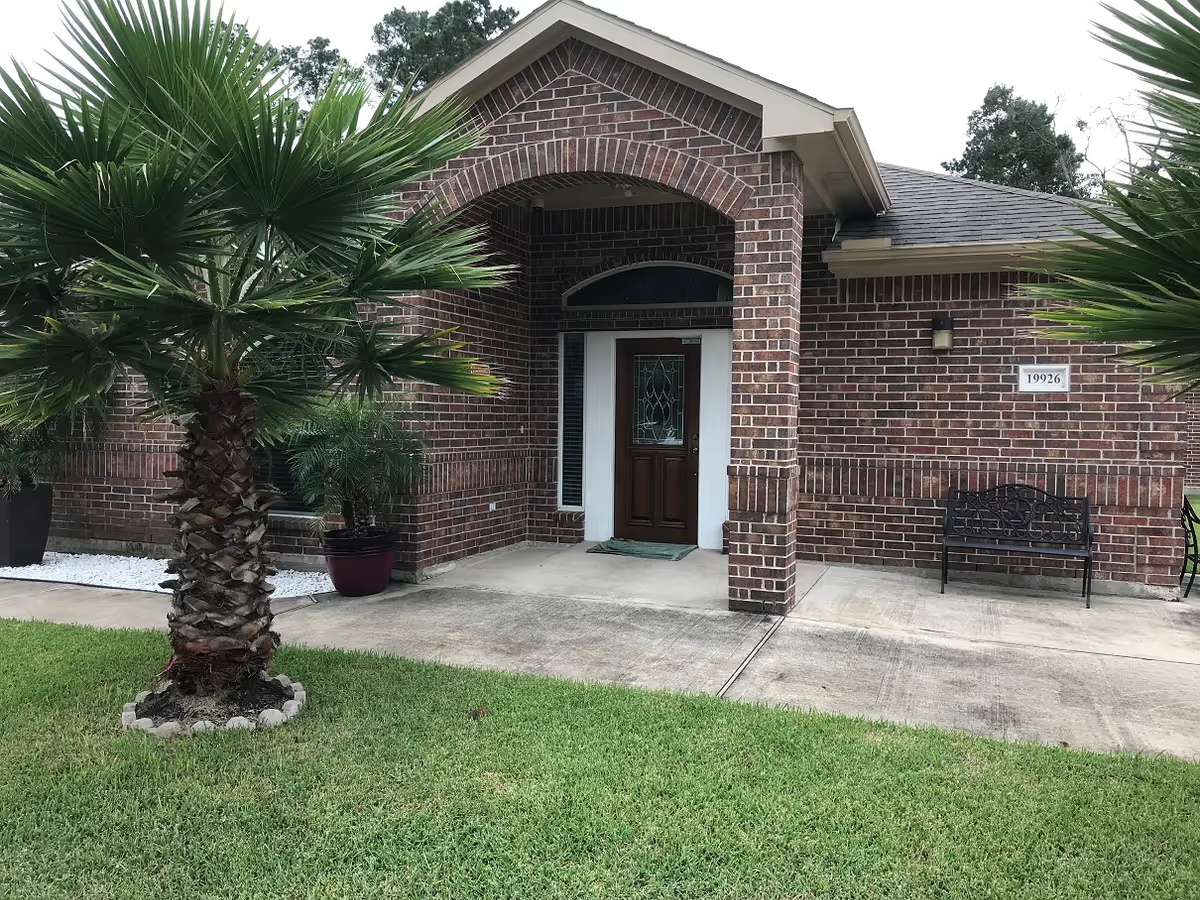
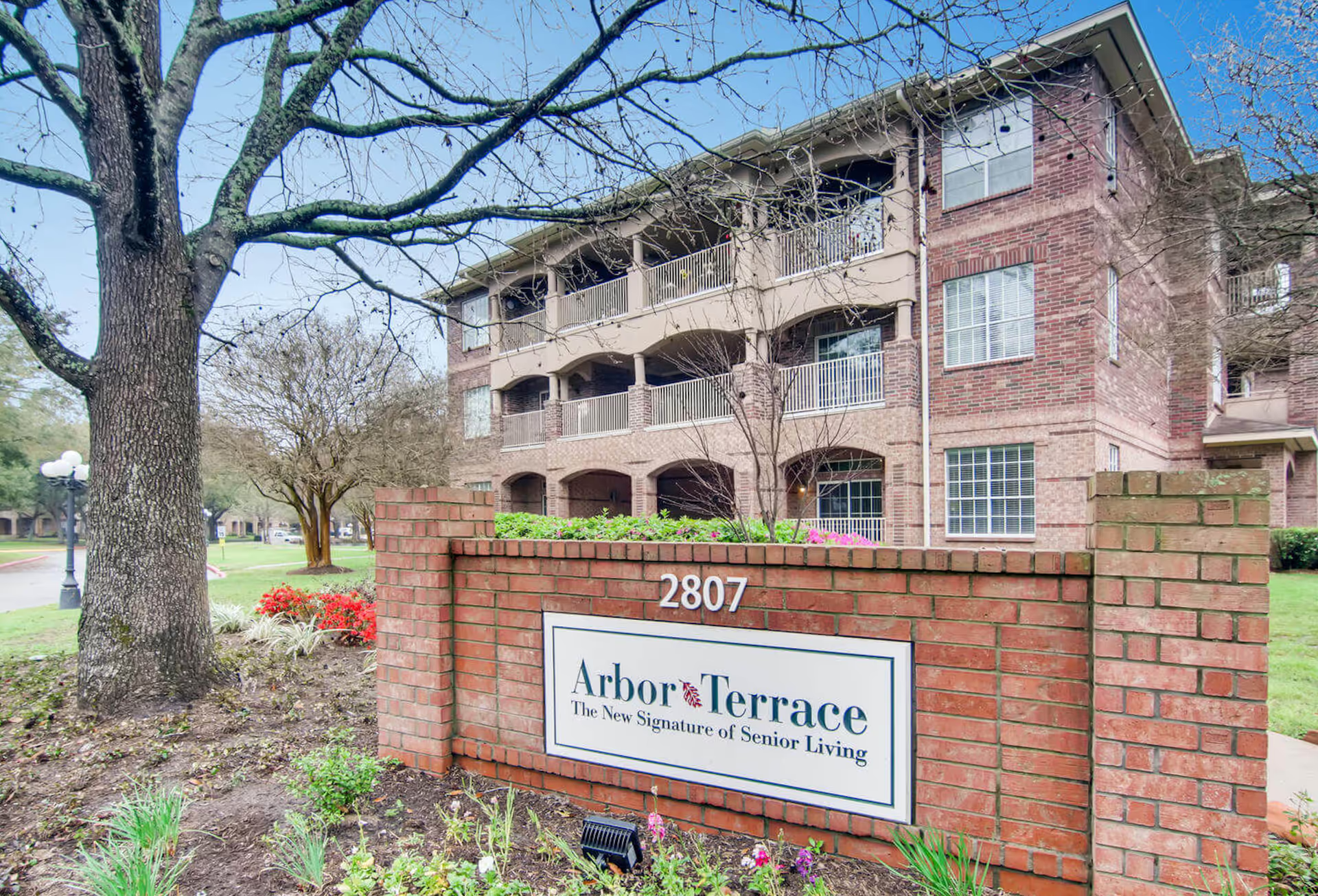
The Auberge at Kingwood presents a mixed but informative profile for prospective residents and families. Many comments highlight a compassionate, long‑standing caregiving team and visible family engagement; staff are frequently described as attentive, emotionally supportive, and willing to go beyond routine duties. The community emphasizes memory‑care specialization (SPARK), an age‑in‑place approach, and on‑site clinical capabilities (two‑person assist procedures, Hoyer lifts, injectable medications, and RN/LPN coverage), which are strengths for residents with progressing dementia or complex needs. Leadership and marketing personnel are often noted for strong resident and family involvement, and bereavement support during end‑of‑life events is cited positively by several families.
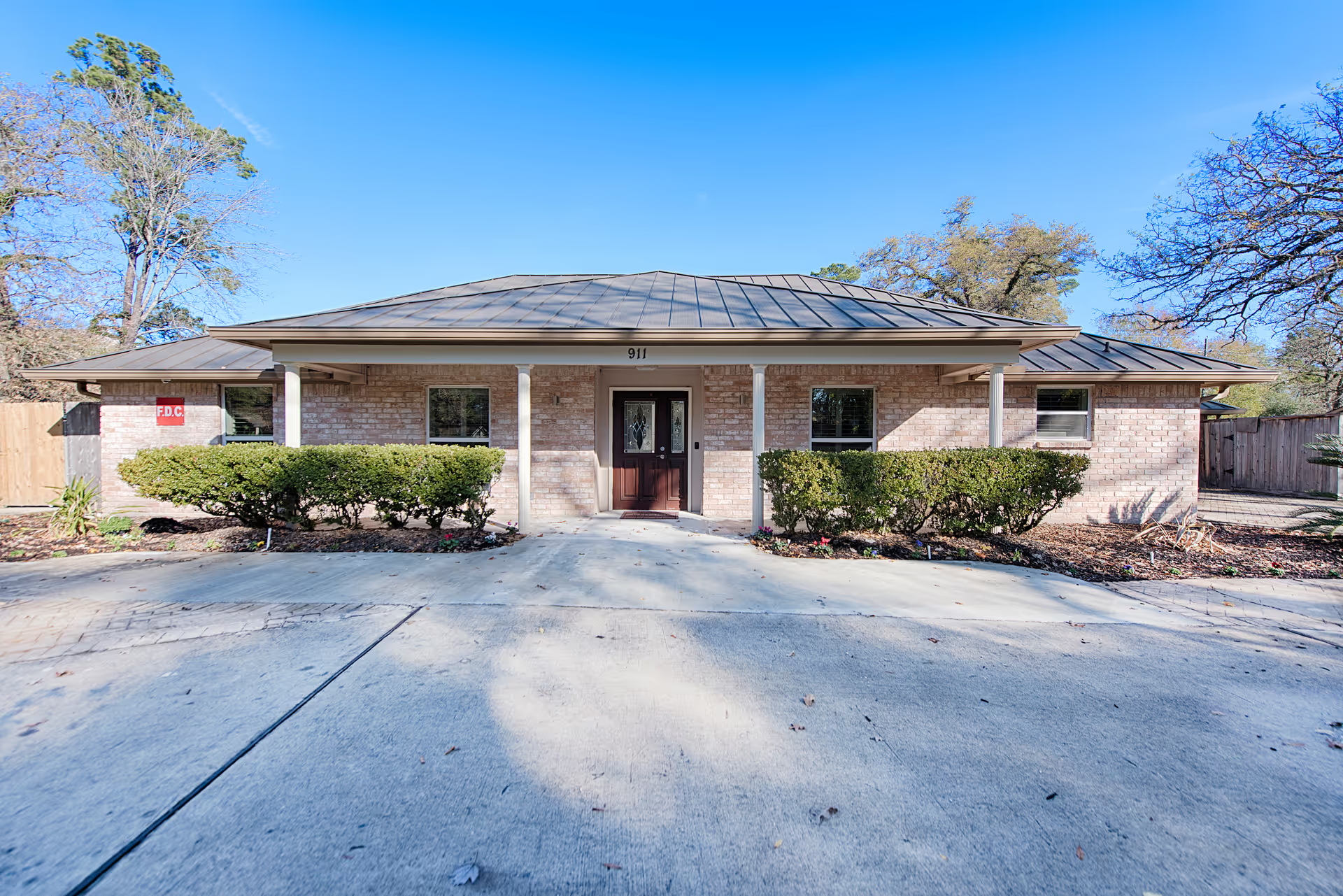
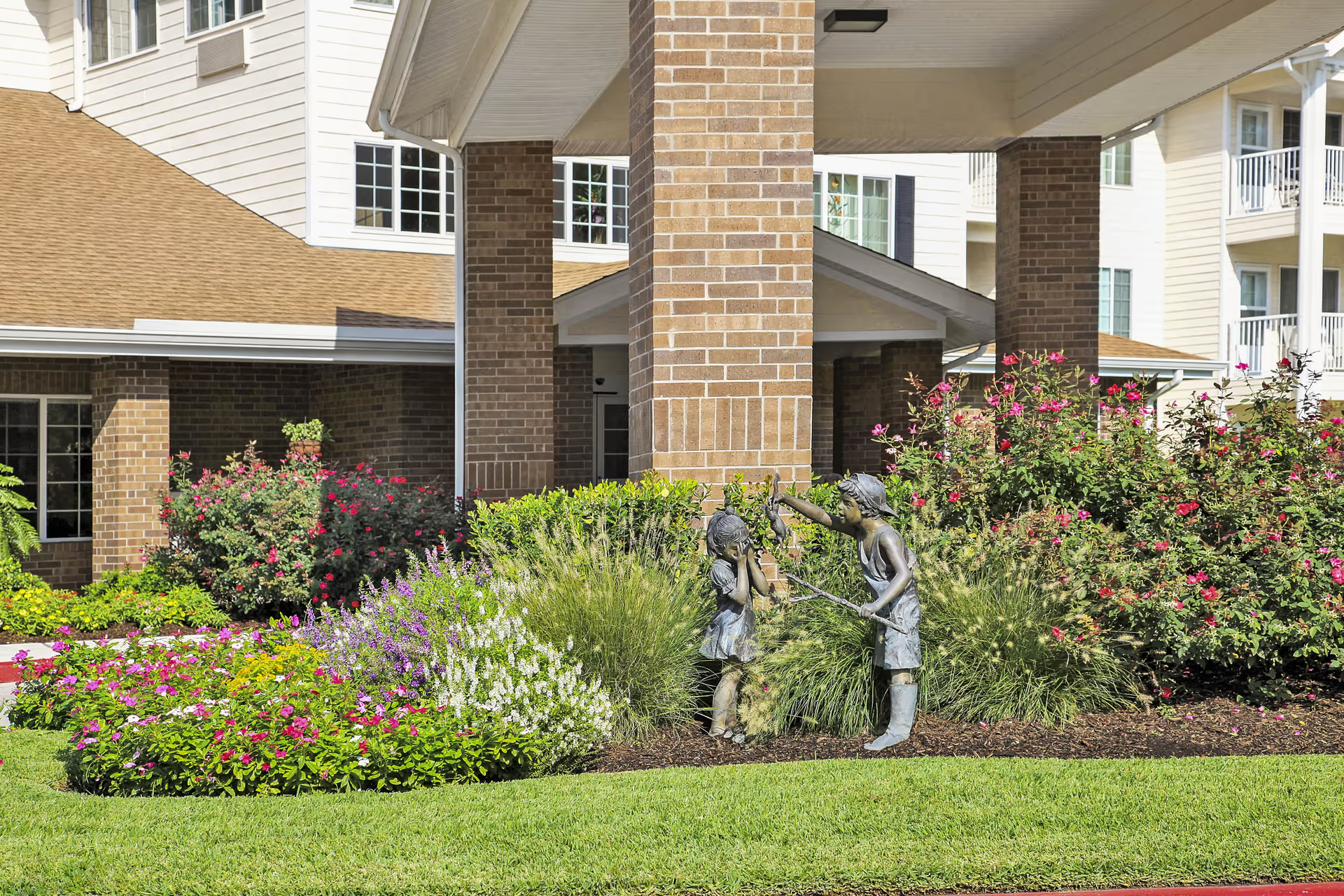
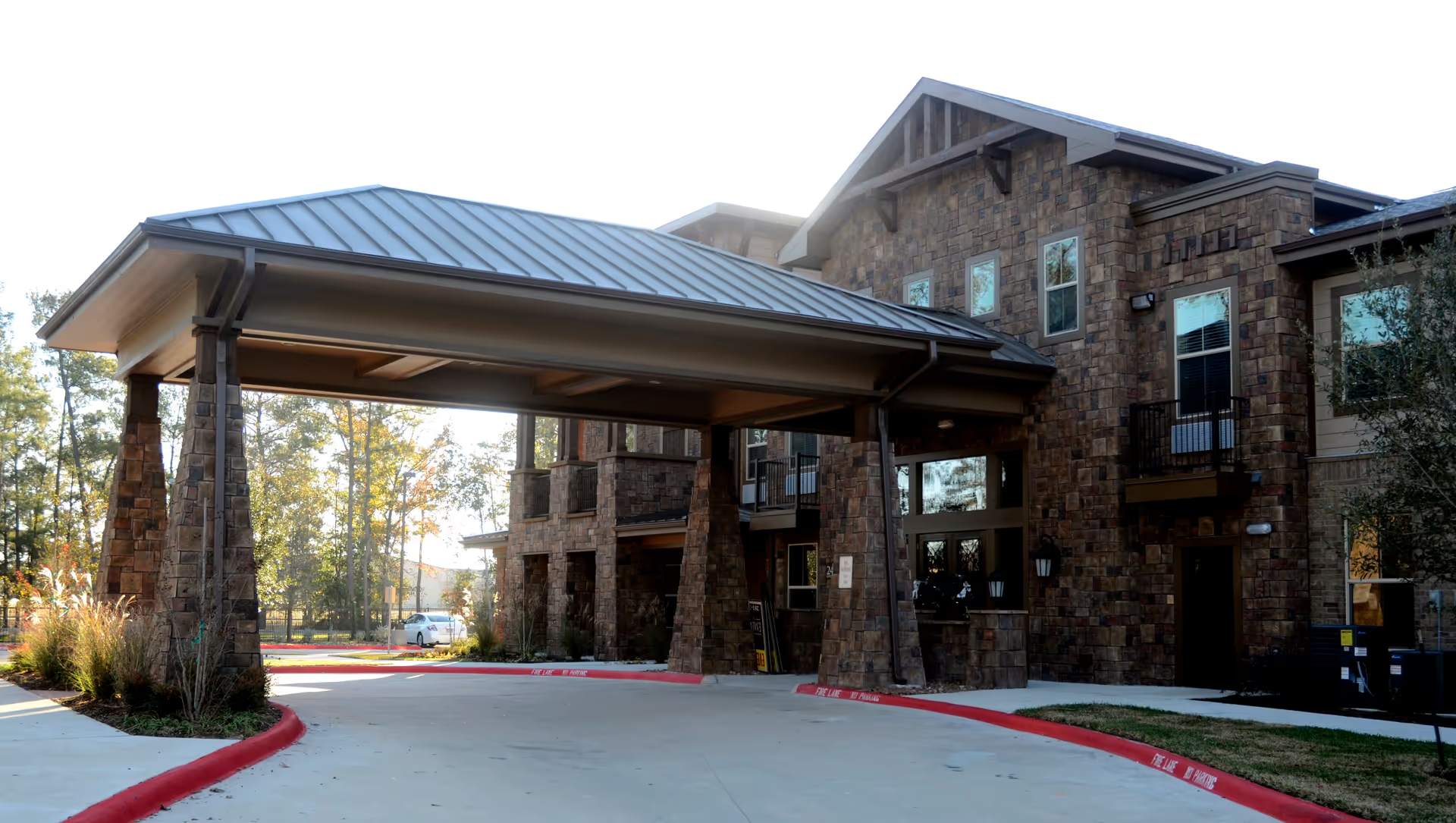
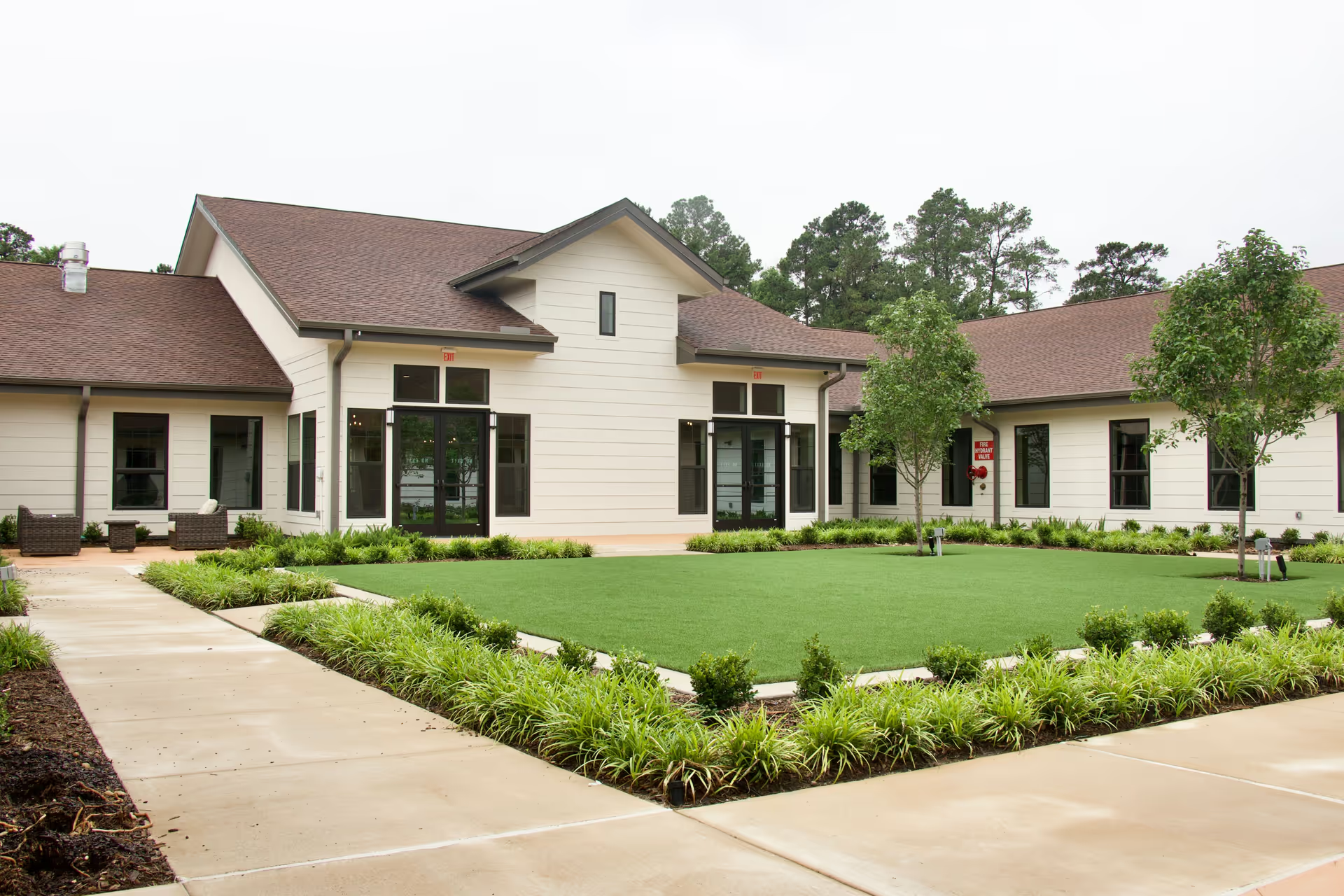
Dining, activities, and facilities are recurring positives. A dedicated chef, themed family dining nights, and generally favorable meal experiences are commonly praised. The community offers a wide range of engagement opportunities — garden spaces, walking paths, woodworking shop, fishing club, dog training, outings, and tailored activity plans — contributing to a home‑like, family‑oriented atmosphere. The physical environment is frequently described as clean, open, and well‑maintained, with spacious private rooms and pleasant outdoor areas; the pet‑friendly policy and community mascot are additional quality‑of‑life features.
Despite these strengths, reviewers also identify operational weaknesses that affect consistency of care. Staffing variability and turnover are linked to perceived declines in responsiveness, delays in medical attention, and uneven personal‑care practices. Several families reported sanitation and incontinence‑care concerns and maintenance lapses (for example, bedding and mattress issues), indicating gaps in housekeeping and room upkeep. Infection‑control and pandemic response were raised as significant issues by some families, particularly early in the COVID‑19 period, suggesting opportunities to strengthen protocols and family communication during public‑health events.
Communication and management show a dual pattern: many families describe clear, compassionate updates and active leadership, while others report inconsistent complaint handling, delayed follow‑up, and perceptions of a top‑heavy administration. Financial transparency is another recurring theme — some families experienced unexpected fees or billing disputes — and there are mentions of contested clinical‑decision patterns (including hospice utilization) that warrant clarification from management. Security and access controls have been flagged as inconsistent in a small number of accounts, creating concern about courtyard access and lockdown practices.
In sum, The Auberge at Kingwood offers notable strengths in memory‑care programming, a family‑oriented culture, robust activity offerings, and clinical equipment to support aging in place. However, variability in staffing, sanitation and housekeeping practices, infection‑control response, and administrative consistency are important areas to review during a tour and in contract discussions. Prospective families should verify current staffing ratios, infection‑control policies, maintenance and housekeeping procedures, medication and hospice protocols, and fee transparency to ensure alignment with their expectations and the resident's clinical needs.