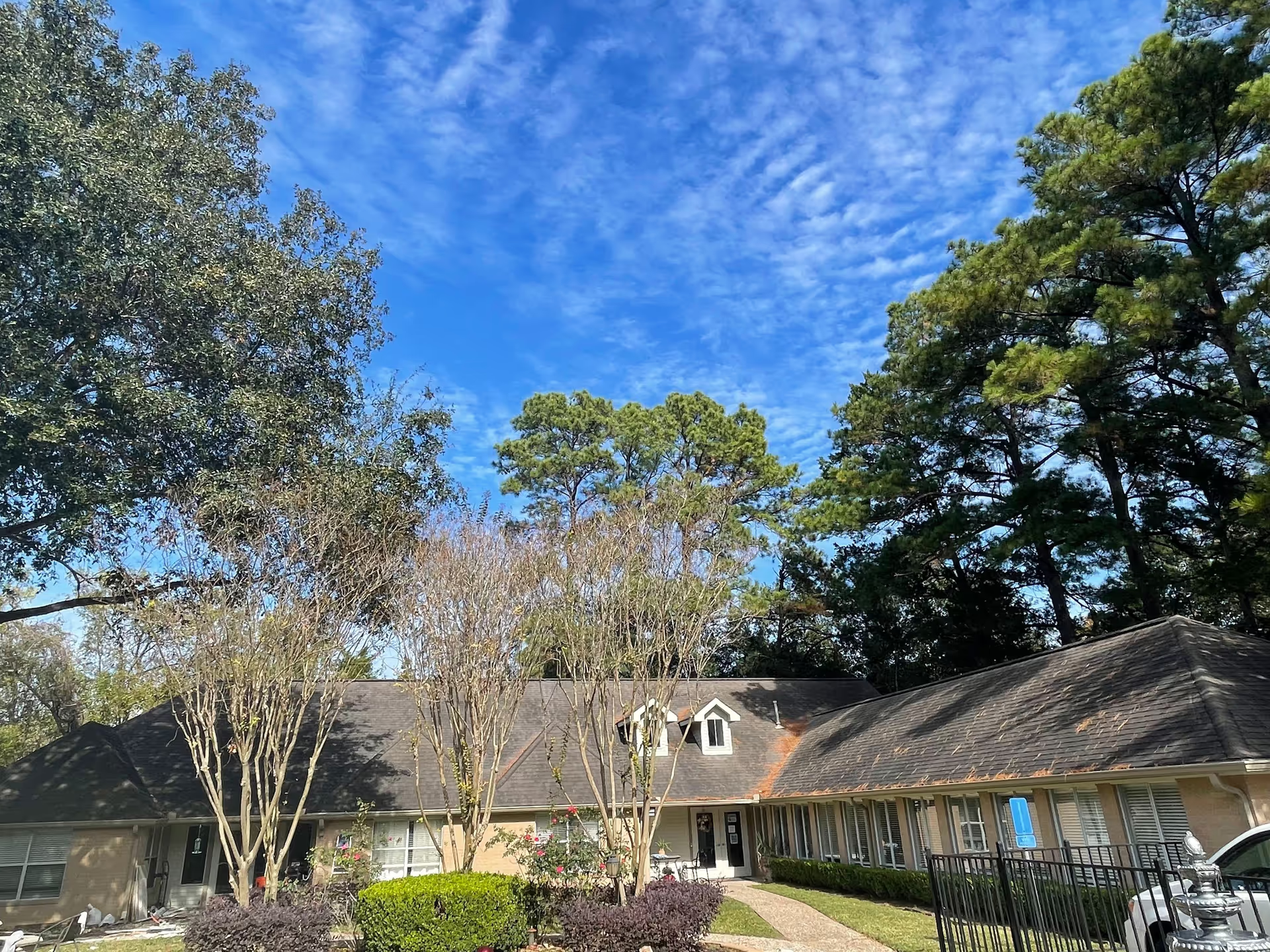
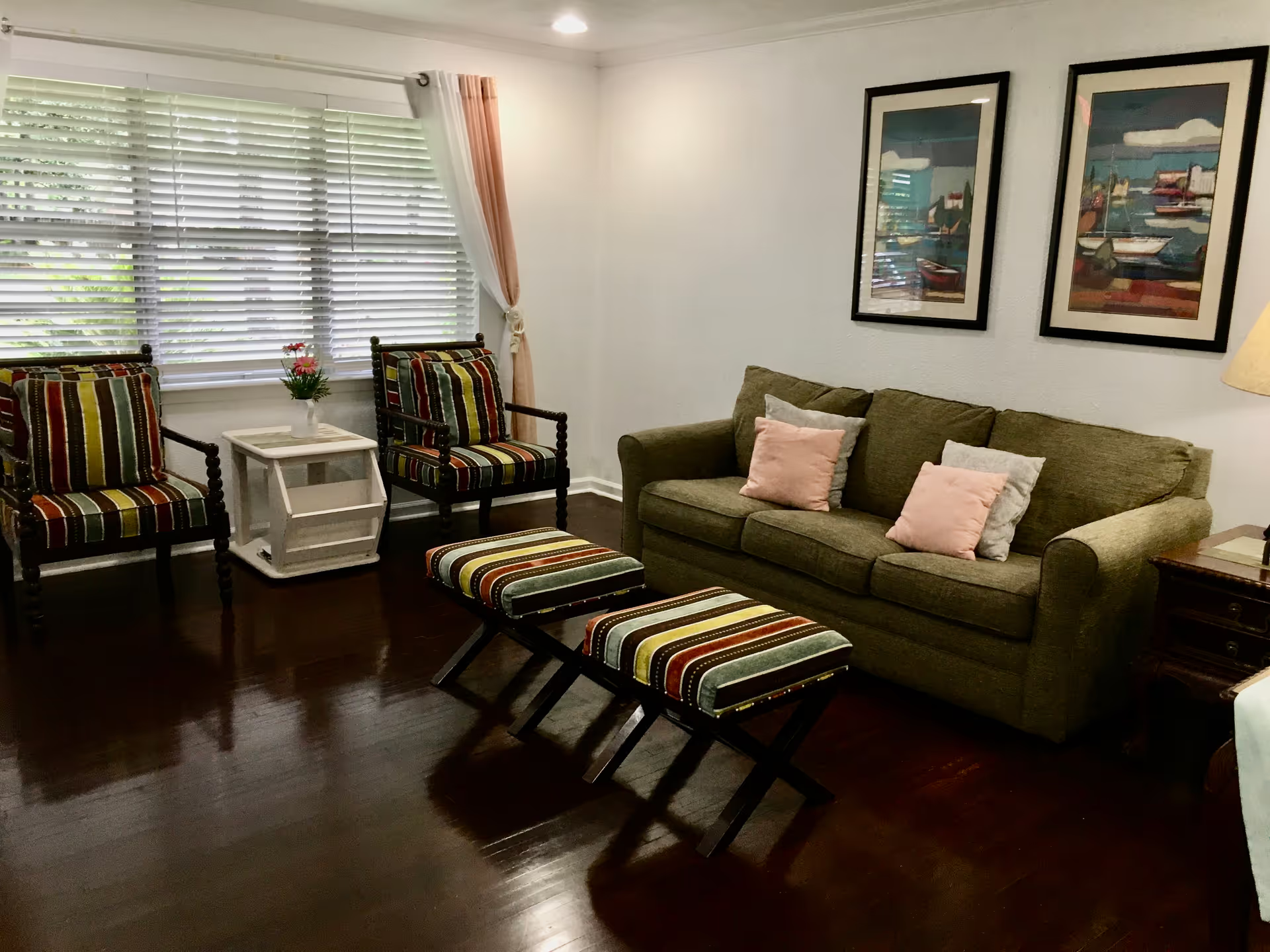
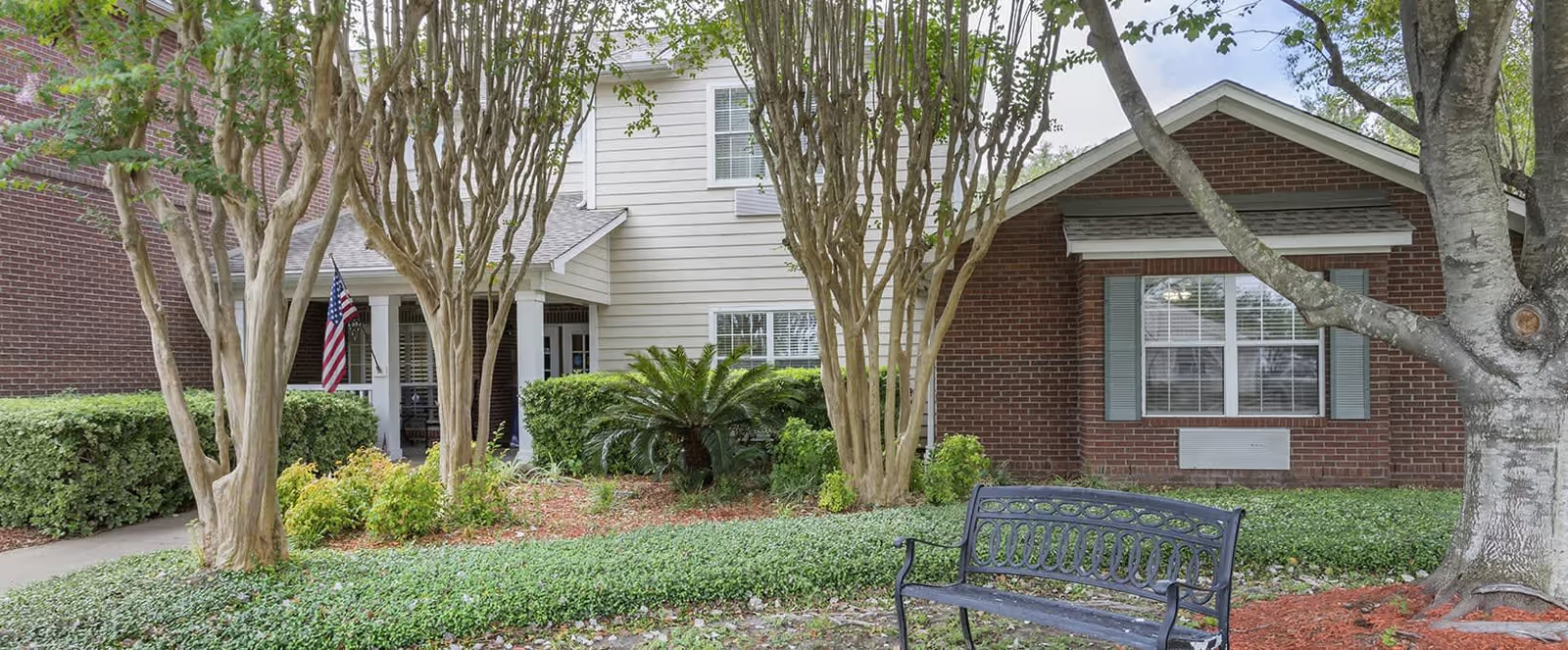
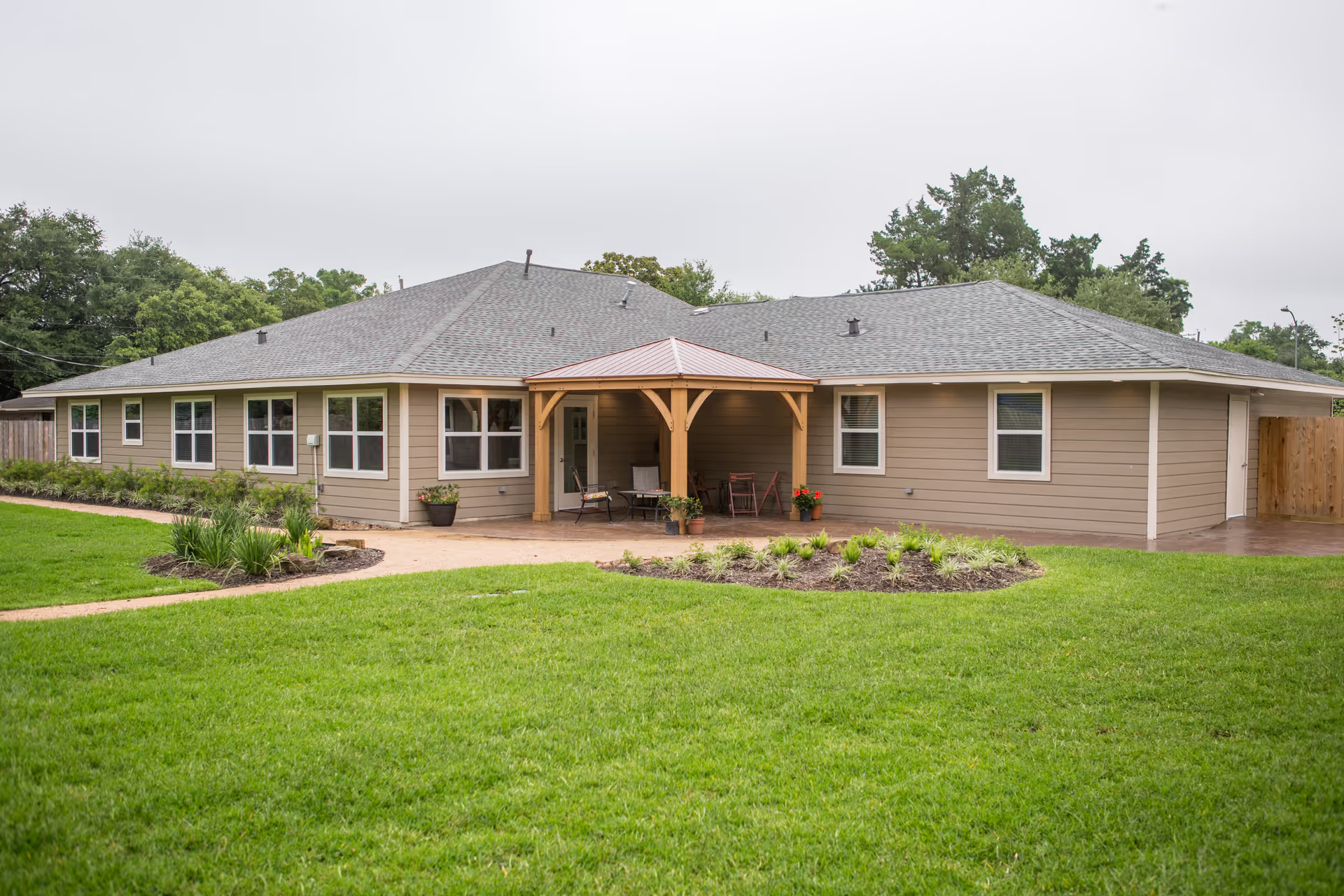
The Cottage of Spring Branch is described across reviews as a mission-driven, long-established licensed residential care home with a strong focus on dementia care and personalized attention. Many reviewers emphasize a family-like culture: hands-on ownership and leadership, an attentive caregiving team, and care plans that highlight resident strengths and dignity. The community is frequently characterized as homey and renovated, with landscaped outdoor areas, included linens and bedding, and programming that aims to match activities to resident acuity. Several accounts note 24/7 support and assistance for medical appointments, which contributes to an overall high level of family satisfaction.
Care quality and staffing are prominent strengths in the reviews. The facility is consistently praised for compassionate day-to-day caregiving, individualized care plans, engaging memory-support activities (including music-based reminiscence), and healthful, well-prepared meals with scheduled snacks. Leadership changes and new ownership receive positive mention; reviewers attribute improvements in hiring practices, screening, and day-to-day oversight to this management focus. At the same time, reviews indicate operational variability: staffing levels can fluctuate, and there are occasional delays in delivering timely personal-care assistance. There are also comments pointing to gaps in staff-conduct oversight that merit attention.
Dining and activities are highlighted as strong points. Meals are described as nutritious and enjoyable, and the community offers structured activities with separation by acuity so residents can participate at an appropriate level. Families frequently report that residents are engaged and comfortable sharing family time in the setting. The overall programmatic approach appears intentionally dementia-friendly, with personalized reminiscence and social opportunities.
Facility and operational notes are mixed. The physical environment is generally described as clean, renovated, and attractive, with positive outdoor spaces; nonetheless, a few reviews point to maintenance needs in some bathrooms and the reality that shared rooms can be small or crowded. One review included an allegation of pest presence and other serious staff-conduct concerns; while this is outlying compared with the broader positive commentary, it is significant enough to warrant direct inquiry. Other operational issues raised include inconsistent admissions/tour experiences, door-alarm policies that reflect a tradeoff between safety and accessibility, and variability in clinical/medication-management practices during management transitions.
Recommendation: a prospective resident or family should consider an on-site visit to observe staffing levels during different shifts, inspect private and shared rooms and bathrooms, and ask management about pest-control protocols, staff screening and substance-use oversight, medication-management policies, and wandering-security procedures. Confirm the facility’s approach to personal-care timeliness and how the home addresses maintenance backlogs. Overall, the Cottage of Spring Branch presents as a mission-driven, dementia-capable community with many strengths in caregiving and programming, balanced by operational areas that deserve specific questions during a tour.