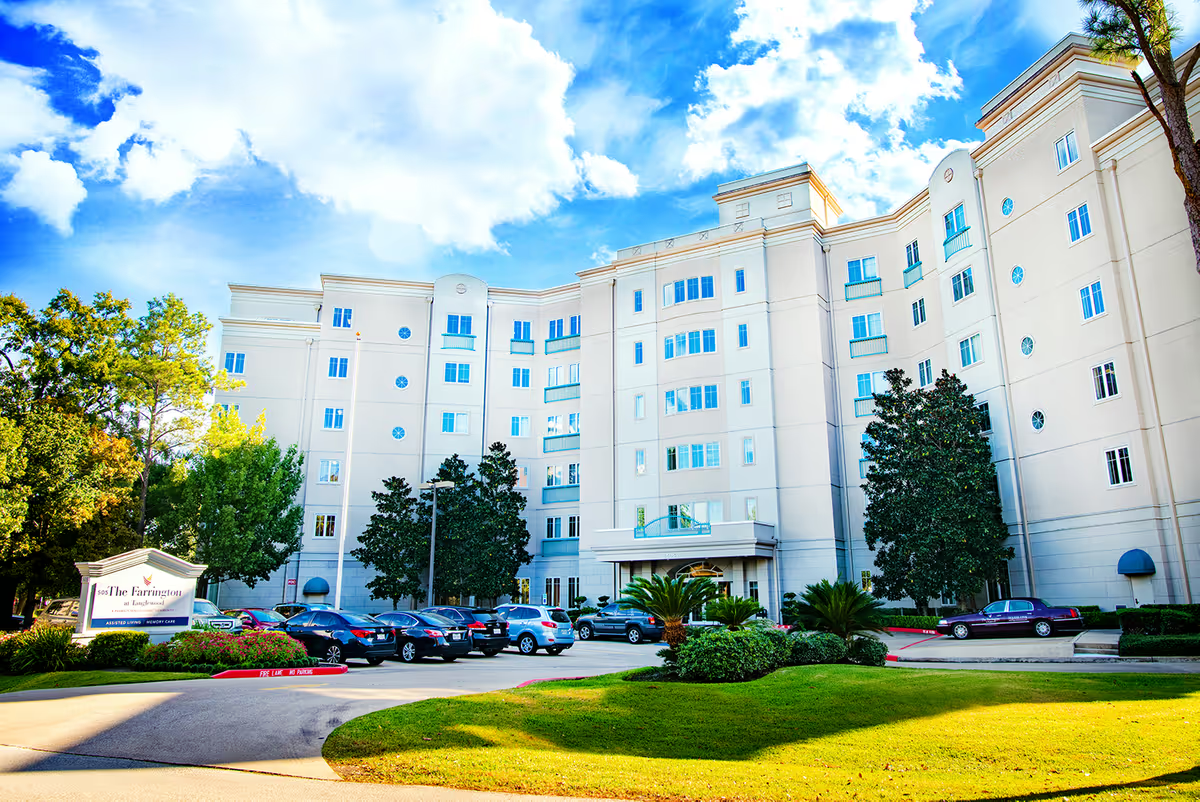
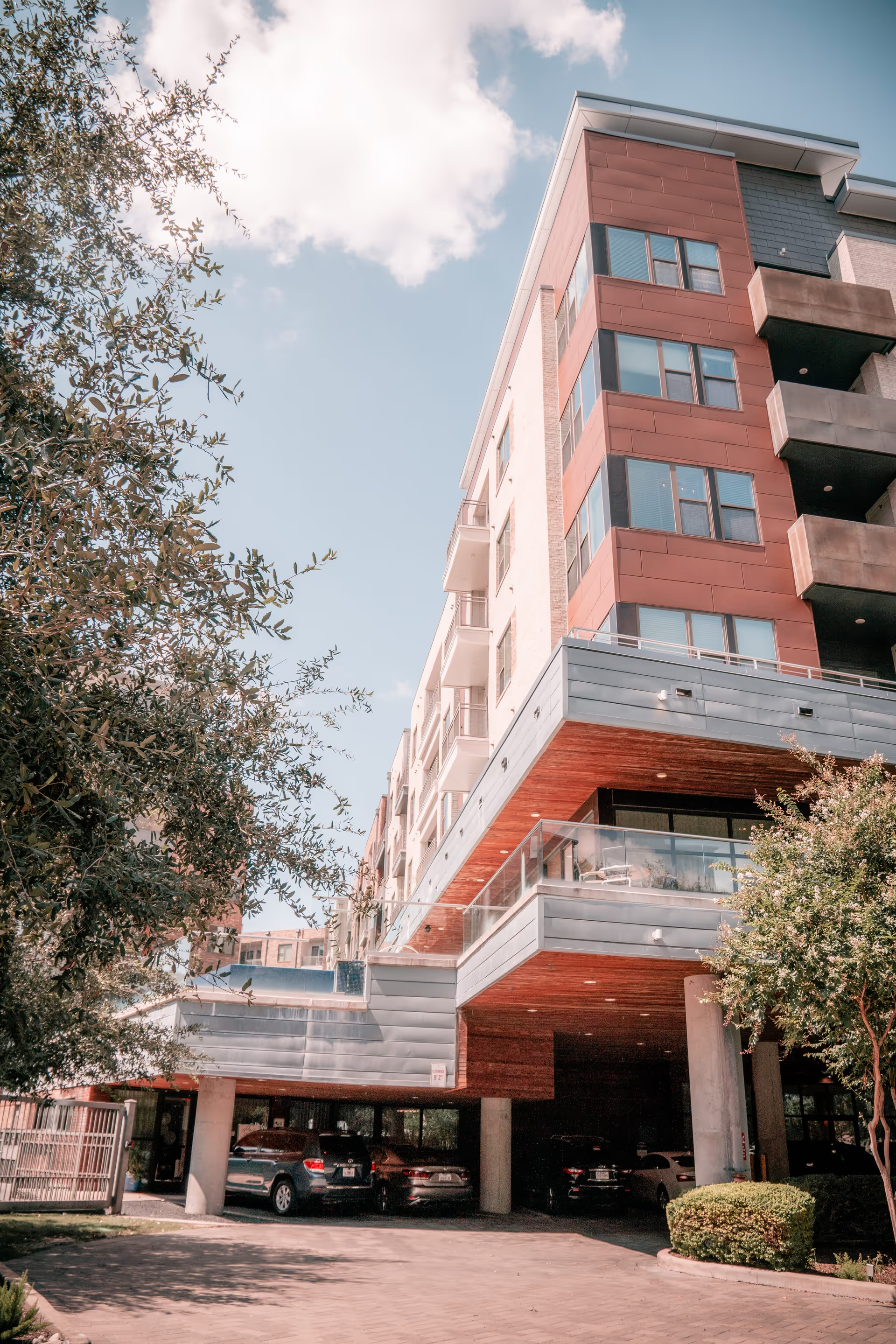
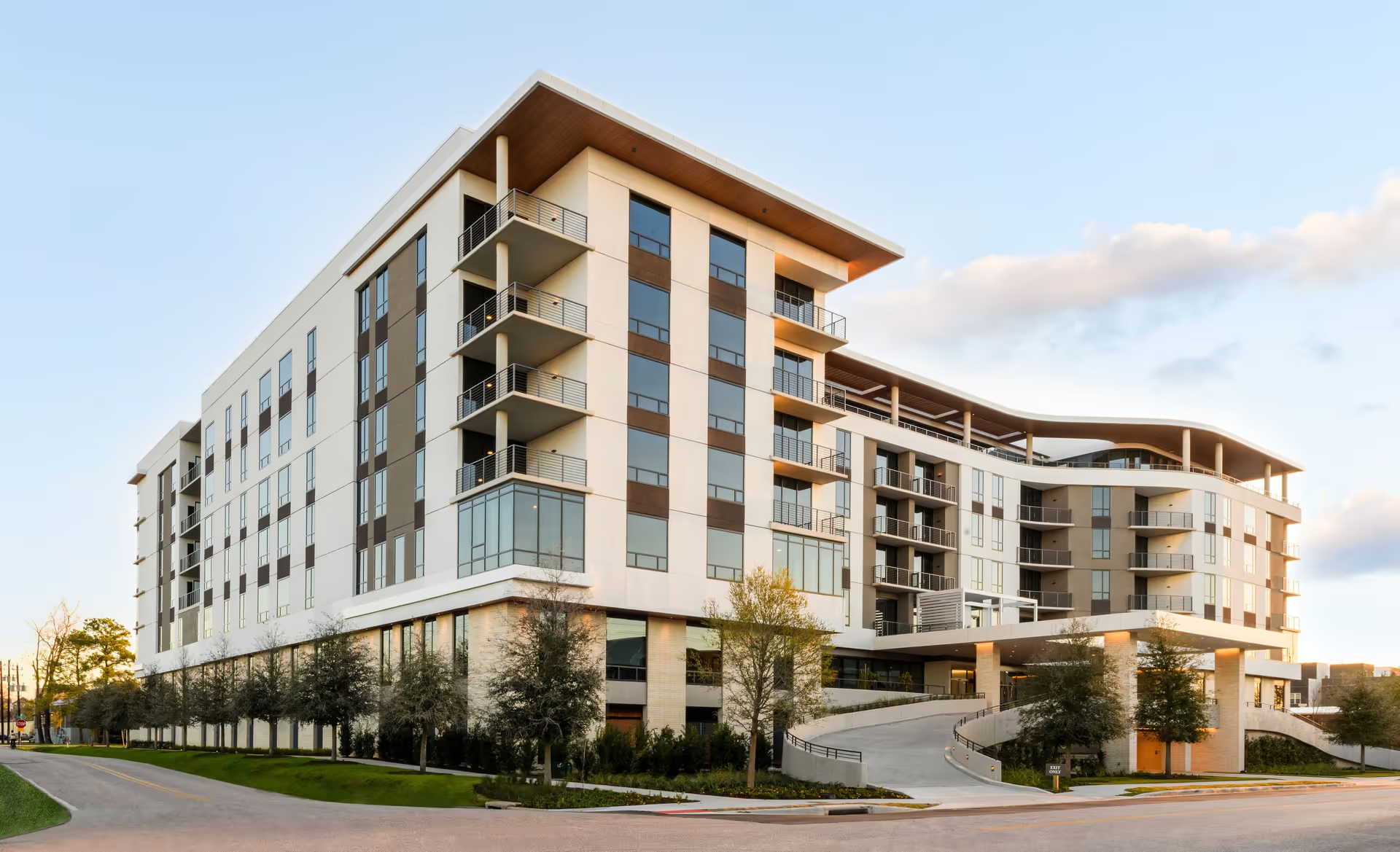
The Forum at Memorial Woods elicits a strongly mixed but discernible pattern: many reviews describe a welcoming, hotel-like environment with engaged leadership and a service orientation, while a separate cluster of operational concerns points to variability in day-to-day execution. Strengths commonly cited include a courteous, resident-focused staff culture, long-tenured leaders and named staff who families praise for going above and beyond, and a broad amenity set—chef-led, restaurant-style dining; indoor pool and fitness options; theater and art studio; valet and covered parking; and plentiful social programming. Memory-care services and on-site rehabilitation are frequently highlighted as compassionate and effective, and many families credit the community with improving quality of life and social engagement for residents.
Dining and culinary offerings are a clear strength when systems are functioning: reviewers note high-quality presentations, a varied menu, special-event meals, and an actively promoted culinary team. At the same time, recurring operational weaknesses affect the dining experience—delays in service, lukewarm or reheated plates, and variable food quality across venues are noted repeatedly. Staffing levels and scheduling pressures are an underlying theme: when staffing is adequate, service and responsiveness are praised; when staffing is thin, families describe slow response to call buttons, long waits for assistance, and service gaps in dining and personal care.
Clinical, maintenance, and administrative areas show mixed performance. Positive accounts describe attentive nursing supervisors, prompt medical evaluations, and effective therapy programs. Conversely, multiple reviews raise concerns about medication-management inconsistencies, uneven skilled-nursing quality, and occasional delays in therapist availability. Facilities maintenance is described as prompt in some accounts but inconsistent in others; specific operational patterns include moisture-control issues and delayed remediation for mold or mildew, coordination problems during construction or move-in, and sanitation or pest-control concerns in certain areas. Security and monitoring also appear uneven, with mentions of inoperative cameras and variable security personnel vigilance.
Management and communication earn both praise and criticism. Several families commend accessibility of directors, responsive leadership, and personalized transition support. At the same time, there are recurring issues with interdepartmental communication, opaque billing or sales-driven interactions, and a lack of a clear single point of contact for complex care coordination. These administrative weaknesses amplify clinical and maintenance complaints when they occur. Cost and perceived value are a frequent theme: some families feel the community’s premium pricing is justified by amenities and staff, while others question value when operational gaps affect daily care or dining.
For prospective residents and families: the Forum offers strong amenities, active programming, and compassionate caregivers in many cases—particularly in memory care and social engagement. However, variability in staffing, dining execution, maintenance (including moisture remediation), clinical coordination, security monitoring, and billing transparency are recurring operational traits to probe during a visit. Suggested topics to clarify on tour include staffing ratios and turnover, meal-service procedures and recent culinary changes, mold-remediation and moisture-control protocols, medication-administration safeguards, single-point-of-contact for care coordination, security/camera coverage, and billing/contract transparency. Observing a mealtime, asking to meet nursing and therapy staff, and reviewing recent inspection or remediation records can help families assess whether the community’s strengths will consistently meet their expectations.