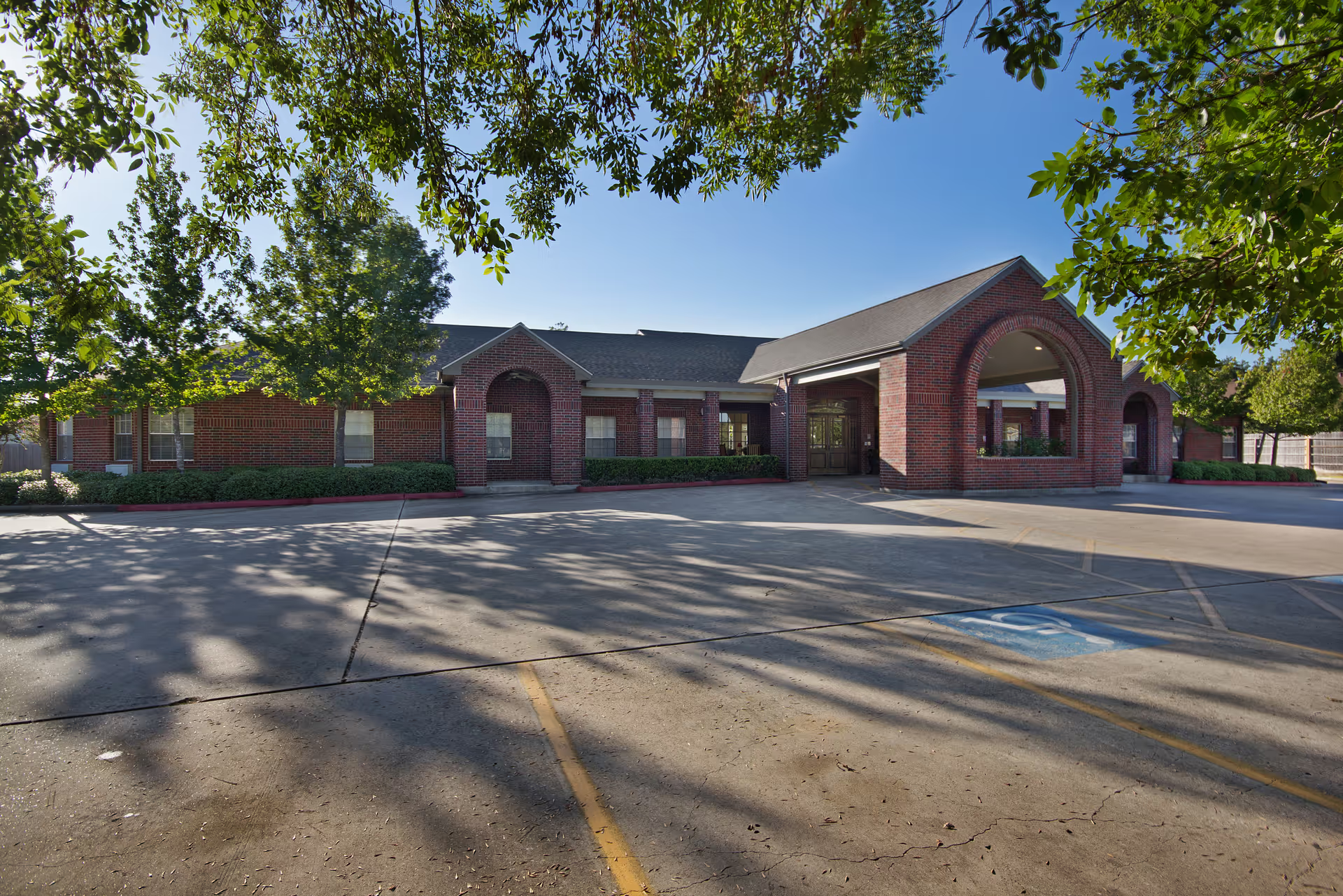
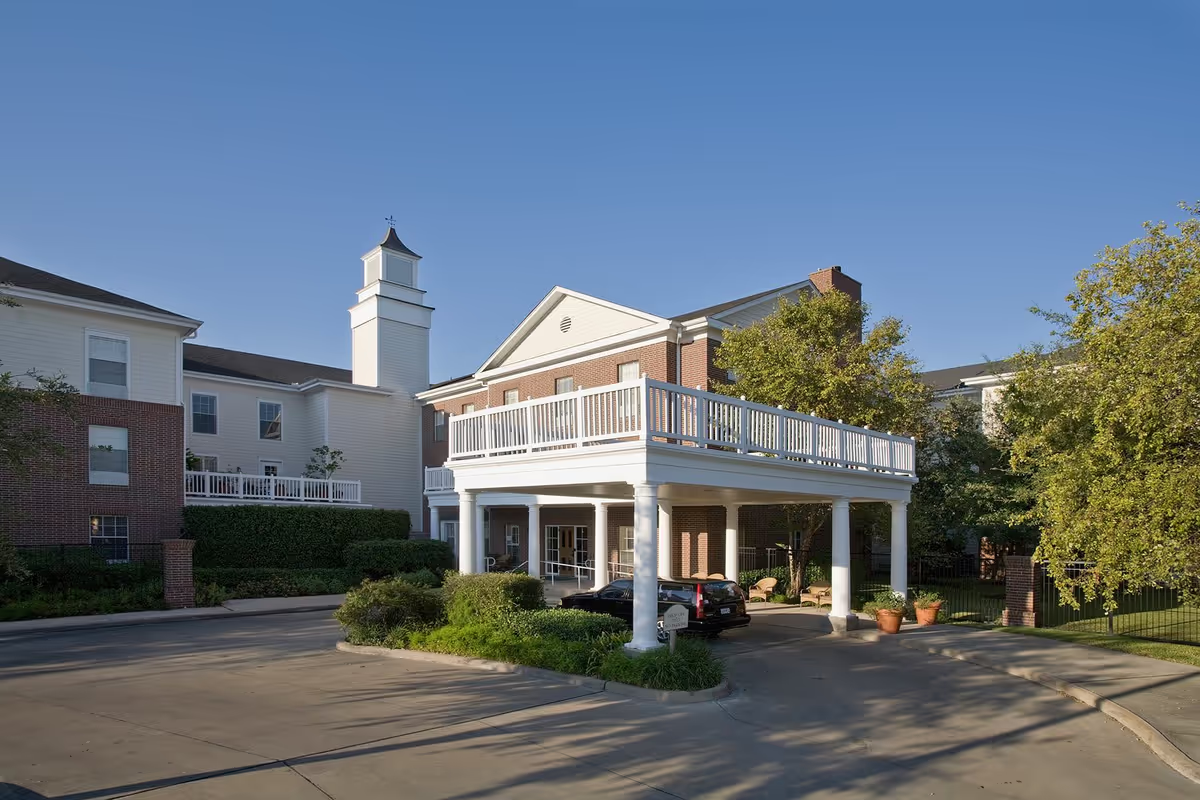
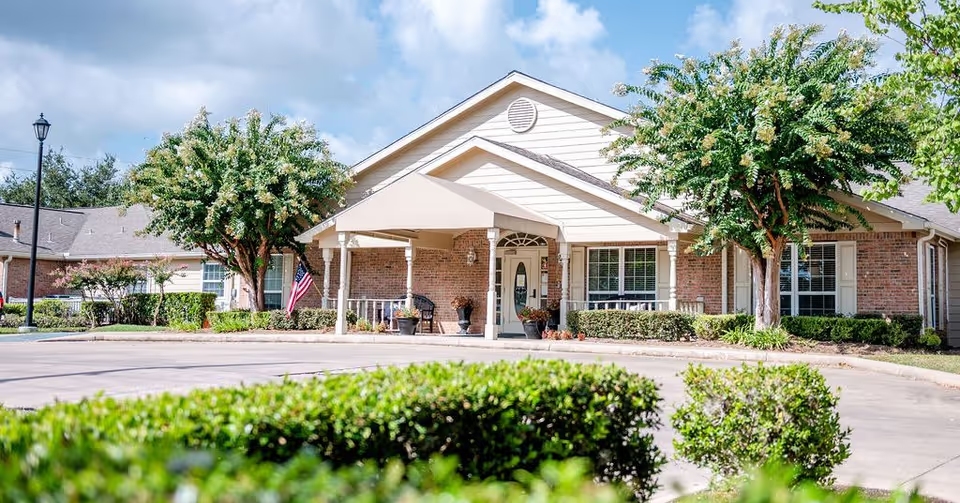
The reviews for The Heritage of Meyerland present a mixed but informative picture. Many families and visitors describe a warm, home-like environment with staff who treat residents respectfully and engage them in social and memory-care programming. The facility is frequently praised for its dedicated memory-care focus, proactive nursing leadership, regular family communication (including photo updates during COVID), private dining/gathering spaces, and well-kept grounds and common areas. Multiple accounts emphasize engaging activities, specialized dementia programming, and freshly prepared meals — factors that contribute to a strong quality-of-life impression for many residents.
Care quality and safety observations vary. Positive accounts highlight attentive nursing, timely escalation by lead nurses, and individualized attention that keeps residents clean, dressed, and active. However, there is a recurring pattern of operational concerns: inconsistent staffing levels and caregiver turnover appear to correlate with delays in medication administration, irregular personal-care routines (including missed bathing), and periods where residents may not have continuous oversight. Several reviewers describe housekeeping and laundry process failures that produced sanitation and odor concerns and issues with misplaced or lost personal items. These differences suggest variability in day-to-day care reliability depending on staffing and unit assignment.
Staff and management impressions are similarly mixed. Many reviewers single out compassionate, professional caregivers and effective executive leadership, noting clear communication, family involvement, and an atmosphere of teamwork. At the same time, other accounts point to management instability or recent leadership changes, which some families link to inconsistent oversight. There are also serious allegations from a small number of reviewers concerning staff conduct and retaliatory behavior; such allegations merit follow-up and, if verified, regulatory or administrative action.
Dining and activities are strengths for many residents. Several reviewers commend appealing meals, private event dining, and a variety of activities that include dementia-focused programs and outings. Conversely, a subset of families report repetitive menus, cafeteria-style service, or limited variety on some units. Activity programming quality likewise appears uneven: while one unit may offer robust, personalized engagement, another may rely heavily on passive options such as television.
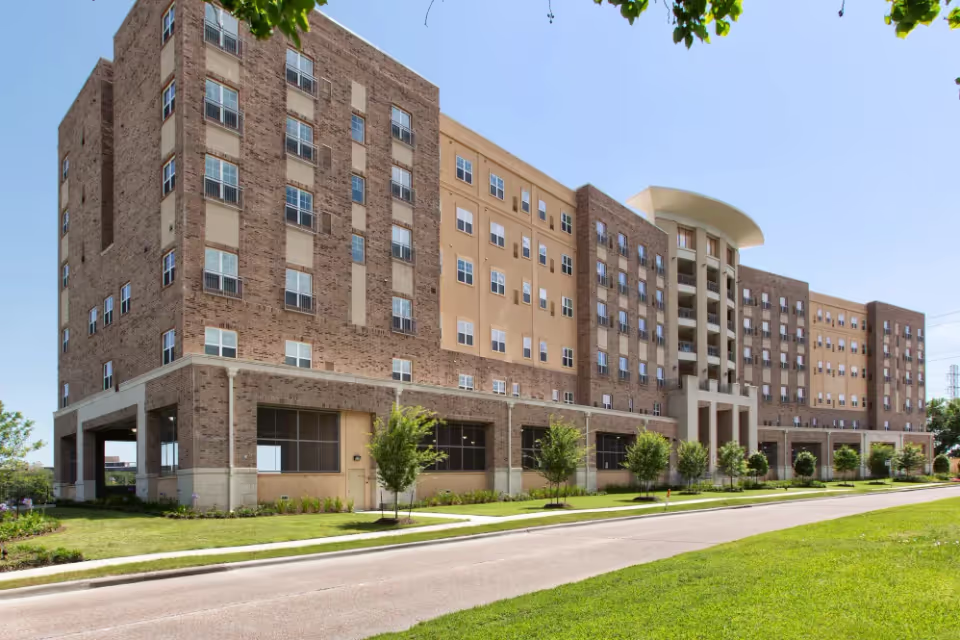
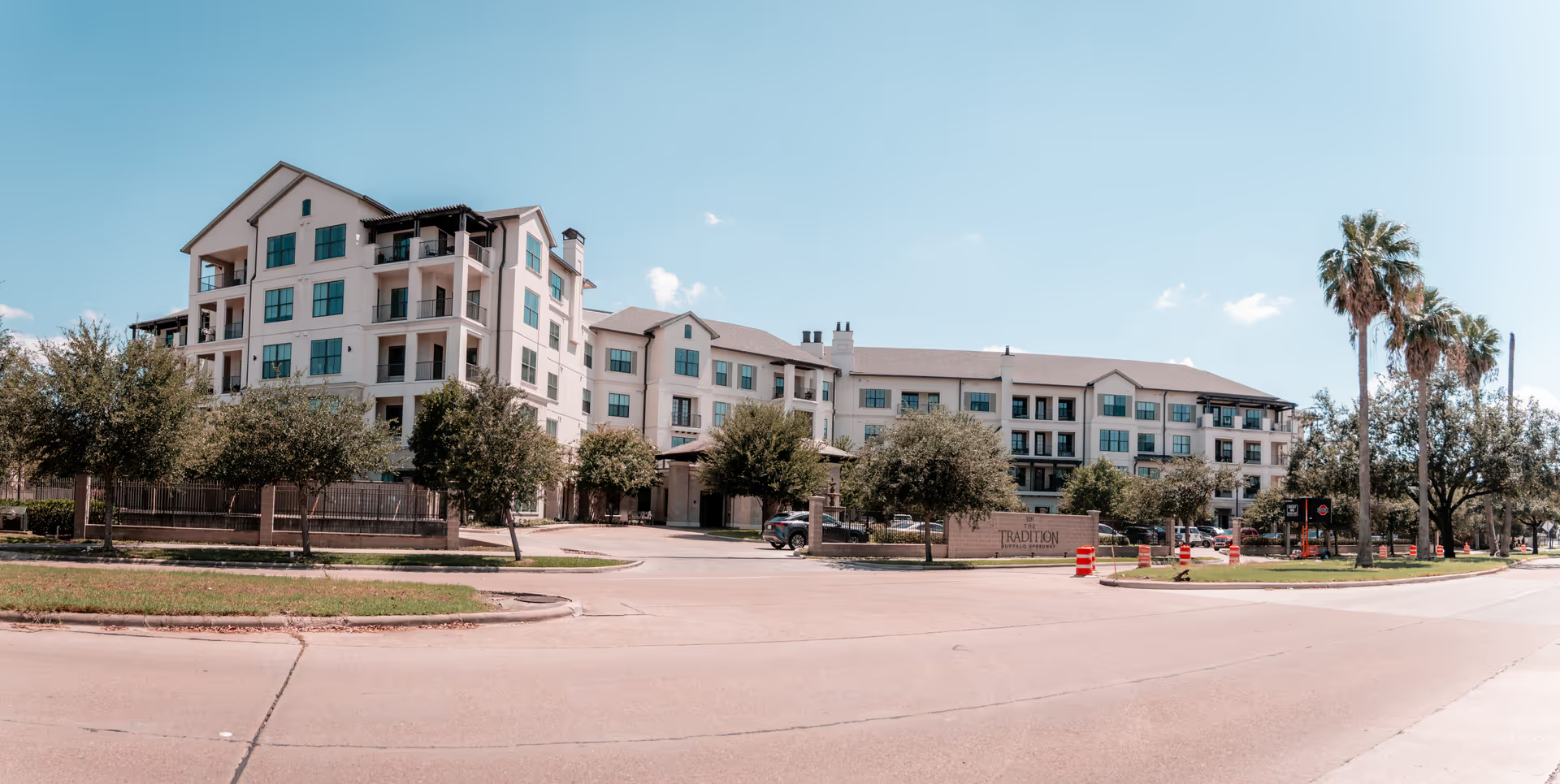
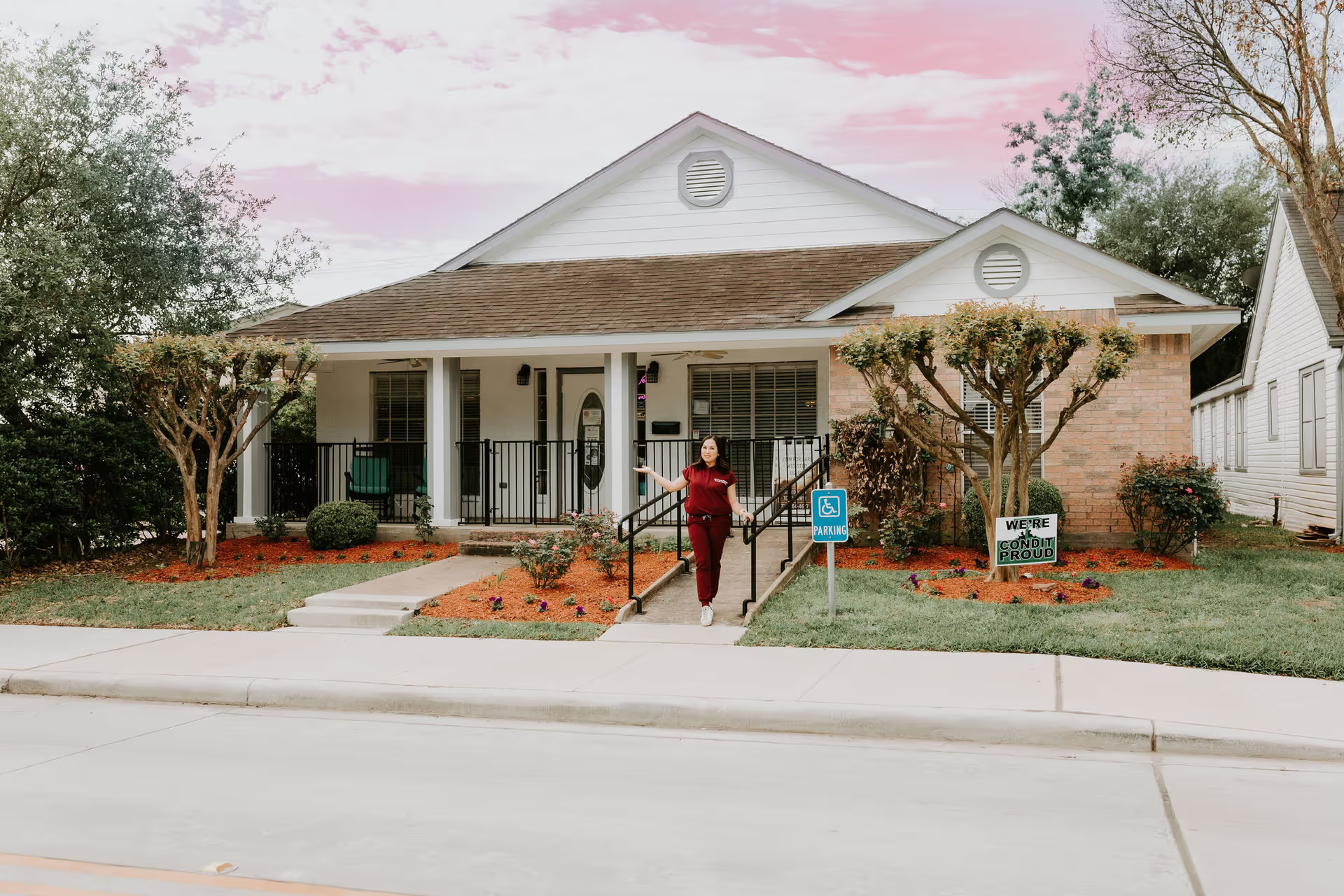
Facilities are described as modern and clean in many reports, with private rooms, pleasant outdoor patios, and thoughtful amenities. Yet housekeeping inconsistencies and laundry-management issues were cited enough to be treated as an operational pattern rather than isolated incidents. Families also expressed desire for additional safety monitoring in some rooms and clearer protocols for overnight coverage and elopement prevention.
In summary, The Heritage of Meyerland demonstrates substantive strengths in memory-care focus, individualized programming, and many compassionate front-line caregivers. Prospective residents and families should weigh those positives against recurring operational weaknesses: staffing consistency, medication-management controls, housekeeping and laundry processes, and administrative communication. Visiting in person, asking for unit-specific staffing ratios, reviewing medication and incident protocols, and clarifying billing and grievance procedures will help families assess whether this location meets their expectations and risk tolerances.