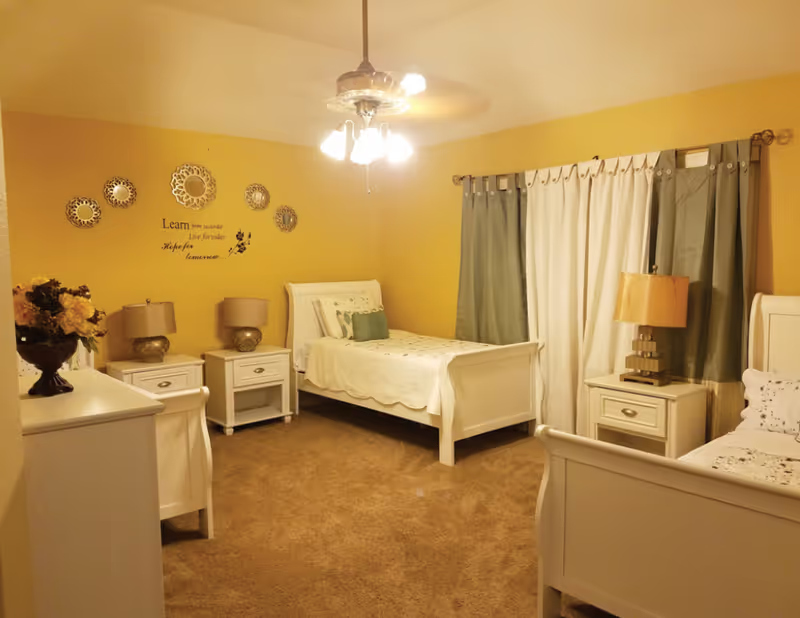
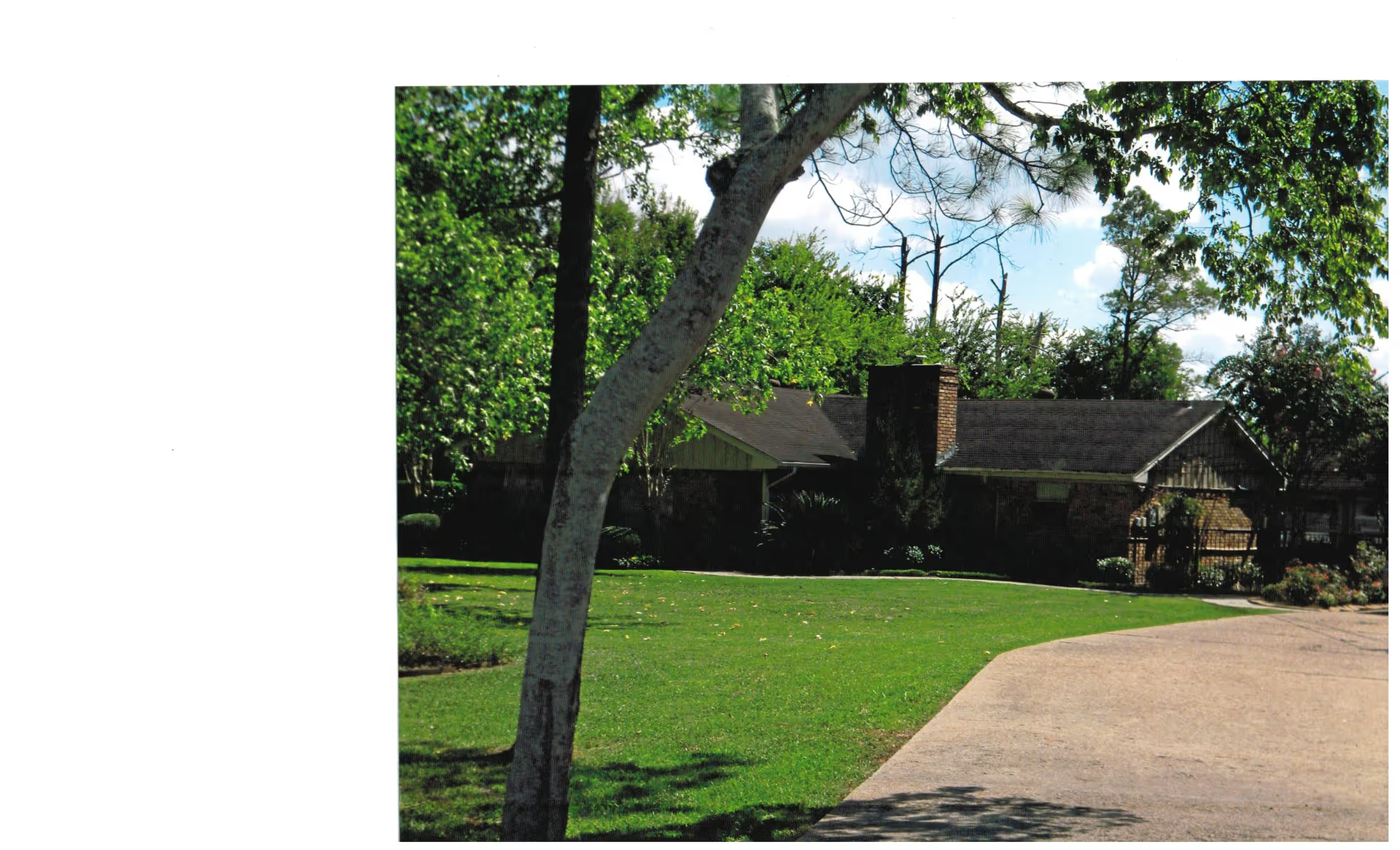
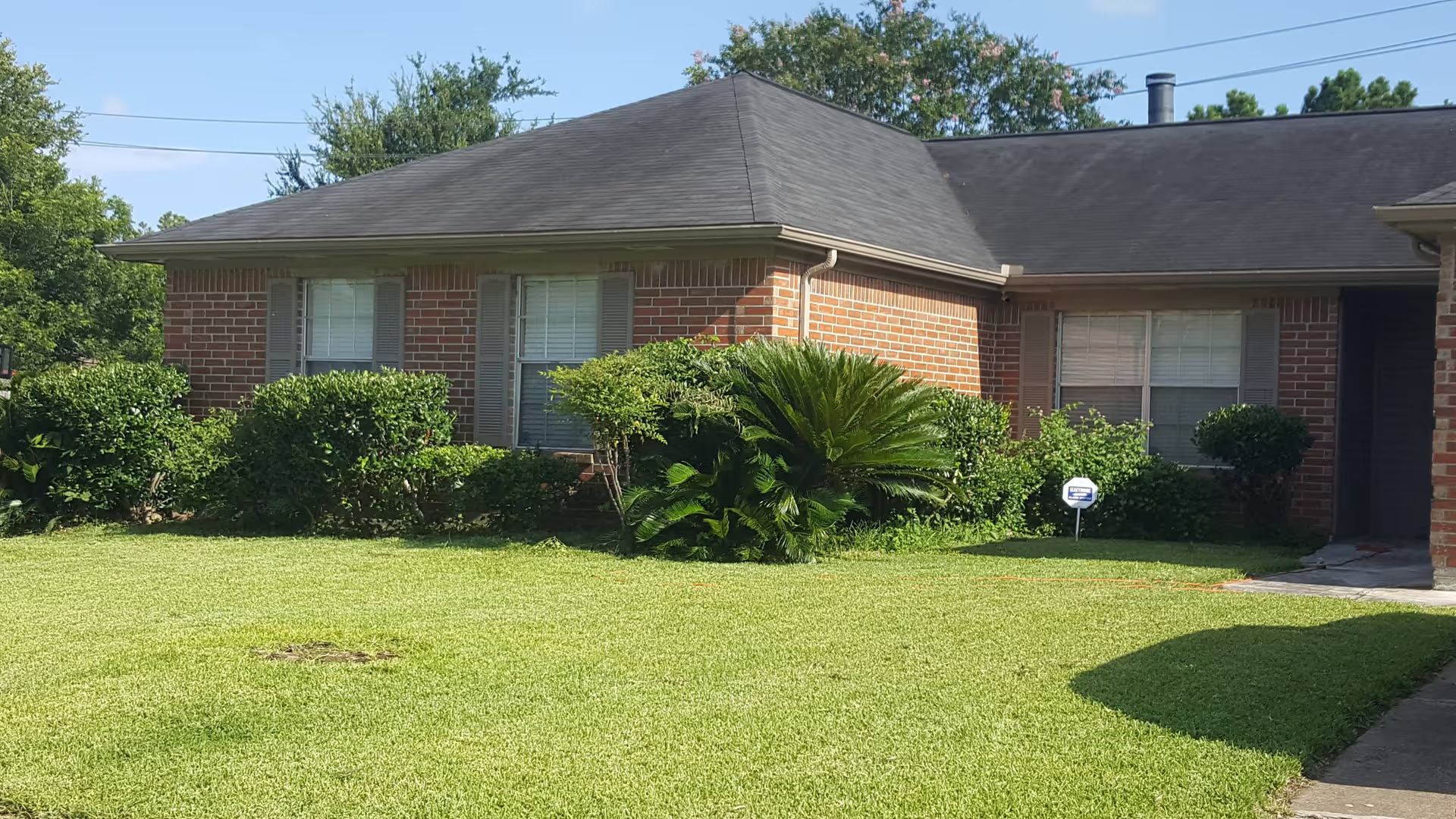
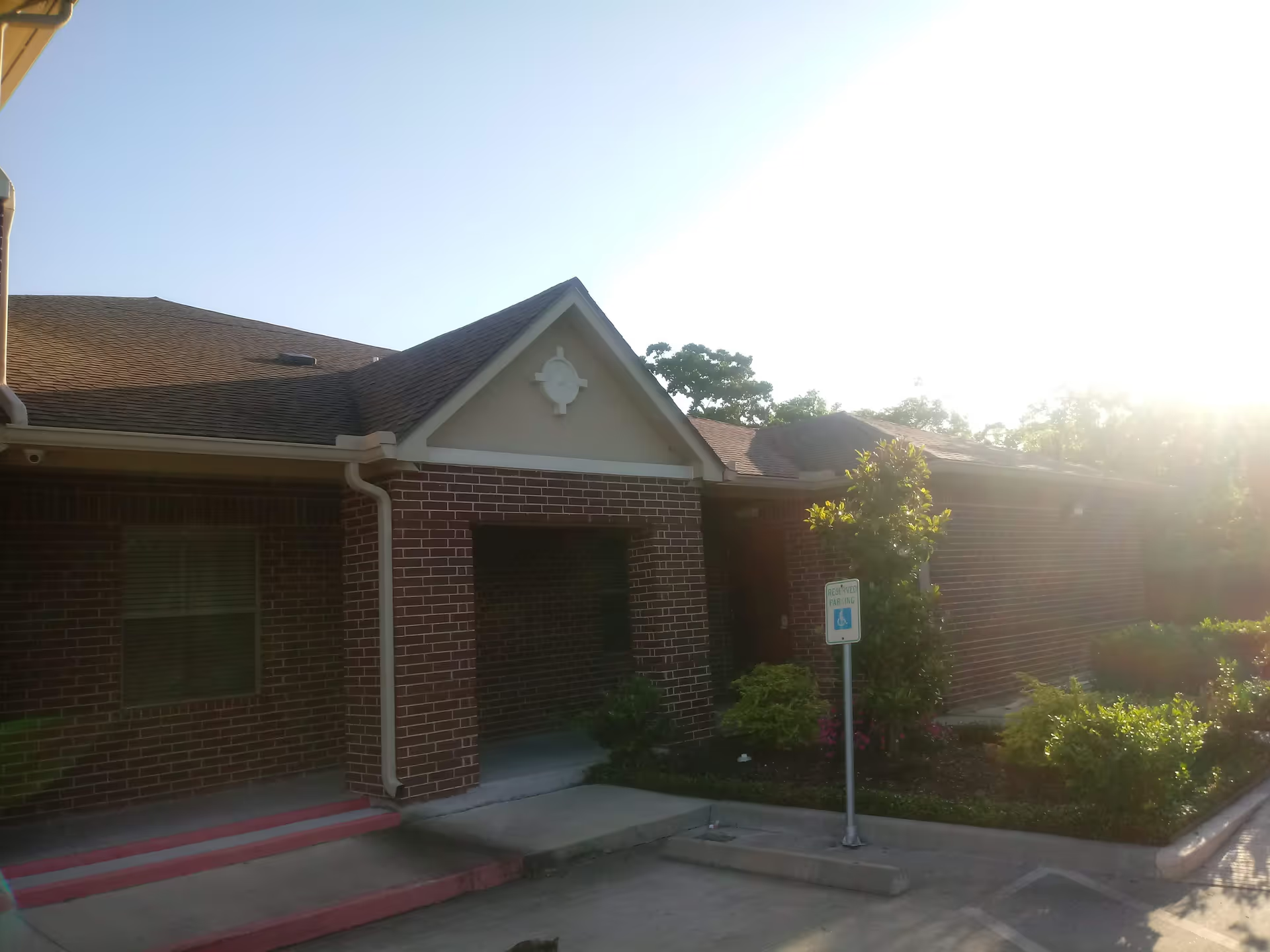
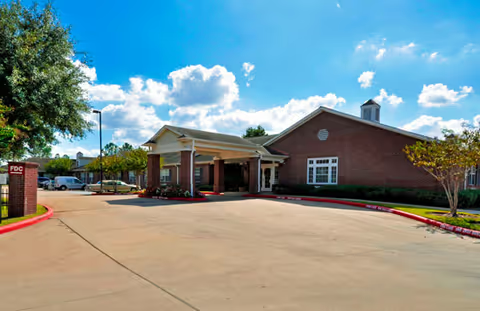
Ultimate Personal Care appears to operate as a very small, home-style residential facility (licensed capacity up to seven, commonly housing fewer residents). That scale supports private rooms, close familiarity between staff and residents, and a consistent caregiving roster. Several comments emphasize courteous, professional interactions from day-to-day staff and a degree of individualized attention that can accompany a small setting.
Clinical care is described as being provided primarily by an on-site nurse. The presence of nursing coverage is a strength in terms of access to clinical oversight; however, reviewer impressions of nursing performance vary, and there is a pattern suggesting the facility may rely heavily on that single clinician for a broad range of care tasks. Families considering the home should clarify staffing patterns, nurse-to-resident ratios, backup coverage for absences, and how clinical oversight is documented.
Activity programming and resident engagement appear limited. Reviewers specifically note an absence of off-site outings and few structured group activities. The small population can restrict social variety and external programming; prospective residents and family members should ask for a written activity schedule, transportation arrangements, and examples of resident engagement to assess fit.
There is little specific information about dining quality or meal-service routines in the available summaries. Because dining is an important daily touchpoint, visitors should request menu samples, meal times, special-diet accommodation policies, and any routines for snack and hydration monitoring.
Management and administrative practices are an area of concern in the summaries. Several remarks center on perceived prioritization of financial matters and a lack of transparency around billing and owner communications. One reviewer advised keeping detailed written records of financial transactions. Families should obtain clear, written contracts, itemized billing, and receipts; ask about refund, deposit, and fee policies; and confirm who has decision-making authority for care and finances.
Notable patterns: the facility combines a small, potentially comforting environment and consistent, personable caregiving with operational risks tied to limited activity options, dependence on a single nurse, and questions about administrative transparency. For prospective residents and families, recommended due diligence includes verifying staffing schedules and backup plans, reviewing written financial and service agreements, observing care interactions, and requesting specifics about activities and dining before making a placement decision.