Reviews of Kaufman Healthcare Center describe a facility with clear strengths in direct caregiving, resident engagement and physical environment, alongside some significant operational weaknesses that prospective residents and families should assess closely.
Care and staff: Many reviewers emphasized compassionate, attentive nurses, CNAs and support staff who provide emotional support, include residents in activities, and communicate respectfully with families. Staff members and individual caregivers are frequently called out for going "above and beyond," offering bedside reassurance, and facilitating transitions. Several comments also note physician presence and responsiveness when clinical issues arise. These accounts suggest that interpersonal care and bedside attentiveness are notable strengths of the facility.
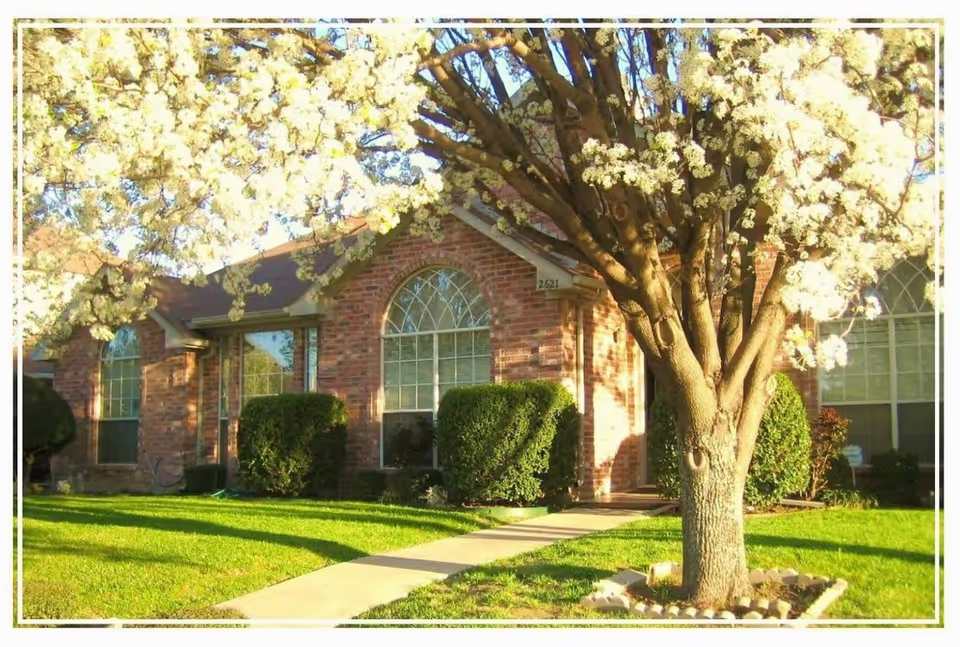
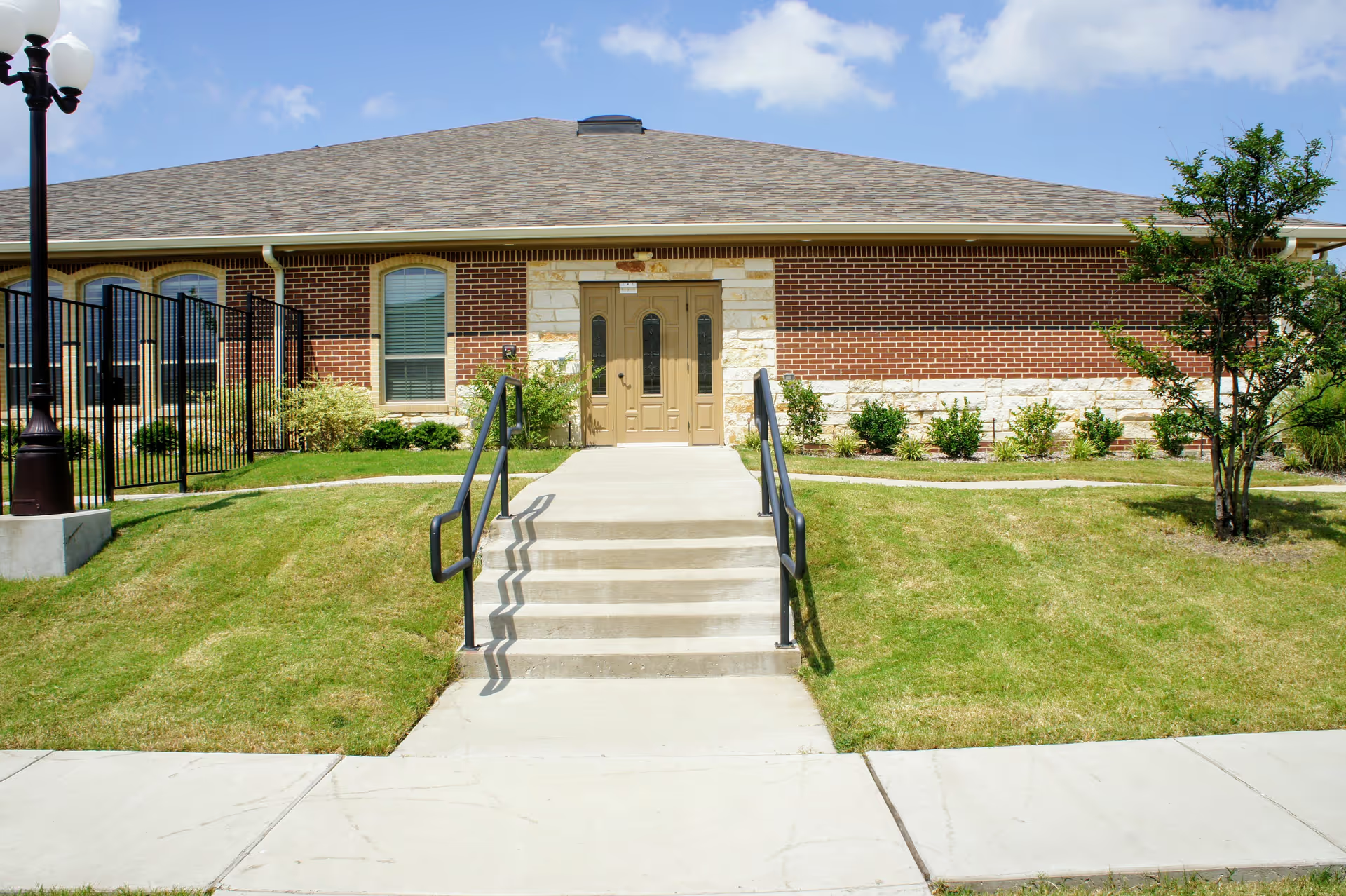
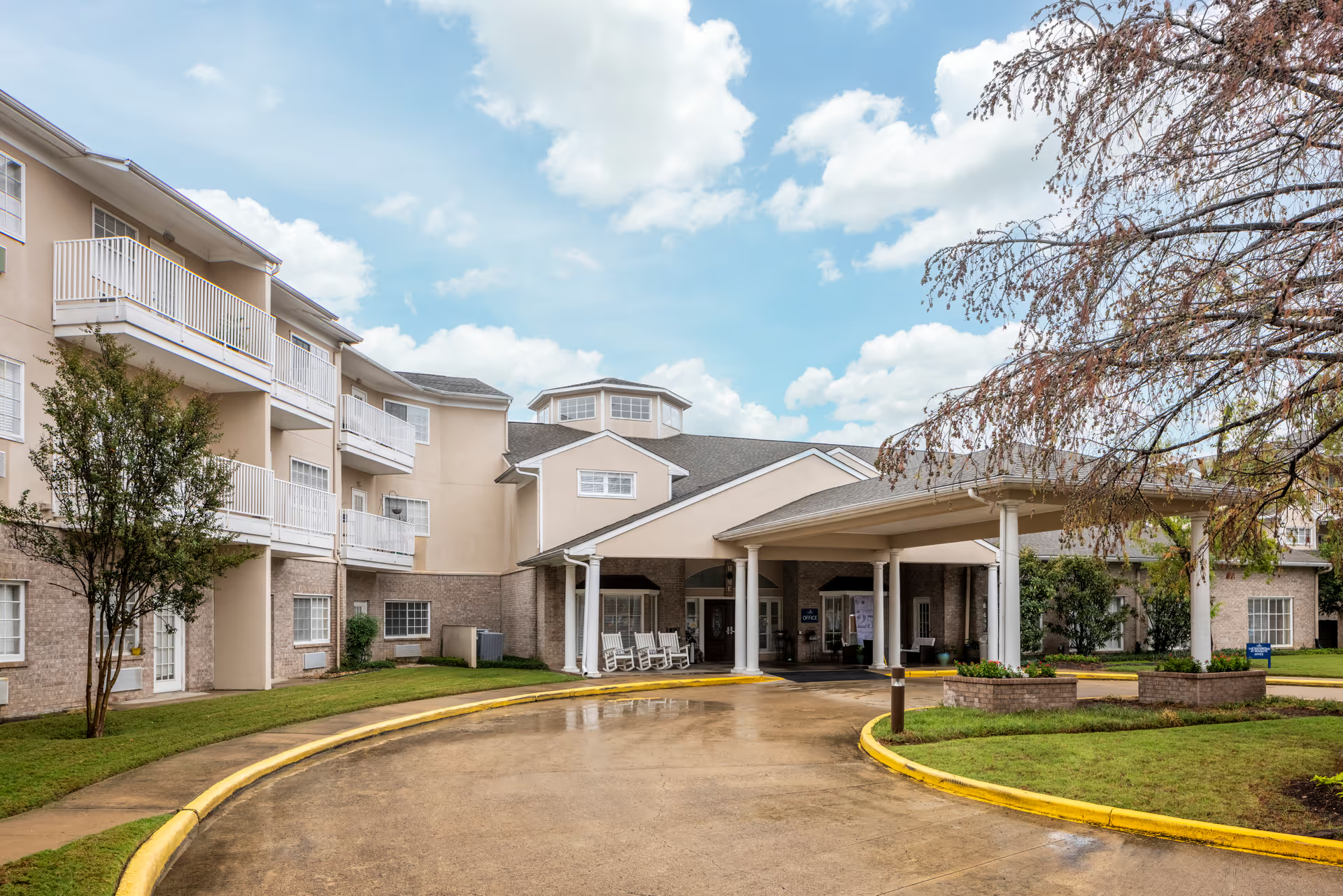
Dining, activities and facilities: Positive comments highlight a home-like atmosphere, active resident life, and recent building updates such as a new library and renovated rooms. The kitchen and meal service received favorable remarks for quality and preparation. Activities and resident inclusion were praised, with staff engaging residents in social programs and daily events. The physical environment and communal programming are therefore presented as contributors to quality of life.
Management, administration and patterns of concern: Alongside praise, reviews reveal recurring operational concerns. Communication breakdowns and care-coordination gaps — particularly between the facility and external hospitals or physicians — were described, leading to family confusion about orders and expectations. Phone responsiveness and administrative accessibility were frequently identified as inconsistent, with callers experiencing difficulty reaching staff or corporate lines. Financial-accountability issues, including unexplained charges and difficulties obtaining clear billing explanations, were also raised.
Clinical-safety and service consistency: Several reviews raise serious medication- and safety-related concerns, including problems with medication timing, documentation, and other practices; these comments justify careful inquiry into the facility's medication-administration controls and incident history. The availability of rehabilitative and therapy services also appears variable, with at least one mention of therapy not being provided as expected. Taken together, these patterns indicate inconsistency in some clinical processes and administrative oversight rather than uniform performance across all cases.
Overall assessment and guidance: Kaufman Healthcare Center demonstrates important strengths in caregiving, resident engagement, dining, and updated facilities. However, the mix of strong interpersonal care alongside operational and safety-related concerns suggests variability in performance. Prospective residents and families should verify current medication-administration protocols, ask for examples of care-coordination with hospitals and physicians, confirm phone and billing processes, review staffing levels and therapy availability, and request documentation of recent inspections or incident responses during a tour. These targeted questions can help clarify whether the facility’s strengths align with an individual’s priorities and risk tolerance.