Overall impression: Reviews for Sunflower Park Health Care are highly polarized. Many families and former residents describe a warm, home-like environment with compassionate staff, strong therapy services, and an active activities calendar. At the same time, other reviewers describe operational and clinical shortcomings that point to inconsistent performance across units and shifts.
Care quality and clinical practice: Strengths include attentive caregivers, successful rehabilitation outcomes, and specialized wound-care support. Several accounts highlight staff who went beyond basic requirements to arrange follow-up care and celebrate therapy milestones. However, recurring operational concerns include inconsistent personal-care delivery (notably bathing schedules and incontinence-care delays), variable responsiveness during night shifts, and issues with feeding adequacy and diet accommodations that have been associated with weight-loss concerns. There are also repeated comments about gaps in medication- and oxygen-notification practices and family involvement in clinical decisions; these suggest opportunities to standardize informed-consent and notification workflows.
Staff and culture: Many reviewers praise individual employees—nurses, nurse aides, therapists, and certain administrators are named as especially helpful and compassionate. Therapy, nursing, and kitchen teams receive frequent positive mention. Counterbalancing that, reviewers raise concerns about staffing levels, turnover (particularly in the business/financial office), and inconsistent staff conduct or tone; some described leaders who are responsive and others who are perceived as unsupportive. These contrasts point to variability in team stability and local leadership culture.
Dining and nutrition: The facility's dining program is often described positively: flavorful meals, special-event offerings (ice cream days, Friday fried fish), and an engaged kitchen staff. At the same time, there are recurring complaints about inadequate accommodation of special diets and feeding assistance, which have the operational effect of inconsistent nutrition for residents with specific needs.
Activities and social life: Activity programming is a clear strength. Reviewers frequently mention daily church services, music, bingo, outings, pet visits, games, and crafts. These offerings contribute to a social, engaged atmosphere and are cited as a reason families feel the facility is like a home for some residents.
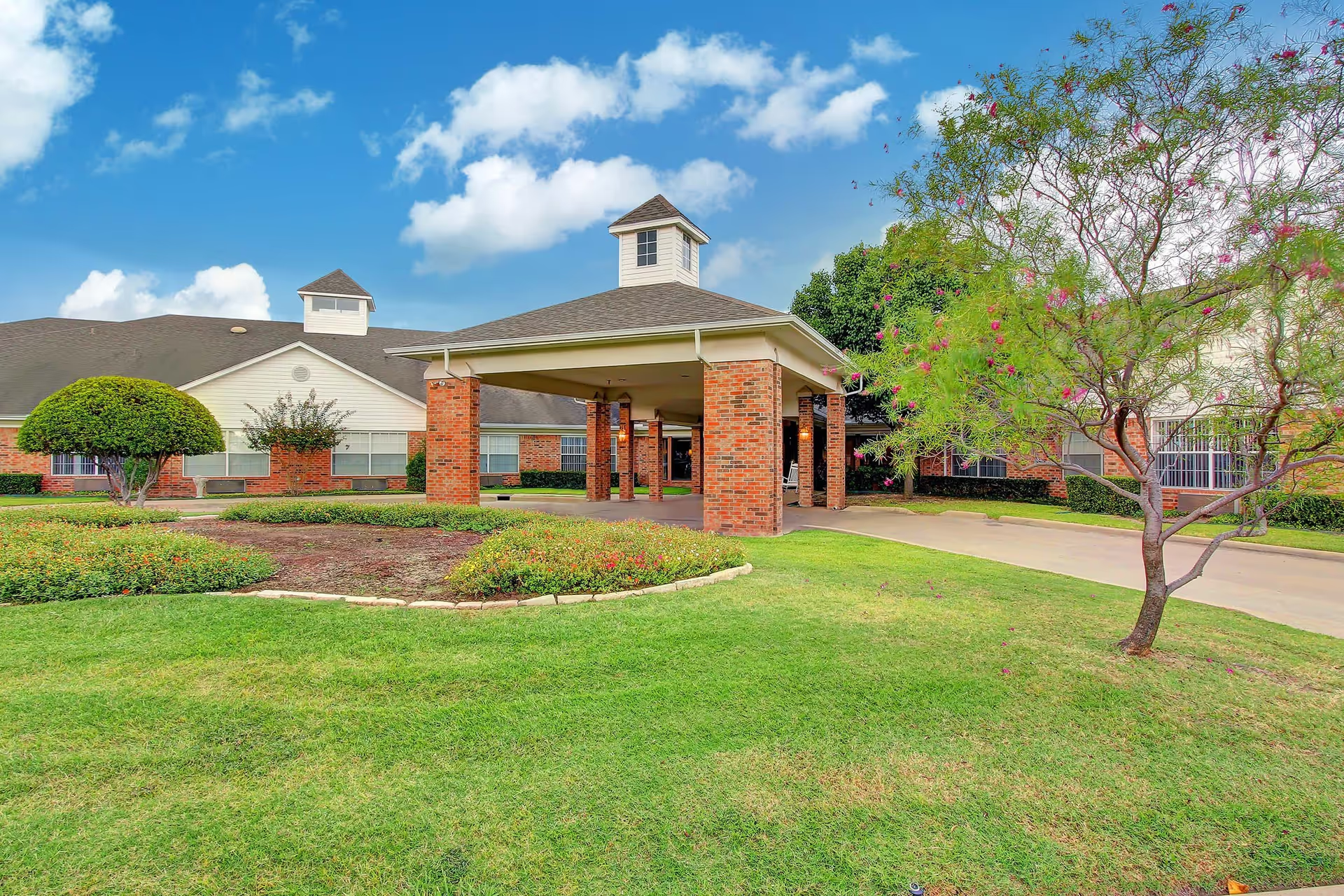
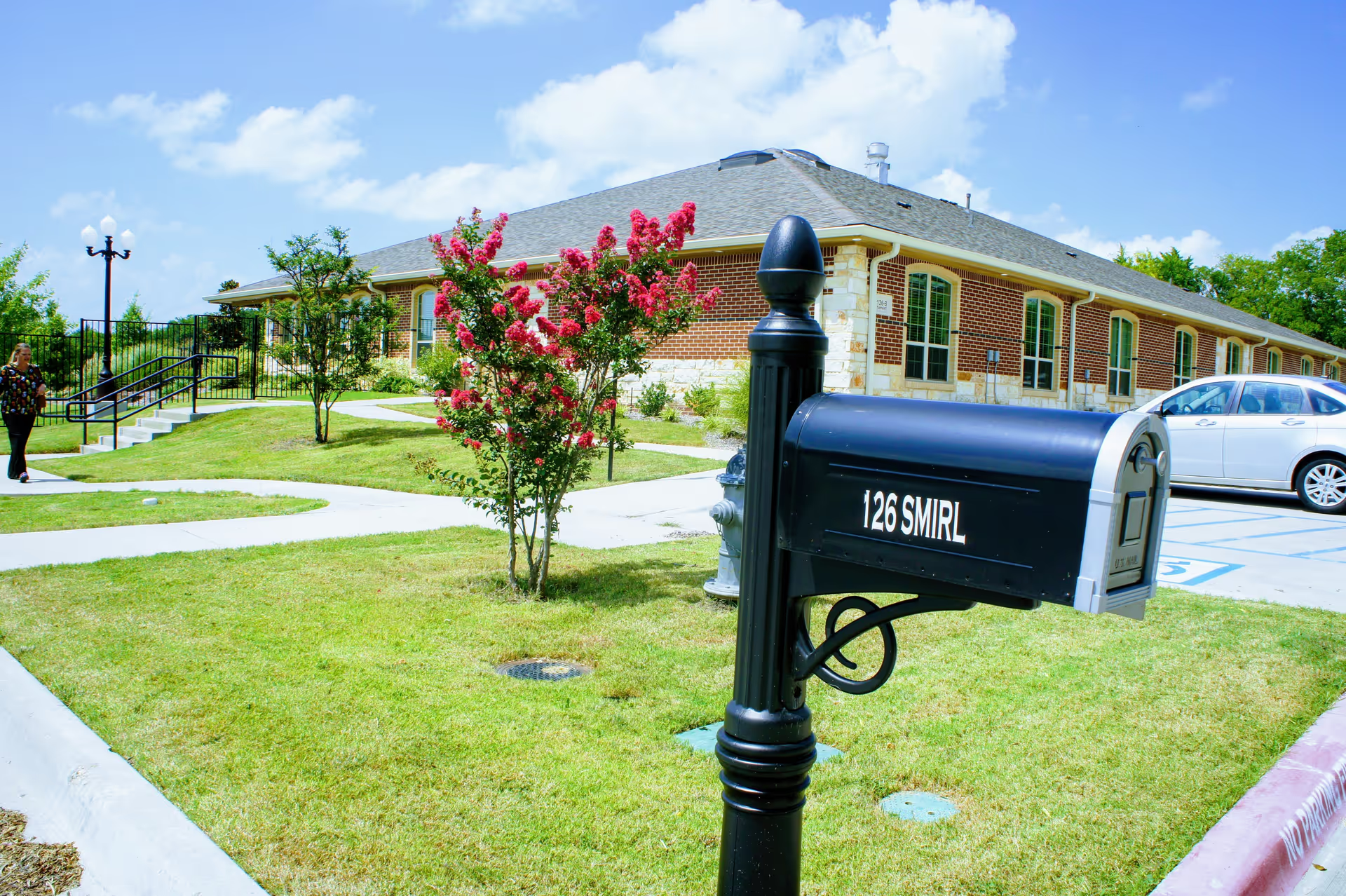
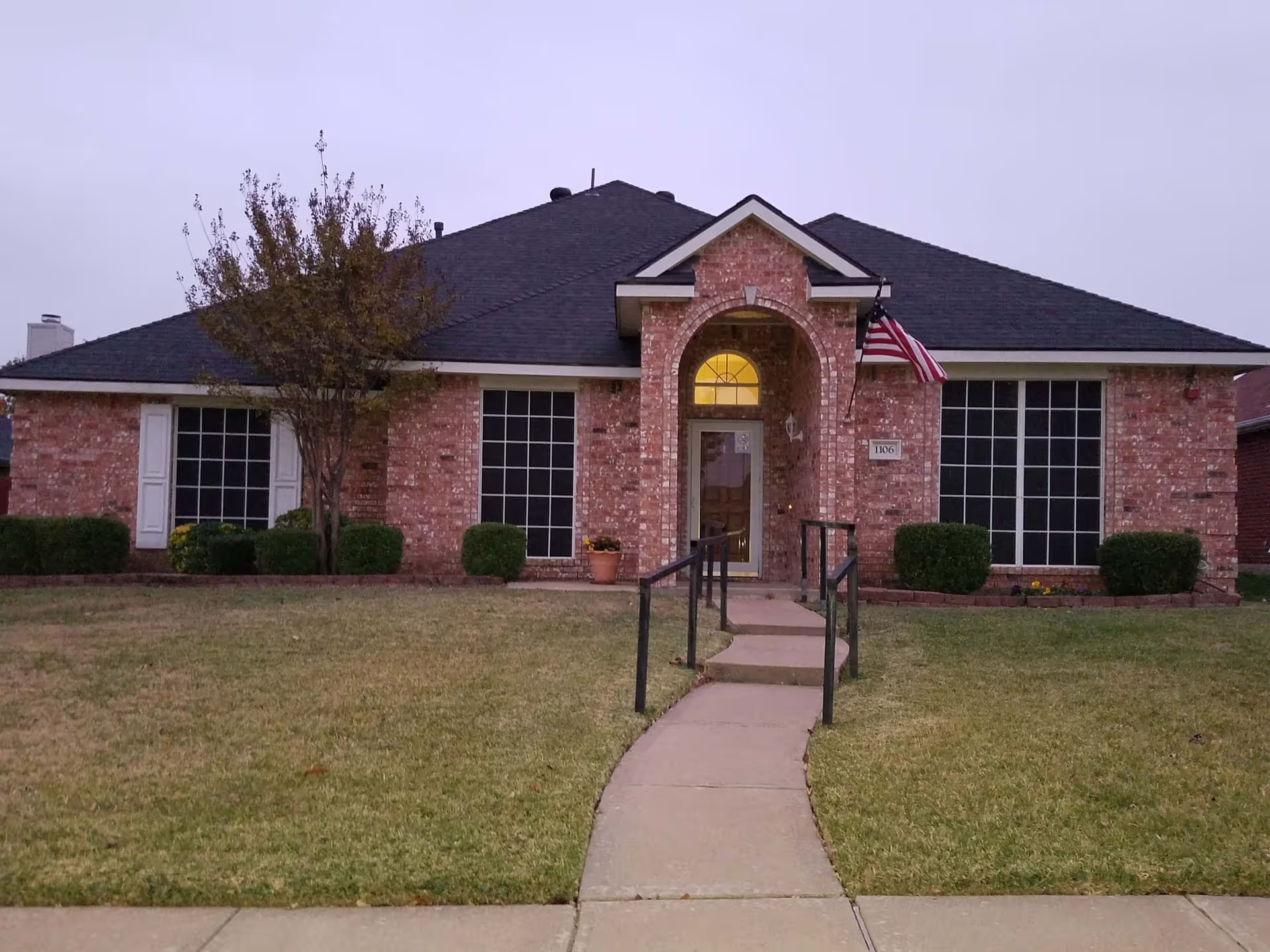
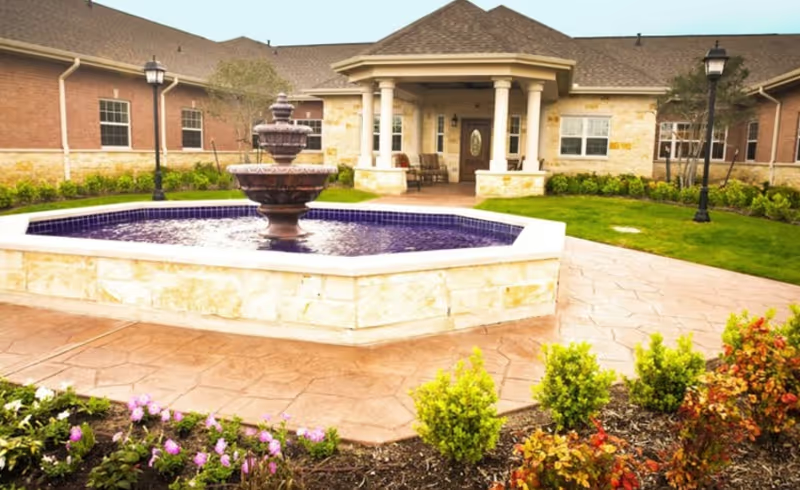
Facilities and housekeeping: Many families describe the facility as clean, smelling pleasant, and well maintained in common areas. Conversely, there are repeated notes about small resident rooms, occasional maintenance needs in private rooms, and pressure on housekeeping when staffing is limited. These comments indicate that communal spaces are generally well kept while some private rooms may vary in condition.
Management, administration, and billing: Administrative experiences are mixed. Several administrators and office staff are singled out as accessible, helpful, and knowledgeable, and some families report smooth transitions. Simultaneously, there are persistent operational concerns: frequent changes in financial-office personnel, billing errors (including Medicaid-billing issues and charges after discharge), and an unattended front desk at times. These weaknesses create financial- and access-related frustrations for families and suggest instability in business-office processes.
Notable patterns and considerations: The dominant pattern is variability—some families describe excellent, compassionate care and robust programming, while others describe significant lapses in responsiveness, hygiene scheduling, and administrative follow-through. Serious family concerns reported include inadequate notification around critical clinical events and limited flexibility at end-of-life; these are important to clarify with facility leadership. There are also recurring mentions of belongings-security issues and privacy/dignity concerns during personal care, which indicate a need for stronger asset management and personal-care protocols.
What prospective families should ask about: During a visit, consider asking about staffing levels by shift, protocols for bathing and incontinence care, policies for medication- and oxygen-notification to families, diet-accommodation procedures, how the facility secures personal belongings, billing and Medicaid handling processes, and examples of recent quality-improvement actions. Also observe private-room conditions, speak with the activities director about engagement options, and request names of current clinical leads and how the facility handles shift-to-shift continuity of care.
In summary, Sunflower Park Health Care offers evident strengths in staff compassion, therapy outcomes, dining, and activities, but reviewers also document operational variability that affects hygiene, communication, billing, and consistent delivery of care. Those polarities make it important for prospective residents and families to verify current staffing, care protocols, and administrative practices during a tour and discussion with leadership.