Overall impression: Reviews paint Pegasus Landing of Chisholm Trail as a community with a strong emphasis on person‑centered caregiving and social engagement. The staff are repeatedly described as compassionate, attentive, and willing to go beyond basic duties to support residents and families. Long tenures among caregiving employees and an open‑door leadership approach contribute to a family‑like culture that many residents and families cite as a primary strength. Memory‑care services are highlighted as a particular asset, with trained memory‑care nurses and specialized programming noted frequently.
Care quality and clinical operations: Families and residents commonly praise direct‑care staff and many clinicians for attentiveness and support during routine care and transitions. At the same time, there are documented concerns about clinical responsiveness in higher‑acuity situations and about how clinical communication is handled with families—examples include delays in emergency contact and limited availability for appointment coverage or nursing email follow‑up. These comments suggest variability in clinical processes and staffing coverage rather than consistent clinical failures; prospective families should ask about emergency protocols, nurse staffing levels, and escalation pathways during tours.
Dining and culinary services: Dining receives mixed feedback. Numerous reviewers describe meals as delicious, nutritious, and varied, including vegetarian options and recent culinary improvements under new leadership. Conversely, others note inconsistent meal quality, repetitive offerings, and dissatisfaction tied to perceived cost‑control measures. The pattern indicates the dining program is improving in places but may not be consistent across all service times or menus. Visitors should request menu samples and ask about special‑diet accommodations and dining schedules.
Activities and social life: One of the facility’s clearer strengths is its activity program. Reviews frequently mention a robust schedule—music, piano, bingo, arts and crafts, games, and outings—that supports socialization and engagement at multiple mobility and cognitive levels. Staff involvement in programming and encouragement of resident participation are recurring positive points, and the community atmosphere is often characterized as lively and welcoming.
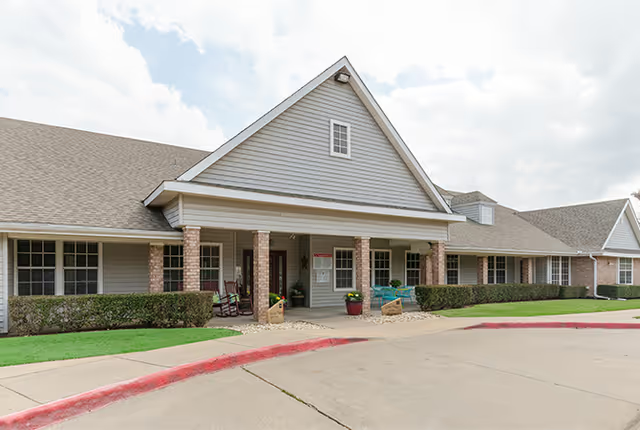
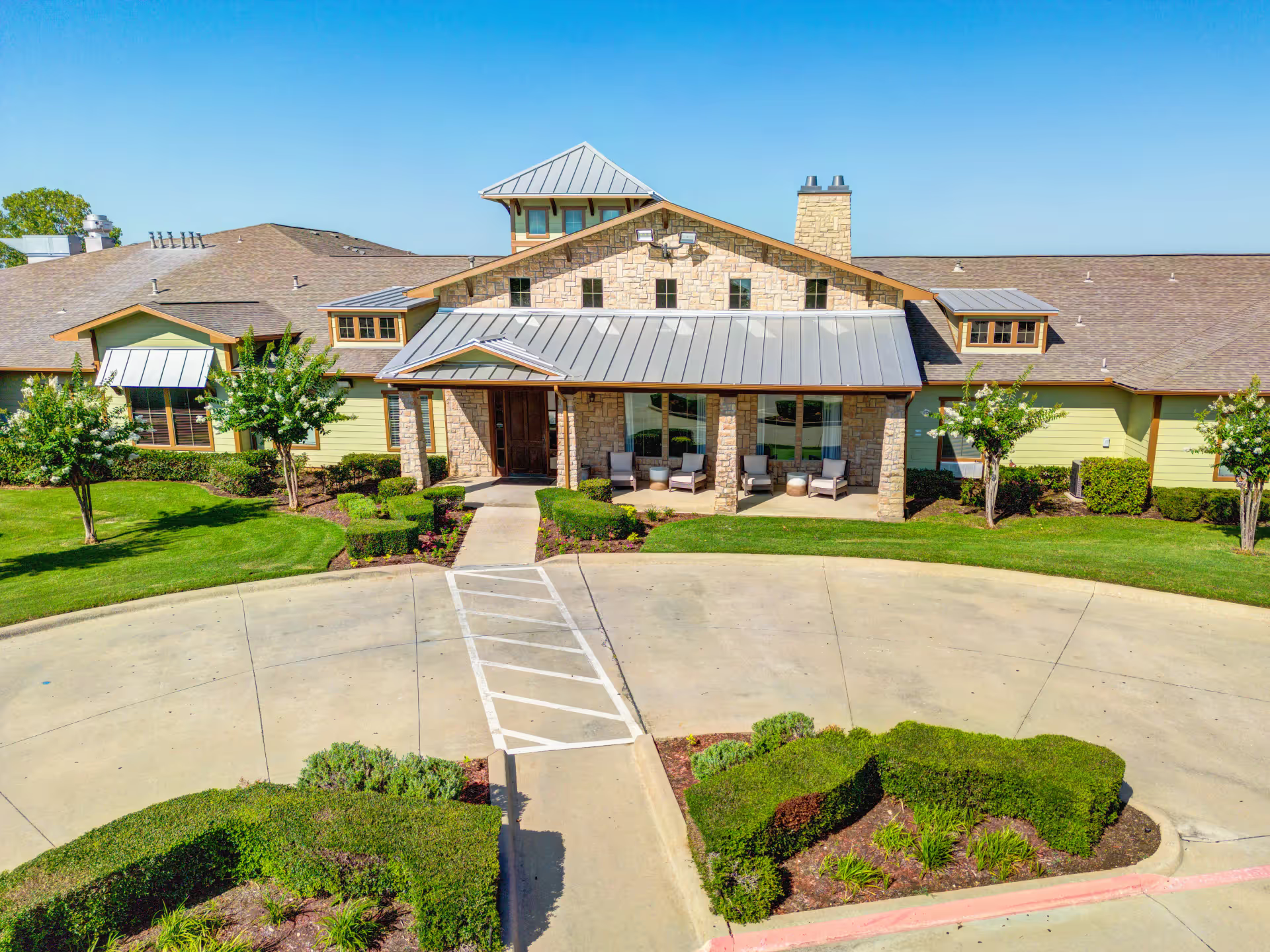
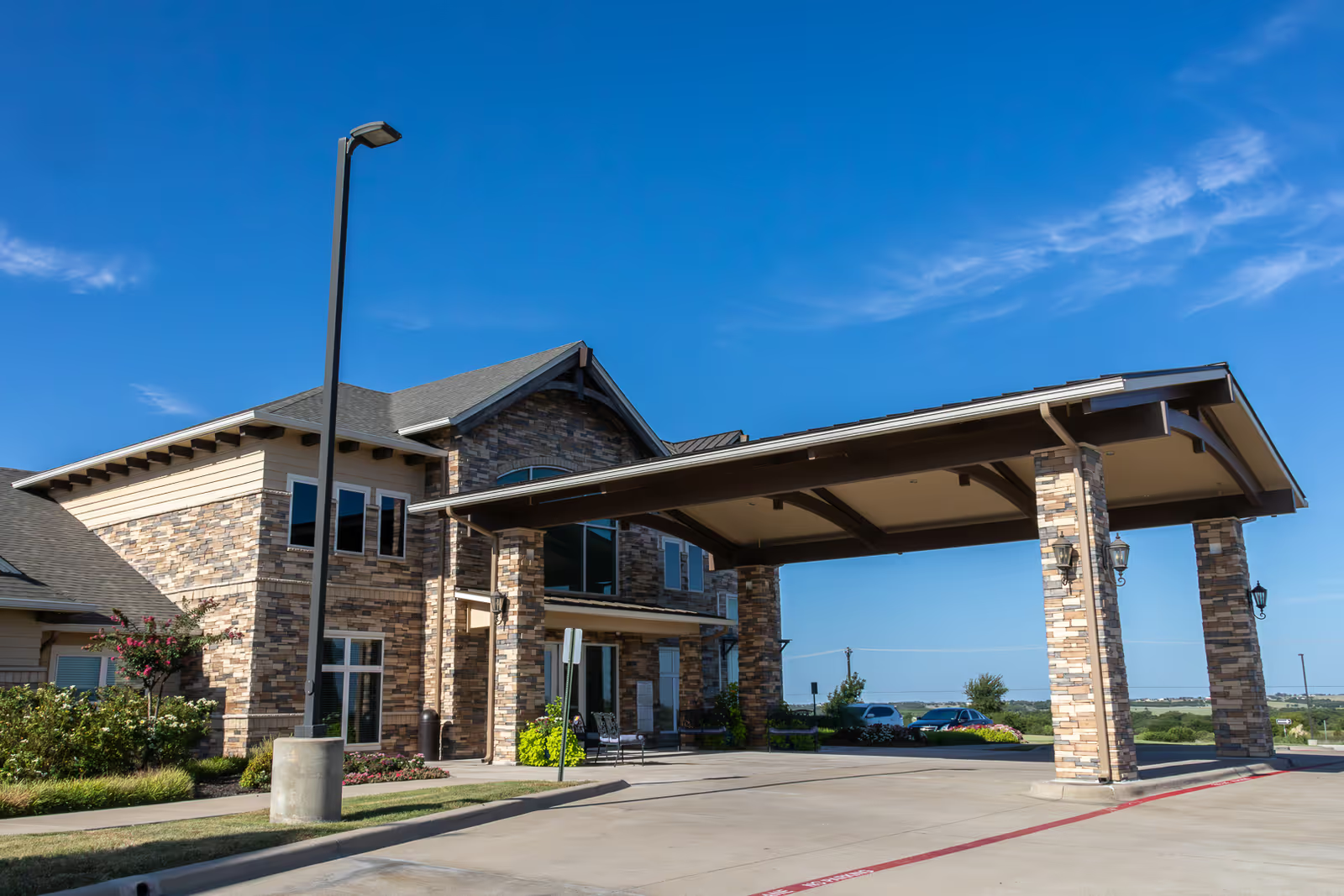
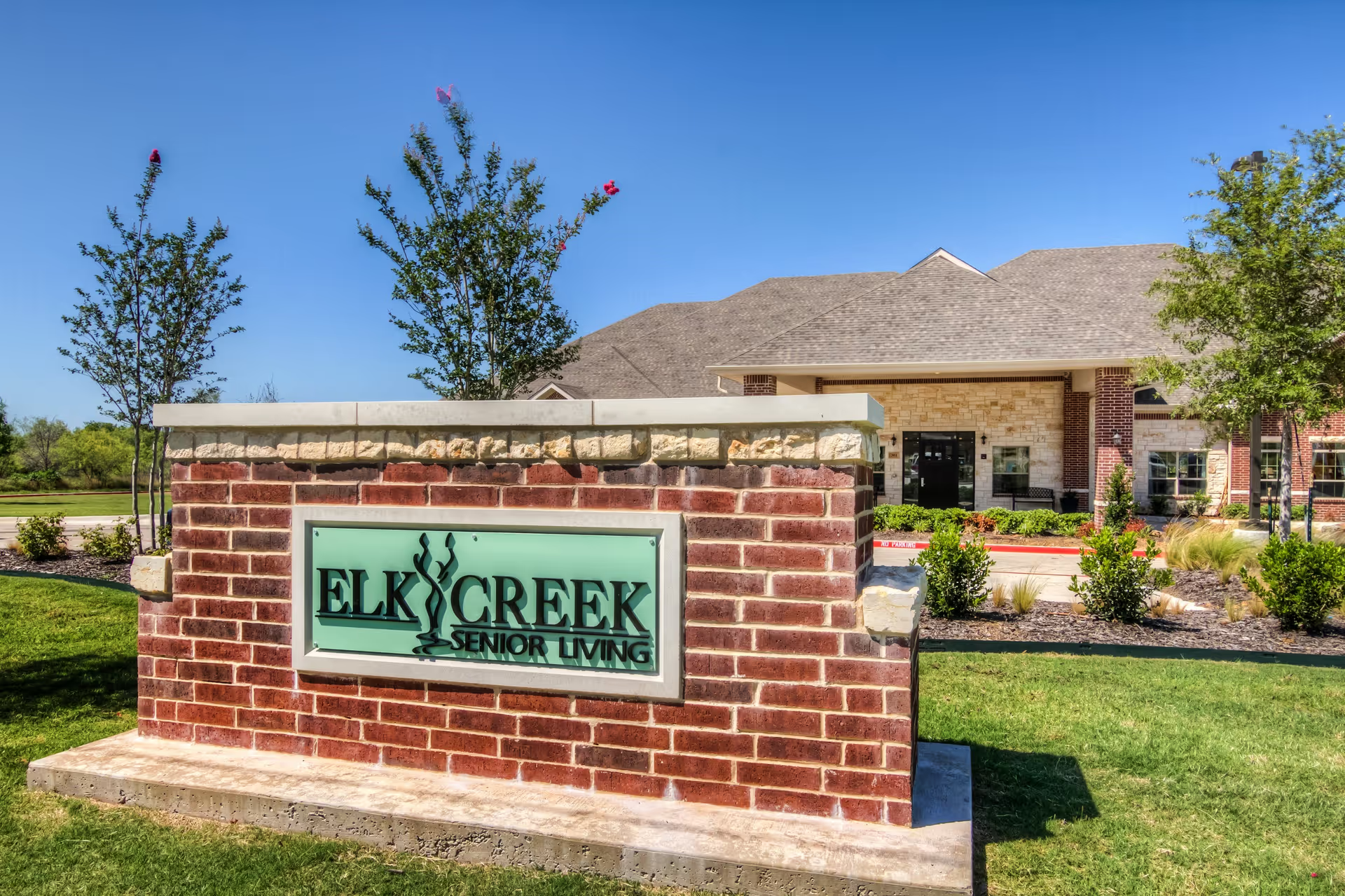
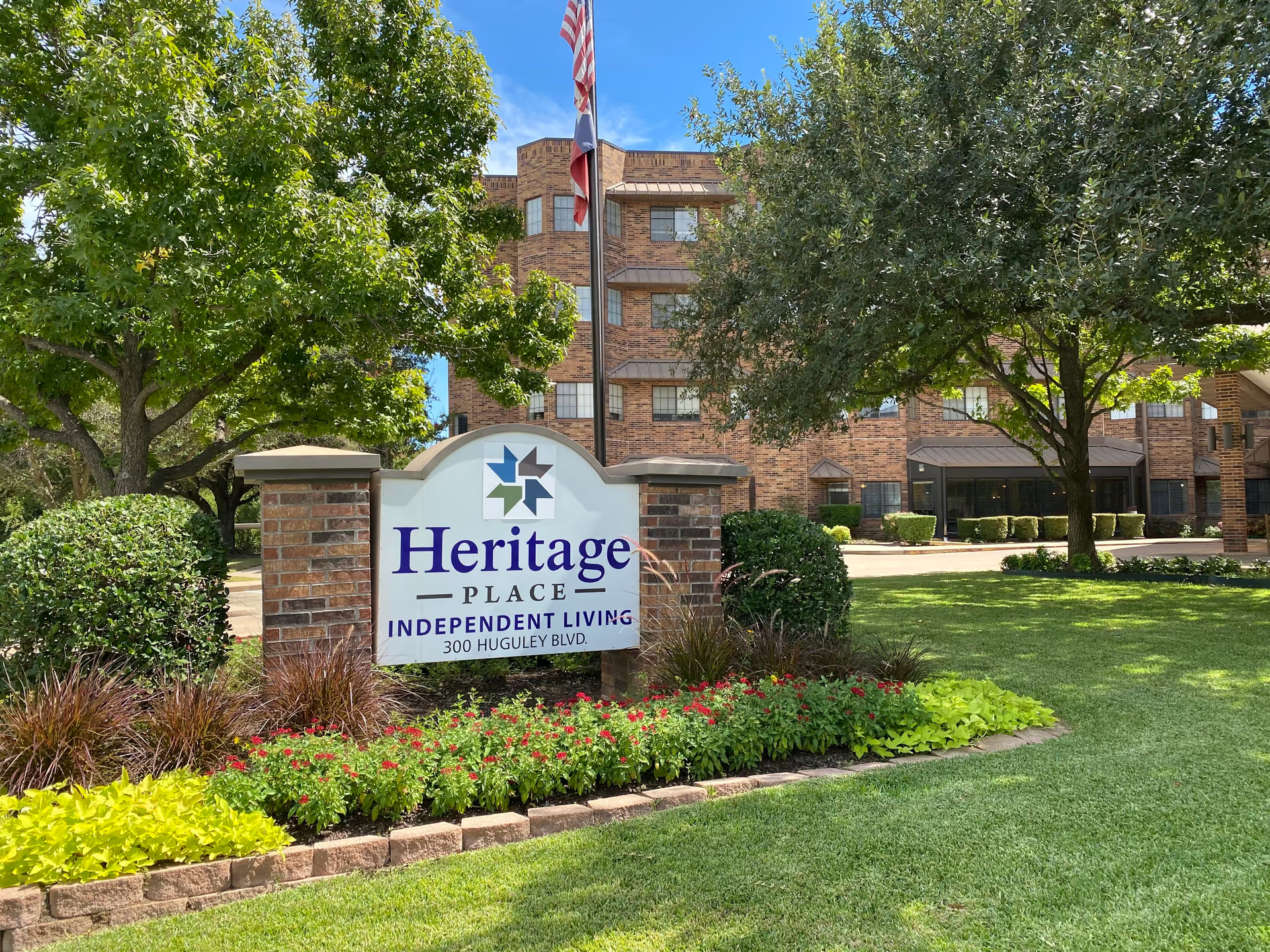
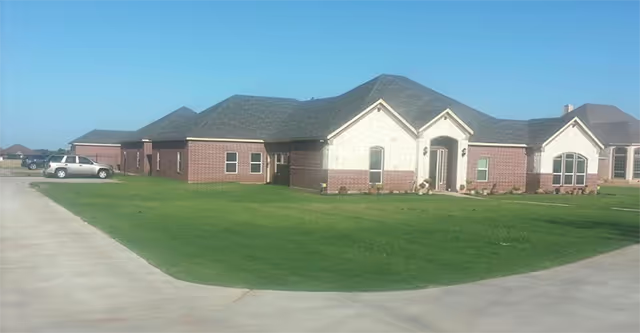
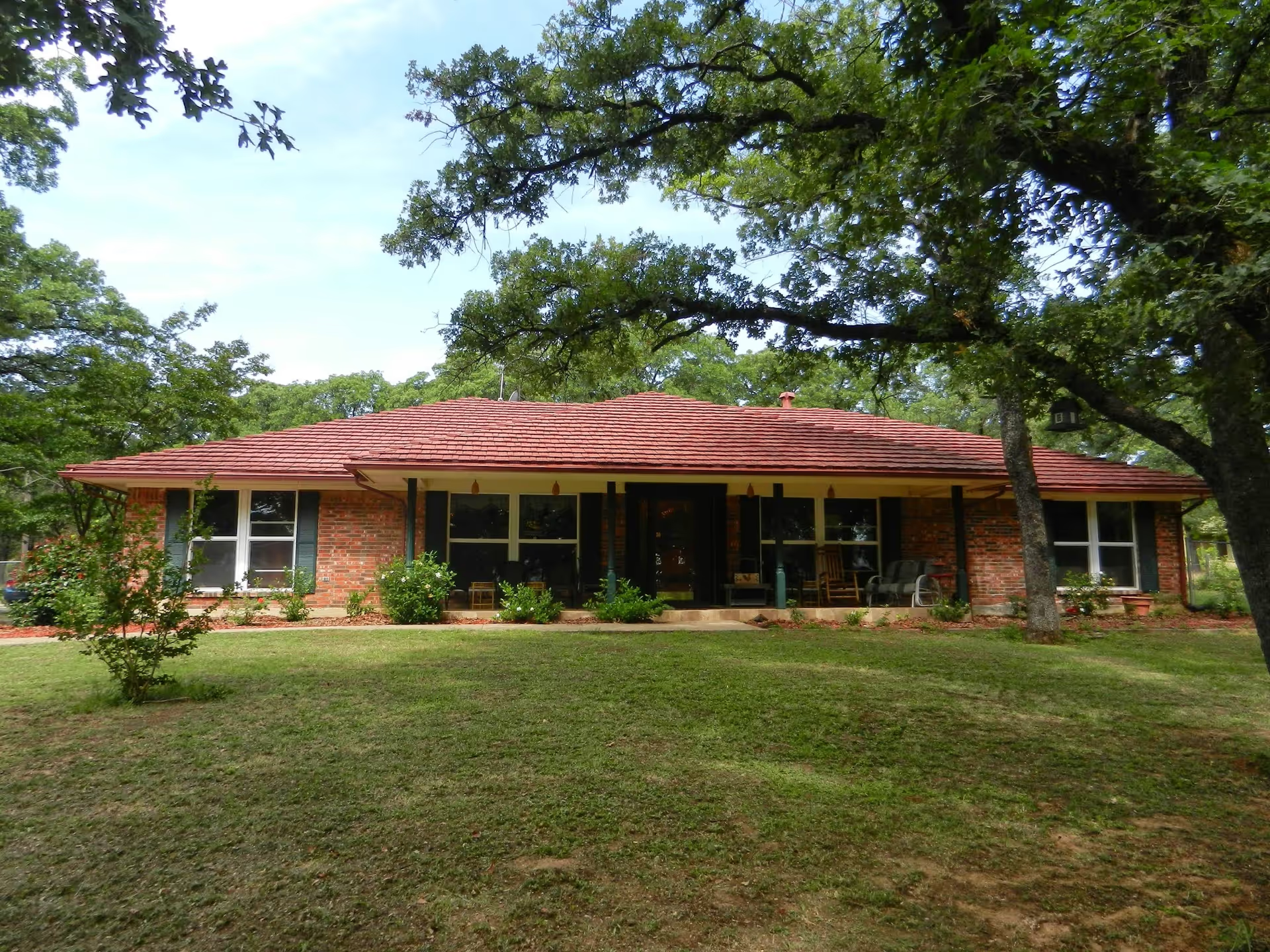
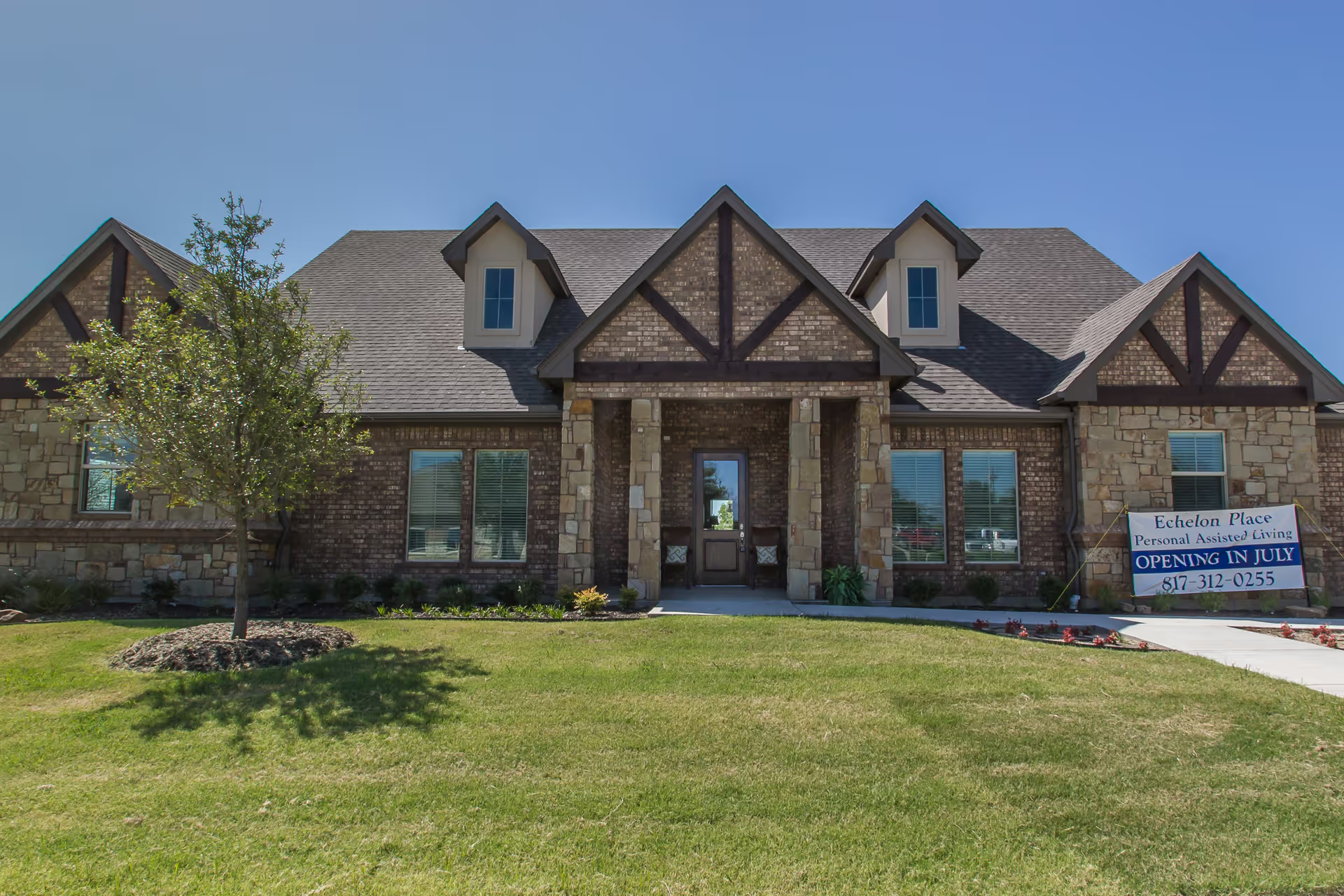
Facilities and housekeeping: The property is described as attractive overall, with recent exterior and curb‑appeal upgrades, pleasant grounds, and generally clean interiors. Weekly housekeeping is cited, and several reviewers appreciate pet‑friendly policies. However, the building shows areas of aging; facelifts and selective remodeling are in progress. Unit sizes are variable—some reviewers note larger‑than‑average apartments while others mention smaller or worn rooms—so unit condition appears to vary across the campus.
Management and communication: Leadership receives mixed evaluations. Many reviewers commend an engaged executive team and helpful move‑in support that made transitions smoother. At the same time, other comments point to variability in management follow‑through, interpersonal communication style, and event/program communication. Technology and programming communication gaps (for example, satellite/TV programming guides and event notices) have been raised. The community is also under new corporate ownership with staff changes noted; this transition appears to be producing both improvements and some operational inconsistencies.
Notable patterns and guidance for families: Pegasus Landing’s principal strengths are its caregiving staff, active programming, memory‑care capability, and appealing grounds. Patterns of concern relate to consistency—specifically in emergency clinical responsiveness, dining execution, leadership communication, and the condition of some units. Availability appears tight, reflecting high local demand. Prospective residents and families would be well served to tour the community, meet direct‑care and clinical staff, sample meals, verify nurse‑to‑resident staffing patterns, and clarify emergency and communication protocols before making a decision.