Overall assessment The reviews present a mixed but informative picture. Many families and residents describe a facility with a strong, compassionate caregiving culture and a therapy program that supports recovery and well‑being. At the same time, a subset of reviews raises operational concerns that relate to staffing, responsiveness, and administrative consistency. Prospective families should weigh the frequently praised aspects of care and programming against reports of variability in day‑to‑day operations and verify current conditions directly with facility leadership and regulatory sources.
Care and staff Positive comments about direct care staff are prominent: reviewers commonly describe CNAs, nurses, and therapy teams as caring, attentive, and effective at engaging residents. Several accounts note meaningful improvements in resident mood and nutrition after admission. However, there is a recurring operational pattern of inconsistent staffing levels and delays in attending to residents’ needs. These gaps manifest as delayed assistance with personal care tasks and uneven monitoring during shift changes or post‑hospital transitions. Families seeking placement should ask about current staffing ratios, turnover, and contingency plans for peak demand periods.
Therapy, dining, and activities Therapy and rehabilitation receive strong endorsement across reviews; the rehab department is frequently singled out as a facility strength. Dining is another commonly cited positive, described as fresh with a good variety of menu choices and enjoyable meals. Social programming — bingo, crafts, organized events and outings — appears robust and contributes to a social, family‑oriented atmosphere. These clinical and lifestyle strengths are consistent selling points for residents who need rehab services or value active engagement.
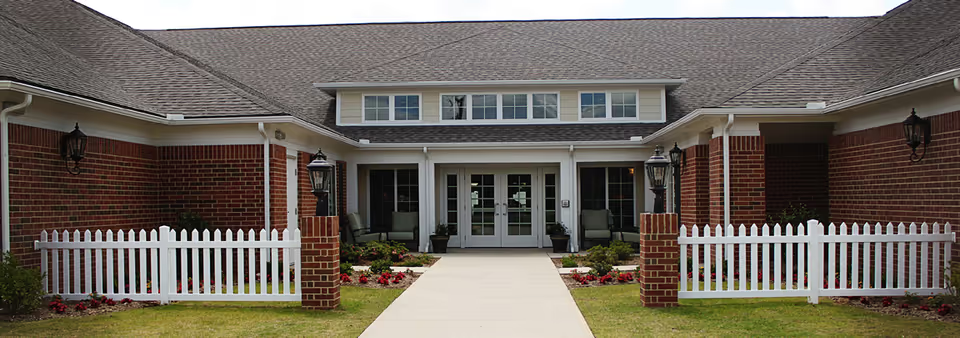
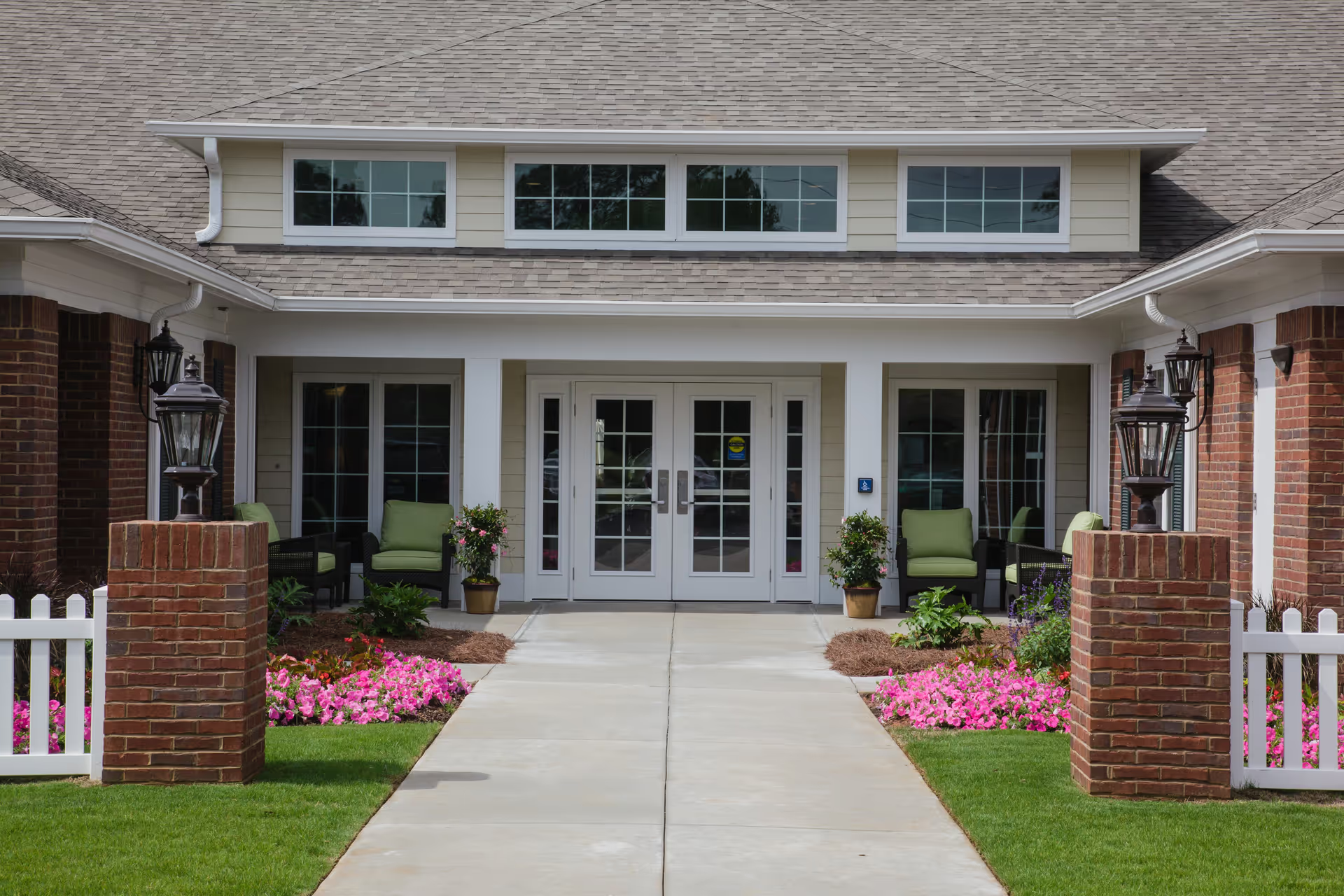
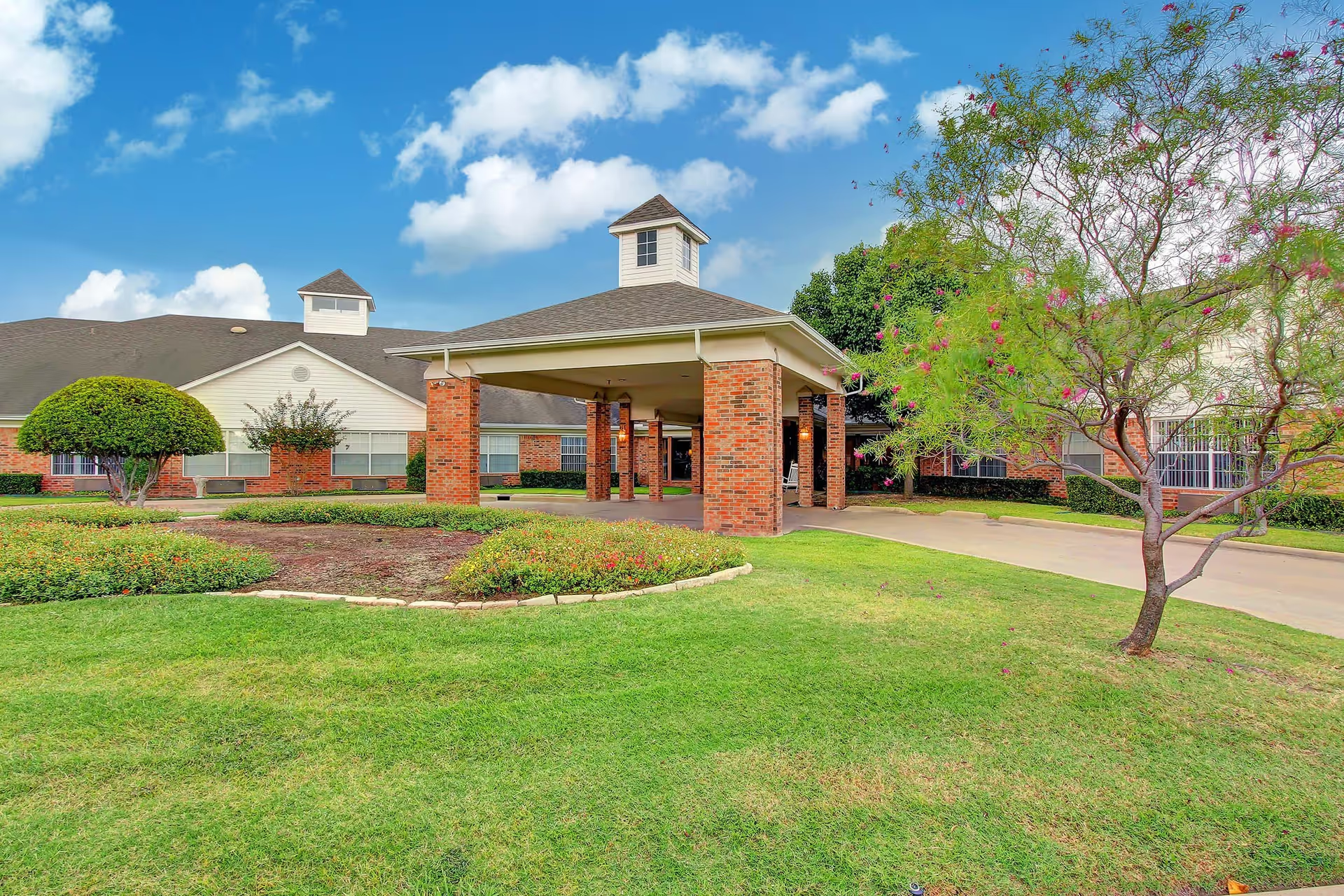
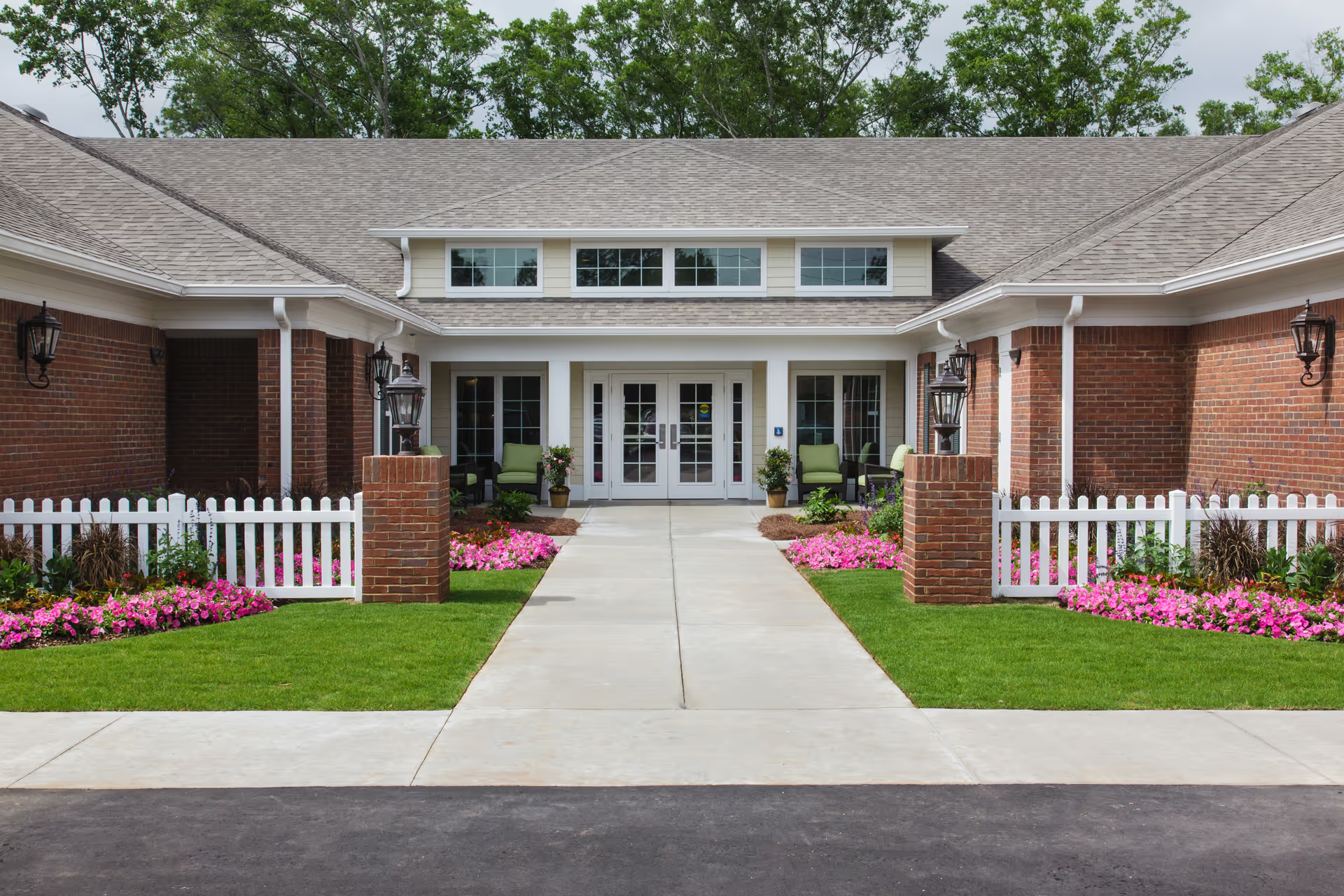
Facilities and property Several reviewers describe attractive, renovated areas and a generally clean environment, with some noting ongoing remodeling. At the same time, other comments point to variable physical condition across the campus, with older sections that may require maintenance. Prospective visitors should tour different wings and inquire about recent capital improvements and maintenance schedules to understand which areas have been updated.
Management, administration, and patterns of concern Reviews indicate recent management changes and, in some accounts, improvement under new ownership. Conversely, there are repeated concerns about administrative processes: billing and refund delays, difficulty conducting business, and uneven communication from office staff. There are also operational concerns tied to staffing models and compensation (which reviewers link to turnover), personal‑property handling (lost or missing clothing), and the use of monitoring technology or proximity alarms as part of resident management. A few reviews include serious individual complaints — including concerns following a resident’s death and family‑level disputes — which should prompt direct follow‑up with the facility and review of regulatory records.
Bottom line and recommended questions The facility demonstrates clear strengths in caregiving culture, therapy/rehab, dining, and activities, making it a potentially good fit for families prioritizing those elements. However, the pattern of variability in responsiveness, staffing, administrative reliability, and property management suggests due diligence is warranted. Recommended topics to address during a visit or call: current staffing ratios and turnover, protocols for responding to urgent resident needs, post‑hospital transition procedures, property‑loss policies, examples of recent administrative improvements, and documentation of any regulatory citations or complaints and how they were resolved.