Care quality: Families described the facility's clinical and personal care in strongly positive terms. Review language emphasizes attentive, professional caregiving and a consistently high standard of clinical support. Several accounts express gratitude for how residents were treated and convey confidence in the facility's ability to meet daily care needs.
Staff: The workforce is characterized as compassionate, patient, and professional. Multiple references to a ‘‘family’’ atmosphere and to ‘‘sisters’’ indicate that religious personnel play a visible role in daily life and caregiving. Interpersonal interactions are described as warm and supportive, and reviewers frequently attribute resident well-being to staff attentiveness and kindness.
Dining and activities: The provided summaries contain minimal detail about meals and organized programming. There are positive general impressions of the environment (described as home-like and an oasis), but little explicit information about menu quality, mealtime service, activity schedules, or engagement programming. Prospective families should request specifics on dining options, therapeutic activity offerings, and the daily schedule during tours.
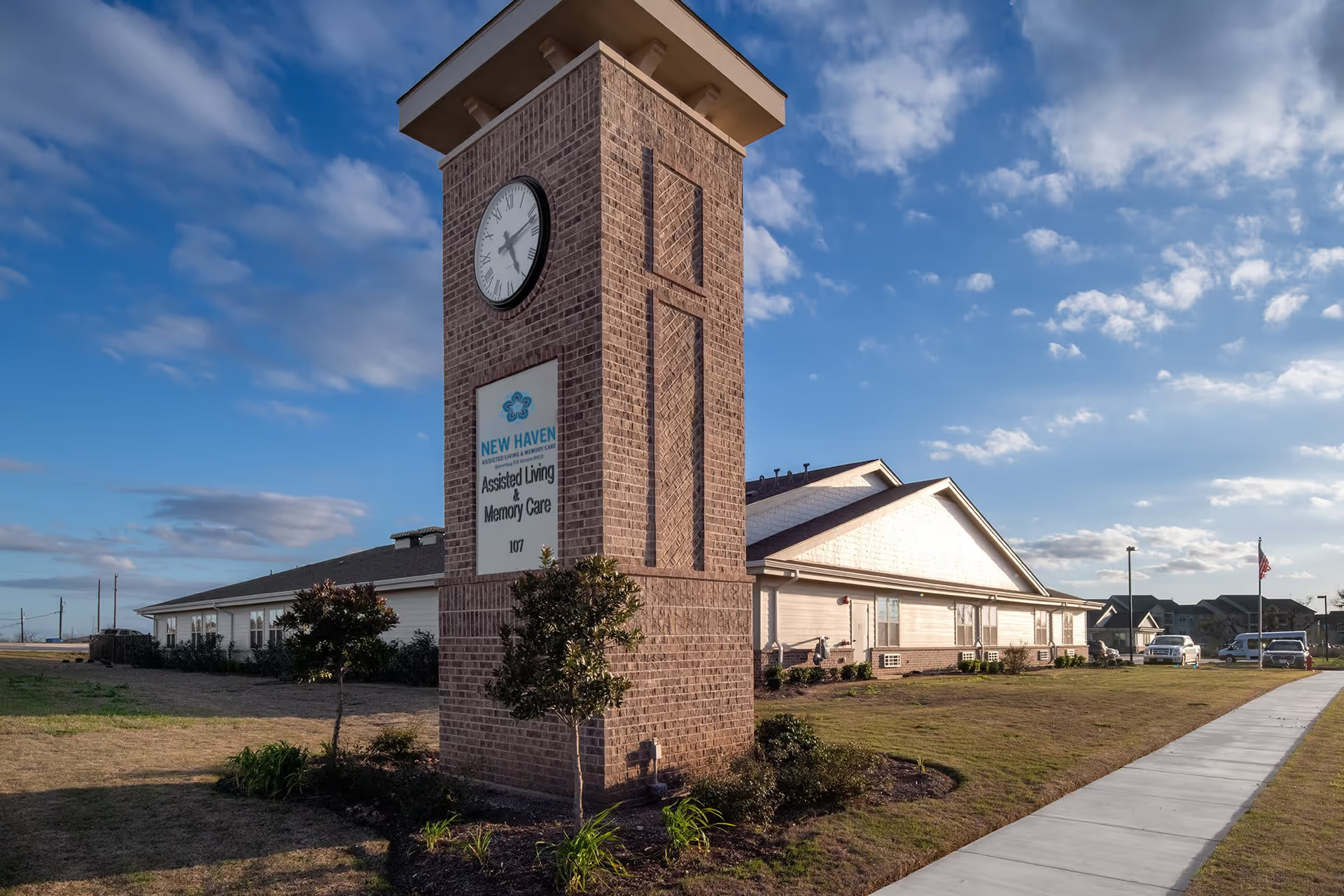
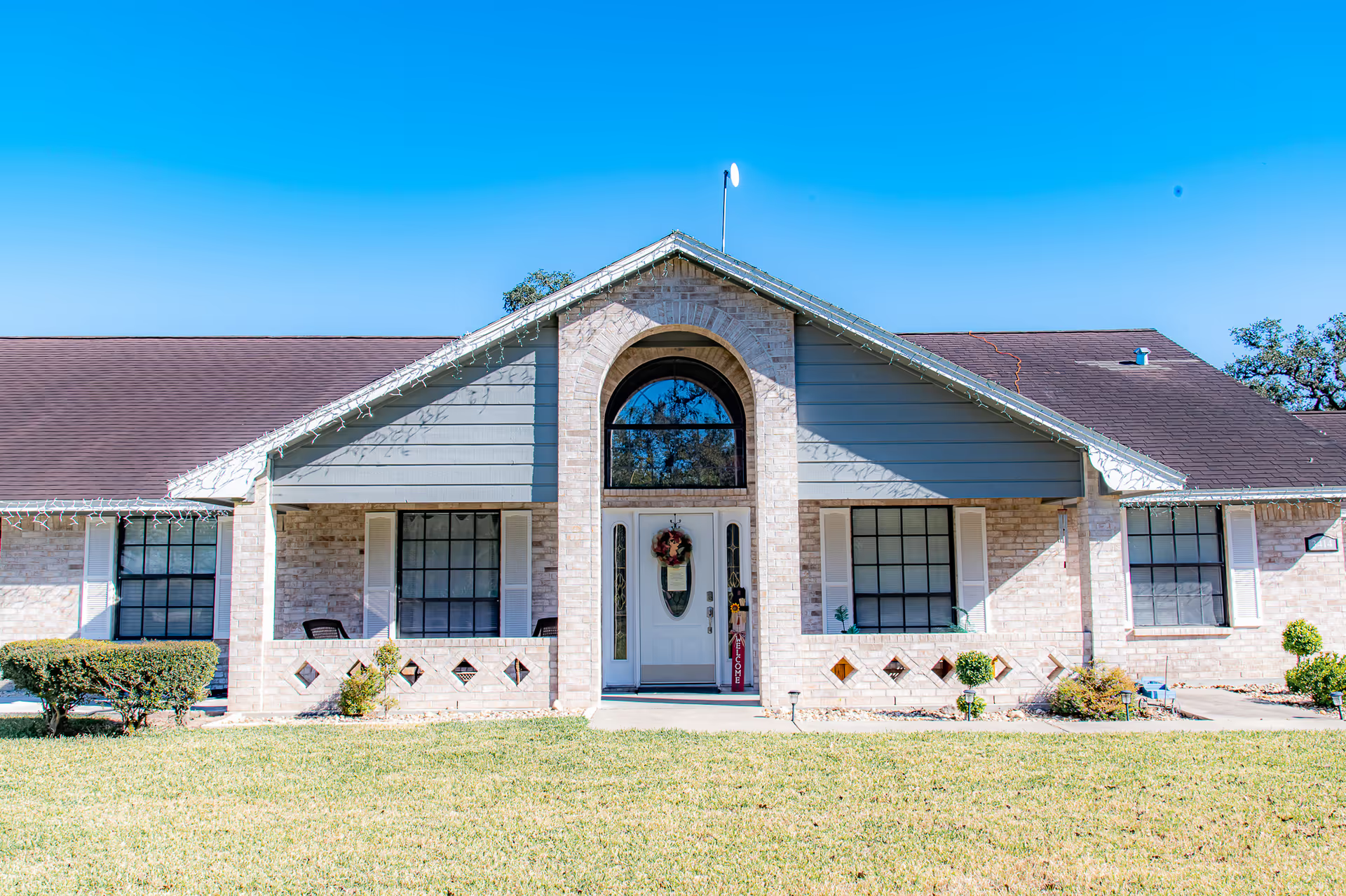
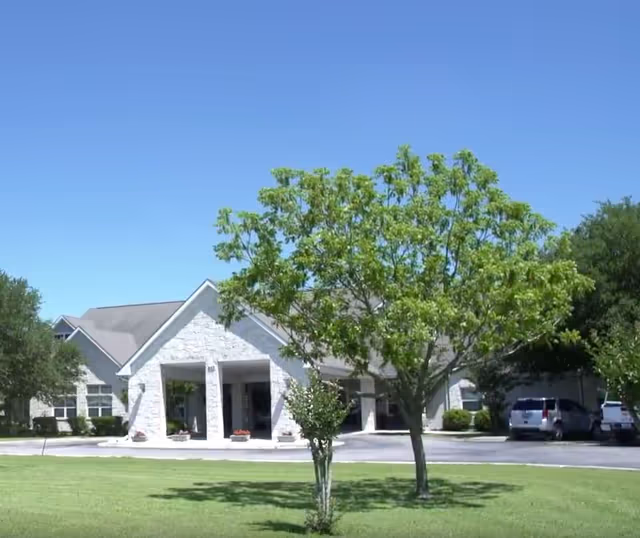
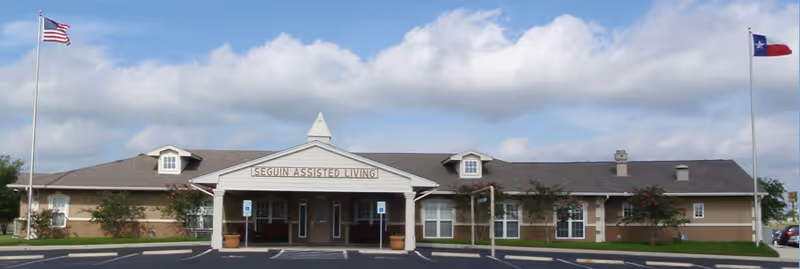
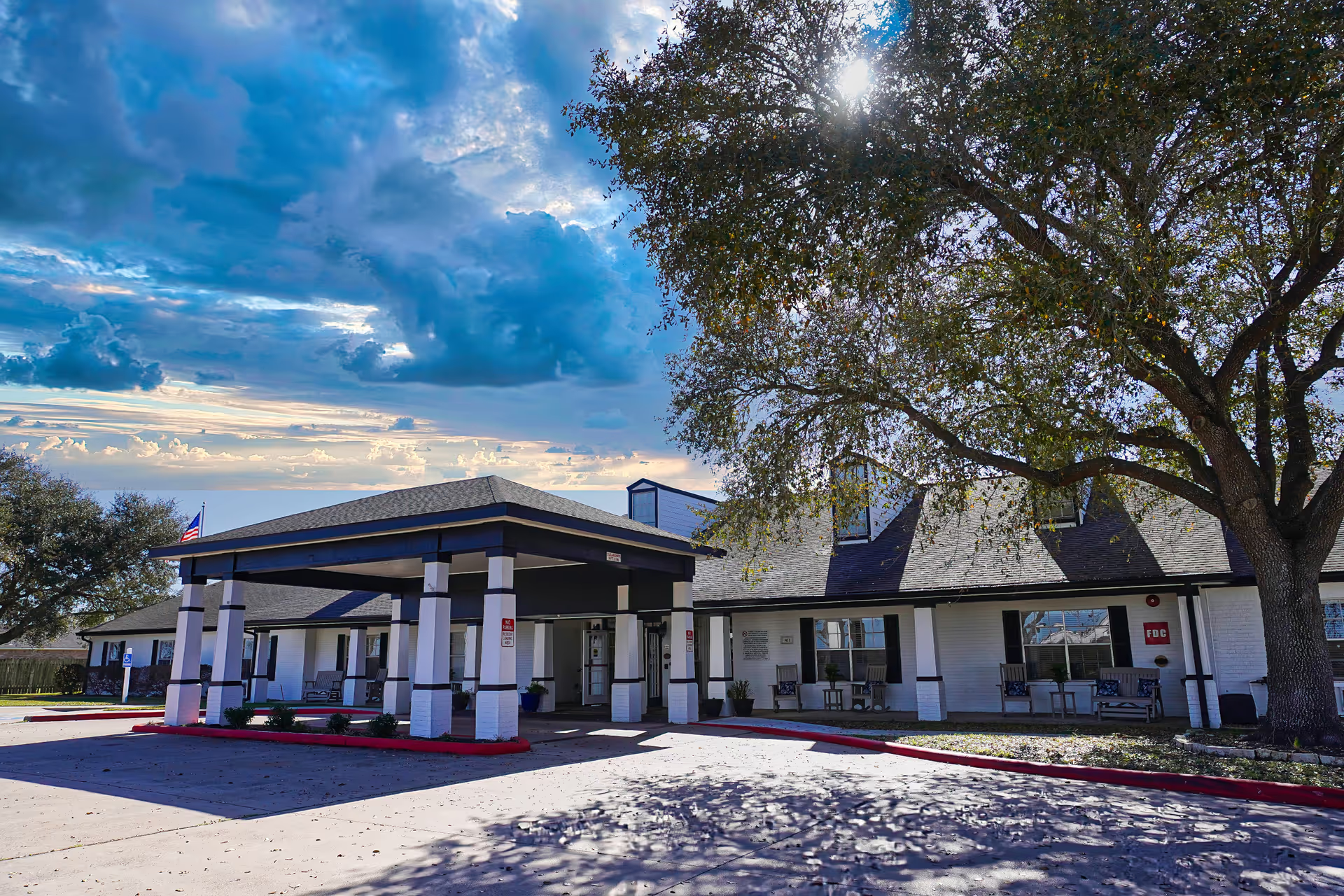
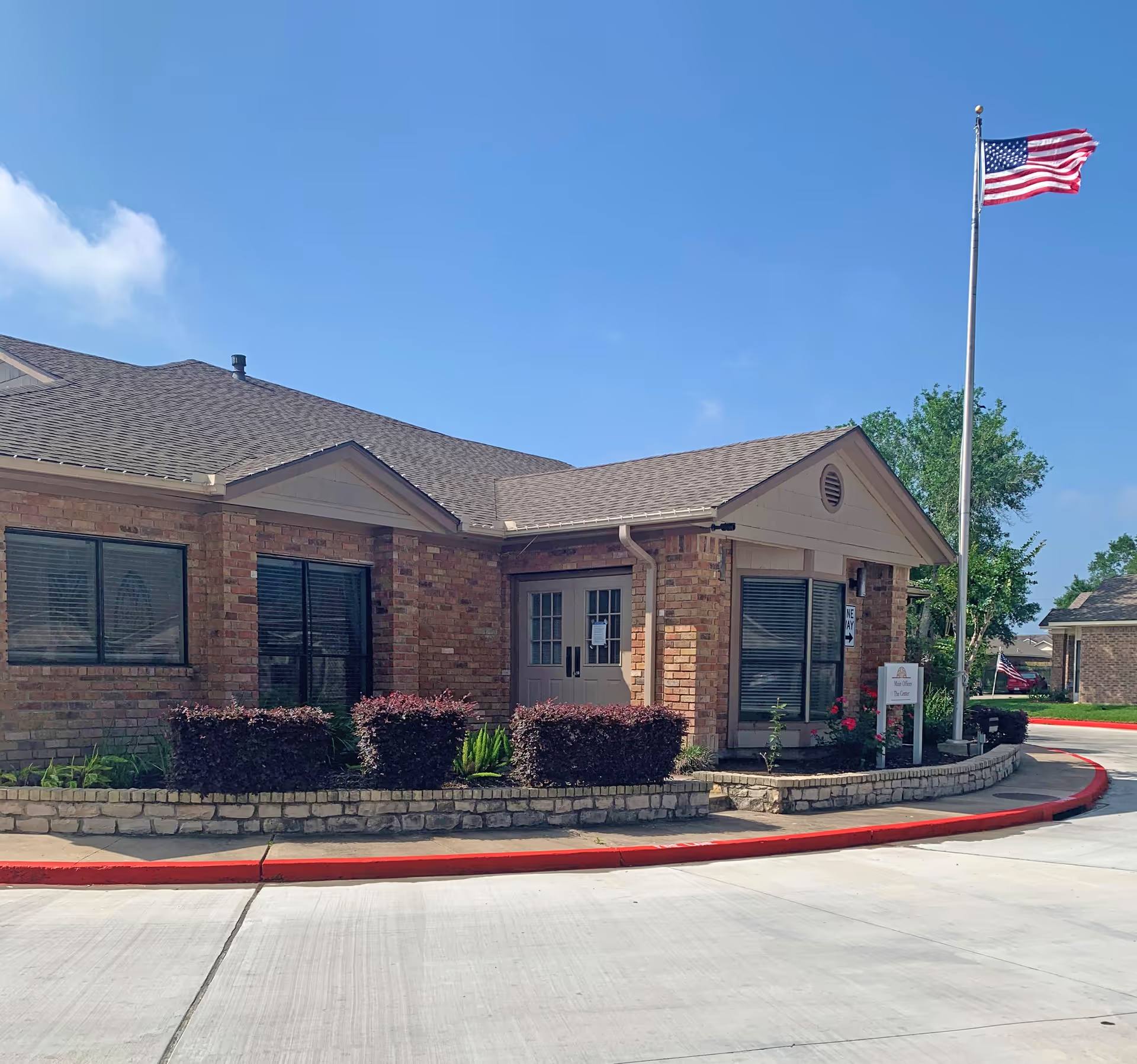
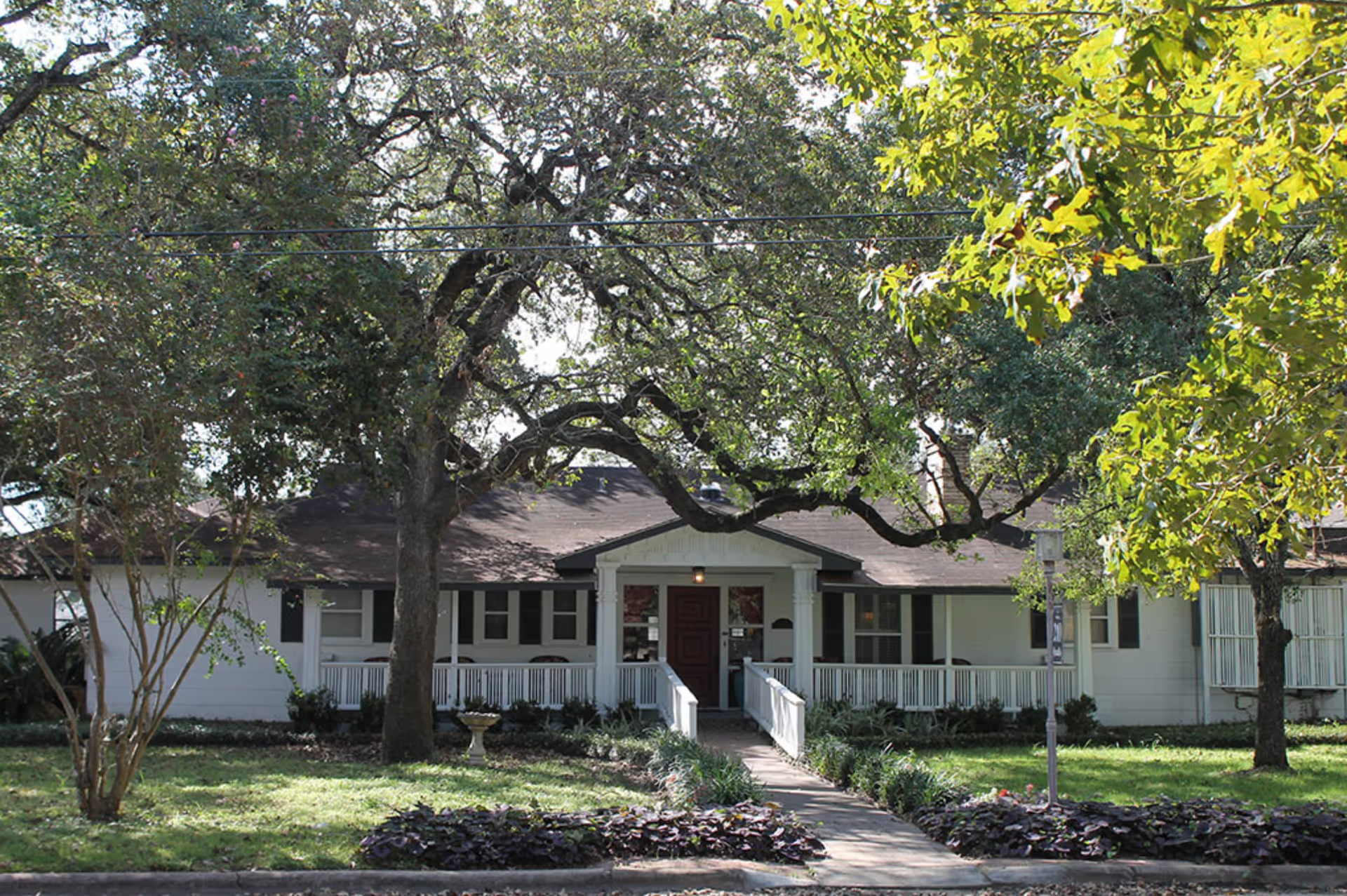
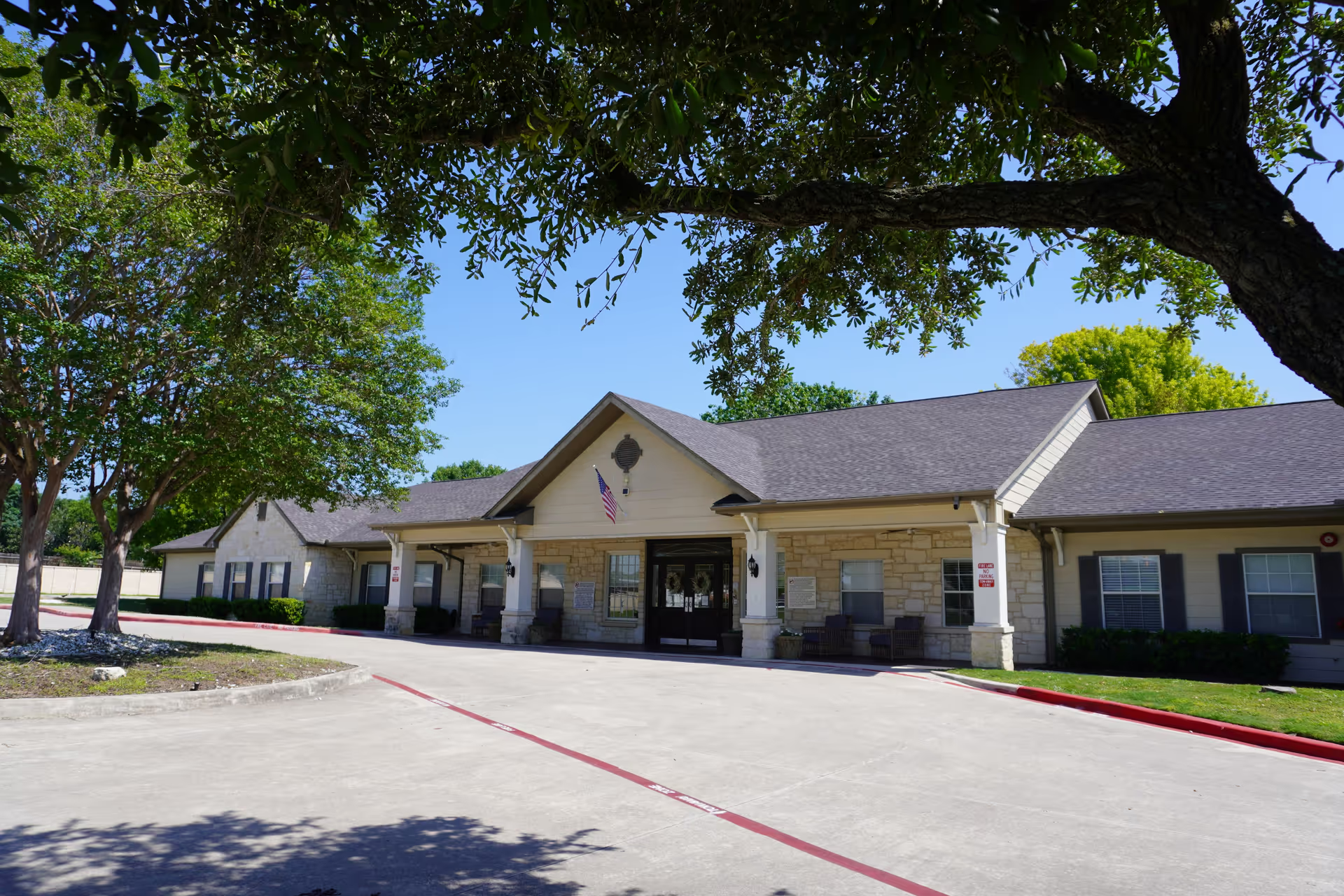
Facilities: Descriptors like home-like and family atmosphere suggest a residential, comfortable physical environment. Reviewers conveyed that the facility felt welcoming and suited to personalized care, though there is limited granular information about building condition, private-room availability, common-area amenities, or accessibility features in the supplied summaries.
Management and communication: Gratitude and recommendations imply responsive management and effective communication with families in many cases. The presence of religious leadership among staff may shape organizational priorities and the tone of family interactions. There is insufficient detail to evaluate administrative responsiveness to complaints, care-plan coordination, or admission/financial processes.
Notable patterns: Two clear patterns emerge. First, a strong emphasis on compassionate, attentive caregiving and a family-like culture, often tied to religious staff involvement. Second, a prominent religious character to the setting that some reviewers framed positively but which could be experienced as prescriptive or a poor fit for residents who prefer a secular environment. Because reviews provided little specific information about dining, activities, and physical plant, those areas remain less well characterized; families should ask targeted questions about nonclinical services and how religious programming is integrated into daily routines when assessing fit.