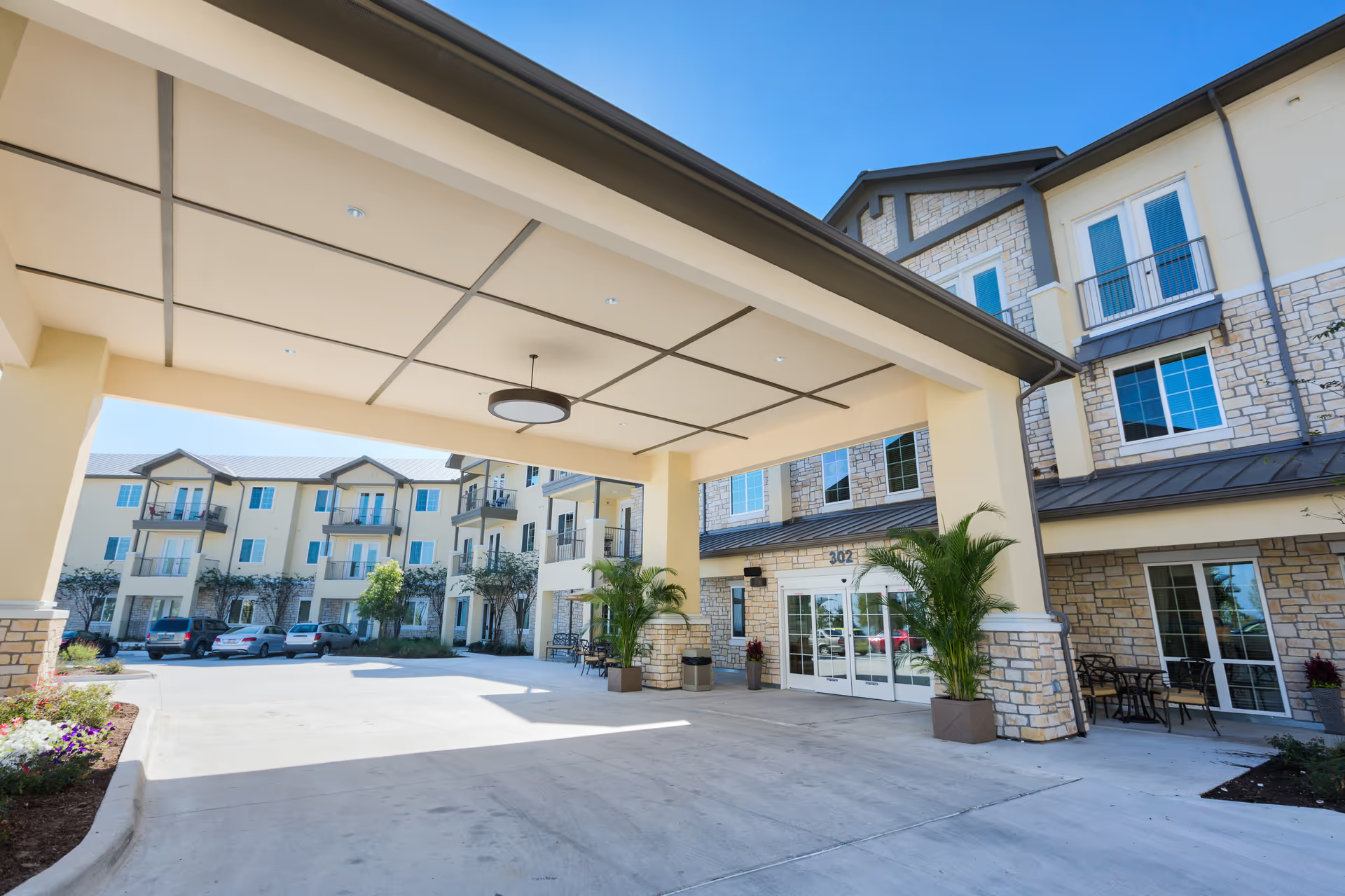
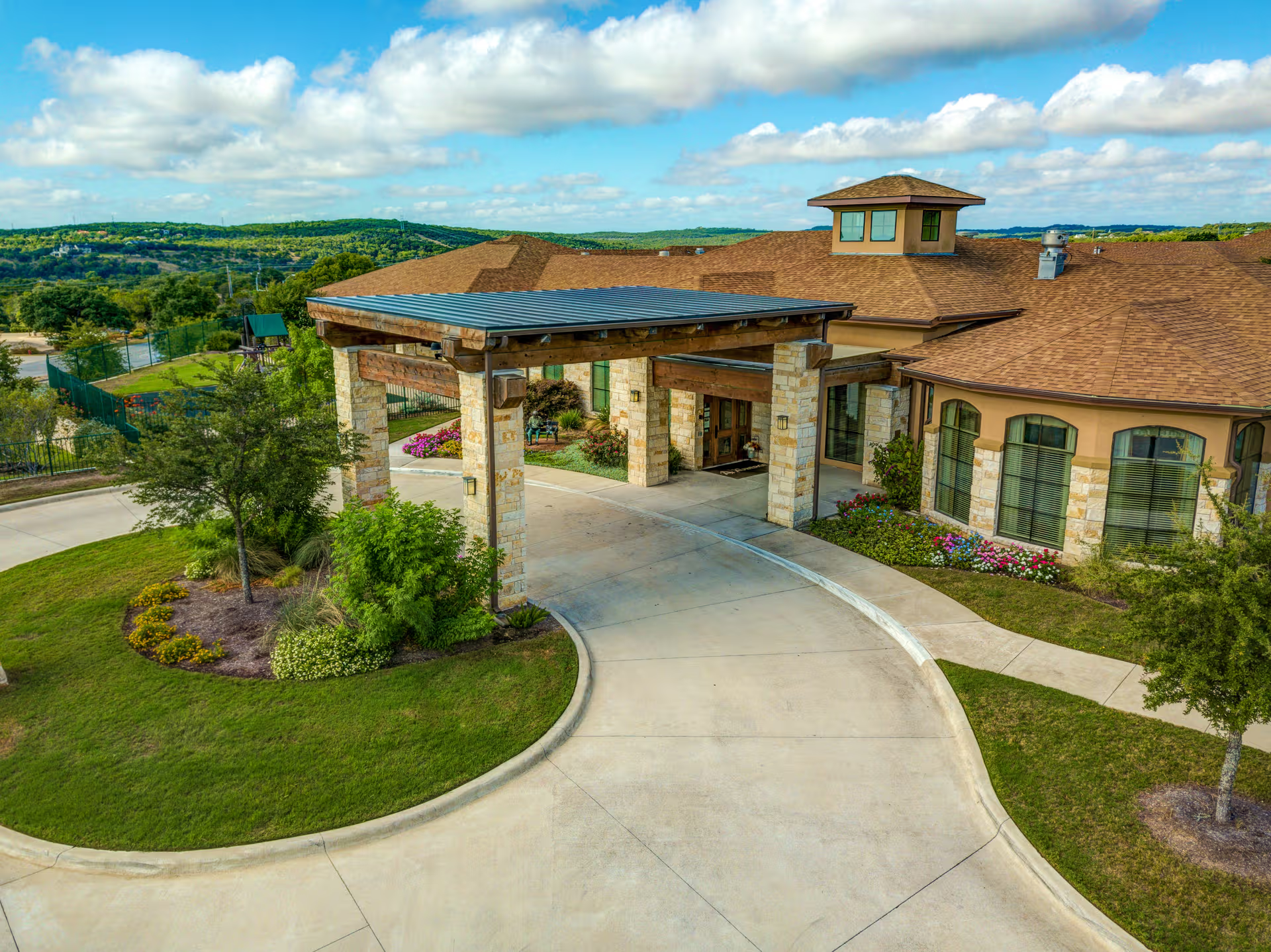
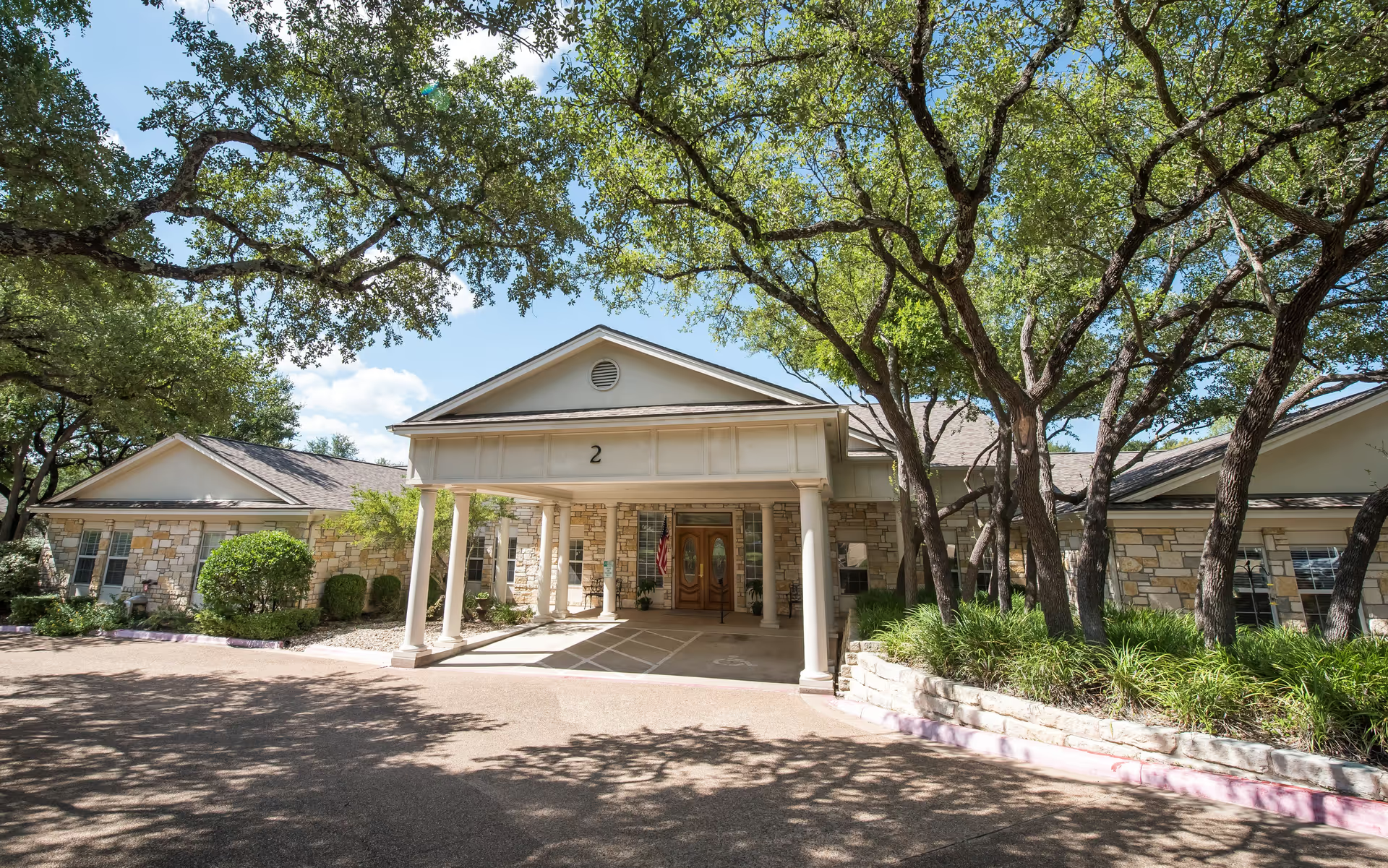
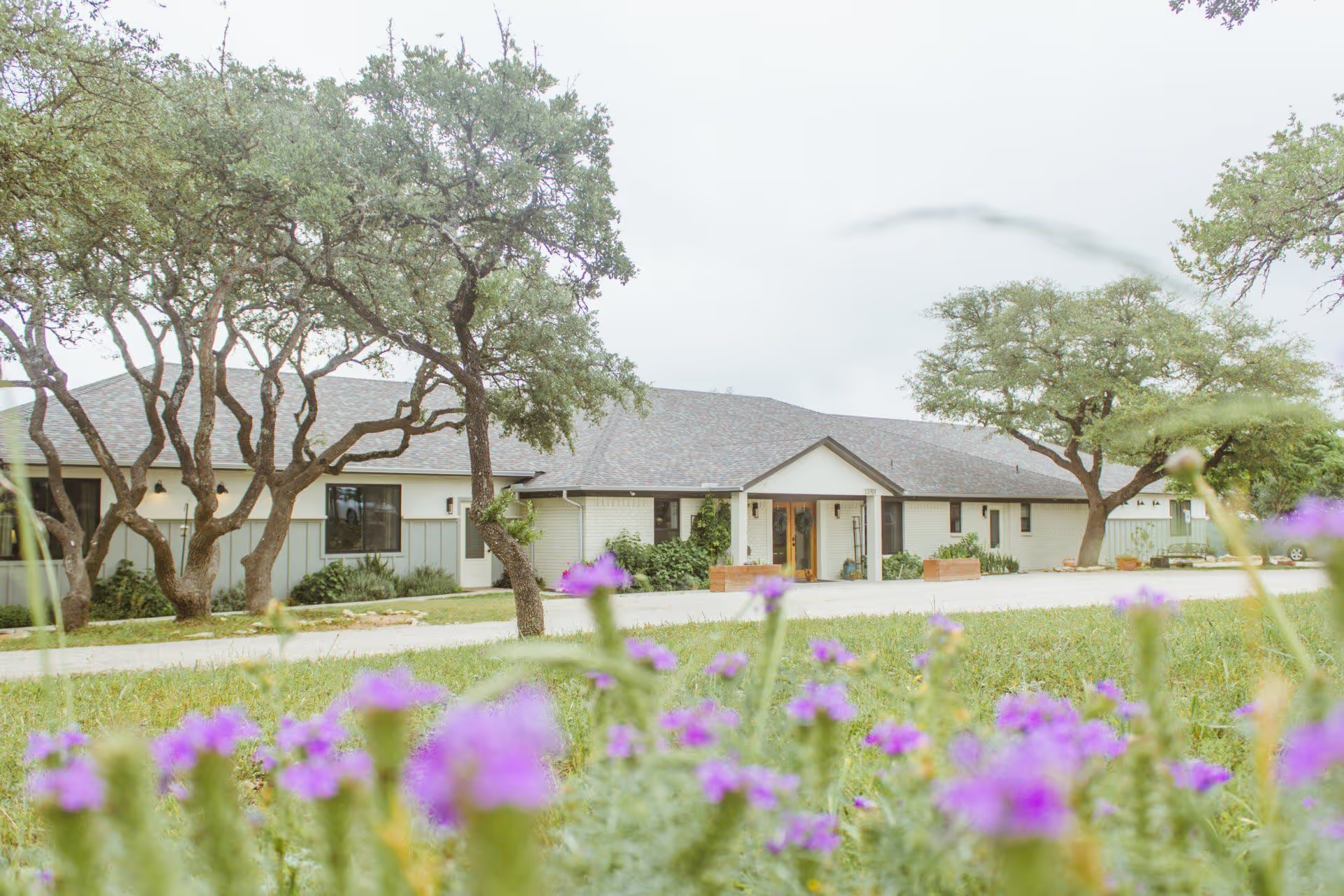
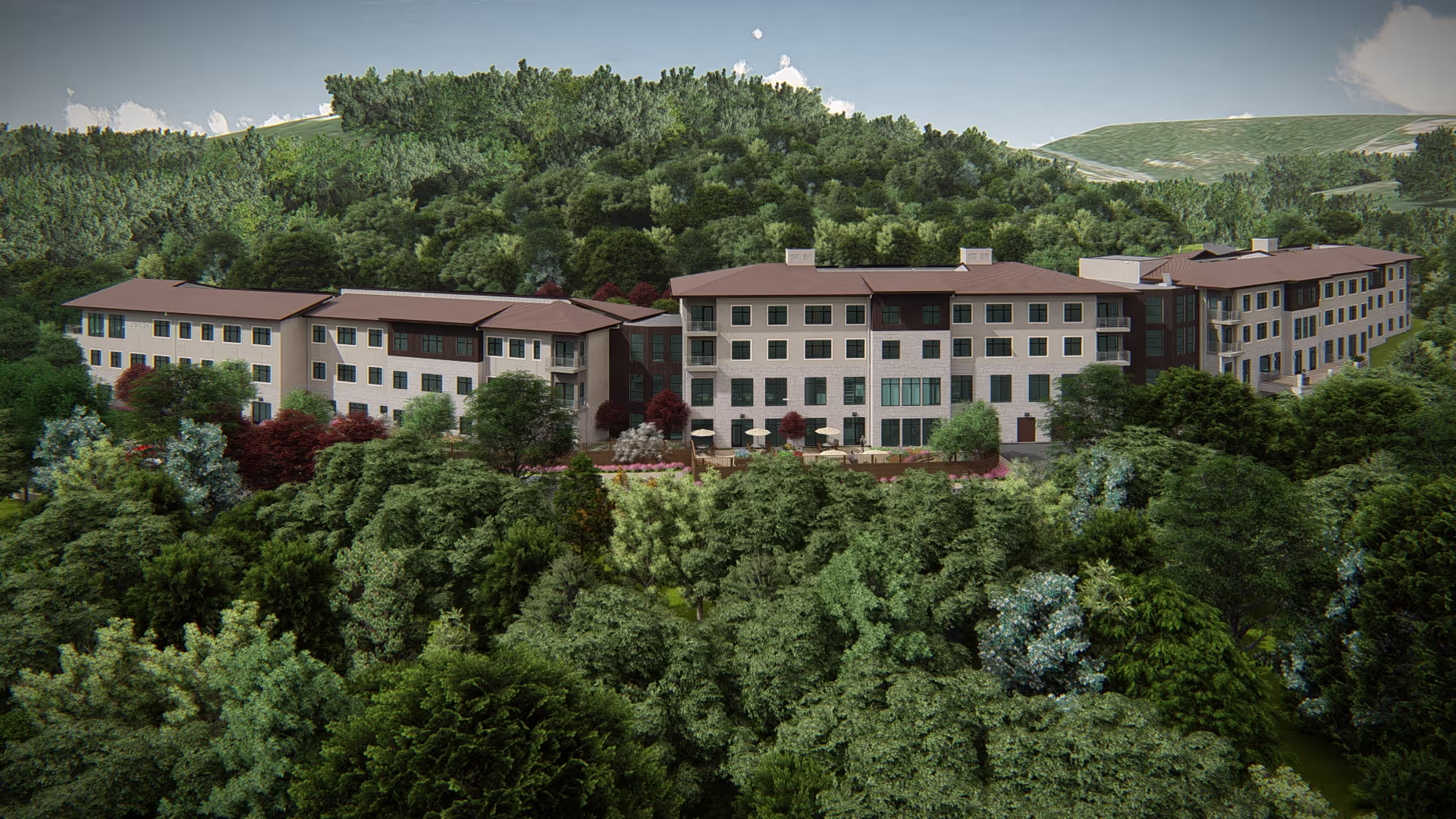
Brookdale Lohmans Crossing presents as a small, well‑kept community with an overall home‑like atmosphere. Outdoor areas and interior common spaces are frequently described as attractive and spacious, and apartments are generally private and accessible with built‑in safety features and in‑room emergency call systems. Families and residents commonly praise the hands‑on care from direct caregivers and the involvement of nursing staff in medication administration. Community relations and director‑level staff receive positive mention for being informative and helpful during move‑in and transition periods.
Care quality is a mixed picture. Many accounts highlight compassionate, attentive caregivers and a good basic level of assistance; however, a recurrent operational pattern is high staff turnover and variable staff training in geriatric care. These staffing dynamics are linked to intermittent weaknesses in responsiveness—particularly after hours—and to gaps in family communication following clinical incidents. Reviews also indicate inconsistencies in medication‑management processes; while nursing staff are present and active, families are advised to seek specifics about medication procedures and incident notification protocols during tours.
Dining and daily living receive both praise and critique. Several reviewers describe the food as gourmet, appetizing, and varied, with flexible dining options; others characterize meal quality as inconsistent, with some meals perceived as under‑seasoned and daytime snack availability limited. Housekeeping and room maintenance are generally seen as strong for a number of residents, yet there are recurring notes about inconsistent linen changes and isolated sanitation or cleaning lapses in public areas. Prospective residents should confirm housekeeping schedules and meal timing/snack policies that matter to them.
Activities and resident life are notable strengths in many accounts: organized programming such as puzzles, bingo, crafts, concerts, fitness classes, and religious services contribute to an engaged resident community. The facility is also described as pet‑friendly and offers on‑site transportation for outings. That said, activity availability appears variable across reports; some families find the programming robust while others perceive limited outdoor or off‑site options. Clarifying the current activity calendar and transportation frequency is recommended when evaluating fit.
Facility condition and management trends are mixed. The property and landscaping are often described as well maintained, but multiple notes cite deferred interior maintenance, dated finishes, and planned updates such as repainting or carpet replacement. Cost and value are recurring themes: the community is often seen as more expensive than alternatives in the area, which factors into perceived value for money. Operationally, automated reception systems and an impersonal phone experience are cited as friction points for families seeking timely human contact.
Overall patterns: strengths cluster around a warm, small‑community feel, engaged leadership at times, appealing grounds, and many residents who report satisfaction with caregiving and social life. Weaknesses center on staffing stability, communication practices (especially after hours and around clinical events), variable housekeeping and meal consistency, and deferred interior maintenance relative to cost. Families considering this community should prioritize questions about current staffing stability, after‑hours response protocols, medication‑management procedures, housekeeping schedules, and any planned capital improvements to ensure alignment with individual care and lifestyle needs.