Liberty Health Care Center elicits a polarized set of impressions. Many reviews describe a facility with strong direct-care staff, visible leadership, and a robust activities and therapy program that supports resident engagement and recovery. At the same time, a number of accounts raise serious operational concerns that prospective residents and families should clarify during a tour and intake conversation.
Care quality and staffing: A frequent strength is the direct-care team—CNAs, therapists, and some nursing staff are repeatedly described as compassionate, hands-on, and effective, with several families noting successful physical-therapy outcomes and attentive aides. Conversely, there is variability in care consistency. Multiple comments indicate staffing shortages or scheduling gaps that can affect response times and routine personal care (bathing, oral care). There are also reports raising concerns about medication-administration controls and about emergency/respiratory care practices; these are significant operational issues that warrant direct inquiry with the facility about staffing ratios, clinical oversight, and incident-reporting procedures.
Staff, management, and communication: Administrative visibility and proactive leadership are commonly cited positives—administrators are described as present in the halls and responsive to families. Family communication methods such as FaceTime, regular updates, and prompt notifications of medication changes are also noted. However, communication quality appears inconsistent: some families describe dismissive or rude interactions with particular nursing staff and delayed escalation in emergency situations. There are also allegations related to inventory control and item loss; these raise questions about property-management and accountability processes.
Dining and activities: The facility receives strong marks for an active and varied activities program, including music, outings, shopping trips supported by facility vans, intergenerational or family events, and an engaged activities director. These offerings appear to be a clear strength for resident quality of life. Dining receives mixed feedback: many describe accommodating kitchen staff and above-average meals with flexibility for requests, while others find meal quality inconsistent. Families may wish to sample a dining service and ask about menu rotation and special-diet accommodations.
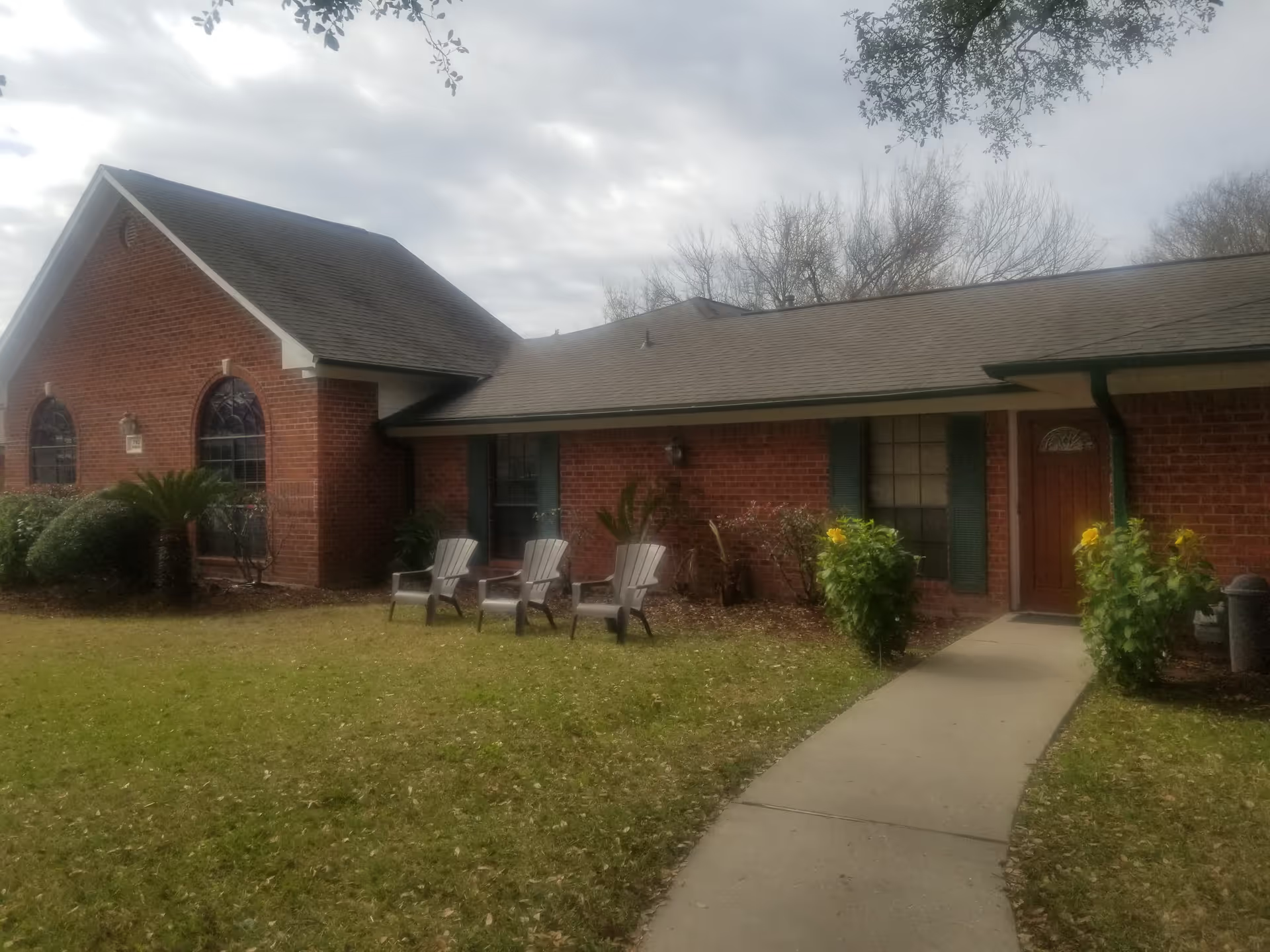
Facilities and environment: Several reviews highlight a clean, well-maintained interior and attentive housekeeping and laundry services. Other accounts describe cleanliness inconsistencies and concerns in specific areas, as well as practical issues such as small shared rooms and noise from call buzzers. Transportation resources and community engagement are positive features, but room size and acoustic environment may be important to assess in person.
Notable patterns and recommended inquiries: The overall picture is mixed—many families report high satisfaction with staff warmth, therapy, and activities, while others describe operational shortcomings that have clinical and safety implications. Prospective families should ask the facility for current staffing ratios, therapy availability and timelines, written policies on medication administration and incident reporting, sanitation and infection-control audits, property-inventory procedures, and examples of recent quality-improvement actions. Observing a mealtime and an activity session, and discussing family-access and escalation pathways with administration, will help clarify whether the facility’s strengths align with a specific resident’s needs.