Reviews reflect a facility with notable strengths in frontline caregiving, rehabilitation, and recreational programming alongside recurring operational weaknesses. Many families and former staff praise the compassion and professionalism of individual caregivers, long‑tenured employees, and specific program leaders. Positive descriptions highlight attentive nursing and wound care, a robust rehab department, an on‑site memory‑care unit, helpful administrative support for insurance and placement, a clean interior, and an overall home‑like atmosphere supported by engaged kitchen and activity staff.
At the same time, a pattern of staffing instability and operational inconsistency emerges across reviews. Several accounts point to chronic understaffing and turnover that coincide with service lapses: delayed responses to call lights, inconsistent assistance with activities of daily living, and variable adherence to clinical guidelines. These staffing gaps are frequently linked to a transition in ownership and a perceived disconnect between corporate leadership and frontline workers; reviewers describe reduced staff levels, wage and budget tensions, and a decline in program continuity after key activity personnel left.
Activity and dining experiences appear mixed. When activity leadership is present and well supported, programs are described as enriching and varied — fishing trips, outings, auctions, live music, and regular social events are cited. However, continuity of those programs is fragile; departures of key staff or staffing reductions correlate with fewer activities, stale programming, and occasional cancellations. Meal quality and kitchen staff receive positive remarks in many comments, but reviewers also recount delayed or inconsistent meal service at times when staffing is thin.
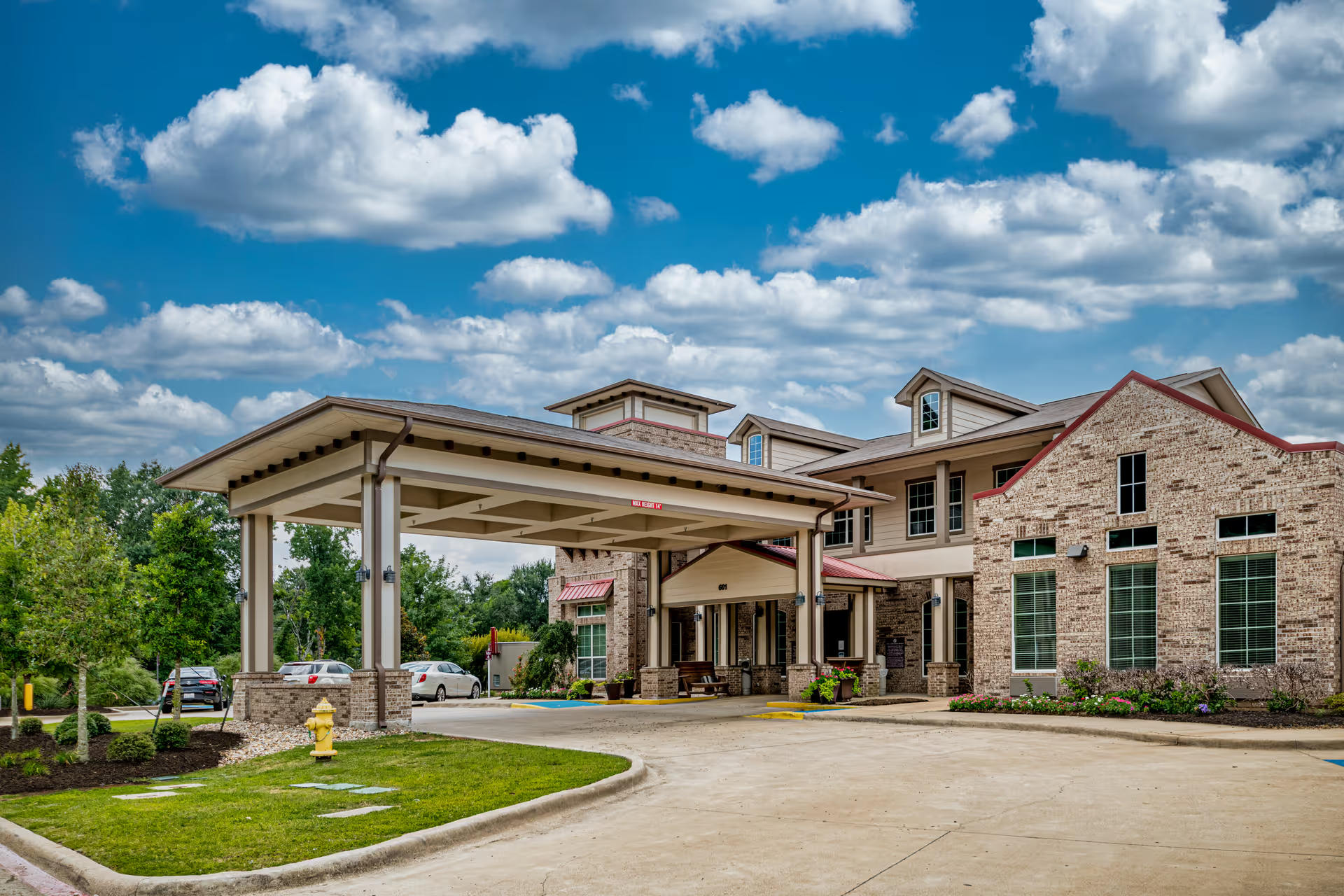
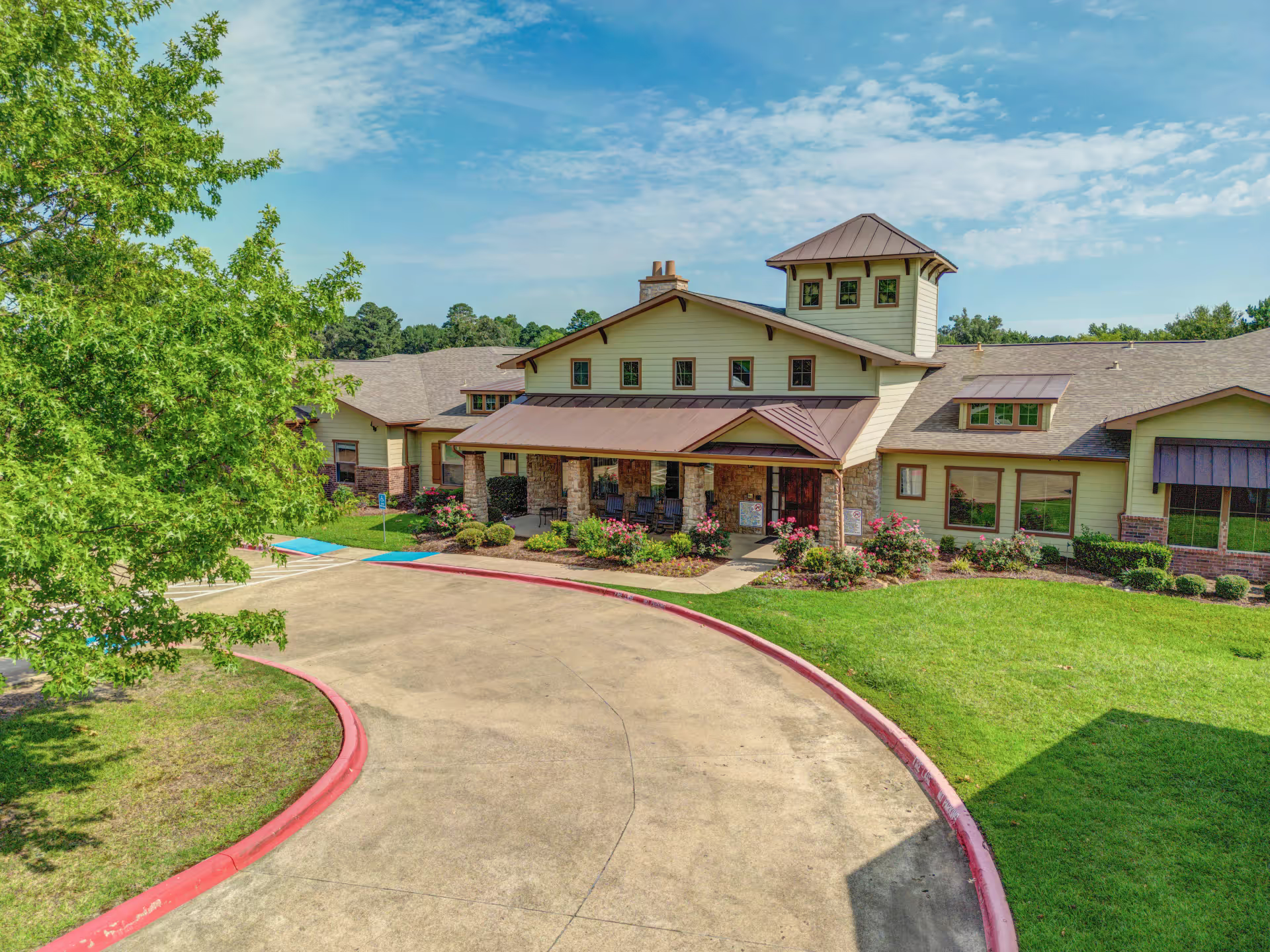
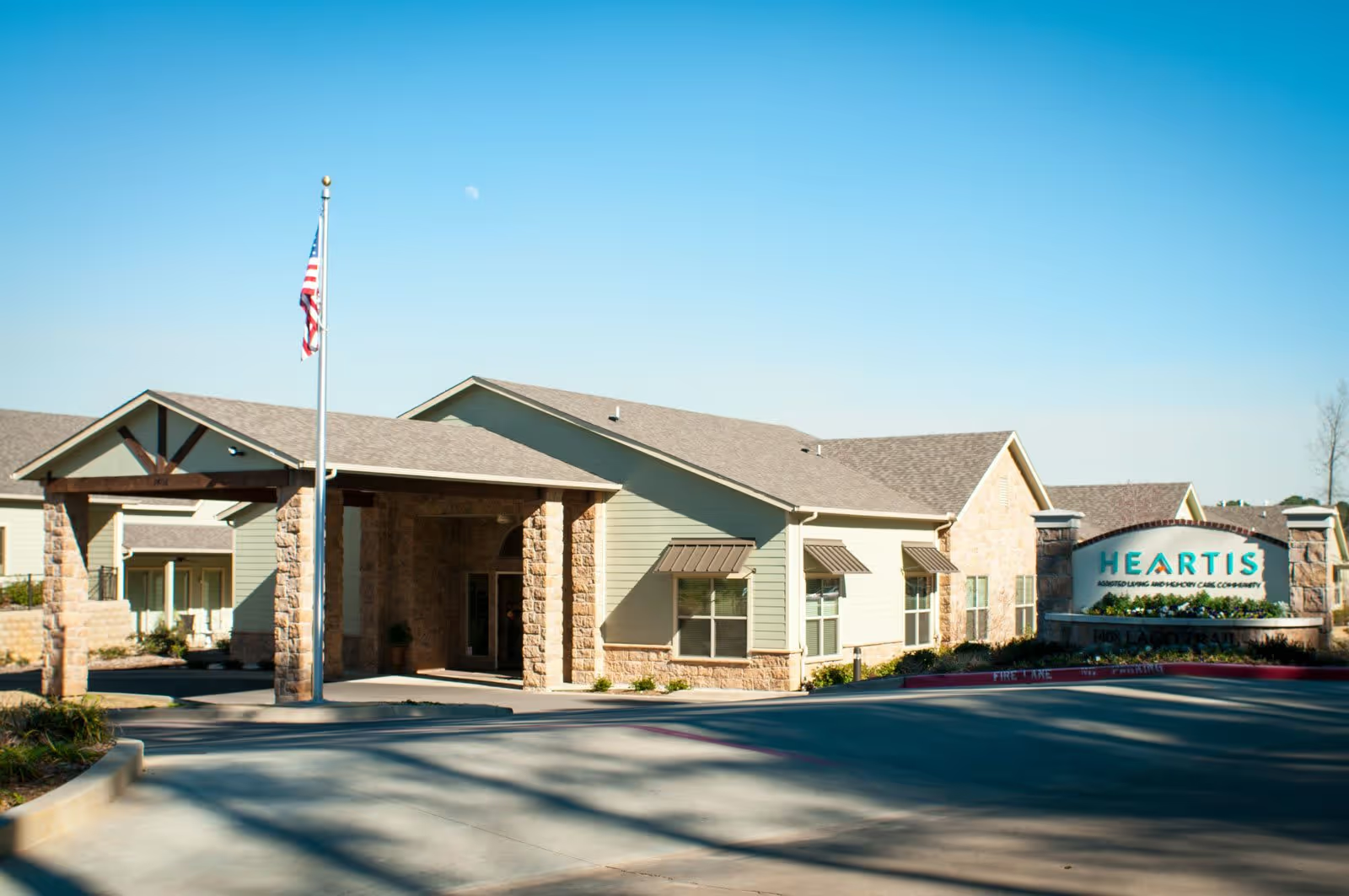
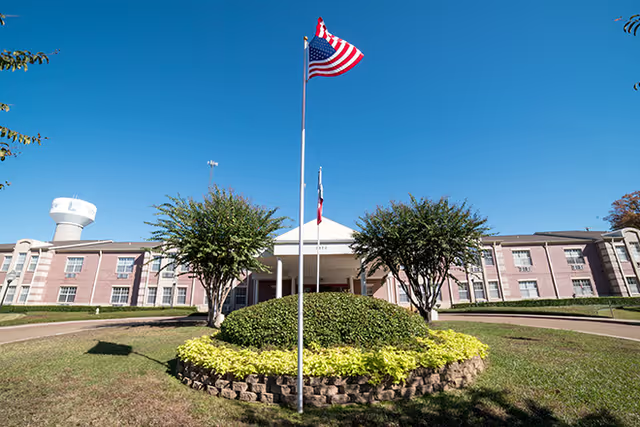
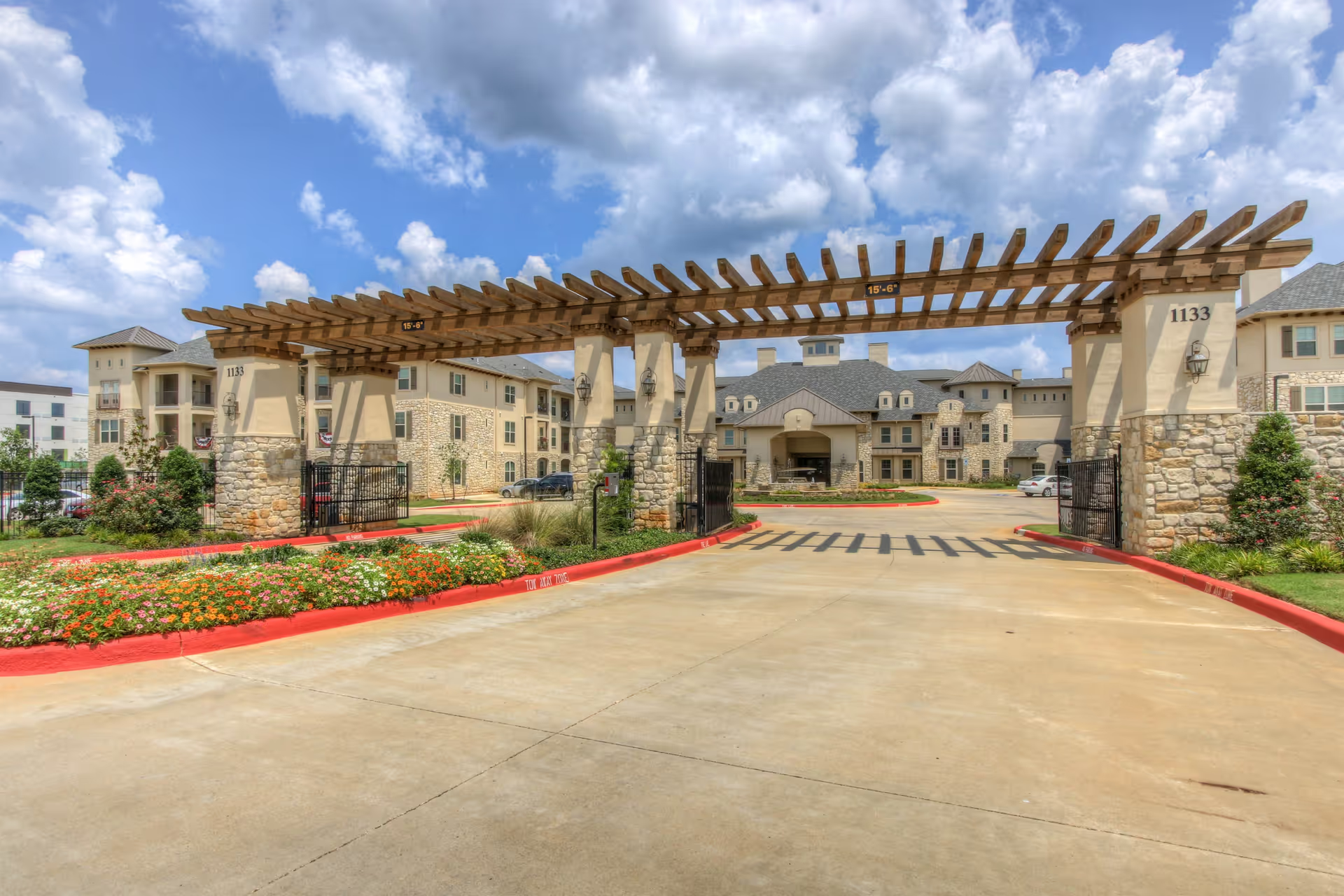
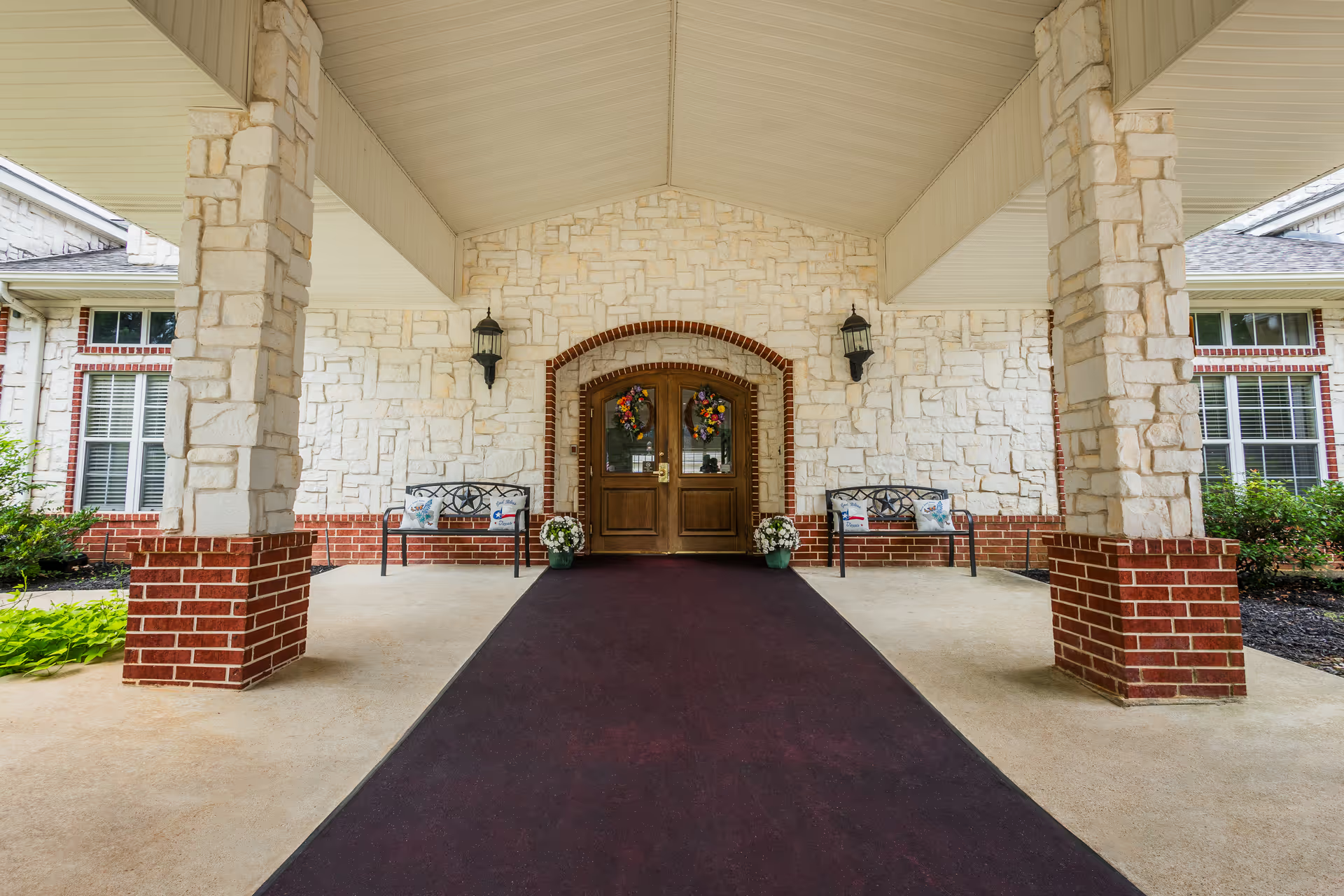
Facility characteristics are likewise mixed. The building is described as older and somewhat dated, with semi‑private bathroom arrangements and separate shower rooms in hallways, but many reviewers emphasize that common areas are clean and that the environment feels safe and welcoming. Operational concerns raised by families include sanitation and pest‑control issues in certain units, security and property‑control vulnerabilities including allegations of staff theft, and administrative problems such as abrupt billing increases and automated billing delays that have created financial strain for some families.
Clinically serious concerns appear in a minority of accounts and include wounds, transfers to higher levels of care, and end‑of‑life issues; those accounts are frequently tied to the facility’s staffing and communication problems. Several reviewers describe poor communication around incidents and discharge planning — including abrupt discharge actions and threats perceived by families — which suggests gaps in incident response protocols and family engagement. Overall, prospective families should weigh the facility’s demonstrated strengths in individualized caregiving, rehab and activities against the operational risks associated with variable staffing, management transitions, and administrative practices. A focused conversation with facility leadership about staffing ratios, activity continuity, billing procedures, infection/pest‑control practices, and family communication protocols is advisable before placement.