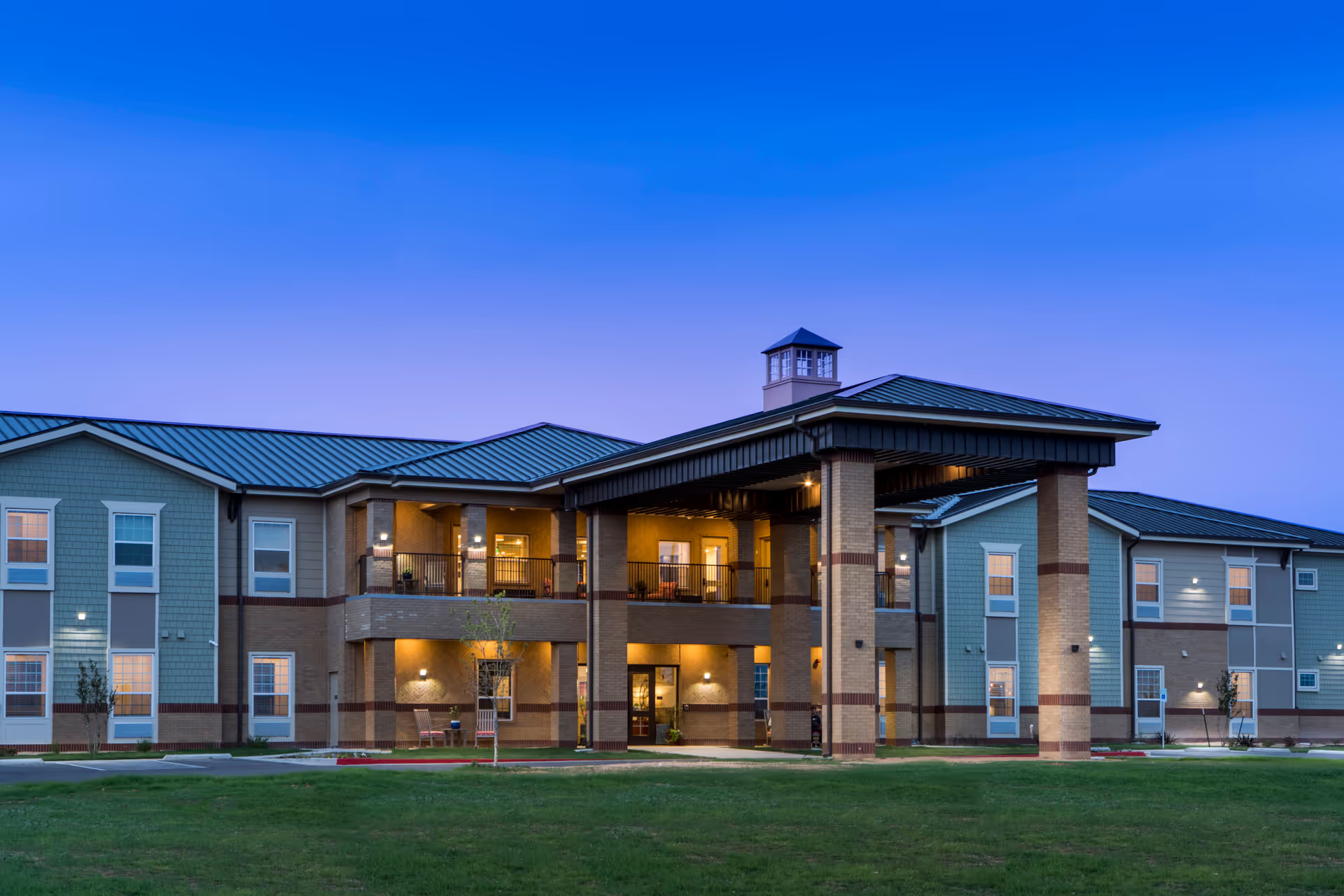
Heritage Oaks Nursing and Rehabilitation Center elicits a mixture of positive and concerning impressions. Strengths center on its rehabilitation services and a number of dedicated direct-care staff. The therapy and rehab teams receive frequent praise for helping residents regain strength and functional abilities; several reviewers described measurable improvement after short-term stays. Many families also highlighted particular nursing aides and therapists for compassionate, hands-on care, and several noted useful transition support when transferring from hospital to facility. Renovated common spaces and accessible outdoor areas were seen as strong facility amenities, and activity programming and psychiatric consult availability were also positive elements.
Care quality descriptions are variable. Positive accounts emphasize attentive aides, timely clinical updates, and strong therapy-driven progress. Conversely, other accounts indicate operational gaps that affect day-to-day care: delayed responses to call lights, inconsistent assistance with feeding and bathing, missed or late medications, and uneven overnight monitoring. These operational weaknesses create a mixed picture in which residents may receive very good rehabilitative and hands-on care from specific staff members but experience lapses in basic assistance and supervision at other times. There are also serious allegations of staff misconduct that culminated in regulatory action; such reports warrant targeted inquiry during any placement decision.
Dining and nutrition experiences are inconsistent. Some families appreciated special meals and routine updates about clinical status, while others described dry food, missed or improperly handled meal deliveries, and inconsistent assistance during meals that could increase aspiration risk for dependent residents. Prospective residents should clarify meal-service protocols and assisted-feeding procedures when evaluating the facility.
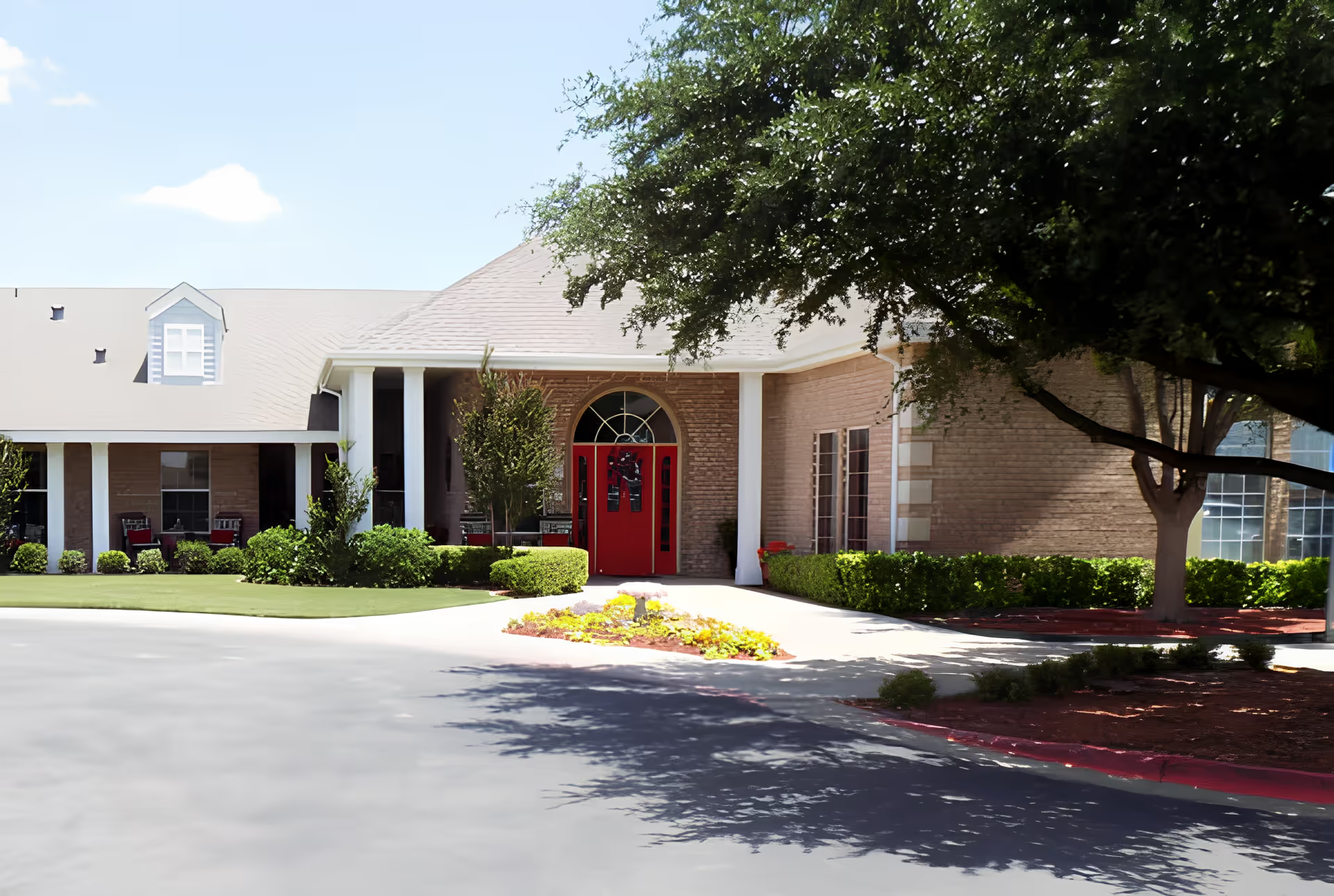
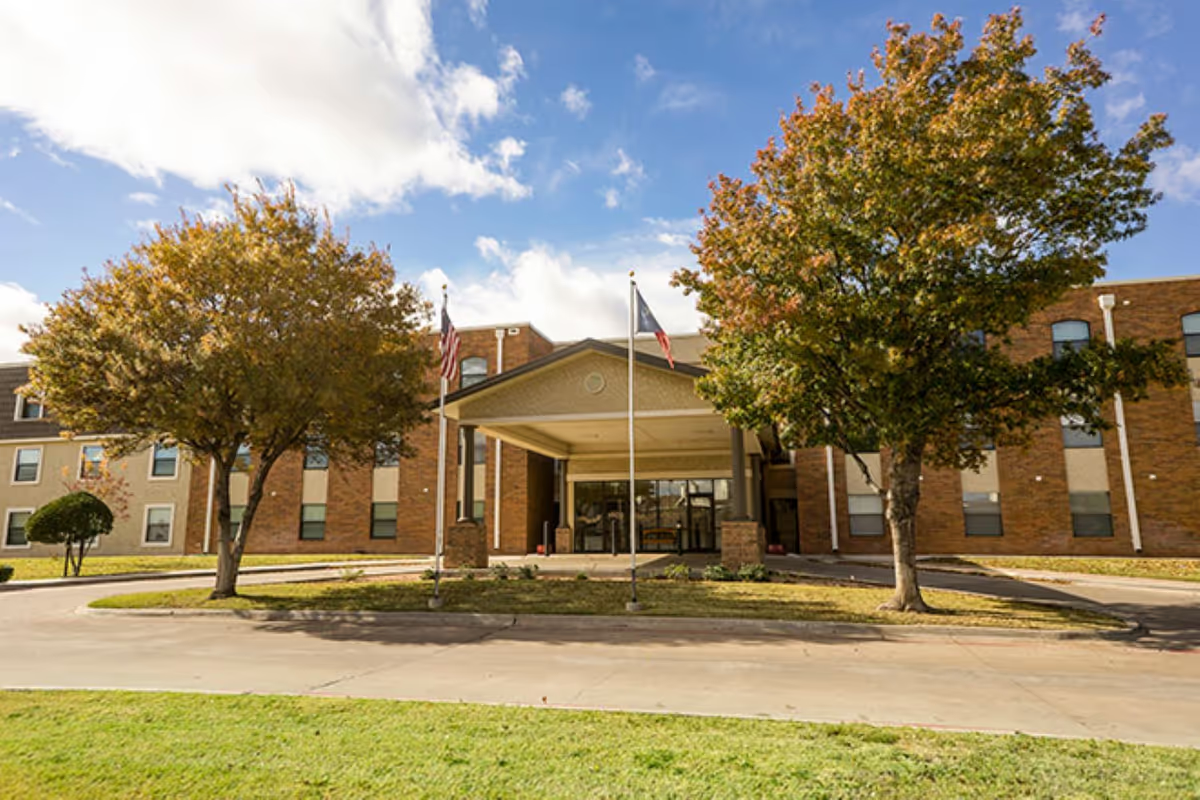
Facilities and activities receive mixed feedback. Renovated interiors, clean corridors in some areas, ample activities, and attractive outdoor spaces were cited as positives. At the same time, reviewers noted sanitation and odor concerns in particular units or common areas, clutter on patios, and occasional issues with phone access or bedside charging that impacted family communication. The physical environment appears to be better in recently updated sections while other areas may need additional attention.
Management, communication, and operational leadership are recurring themes. Several families praised proactive administrators and individualized attention, while others described canceled appointments, inconsistent follow-through on promises, perceived favoritism, and difficulty reaching leadership on weekends. High staff turnover was linked to gaps in continuity of care and uneven performance. Infection-control practices also drew concern in some accounts, with mentions of outbreak management and quarantine inconsistencies.
Notable patterns: the facility demonstrates clear strengths in rehabilitation therapy and benefits from a number of committed direct-care staff, but ongoing operational issues—staffing consistency, response times, medication and documentation processes, property controls, and infection-control—are recurrent. Prospective residents and families should weigh the strong therapy services and some exemplary staff against these operational risks. A recommended approach is an on-site visit that includes observation of staff–resident interactions, questions about staffing ratios and overnight monitoring, review of property-security procedures, clarification of medication and meal-assistance protocols, and discussion of any recent regulatory actions or corrective plans with leadership.