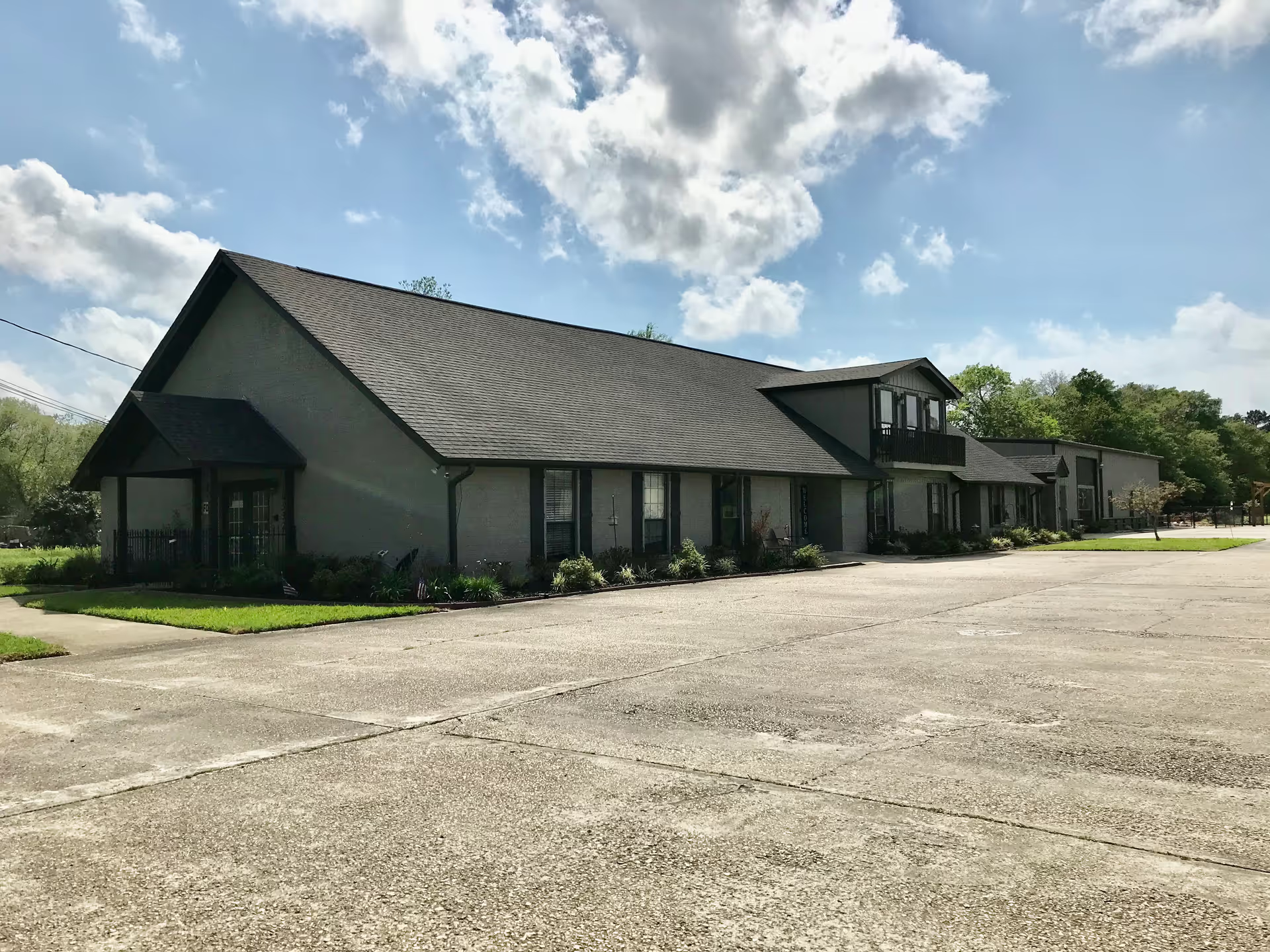
The reviews of Village Creek Rehabilitation & Nursing Center present a mixed but distinct pattern: many families and former residents describe a facility with strong clinical rehabilitation capabilities, an engaged activities program, and a consistently warm, well‑maintained environment; an overlapping set of reviews raise serious operational concerns about nutrition management, monitoring, documentation, and communication. Prospective residents commonly praise the therapy department, noting rapid recoveries and skilled therapists, and they frequently highlight compassionate, personable nursing and caregiver teams who support grooming, dignity, and an inviting atmosphere.
Care quality and staffing are central themes. Numerous comments emphasize compassionate nursing, attentive CNAs, and staff that go above and beyond; reviewers also cite visible teamwork, staff stability in some units, and effective admissions and family‑liaison staff. Counterbalancing those positives are repeated concerns about responsiveness — specifically inconsistent completion of hourly checks and gaps in routine monitoring — and perceptions of staffing shortages that may affect continuity of care. There are also serious claims regarding record‑keeping integrity; at least some feedback references allegations of falsified documentation, which families should consider when evaluating the facility.
Dining and clinical feeding practices received both positive and negative remarks. Many reviewers noted high‑quality, plentiful meals and a pleasant dining room, while others reported interruptions in meal service and problems with feeding‑tube management or missed feeding opportunities. Those contrasting accounts suggest variability in operational reliability at mealtimes; families should ask about current meal‑service protocols, feeding‑tube procedures, and oversight during a tour.
Activities, facilities, and amenities are frequently cited as strengths. The center is described as clean and cosmetically well kept, with a courtyard and opportunities for social engagement — bingo, tournaments, trips (including monthly shopping outings), and table games. Private rooms, a comfortable family room, and on‑site hospice resources were singled out by families who felt supported during end‑of‑life care. Several reviewers specifically praised staff members by name for helping create a comforting environment.
Management and communication show a split pattern. Many reviewers compliment leadership for being accessible and responsive, and marketing/admissions staff were often described as efficient and helpful. Conversely, other families described feeling ignored when raising complaints and perceived a focus on financial or administrative priorities that affected care decisions. This divergence suggests variability in local management responsiveness and in how concerns are escalated and resolved.
Bottom line: Village Creek appears to offer strong rehabilitative services, a robust activities program, and many examples of compassionate, attentive care in a pleasant facility. However, there are recurring operational issues — notably in nutrition/feeding management, routine monitoring, documentation practices, and family communication — that merit targeted inquiry during a visit. Families should tour the unit(s) of interest, observe mealtime and personal‑care routines, ask for current staffing ratios, review documentation and feeding protocols, and speak with administration about complaint resolution and hospice coordination before making a placement decision.