Overall, reviews portray Legend of Mansfield as a welcoming assisted living and memory care community with a strong reputation for staff warmth and resident-centered support. Families and residents frequently describe caregivers as kind, attentive, and familiar with residents’ needs. Positive comments also highlight dementia-informed care, individualized routines, and staff support during health changes and family transitions. Several families describe feeling reassured by leadership and communication, though a few accounts raise concerns about the consistency of follow-up on inquiries or reported problems.
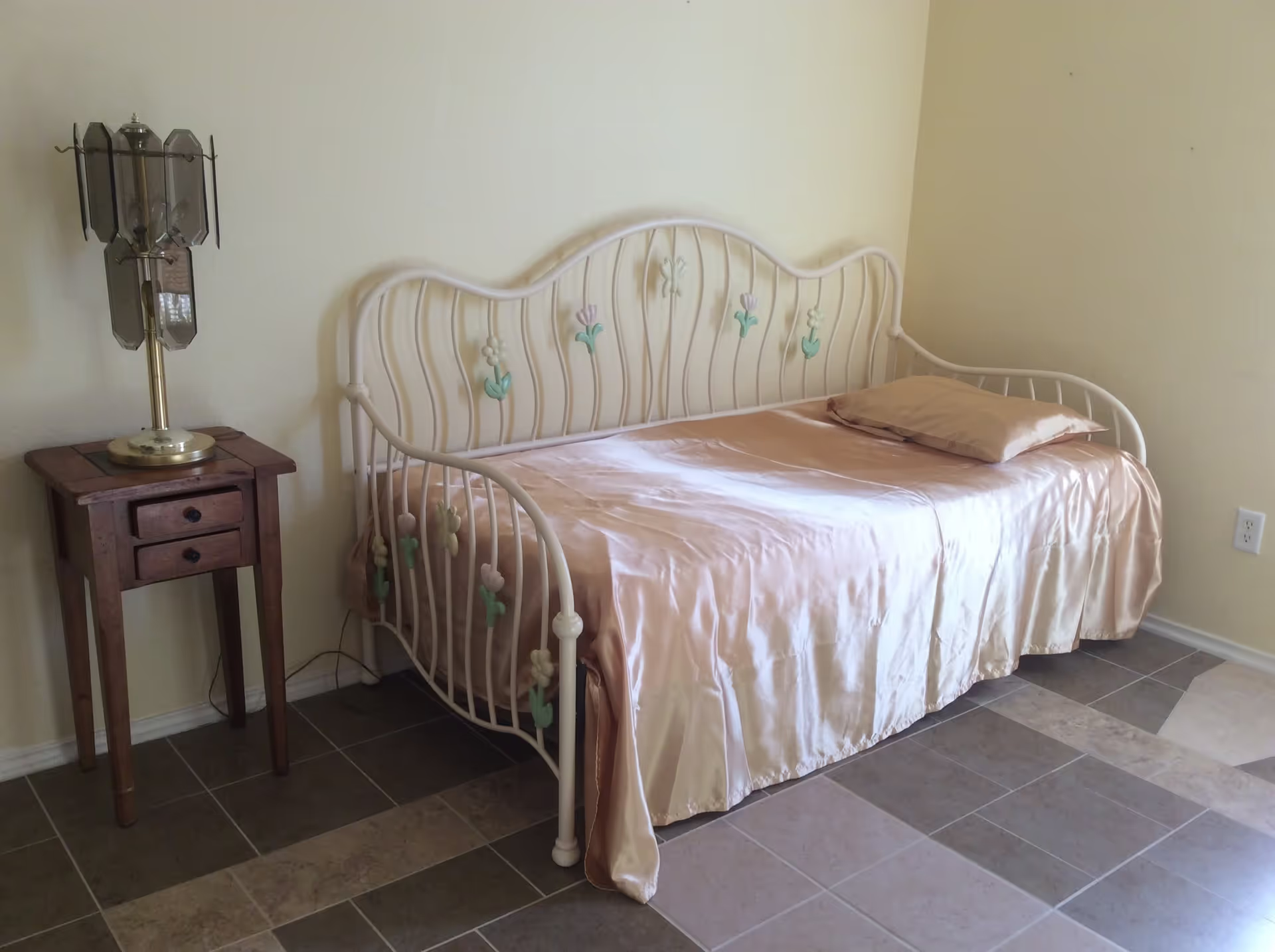
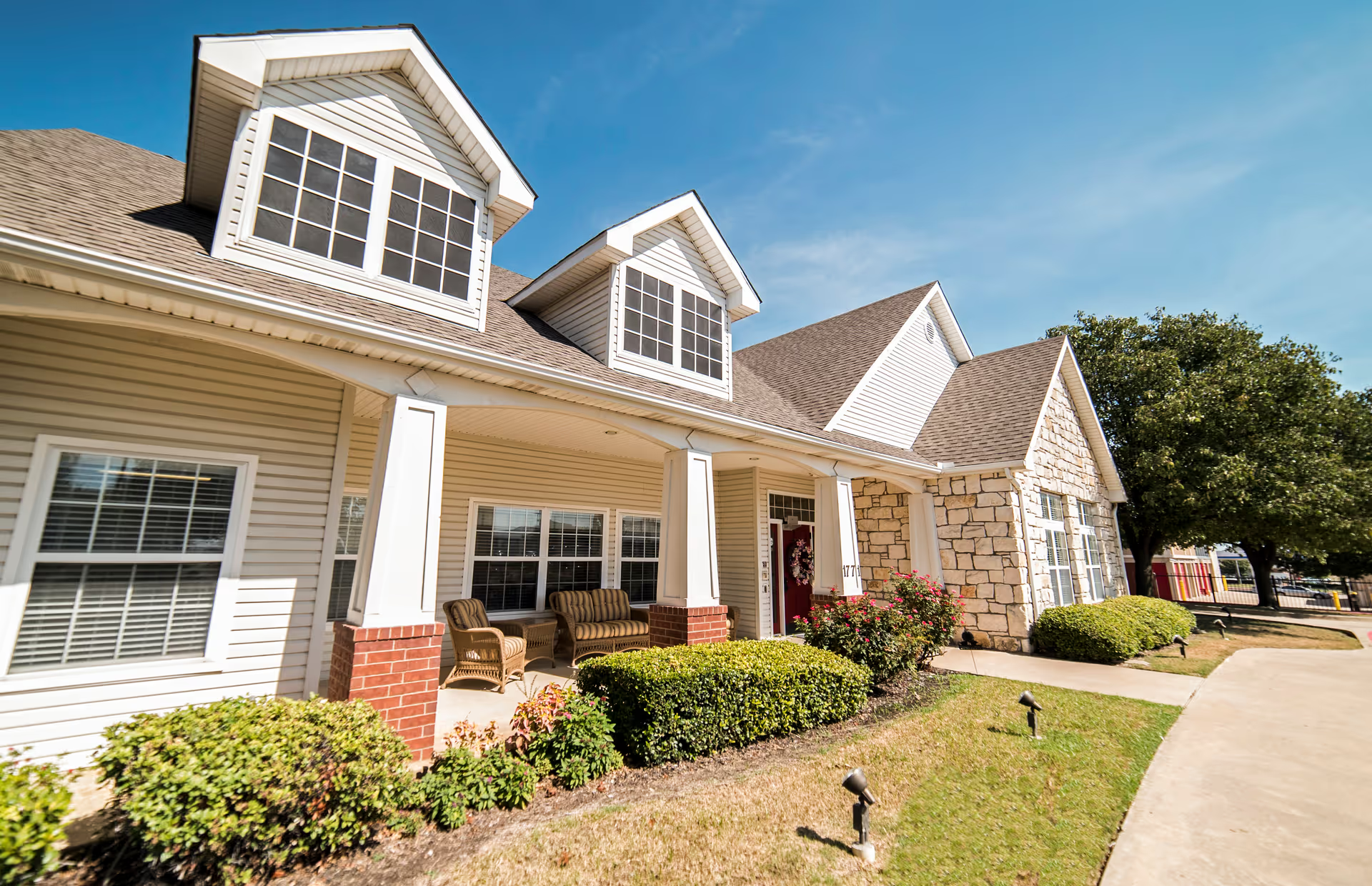
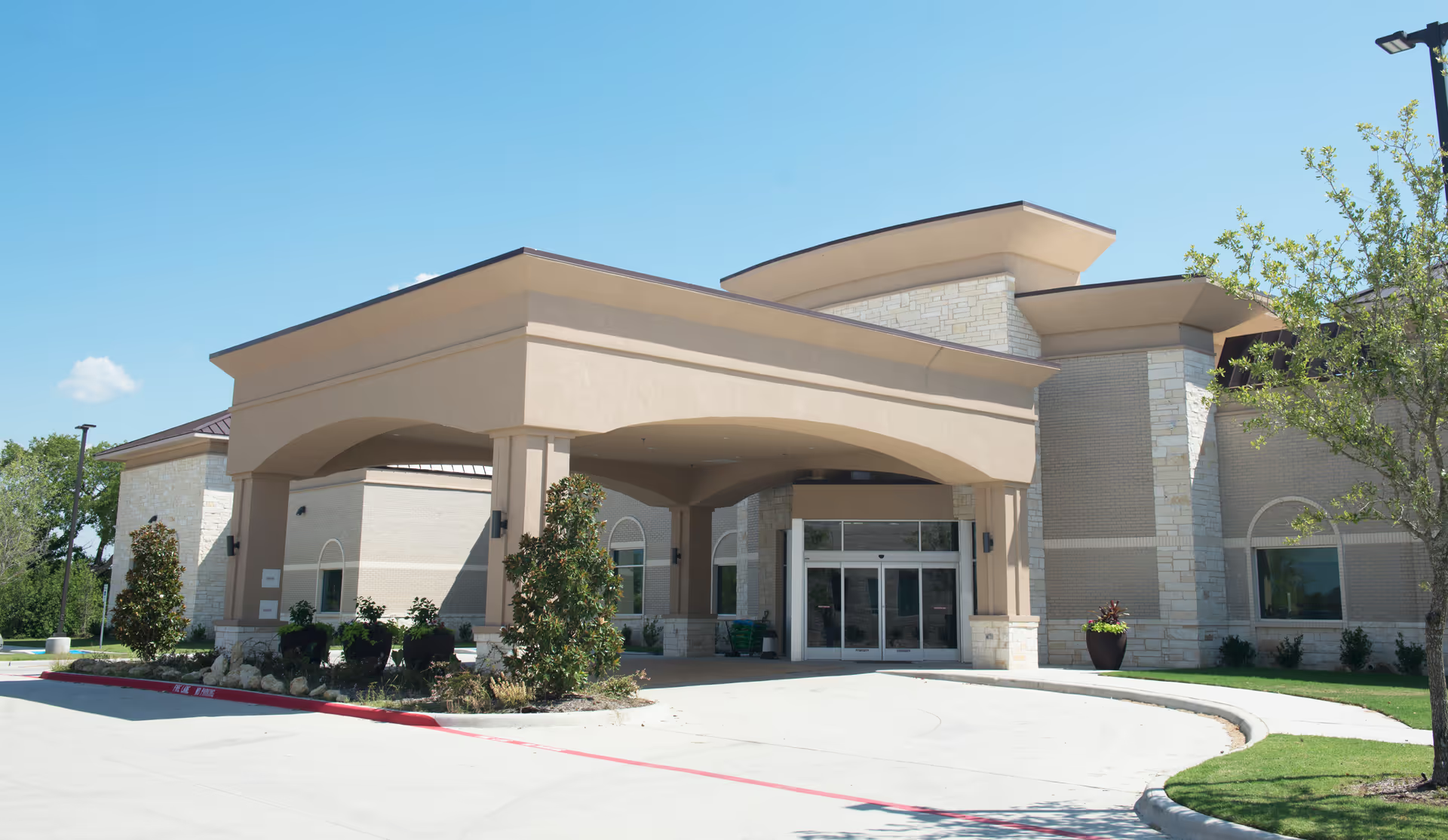
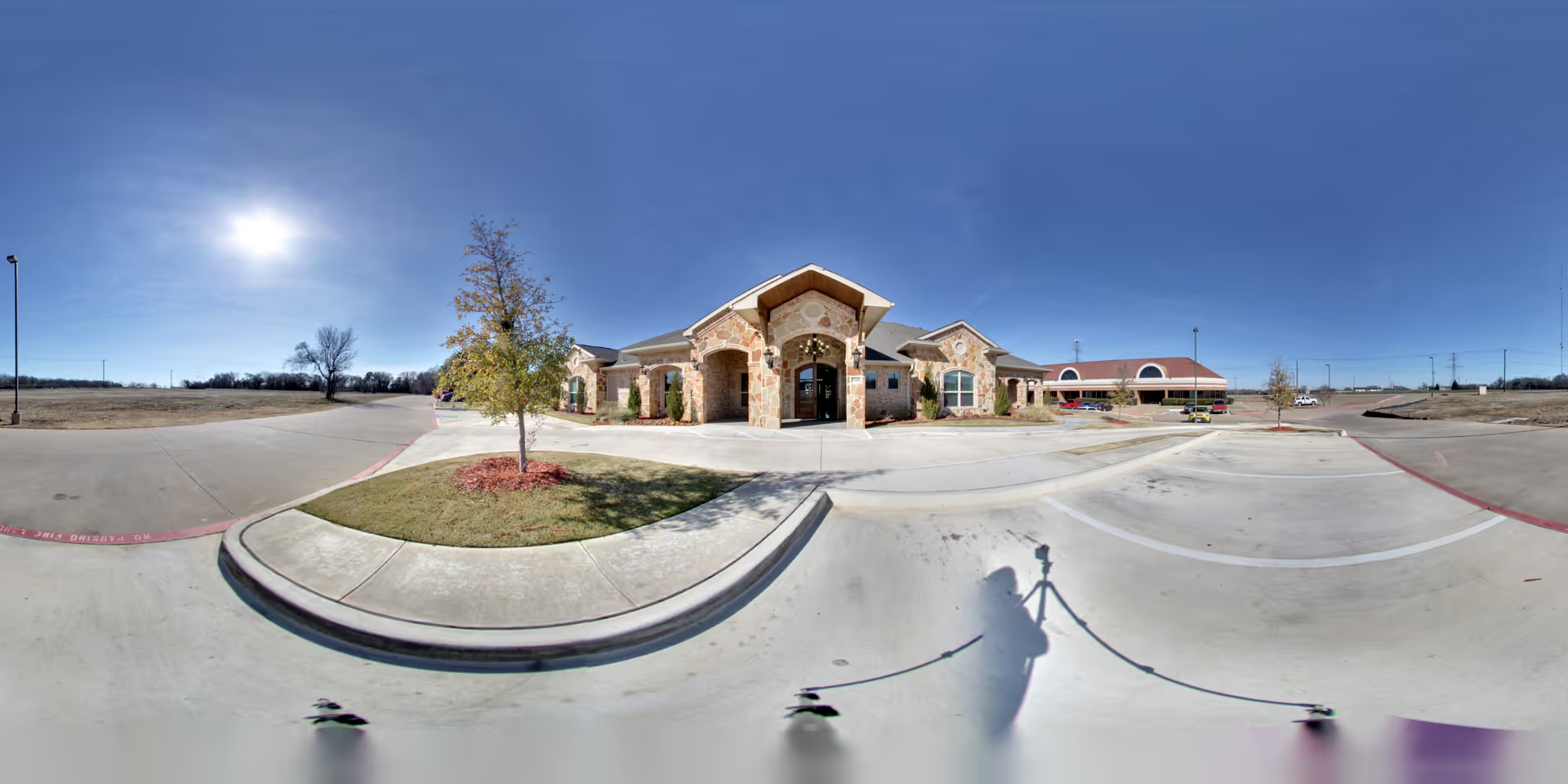
The physical setting is a consistent strength. Reviewers describe the building and grounds as clean, bright, attractive, and well maintained, with wide hallways, courtyards, and a range of apartment layouts. Amenities cited include a theater, library, salon, exercise spaces, and activity rooms. Some rooms open directly to the courtyard. A few visitors and residents found certain rooms small, noted that shared-room layouts may feel awkward, or felt that long corridors could be difficult for people with mobility limitations. Cost was also a consideration for some families.
Activities are often described as varied and engaging, including exercise, games, outings, gardening, workshops, and events for residents’ families. Reviewers particularly praised programming in memory care and the efforts of life-enrichment staff. A few residents wanted more activities or clearer reminders and follow-through about schedules, suggesting that the experience may vary over time.
Dining feedback is mixed. Many reviewers praised meals, dining service, and special food-related events, and some families appreciated individualized meals. However, a recurring concern is that meal quality has declined or varies, with dinner receiving particular criticism for preparation and nutritional balance. Residents and families also mentioned that meals can be inconsistent in temperature and quality. Some reviews describe improvement in food service, indicating that performance may fluctuate.
A small number of critical accounts describe concerns about staff interactions, complaint resolution, personal-property handling, medication decisions, and the clarity of care arrangements. One prospective family also described difficulty getting a response while trying to clarify memory-care availability. These accounts are more negative than the prevailing feedback and do not establish how commonly such issues occur, but they point to areas families may wish to discuss directly. Overall, the strongest recurring positives are staff warmth, cleanliness, memory care, and a home-like atmosphere; the most consistent improvement areas are dining consistency, evening coverage, and reliable follow-up.