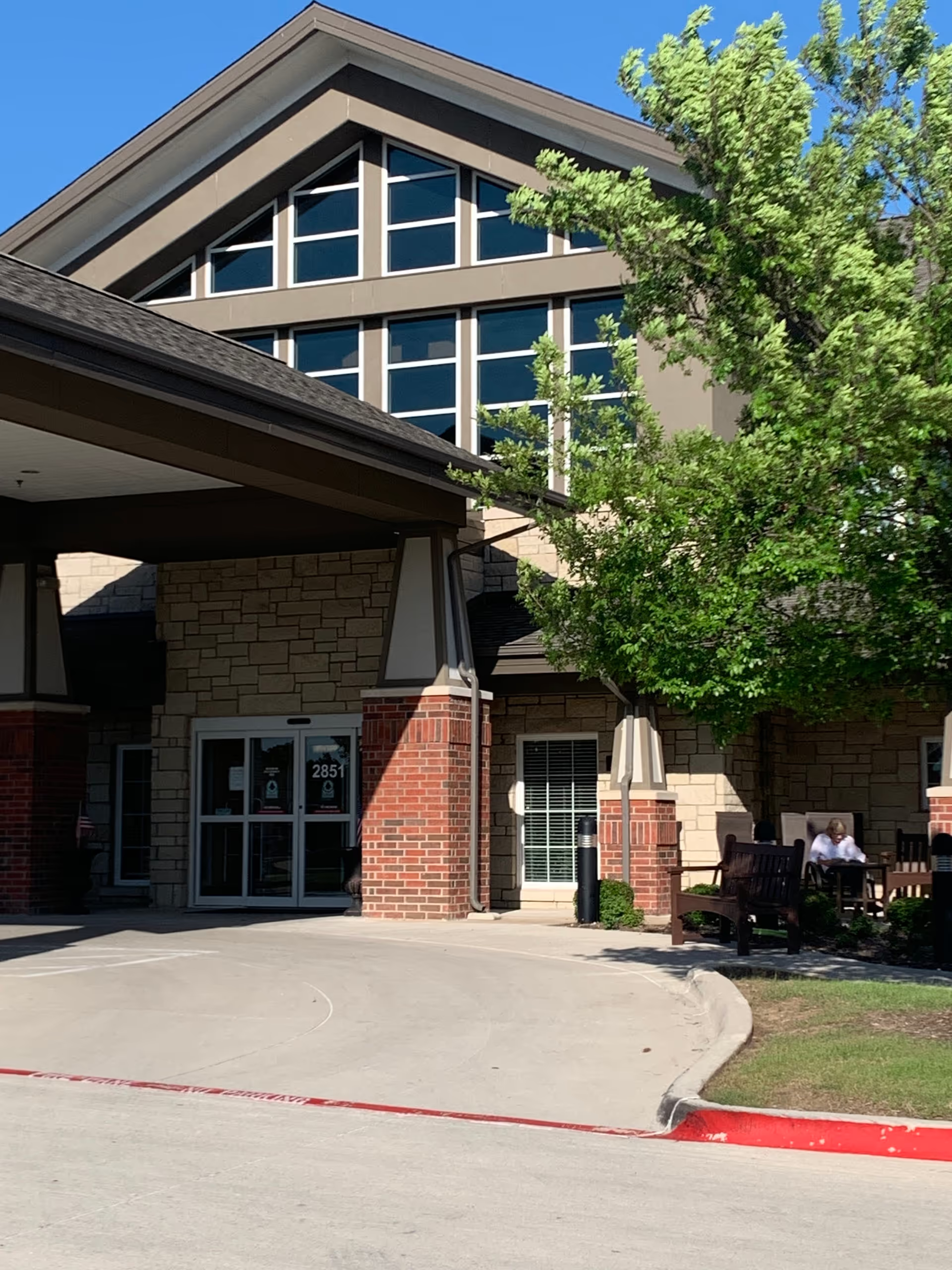
McKinney Healthcare and Rehabilitation Center elicits strongly mixed impressions. A substantial portion of feedback highlights high-quality clinical care, particularly in rehabilitation, wound management and skilled nursing; reviewers frequently praised physical and occupational therapists and cited successful hospital-to-rehab-to-home transitions. Many families described a warm, family-like culture, long-tenured staff, personalized attention, and visible administrative engagement. The facility also holds a 5‑star CMS rating that several reviewers referenced when endorsing the center.
Care quality shows a bifurcated pattern. Positive accounts emphasize attentive nursing, strong therapy outcomes, effective clinical leadership, and good symptom management in many cases. Conversely, other accounts identify operational gaps that materially affect day-to-day care: delays in responding to call lights, inconsistent toileting and incontinence-care processes, occasional delays in analgesic administration, and specific medication-management and documentation concerns. These issues appear episodic but consequential when they occur, and families described variability in how promptly and consistently basic care tasks are completed.
Staff and leadership are central to the facility’s identity. Numerous reviewers named individual caregivers and leaders as exceptionally compassionate, knowledgeable, and responsive; many families felt welcomed and included in care conversations. At the same time, reviewers also described periods of understaffing and staff overload that correlated with slower response times and inconsistent communication. There are repeated mentions of strong administrators who address concerns promptly, but also reports of customer-service shortfalls, disconnected calls, and billing errors that undermine family confidence.
Dining and activities are uneven. Several residents and families praised meal accommodations, snacks throughout the day, and some positive meal experiences; other reviewers found food quality inconsistent or unsatisfactory. Programming is clearly rehab-focused, and reviewers commonly reported robust therapy schedules and equipment. However, there are consistent statements that social and recreational programming beyond therapy is limited, so prospective long‑term residents seeking a full activity calendar may find fewer options than in some other communities.
Facilities and cleanliness comments were mixed. Many reviewers described the building as clean, well-maintained, and comfortable with large rooms and recliners; others raised sanitation concerns and odor issues in certain areas, suggesting variability in environmental practices across units or shifts. Security and front-desk coverage were praised in some accounts but noted as an operational weakness in others, with at least a few reports of access-control lapses or unstaffed reception periods.
Administrative patterns to watch for include inconsistent billing/accounting processes, occasional customer-service responsiveness problems, and communication breakdowns during discharge or transfers. Therapy availability appears strong overall but may be constrained by therapist staffing levels at times, producing shorter or less frequent sessions than some families expect. Language differences and uneven staff conduct were also described as barriers to consistent family communication.
Bottom line: McKinney Healthcare and Rehabilitation Center demonstrates clear strengths in clinical and rehabilitation care, compassionate caregiving, and strong leadership presence, making it a viable option for many residents, especially for short-term rehab. However, prospective residents and families should assess current staffing levels, medication-management processes, incontinence-care protocols, dining preferences, and administrative practices during tours and admissions conversations. Asking for recent staffing ratios, medication-safety policies, sample activity schedules beyond rehab, and clarification about billing procedures can help clarify whether the facility’s operating practices match the needs and expectations of a particular resident.