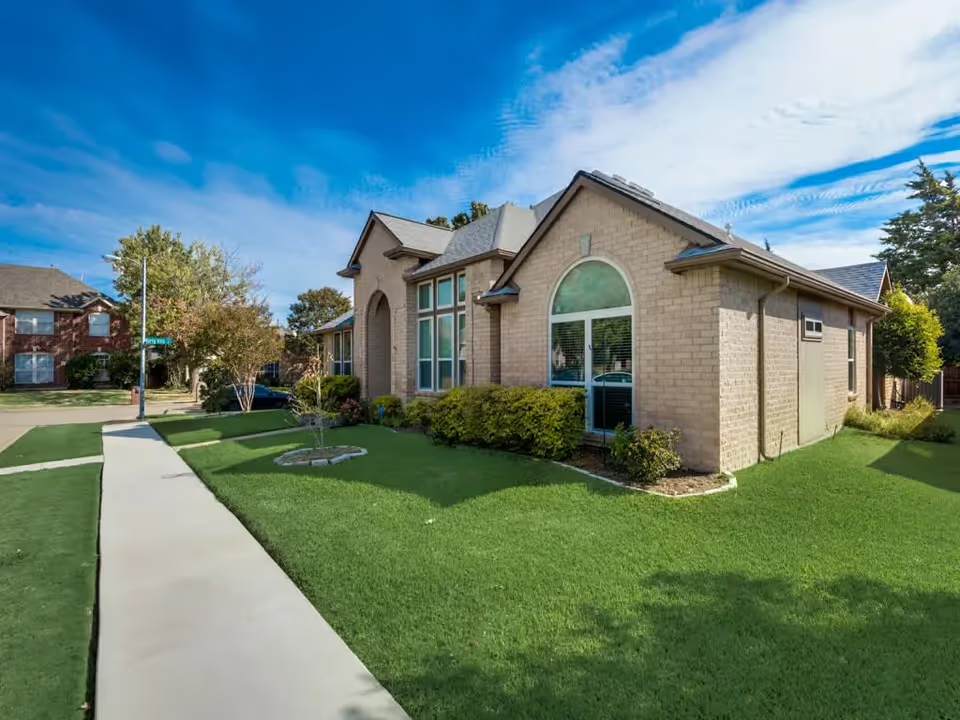
Redbud Place elicits a broad range of experiences. Many families and residents describe a warm, home-like atmosphere supported by compassionate caregivers and a strong activities program; at the same time, others describe operational inconsistencies that have a tangible impact on daily life. Overall impressions are polarized around two consistent themes: high interpersonal quality (staff warmth, social engagement, and an engaged activities director) and variable operational reliability (staffing, dining, housekeeping, and management stability).
Care and staff: Care quality is a prominent strength when staffing is stable. Reviewers frequently praise nurses, directors, and direct caregivers for individualized attention, compassionate bedside care, and recovery-focused services. Several accounts highlight effective weekend and overnight coverage and strong nurse leadership. Counterbalancing those positives are recurrent staffing challenges: weekend and overnight coverage is sometimes reported as inconsistent, turnover is high in some roles, and the facility occasionally relies on agency caregivers. These patterns are associated with family concerns about responsiveness, clinical coverage gaps, and inconsistencies in medication-management processes.
Dining and kitchen operations: Dining experiences vary widely. Some residents and families describe excellent, plentiful meals and an active dining program; others report cold plates, small portions, repetitive menus, and interruptions when kitchen staff are absent. Chef turnover and menu instability are recurring operational issues, and reviewers describe uneven meal-service continuity when primary culinary staff are unavailable. For prospective residents who place high priority on regular, consistent meals, the kitchen’s staffing and continuity are important items to verify.
Activities and social life: The facility’s social program is frequently cited as a major positive. Activities range from arts and crafts, painting and music, to frequent outings (casinos, ball games, shopping trips) and themed events. Families often report that the activities director is energetic and that scheduled and ad hoc events contribute meaningfully to residents’ engagement, mood, and recovery.
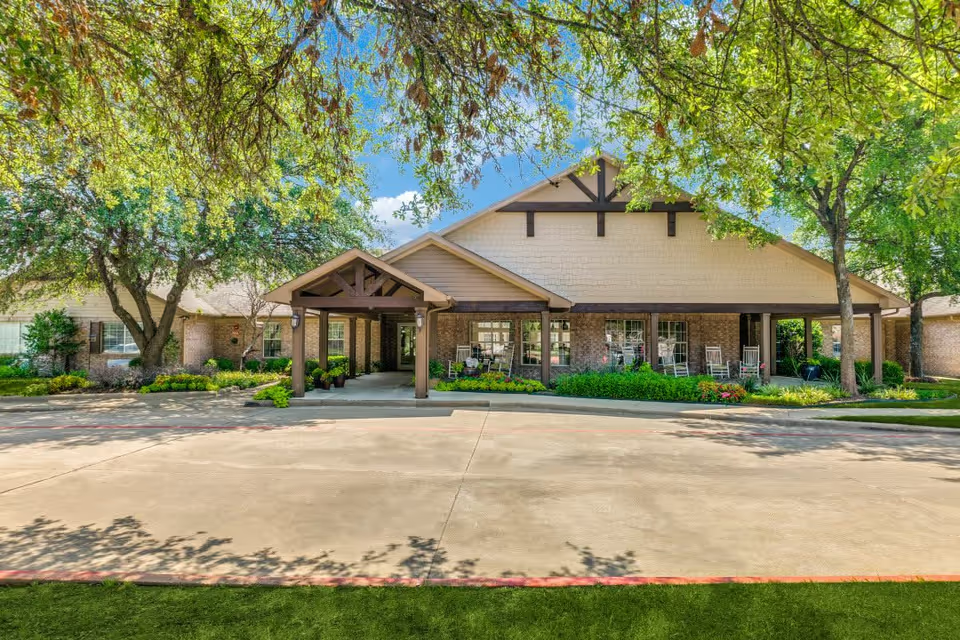
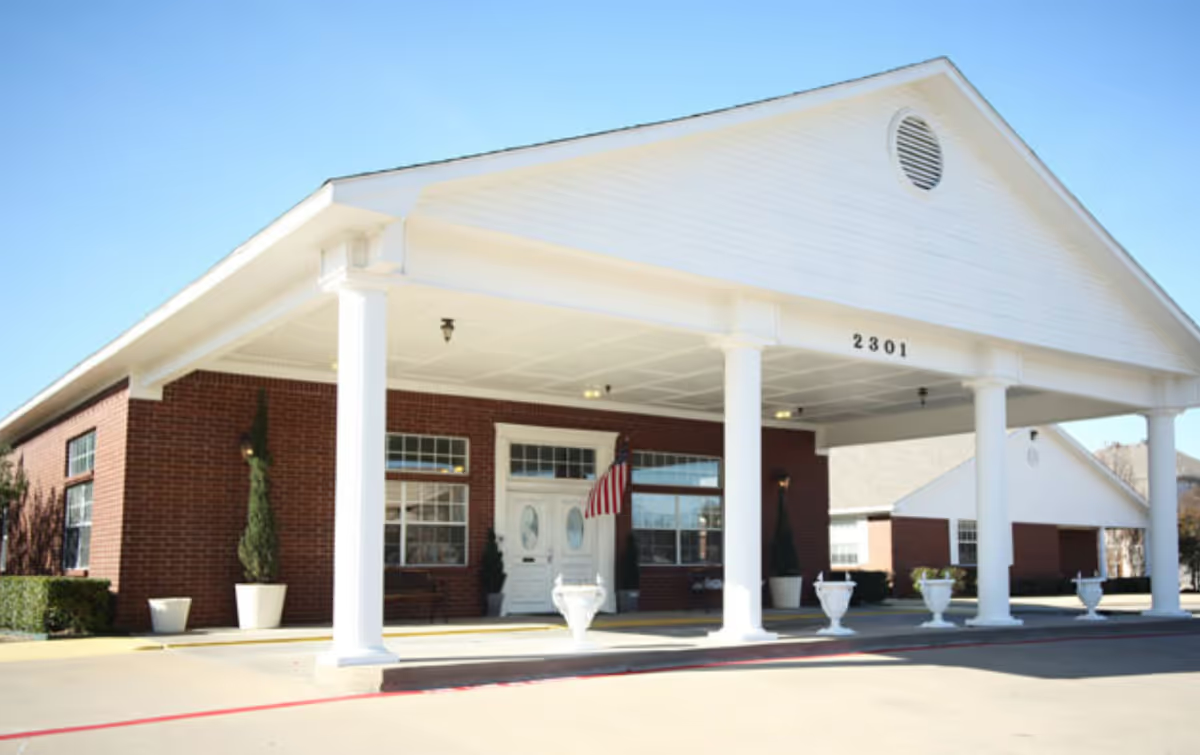
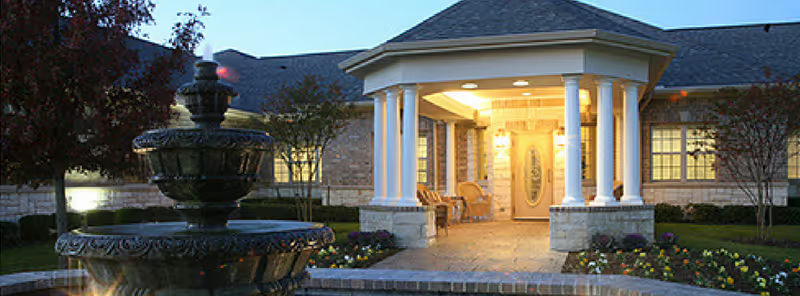
Facilities and housekeeping: Physical facilities are described both as attractive and in need of repair. Positive notes include a protected courtyard, cozy seating areas, and clean, well-maintained common spaces in many accounts. However, reviewers also report maintenance backlogs, worn carpeting in some public areas, and an older building footprint that requires ongoing attention. Housekeeping and laundry consistency is a repeated concern: while some residents receive included cleaning and laundry on schedule, others describe missed cleanings, missing or damaged personal items, and inconsistent bedding laundering.
Management, security, and administration: Management impressions are mixed. Several families commend responsive leadership and improvements under new management; others describe weak or inconsistent management presence, leadership turnover, and gaps in front-desk coverage. Security and access control are cited as operational gaps—examples include unattended front desks and inconsistent door-lock procedures that affect family access. Billing and administrative practices are another area of concern for some families, who express dissatisfaction with perceived value relative to monthly fees and with payment-autodraft procedures. There are also a small number of serious allegations concerning theft and financial handling that warrant direct inquiry during touring and contracting.
Notable patterns and recommendations: Redbud Place is likely a good fit for residents who prioritize social engagement, compassionate direct-care interactions, and an intimate community setting. Prospective residents and families should, however, perform focused due diligence on operational reliability: ask about weekend and overnight staffing ratios, agency-staff usage, chef turnover and meal-service continuity plans, housekeeping and laundry protocols (including lost-item procedures), clinical coverage for medication management, front-desk/security hours, and billing/auto-draft policies. Verifying recent management stability and requesting references from current families can help assess whether the facility’s strengths are being sustained and whether the operational weaknesses have been addressed.